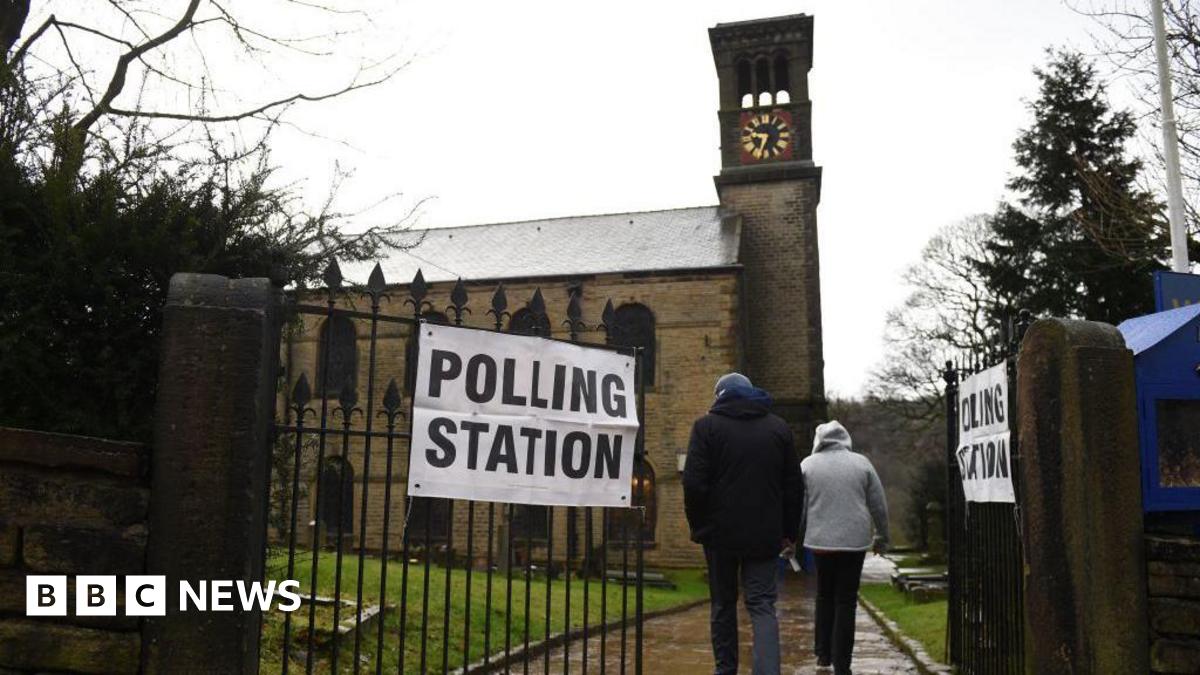
Reform UK Makes Significant Gains in Greater Manchester Local Elections
The party secures historic seats as Labour faces losses across several boroughs.
UNITED KINGDOM —
Key facts
- Reform UK wins 13 seats in Oldham, becoming the second-largest party on the council.
- Labour loses eight seats in Oldham, maintaining a slim majority with 18 councillors.
- Reform UK secures its first Greater Manchester seats in Wigan, Salford, Bolton, and Tameside.
- The Liberal Democrats gain control of Stockport council.
- Elections were held for 136 local authorities across England.
- All 10 boroughs in Greater Manchester held local elections.
- Polling stations opened at 07:00 BST and closed at 22:00 BST.
Reform UK's Historic Breakthrough in Greater Manchester
Reform UK has achieved a significant breakthrough in the Greater Manchester local elections, securing its first-ever seats in the region and making substantial inroads into traditional Labour heartlands. The results, rolling in after polls closed on Friday, signal a seismic shift in the local political landscape. Across Wigan, Salford, Bolton, and Tameside, the party has claimed victory, marking a historic moment. These gains represent a direct challenge to the established order and underscore a growing dissatisfaction with mainstream parties. The implications of these results are far-reaching, potentially reshaping council compositions and influencing future political strategies in the North West of England.
Oldham Council Sees Major Party Realignment
In Oldham, Reform UK has emerged as a formidable force, securing 13 seats on the local council. This surge places them as the second-largest party, trailing Labour by a mere two seats. Labour, while still the largest single party with 18 councillors, has seen its representation diminish, losing eight seats in the process. The outcome in Oldham resulted in a 'no overall control' declaration, highlighting the fragmented nature of the council's composition following the election. This marks a significant departure from previous political dominance. Lewis Quigg, Reform's leader on Oldham Council, articulated the sentiment behind the vote, describing it as a "people's revolt by a silent majority" disillusioned with the establishment and the council's governance over the past 15 years.
Broader Electoral Landscape in North-West England
These Greater Manchester contests were part of a wider electoral event across North-West England, with 461 seats contested across 21 councils. This represented the most extensive set of local elections since the 2024 general election. Beyond Greater Manchester, elections took place in parts of Merseyside, Cheshire, and Lancashire. On Merseyside, Sefton and St Helens held all-out elections, meaning every seat was up for re-election, while Knowsley contested one-third of its seats. Similarly, Halton in Cheshire saw one-third of its seats contested. In Lancashire, voters went to the polls in Blackburn with Darwen, Burnley, Chorley, Hyndburn, Pendle, Preston, and West Lancashire, with one-third of seats contested in each area. These elections provide a snapshot of the political mood across a wide swathe of the region.
Liberal Democrats Take Control in Stockport
Adding to the significant shifts, the Liberal Democrats have successfully gained control of Stockport council. This victory represents another key change in the region's political map, demonstrating a broad-based challenge to the long-standing dominance of Labour in many areas. The results from Stockport contribute to the narrative of a fragmented and dynamic electoral landscape across Greater Manchester. The shift in power in this borough will likely lead to policy changes and a new administrative direction. These outcomes collectively paint a picture of voter appetite for change, with different parties capitalizing on local grievances and national trends.
The Mechanics of the Election Day
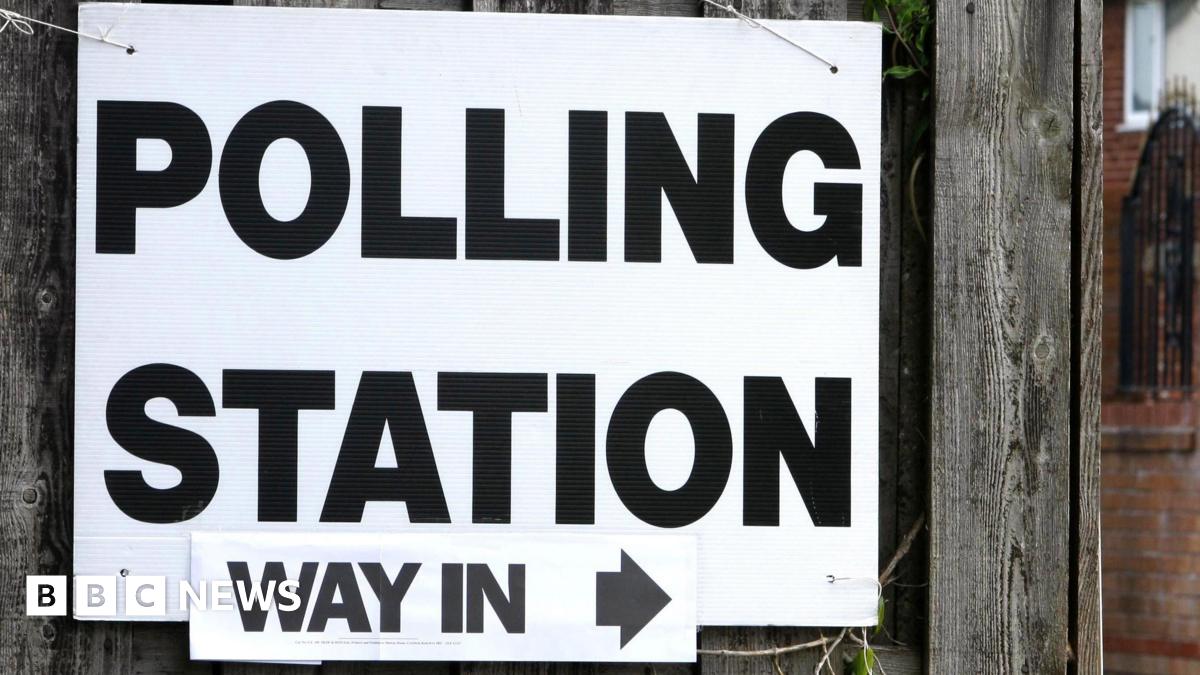
The electoral process began with polling stations across Greater Manchester, Lancashire, Merseyside, and Cheshire opening their doors at 07:00 BST. Voters had the opportunity to cast their ballots throughout the day, with polls closing at 22:00 BST. Vote counting commenced immediately after the polls closed. The results were anticipated to be declared either through the night or later on Friday, allowing for a comprehensive understanding of the electoral shifts. Across Greater Manchester's 10 local authorities, one-third of council seats were up for election, providing a substantial basis for assessing the electorate's mood.
The bottom line
- Reform UK has achieved its first-ever electoral successes in Greater Manchester, winning seats in multiple boroughs.
- Oldham Council has seen a significant realignment, with Reform UK becoming the second-largest party.
- Labour has experienced losses across several Greater Manchester councils, including Oldham.
- The Liberal Democrats have gained control of Stockport council.
- The elections involved contests across all 10 Greater Manchester boroughs and numerous other councils in the North West.
- Voter turnout and sentiment indicate a desire for change across the region.
BBC Mistaken Identity Fiasco Becomes Viral Folk Hero Moment
Plaid Cymru Poised to Lead Welsh Assembly as Labour Faces Historic Defeat
Radio Fault Cripples Southern England Rail Network