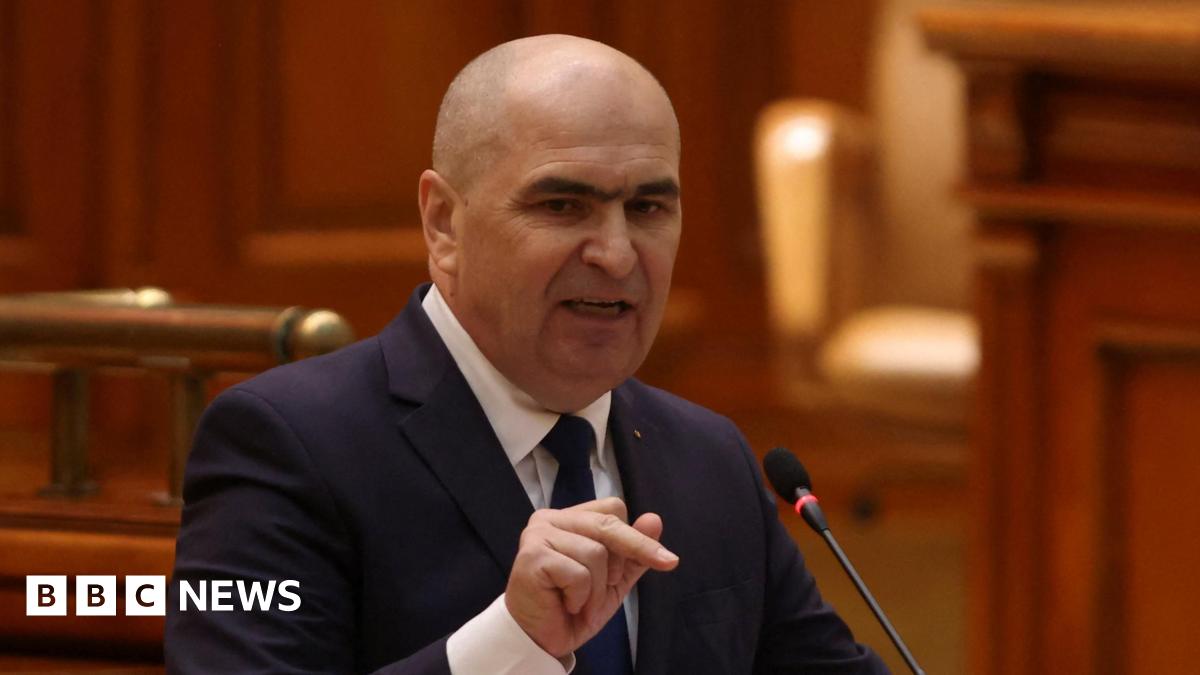
Prime Minister's Questions Cancelled Ahead of Local Elections
Parliamentary schedule shifts due to upcoming polls and state opening, disrupting the usual weekly political grilling.
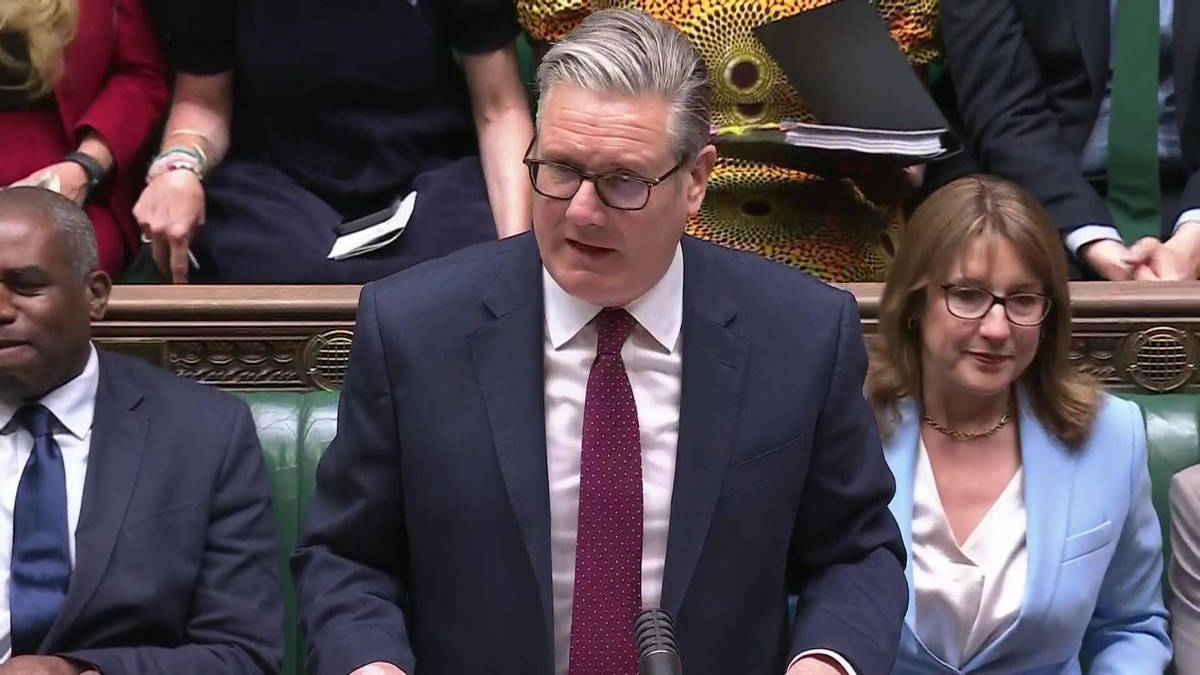
UNITED KINGDOM —
Key facts
- Prime Minister's Questions (PMQs) will not take place today, Wednesday, May 6.
- The House of Commons is in prorogation, with no parliamentary sessions scheduled.
- MPs are campaigning in their constituencies for local elections.
- The next PMQs is scheduled for Wednesday, May 20.
- The new parliamentary term begins with the State Opening of Parliament on May 13.
- Local elections are scheduled across England on Thursday.
- Sir Keir Starmer faces judgement day with the 2026 UK local elections.
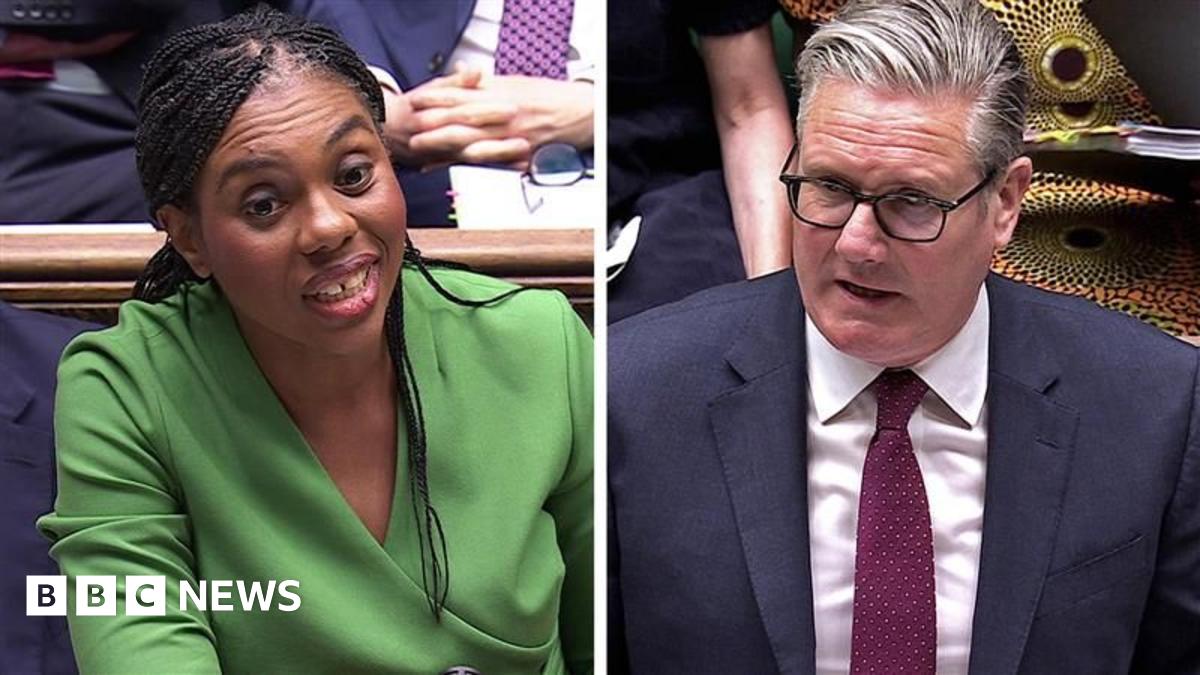
- Kemi Badenoch is the Conservative leader facing Sir Keir Starmer.
Parliamentary Calendar Disrupted by Elections and State Opening
Prime Minister's Questions, a staple of the UK political week, will not be held today, Wednesday, May 6. The House of Commons is currently in prorogation, meaning no parliamentary sessions are taking place. This disruption is largely due to the upcoming local elections across England, scheduled for Thursday, and the subsequent State Opening of Parliament on May 13, which marks the commencement of a new parliamentary term. MPs have been granted time off from Westminster duties to campaign in their constituencies for these local polls. The parliamentary schedule has been adjusted to accommodate these campaigning efforts, leading to the cancellation of the usual weekly confrontation between the Prime Minister and the Leader of the Opposition. The absence of PMQs extends beyond today. The State Opening of Parliament on May 13 will be followed by a rise for the Whitsun holiday a week later. Consequently, there will be no PMQs on May 13 either. The next opportunity for the Prime Minister to face questions from the House of Commons will be on Wednesday, May 20.
Local Elections Loom as Starmer Faces 'Judgement Day'
The cancellation of Prime Minister's Questions arrives at a critical juncture for opposition leader Sir Keir Starmer, with the upcoming local elections on Thursday being framed as a significant referendum on his leadership. Polling will take place across England for all 32 London borough councils, 32 metropolitan boroughs, 18 unitary authorities, six county councils, 50 district councils, and six directly elected mayors. While the composition of the House of Commons itself will not change as a result of these local contests, the outcomes are widely seen as a barometer of public sentiment towards the main political parties and their leaders. For Starmer, the results will offer a crucial indication of his party's standing ahead of future national contests. Despite the pressure, the parliamentary schedule has provided a temporary reprieve from direct questioning in the Commons. The prorogation and subsequent parliamentary recess allow MPs to focus on campaigning, a necessary diversion from the immediate scrutiny that PMQs would typically bring.
A Final Clash Before the Recess
The most recent Prime Minister's Questions, held before the current recess, saw a spirited exchange between Sir Keir Starmer and Conservative leader Kemi Badenoch. The session, which occurred despite a delay in the planned prorogation of Parliament, featured clashes over welfare spending and government achievements. Badenoch initiated the exchange by referencing a recent vote on a motion concerning the Prime Minister's conduct, a motion that had been defeated the previous night. She accused the Prime Minister of failing to grow the economy, asserting that "the only thing that's grown is the welfare bill." Starmer, in turn, defended his government's spending record, stating he would accept "no lectures" from the Conservatives on the matter and emphasizing his party's efforts to reform a system inherited from the Tories. Other opposition figures also raised points of contention. Liberal Democrat leader comments by the new ambassador Christian Turner, while the SNP's Westminster leader Stephen Flynn criticised Starmer's government for delivering "chaos" despite promises of change. The session concluded with Starmer aiming to project an image of a government delivering change and progress to his MPs.
Navigating Scrutiny and Election Excuses
The parliamentary calendar has been a subject of some confusion, with the planned prorogation on Tuesday night being delayed until lunchtime on Wednesday. This delay, the precise reasons for which remain unclear, potentially allowed for an additional, albeit brief, opportunity for parliamentary engagement. Some speculate this may have been a tactical move to grant Kemi Badenoch an extra chance to challenge Sir Keir Starmer, or a consequence of Labour mismanaging timings. Regardless of the timing, the recent session saw both leaders focused on crafting messages for their social media channels, aiming to generate soundbites for the approaching elections. While Starmer may have emerged from the encounter feeling more positive, having avoided significant damage, the underlying sentiment suggests that both parties might benefit from different leadership. Commentators noted that the session was characterized by sycophantic questions from government backbenchers directed at Starmer, seemingly aimed at bolstering his image. This dynamic, coupled with Badenoch's perceived patronising tone, did little to shift the political landscape, with Starmer appearing professional and largely unscathed, even on a difficult day.
Future Parliamentary Engagements and Holiday Schedules
Following the State Opening of Parliament on May 13, the House will rise for the Whitsun holiday shortly thereafter, returning on June 1. The summer recess is scheduled to begin on July 16, with MPs returning on September 1. The autumn conference season is set to run from September 15 to October 12, and the Christmas recess will commence on December 17, concluding on January 4, 2027. This extended period of parliamentary absence underscores the significant break from routine proceedings. The cancellation of PMQs today and next week represents a notable pause in the regular parliamentary accountability mechanisms. The next scheduled Prime Minister's Questions on May 20 will occur after the local elections have concluded and the new parliamentary term is underway. This will provide an opportunity for the Prime Minister to address any fallout from the local election results and to face renewed scrutiny from the opposition.
The bottom line
- Prime Minister's Questions is cancelled today, May 6, due to parliamentary prorogation and local election campaigning.
- The next PMQs session is scheduled for May 20, following the State Opening of Parliament on May 13.
- Local elections across England on Thursday are being viewed as a crucial test for opposition leader Sir Keir Starmer.
- The final PMQs before the recess featured debates on welfare spending and government performance.
- Parliamentary recesses are scheduled throughout the summer and into the autumn, with significant breaks for holidays.
- The current parliamentary schedule disruption highlights the impact of electoral cycles on legislative business.



Dennis Taylor recalls saving Clive Everton's life as snooker legends gather for John Virgo memorial

BJP Secures Landslide Victory in West Bengal, Modi Hails 'New Dawn'
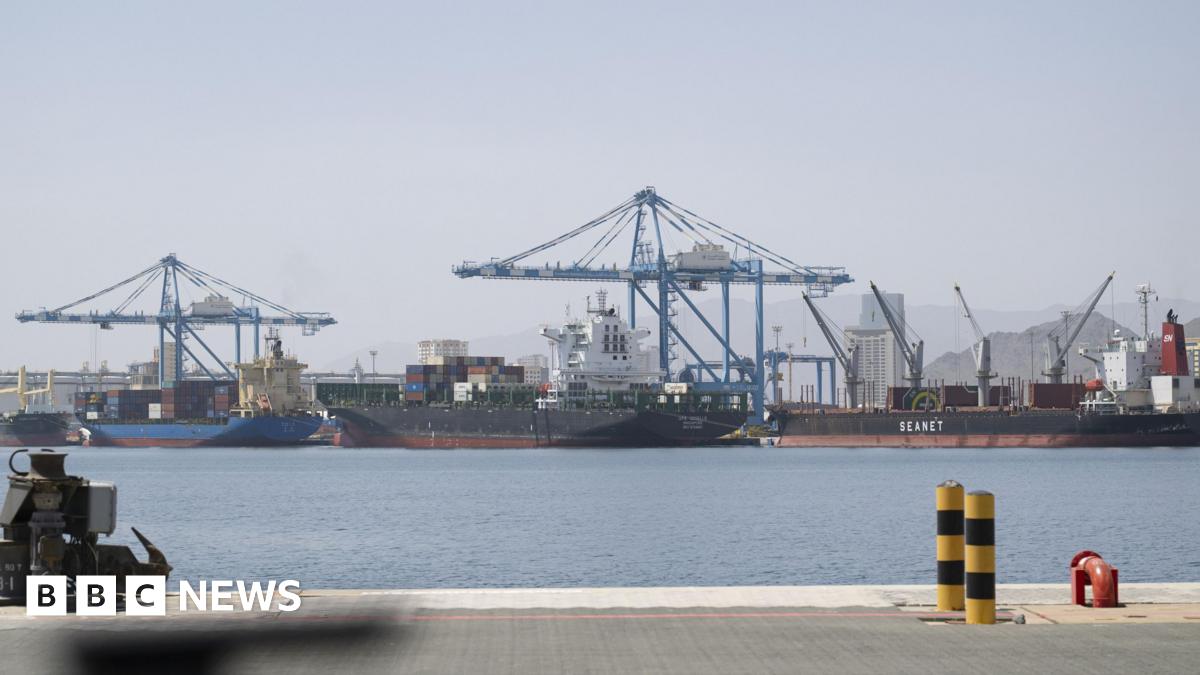
US Strikes Iranian Boats in Strait of Hormuz as Maersk Vessel Exits Under Military Protection