Supreme Court Hears Challenge to Trump's Termination of Temporary Protected Status for Haitians and Syrians
The case could affect 1.3 million TPS holders from 17 countries and test the limits of executive discretion over immigration protections.

UNITED KINGDOM —
Key facts
- The US Supreme Court heard oral arguments on Wednesday over the Trump administration's authority to end TPS for Haiti and Syria.
- TPS protects about 350,000 Haitians and 6,100 Syrians from deportation due to unsafe conditions in their home countries.
- Former Homeland Security Secretary Kristi Noem rescinded TPS for Haiti and Syria in 2024, citing improved conditions and alleged abuse.
- Class-action lawsuits argue the administration failed to follow proper procedures and was motivated by racial animus.
- A federal judge in February ruled that the termination was likely driven by 'racial animus' against nonwhite immigrants.
- The Supreme Court is expected to rule by late June or early July; a win for the administration could lead to termination of TPS for all 17 countries.
- Nearly 1.3 million people hold TPS in the US under the second Trump administration.
The Administration’s Argument: Unreviewable Discretion
The Trump administration, represented by Solicitor General John Sauer, argued that the 1990 law creating TPS grants the executive branch unreviewable discretion to terminate the status. Sauer told the justices that the statute prevents the judiciary from striking down a DHS decision, as such judgments involve 'foreign policy-laden judgments traditionally entrusted to the political branches.' He contended that the TPS legislation allows the DHS secretary to decide based on discretion alone, without judicial oversight. The administration’s position is that courts cannot review the merits of the termination decision.
The Plaintiffs’ Challenge: Procedural Flaws and Racial Bias
Lawyers for the Haitian and Syrian plaintiffs argued that Noem did not follow proper procedures when she rescinded TPS. Ahilan Arulanantham, representing Syrian immigrants, said the administration's position 'contravenes the text, bedrock administrative law and common sense,' adding that 'the government reads the statute like a blank check.' The Haitian lawsuit further accuses the Trump administration of racial bias, citing Trump’s derogatory comments about Haitians during his 2024 campaign, including false claims that Haitians in Springfield, Ohio, were 'eating pets.' In February, US District Judge Ana Reyes ruled that the termination was likely motivated in part by 'racial animus' in violation of the Constitution’s equal protection guarantees.
The Stakes: 1.3 Million Lives and a Broader Deportation Drive
The case directly affects about 350,000 Haitians and 6,100 Syrians currently under TPS. However, a ruling in favor of the administration could open the door to terminating TPS for all 17 countries, affecting nearly 1.3 million people. Analysts warn that such a decision would render many TPS holders undocumented during the Trump administration’s mass deportation campaign. Last year, the Supreme Court allowed the administration to strip TPS for over 300,000 Venezuelans under its emergency docket, signaling a potential shift in the Court’s stance.
Background: The TPS Program and Its History
Established in 1990, TPS allows citizens from designated countries to live and work in the US if their home countries are deemed unsafe due to war, political instability, or natural disasters. The program does not offer a pathway to citizenship but can be extended or terminated by the DHS secretary. Haiti was first granted TPS in 2010 after a devastating earthquake, and Syria in 2012 amid its civil war. Noem rescinded the status for both countries in 2024, claiming conditions had improved and that the program had been 'abused and exploited.' Critics point to ongoing crises in Haiti and persistent instability in Syria.
Legislative and Judicial Responses
In a rare rebuke to Trump, the US House of Representatives passed a bill in April to extend TPS for Haitians through 2029, with 10 Republicans joining Democrats. The Senate has not yet voted on the bill. Federal judges in New York and Washington, DC, had previously halted the administration’s termination of TPS, leading to the current Supreme Court appeal. The Court is likely to decide the case by late June or early July.
What Comes Next
If the Supreme Court sides with the Trump administration, it would likely seek to end TPS for all countries, affecting nearly 1.3 million people. The decision could also set a precedent limiting judicial review of executive actions on immigration. The ruling will have profound implications for the lives of hundreds of thousands of immigrants and for the balance of power between the executive and judicial branches on immigration policy.
The bottom line
- The Supreme Court heard arguments on whether the Trump administration can unilaterally terminate TPS for Haitians and Syrians, affecting over 350,000 people.
- The administration argues the 1990 TPS law gives the executive unreviewable discretion, while plaintiffs cite procedural violations and racial bias.
- A federal judge found the termination likely motivated by 'racial animus,' but the administration dismissed the ruling as 'lawless activism.'
- The case could determine the fate of 1.3 million TPS holders from 17 countries and expand executive power over immigration.
- The House passed a bill to extend TPS for Haitians through 2029, but the Senate has not acted.
- A decision is expected by late June or early July, with potential to reshape US immigration enforcement.



Hull FC's Sam Lisone Out for Up to 18 Weeks, Deepening Injury Crisis Under New Coach Andy Last
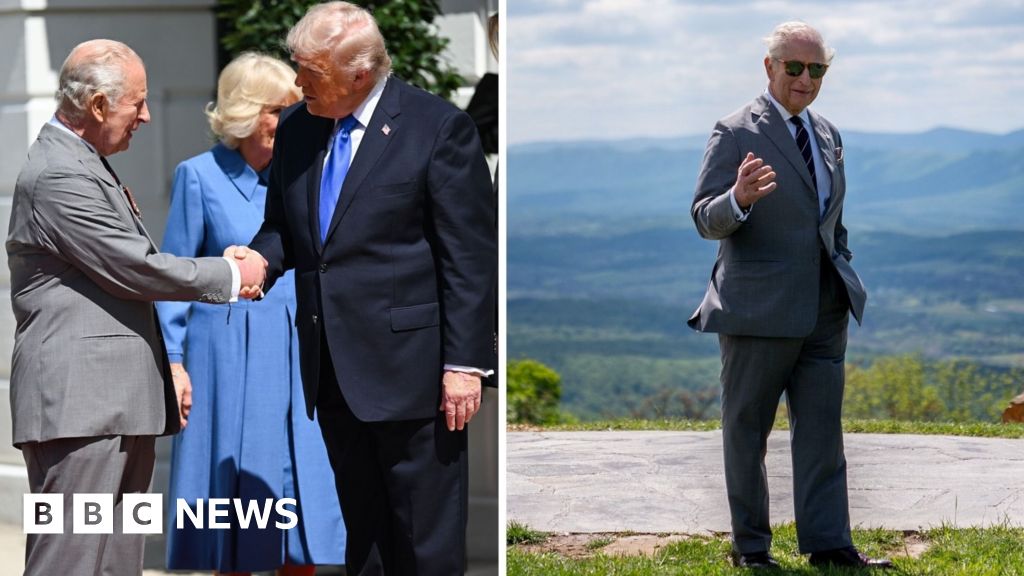
King Charles Jokes About French Language at White House State Dinner as US Visit Ends

Burnham's Plan to Return to Westminster Within Weeks Intensifies Labour Leadership Race
