Trump Pauses ‘Project Freedom’ in Strait of Hormuz as Peace Talks Loom
The US president halts efforts to guide stranded ships through the waterway for a ‘short period’ to finalize a deal with Iran, while the blockade of Iranian ports remains in force.
UNITED KINGDOM —
Key facts
- Donald Trump announced a pause of ‘Project Freedom’, the US operation to guide vessels through the Strait of Hormuz.
- The pause is intended to give space for US efforts to finalize a settlement with Iran to end the war.
- Trump cited a request from Pakistan and other countries, military success, and progress toward a final agreement with Iran.
- Iran has not officially commented on the pause or the ongoing talks.
- US Defense Secretary Pete Hegseth said a ceasefire with Iran remains in place despite tensions.
- US Secretary of State Marco Rubio stated the initial major US military operation against Iran has concluded.
- Rubio said for peace, Iran must agree to Trump’s demands on its nuclear program and reopen the Strait of Hormuz.
- Only two merchant ships have passed through the US-guarded route; hundreds of vessels with up to 23,000 crew remain stranded.
Abrupt Reversal in the Gulf
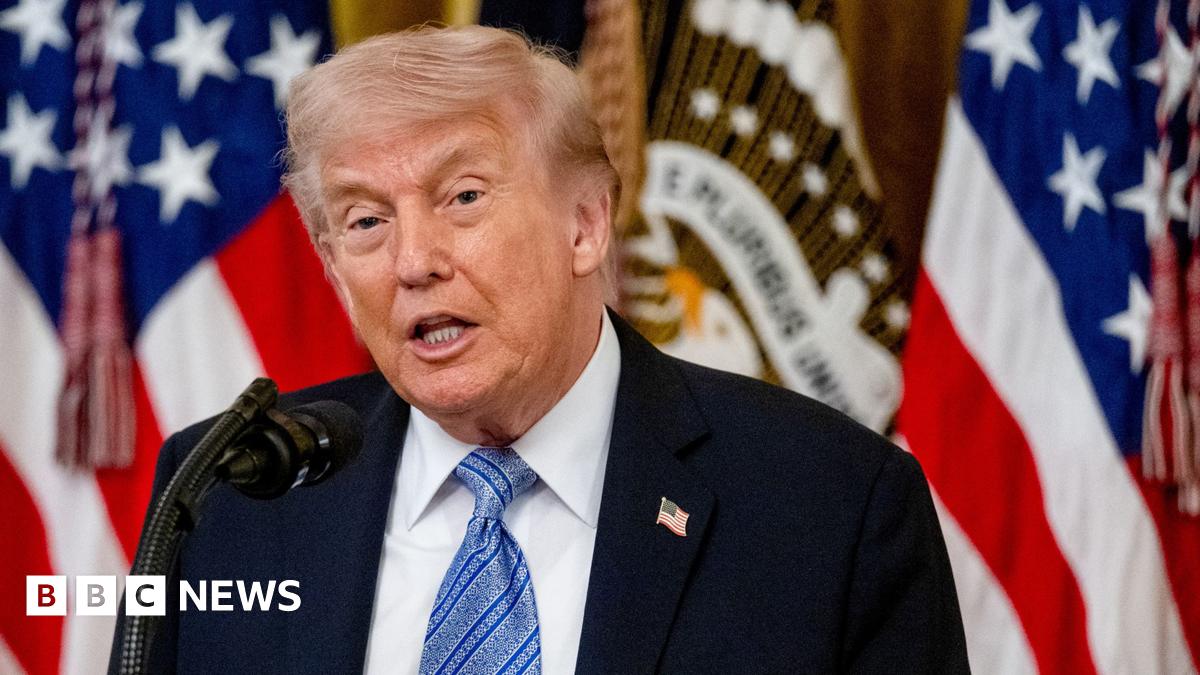
President Donald Trump announced on Tuesday that he is pausing ‘Project Freedom’, the US-led effort to guide stranded commercial vessels through the Strait of Hormuz, in order to give diplomacy a chance. The decision, posted on social media, comes just two days after the operation was launched and marks a sudden shift in the administration’s approach to the crisis. Trump said the pause would last for ‘a short period’ to allow space for US efforts to finalize a comprehensive agreement with Iran to end the war. He cited a request from Pakistan and other countries, the ‘tremendous Military Success’ of the campaign against Iran, and ‘great progress’ toward a final deal as reasons for the move. Iran has not yet commented.
Project Freedom: A Short-Lived Operation
Project Freedom was initiated on Monday with the aim of clearing a path through the Strait of Hormuz, which Iran has effectively closed since the outbreak of hostilities. The waterway is a critical chokepoint for global oil and gas supplies, as well as fertiliser and other petroleum products. Before the war, a significant portion of the world’s energy trade passed through the strait. Despite the fanfare, only two merchant ships are known to have successfully transited under US protection. Hundreds more remain bottled up in the Persian Gulf, carrying up to 23,000 crew members. The Pentagon had earlier estimated that 1,550 vessels with 22,500 mariners were stranded, while the shipping association BIMCO put the number at about 1,000 ships with 20,000 seafarers.
Humanitarian Crisis at Sea
Jakob Larsen, chief safety and security officer for BIMCO, told the BBC that the situation for stranded seafarers is dire. ‘We didn't see a whole lot of ships move out during Project Freedom, so as far as we are concerned the situation is largely unchanged,’ he said. Seafarers are ‘very worried’ as they are trapped in the Gulf ‘with no prospects really for getting out safely’. Larsen noted that while ships have provisions and can generate fresh water, the crews urgently want the situation resolved. The prolonged stranding raises concerns about mental health, medical emergencies, and the potential for accidents in a congested waterway.
Conflicting Signals from Washington
Trump’s announcement appeared to contradict statements made just hours earlier by senior administration officials. At a Pentagon news conference, Defense Secretary Pete Hegseth said the US had successfully secured a path through the waterway and that hundreds of commercial ships were lining up to pass. ‘We know the Iranians are embarrassed by this fact. They said they control the strait. They do not,’ Hegseth asserted. Secretary of State Marco Rubio later told a White House press briefing that the US was working to get ships through the strait as a ‘favour to the world … because we're the only ones that can’. As Rubio was speaking, a cargo vessel in the strait reported being struck by an unknown projectile, underscoring the volatility of the situation.
Rubio’s Conditions for Peace
Rubio outlined the US terms for a lasting settlement: Iran must agree to Trump’s demands on its nuclear program and reopen the Strait of Hormuz. He expressed hope that during Iranian Foreign Minister Abbas Araghchi’s visit to China on Wednesday, Beijing would reiterate to Tehran the need to release its chokehold on the strait. ‘It is in China's interest that Iran stop closing the strait,’ Rubio said. Despite the pause in Project Freedom, Trump made clear that the US blockade of Iranian ports remains in place. The dual approach — maintaining economic pressure while pausing the naval escort operation — suggests the administration is trying to keep leverage as negotiations proceed.
Global Economic Fallout
Iran’s effective closure of the Strait of Hormuz has sent fuel prices skyrocketing and rattled the global economy. The waterway is a vital artery for oil and gas shipments, and its disruption has ripple effects across energy markets, supply chains, and food security. Breaking Iran’s grip would deny its main source of leverage as Trump demands a major rollback of its nuclear program. The pause in Project Freedom means that, for now, the strait remains effectively closed to most commercial traffic. The international community watches anxiously as the US and Iran appear to edge toward a diplomatic resolution, but the humanitarian and economic costs continue to mount.
Uncertain Path Forward
The coming days will be critical. Iran has yet to respond officially to Trump’s overture, and the success of the pause hinges on whether meaningful negotiations can produce a breakthrough. Rubio insisted that the initial major US military operation against Iran is over, saying, ‘The operation is over. Epic Fury – as the president notified Congress – we're done with that stage of it.’ However, the underlying tensions remain high. strike on a cargo vessel during Rubio’s press conference serves as a reminder that the situation could escalate again at any moment. For now, the world’s attention is fixed on the Strait of Hormuz, where the fate of thousands of seafarers and the stability of global energy markets hang in the balance.
The bottom line
- Trump paused the US naval escort operation ‘Project Freedom’ to pursue a diplomatic deal with Iran, but the blockade of Iranian ports remains.
- Only two merchant ships have been guided through the strait; hundreds of vessels with up to 23,000 crew remain stranded.
- Iran has not commented on the pause or the talks, and its closure of the strait continues to disrupt global energy markets.
- US officials, including Hegseth and Rubio, gave conflicting signals about the status of the operation and the ceasefire.
- Rubio linked a final peace deal to Iran’s nuclear concessions and reopening of the strait, and called on China to pressure Tehran.
- The humanitarian situation for stranded seafarers is critical, with no immediate prospects for safe passage.


13,000 Flights Cut in May as Jet Fuel Crisis Threatens Summer Travel

Zelenskyy Offers Open-Ended Truce as Putin Demands Two-Day Ceasefire for Victory Day
Trump Threatens to 'Blow Iran Off the Face of the Earth' as US Escalates Strait of Hormuz Operation