Hantavirus Outbreak on MV Hondius: Passengers Dispersed Before Contact Tracing
Concerns mount as 23 passengers who disembarked on Saint Helena were not contacted for over two weeks.
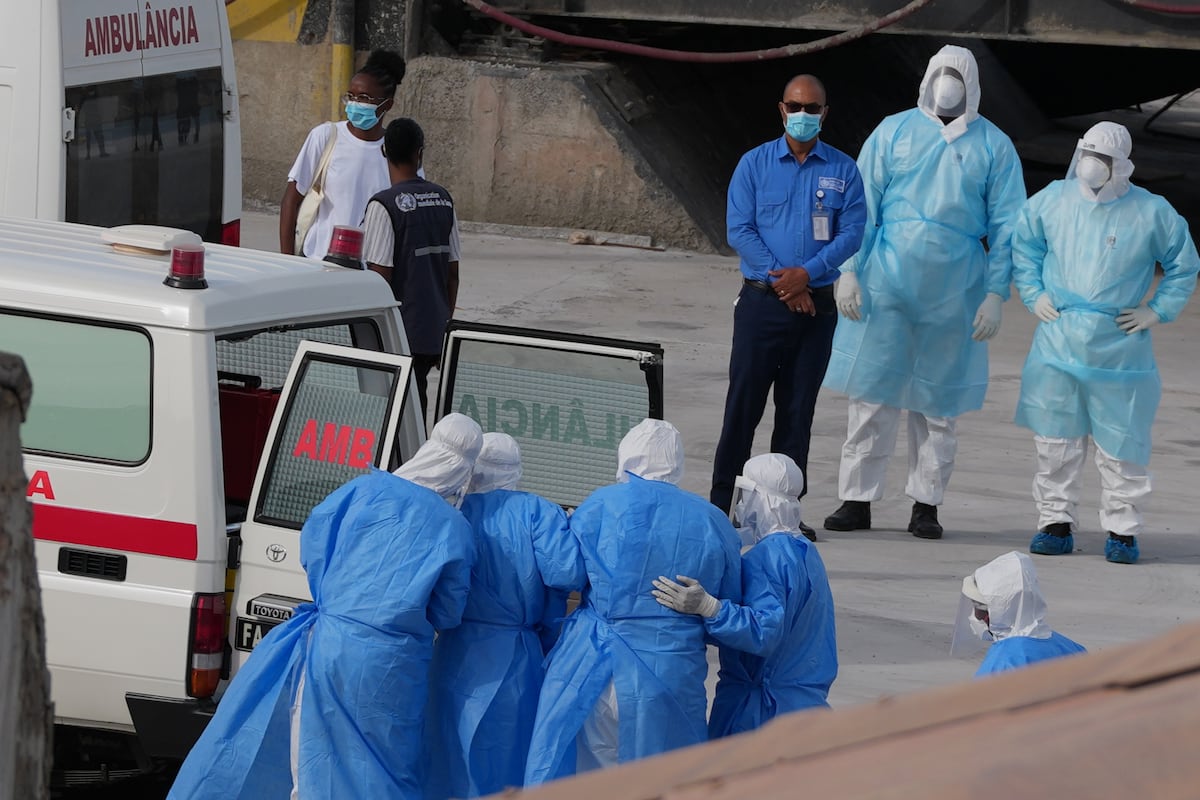
GHANA —
Key facts
- MV Hondius cruise ship experienced a hantavirus outbreak.
- Eight cases of hantavirus, three confirmed, have been identified.
- Three individuals have died due to the virus.
- One patient is in intensive care in Johannesburg, South Africa.
- Another patient is hospitalized in Switzerland.
- The outbreak is caused by the Andes virus (ANDV), which can spread person-to-person.
- Twenty-three passengers disembarked on Saint Helena on April 21.
- Health authorities only began contacting these 23 passengers on Tuesday.
Passengers Dispersed Amidst Unfolding Health Crisis
Concerns are escalating over the handling of a hantavirus outbreak aboard the MV Hondius, as a significant number of passengers were allowed to return home before health authorities initiated contact tracing. Twenty-three individuals who disembarked the vessel on the island of Saint Helena on April 21, ten days after the first recorded death on board, were not contacted by health officials until three days ago. This delay means these passengers have been traveling and potentially interacting with others for over two weeks since leaving the ship. A Spanish passenger still aboard the MV Hondius expressed frustration, stating that "no one had contacted them" until very recently. This passenger detailed how individuals from various countries, including Australia, Taiwan, the United States, the United Kingdom, and the Netherlands, had already begun their journeys home.
Andes Virus Confirmed as Source of Outbreak
The World Health Organization confirmed on Wednesday that the hantavirus outbreak on the MV Hondius is caused by the Andes virus (ANDV). This specific strain is notable as it is the only known hantavirus variant capable of spreading from person to person. Transmission of the Andes virus is believed to occur through close, prolonged contact involving bodily fluids. This characteristic raises particular concern given the potential for widespread dissemination among individuals who were on board the ship. Globally, hantaviruses represent a diverse family, with at least 38 recognized species, 24 of which are known to cause illness in humans. The identification of ANDV as the culprit in this incident underscores the specific risks associated with this particular strain.
Aboard the Ship: Initial Death Ruled Natural Causes
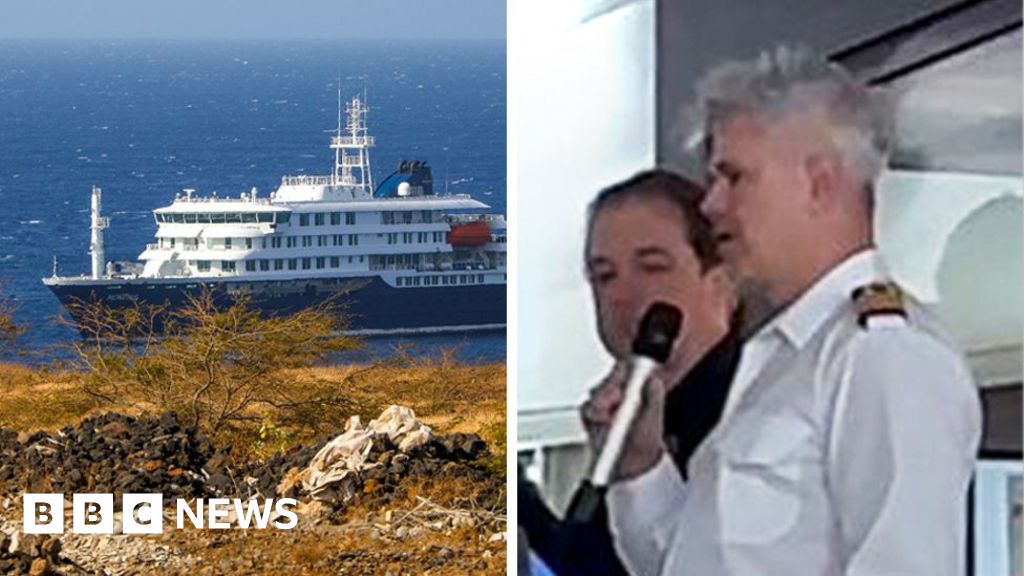
On April 12, the captain of the MV Hondius informed passengers that a man who had died on board had succumbed to "natural causes." A video filmed by a passenger shows the captain relaying that a doctor had determined the deceased individual was "not infectious." At the time of the first death on April 11, the cruise ship operator, Oceanwide Expeditions, stated that the cause was unknown and there was no evidence of a virus or contagion. The company maintained that proper procedures were followed in informing all guests and crew. However, the subsequent identification of multiple hantavirus cases, including three confirmed and five suspected, has cast doubt on the initial assessment and the adequacy of immediate safety precautions taken.
Passengers Hospitalized and One in Intensive Care
The hantavirus outbreak has resulted in a total of eight cases, with three confirmed infections. Tragically, three individuals have lost their lives due to the virus. Further complicating the situation, one patient remains in intensive care in Johannesburg, South Africa, while another is currently hospitalized in Switzerland. The confirmed case in Switzerland is reportedly an individual who had disembarked on Saint Helena and subsequently fell ill. The passenger who spoke anonymously to EL PAÍS confirmed the positive test result for the individual hospitalized in Switzerland, stating, "He wasn’t feeling well, went to the hospital, and this morning tested positive."
Global Reach: Passengers from 23 Countries
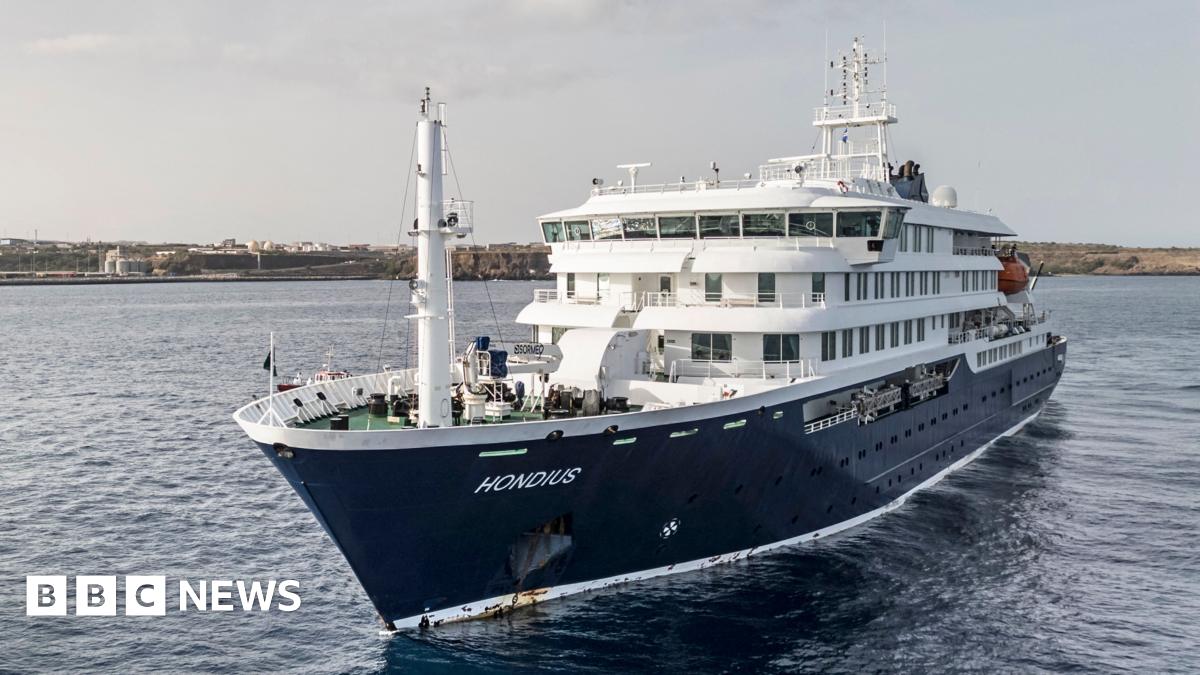
Approximately 150 people from 23 different countries were on board the MV Hondius when the outbreak occurred. The ship was located near Cape Verde, off the west coast of Africa. The 23 passengers who disembarked on Saint Helena on April 21 represent a diverse group, with individuals returning to destinations across continents. This global dispersal of passengers before the extent of the outbreak was understood presents a significant public health challenge. Oceanwide Expeditions has stated that the safety and well-being of all passengers and crew is their utmost priority. The company reiterated that health and safety, and maritime standards regarding the proper management and reporting of a death at sea, were strictly followed.
Delayed Response Raises Public Health Questions
The World Health Organization's delayed contact with the 23 passengers who disembarked on Saint Helena raises critical questions about the timeliness and effectiveness of the response to the hantavirus outbreak. not being contacted until yesterday, indicating a significant lag between their disembarkation and the initiation of crucial public health measures. This delay could have allowed infected individuals to travel further and potentially expose more people. The situation highlights the complex challenges of managing infectious disease outbreaks on cruise ships, particularly when passengers are dispersed globally before a full understanding of the health risks emerges.
The Stakes of Person-to-Person Transmission
The identification of the Andes virus (ANDV) as the cause of the outbreak on the MV Hondius elevates the concern beyond typical rodent-borne hantavirus infections. The capacity for person-to-person transmission means that close contact among passengers and crew could have facilitated the spread. This characteristic of ANDV necessitates stringent isolation and contact tracing protocols to prevent further dissemination. The fact that some passengers had already returned to their home countries before being contacted underscores the potential for international spread. As health authorities work to trace and monitor the affected passengers, the focus remains on containing the virus and preventing additional cases, a task made more complex by the initial delays in communication and response.
The bottom line
- A hantavirus outbreak caused by the person-to-person transmissible Andes virus (ANDV) occurred on the MV Hondius.
- Three deaths have been confirmed, with multiple individuals hospitalized.
- Twenty-three passengers who disembarked on April 21 were not contacted by health authorities until over two weeks later.
- The delay in contact tracing raises concerns about potential further spread of the virus.
- The ship operator stated that initial death was ruled natural causes and no contagion was suspected at the time.
- The WHO confirmed the outbreak is caused by the Andes virus, which is known to spread between people.




Hantavirus Outbreak on Cruise Ship Sparks International Concern
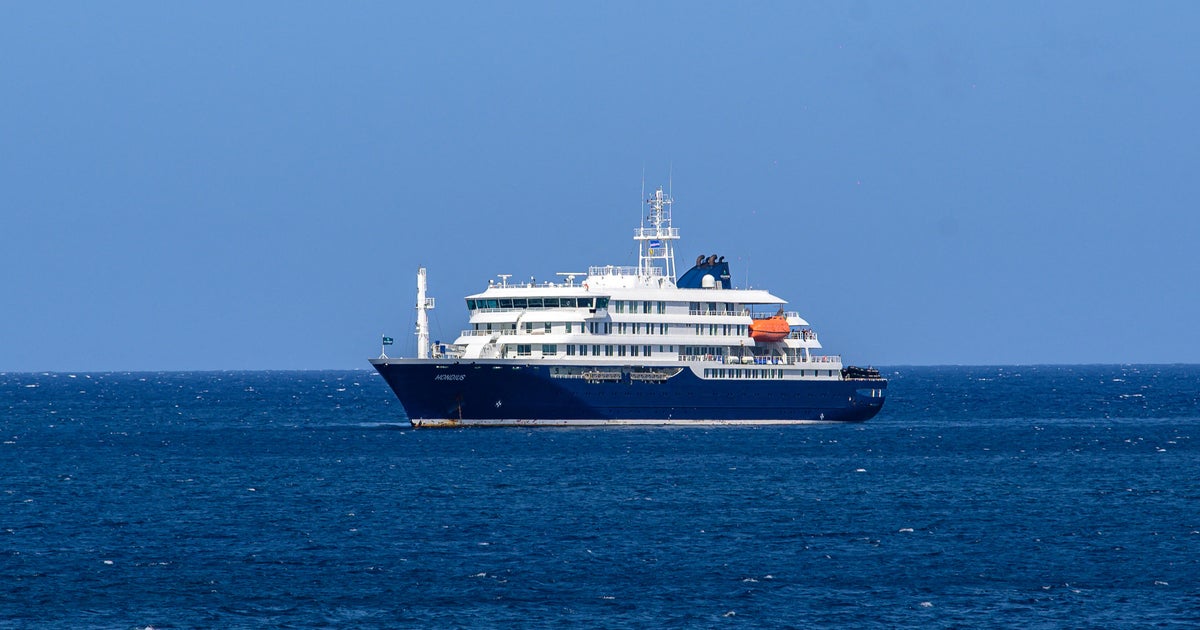
Three Dead in Suspected Hantavirus Outbreak on Atlantic Cruise Ship Off Cape Verde
Evacuations Planned as Suspected Hantavirus Outbreak Traps 150 on Cruise Ship off Cape Verde