Tornadic Storms and Flooding Threaten Across Midwest and Plains
details devastating storm activity, encompassing deadly tornado outbreaks, flash floods, and major tropical systems affecting the American heartland.

GHANA —
Key facts
- Tornadoes devastated northern Texas, leading to at least two deaths and multiple destroyed homes.
- A severe weather outbreak across the Midwest resulted in at least one fatality, with millions more receiving warnings.
- Mississippi experienced tornado activity that damaged 400 homes and injured several individuals.
- The storm system threatened devastating tornado and flash flood risks across the American Plains for a full weekend.
- Super Typhoon Sinlaku pounded remote U.S. islands in the Pacific Ocean with extremely ferocious winds.
- Severe weather advisories and watches are actively issued by government bodies, notably the National Oceanic and Atmospheric Administration.
Devastating Storm Activity Marks American Heartland
Tornadoes, flash floods, and violent wind gusts have swept across the American Midwest and Plains, leaving communities damaged and lives tragically lost. detail multiple severe weather events, ranging from intense tornado outbreaks to powerful tropical typhoons, demonstrating the volatile and widespread nature of current atmospheric threats. Across the northern Texas region, severe damage from tornadoes was documented, resulting in at least two deaths and the destruction of numerous homes. Meanwhile, in Mississippi, another tornado event tore through communities, damaging 400 homes and injuring several people. The severity of the outbreaks was underscored by the total scale of the threat, which placed millions of people under severe weather warnings, alongside at least one fatality across the broader Midwest.
Tropical Threats and Coastal Impacts
While the inland regions grapple with mesoscale severe storms, the Pacific Ocean sees the passage of colossal systems. Super Typhoon Sinlaku has intensified its impact on remote U.S. islands, striking with ferocious winds that characterize the massive storm. The focus of severe threat extends to the whole American coastline, where tropical and severe weather systems continually pose risks. These warnings mandate preparation for the confluence of violent wind, heavy rain, and potential storm surges.
The Mechanism of Warnings and Forecasting
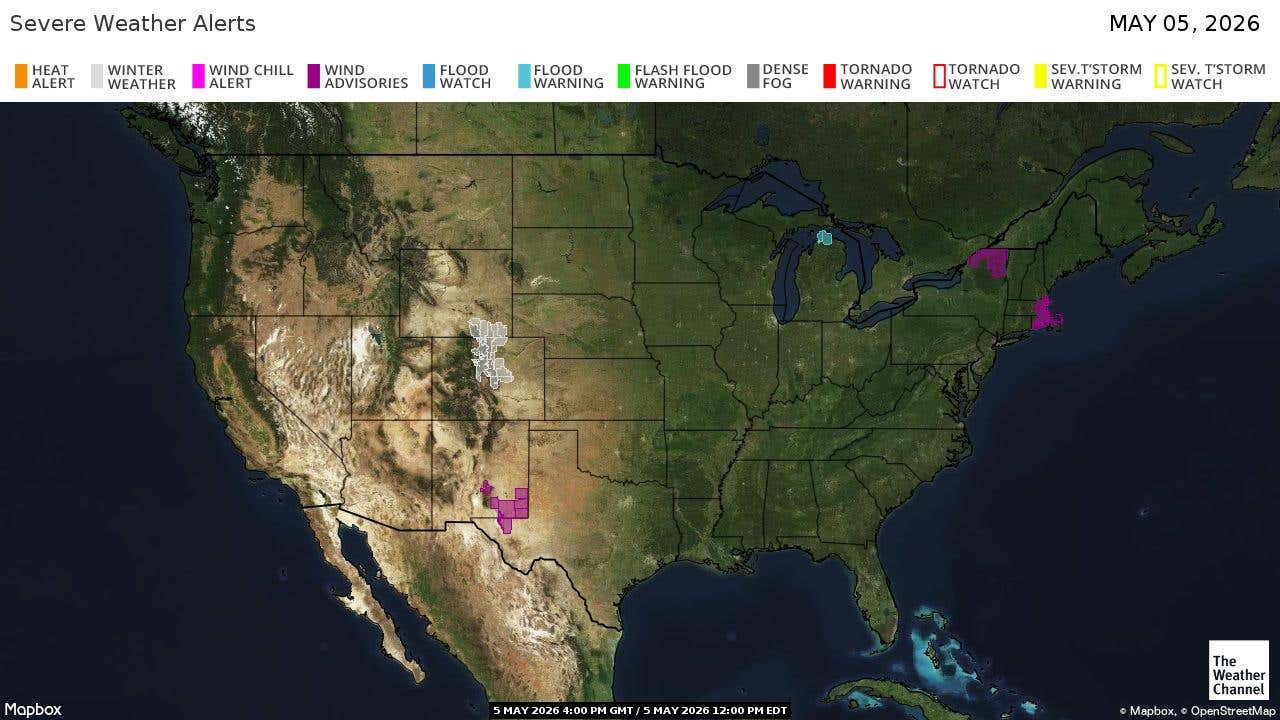
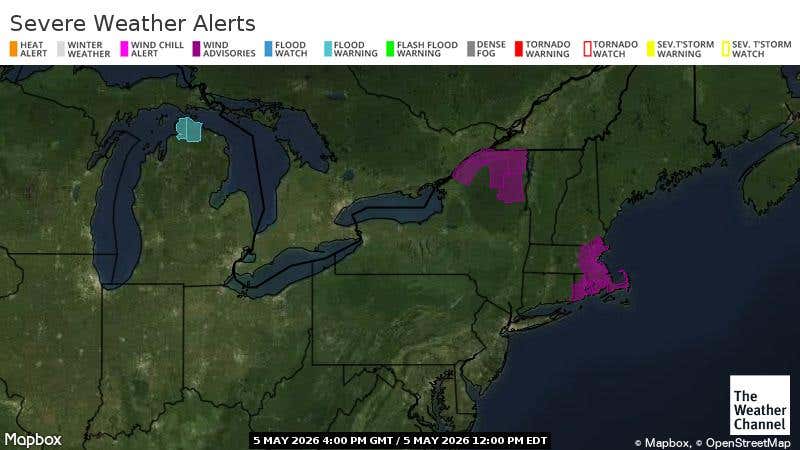
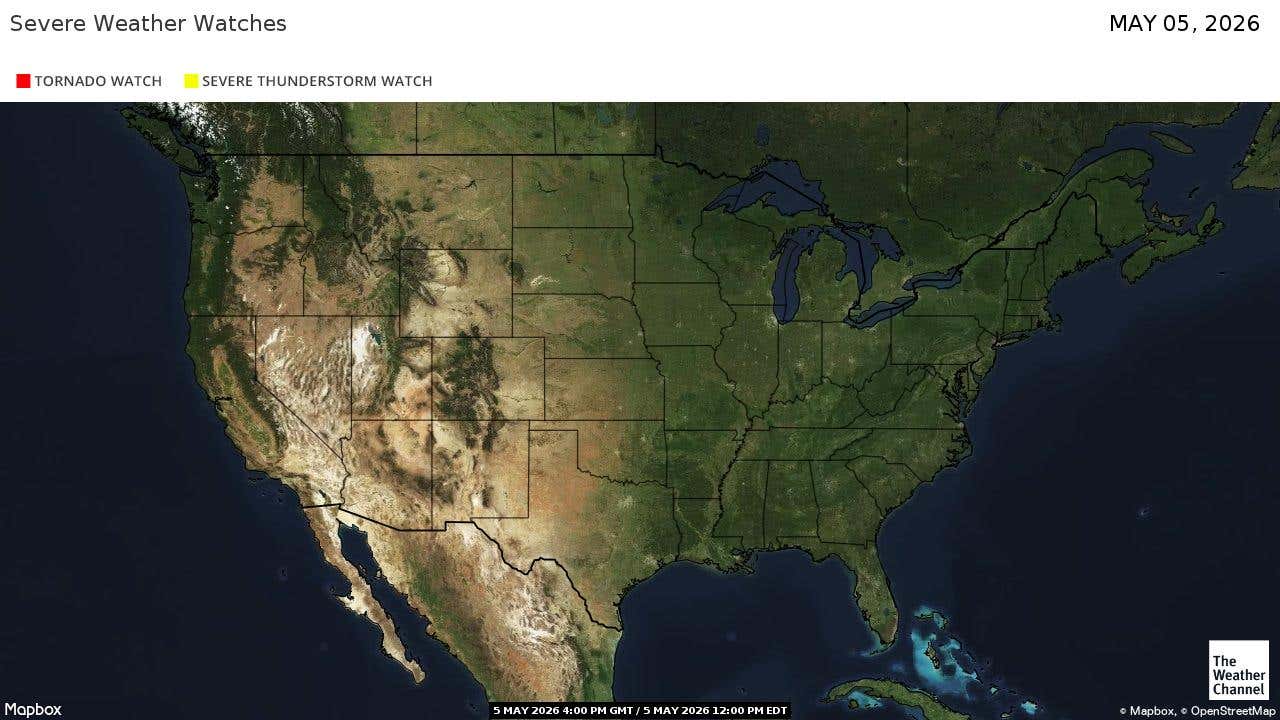
Forecasting dangerous weather is a complex undertaking, requiring constant vigilance and the coordination of specialized federal agencies. Official bodies, including the U.S. Department of Commerce's National Oceanic and Atmospheric Administration, manage the issuing of watches and warnings across vast geographical areas. These government-derived advisories serve as the primary guide for public preparation. The severity of the hazard is conveyed through tools like comprehensive severe weather maps, which offer a bird's eye view of all areas facing severe conditions, ensuring residents can proactively prepare for what lies ahead.
Regional Failures and Critical Infrastructural Concerns
The aftermath of powerful storms frequently exposes vulnerabilities in infrastructure and public safety systems. In some instances, the data streams crucial for meteorology have drawn scrutiny. Concerns were raised regarding the integrity of data gathered from NWS weather balloons as the Midwest grappled with the fallout of powerful storms. Furthermore, the extreme nature of these events has caused significant disruptions, as evidenced by floodwaters trapping drivers across parts of Wisconsin, even as communities nationwide begin the arduous process of rebuilding.
Maintaining Vigilance Across Weather Threats
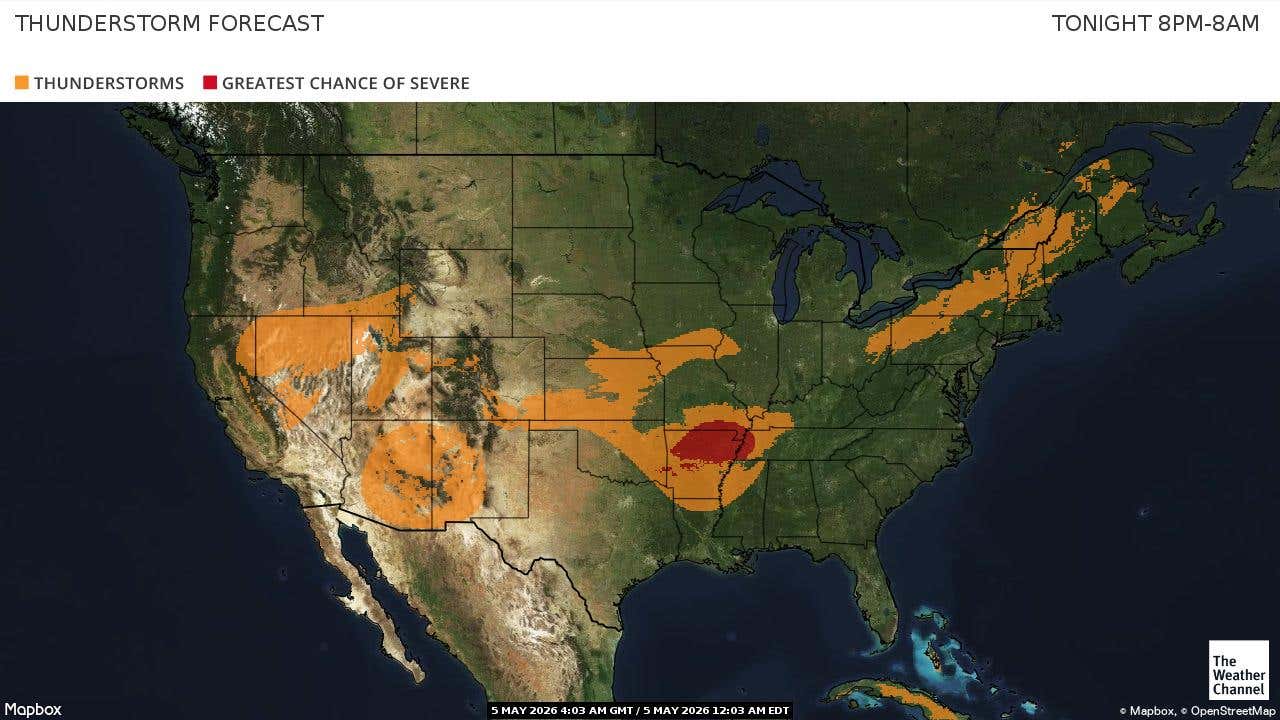
The persistent threat of severe weather demands that populations remain aware of localized and regional advisories. Forecasting services provide continuous updates, charting the likelihood of thunderstorms or severe thunderstorms in the coming 12 hours, alongside broader forecasts for days ahead. Citizens are advised to follow closely the latest warnings, understanding that the risks span from powerful tornado outbreaks to ongoing flash flood potential, requiring immediate and localized attention.
The Enduring Risk of Severe Storms
The sheer scope of the threat leaves no corner of the American interior untouched by peril. From the plains experiencing the risks of devastating tornado and flash flood events, to the remote Pacific islands battling typhoons, the warning signs remain loud and persistent. These outbreaks underscore a critical pattern: the American interior remains highly susceptible to extreme meteorological shifts, necessitating advanced public readiness measures.
The bottom line
- Severe outbreaks in the Midwest are confirmed by fatalities and significant damage, from Mississippi's 400 damaged homes to northern Texas losses.
- Official tracking of severe weather is managed by agencies such as the NOAA/NWS, using government-derived severe weather maps to guide preparation.
- The risk profile is two-fold: high-intensity inland storms (tornadoes, flash floods) and massive Pacific systems like Super Typhoon Sinlaku.
- Disruptions, including flash flood-related trapping of drivers in Wisconsin, emphasize the operational challenges during major weather emergencies.


Ghana Urges African Union Action Amid Rising Xenophobia Claims
US Air Force Tanker Declares Emergency Over Persian Gulf

South Africa's Top Court Revives Impeachment Bid Against President Ramaphosa