Hantavirus Outbreak on Polar Cruise Ship Kills Three, Leaves British Man Critical
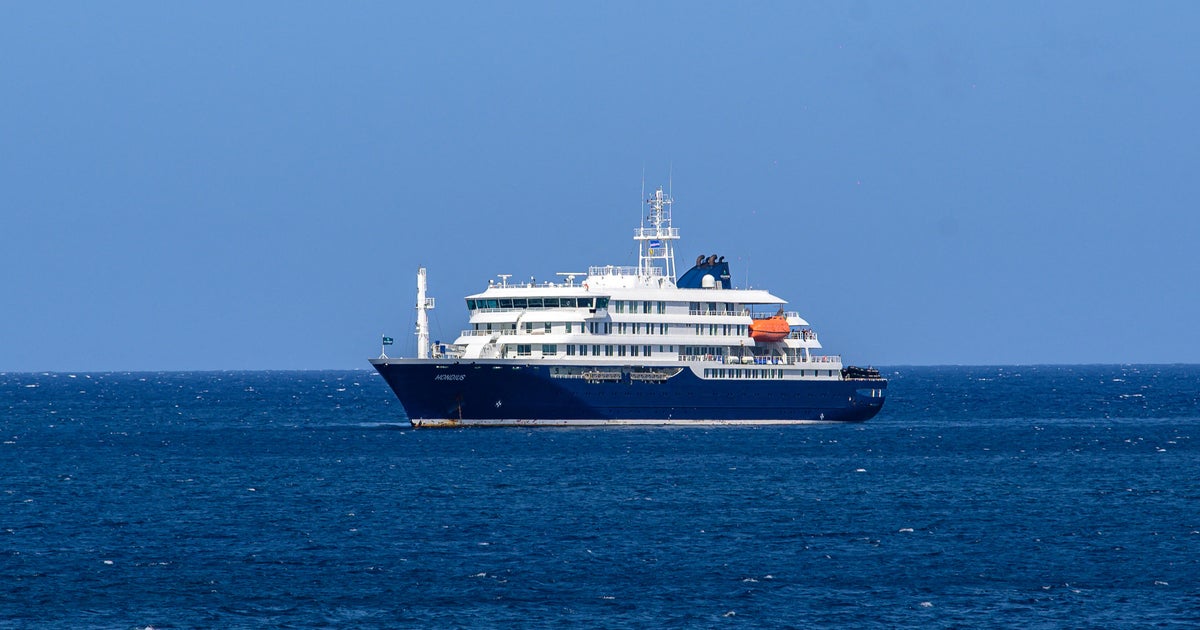
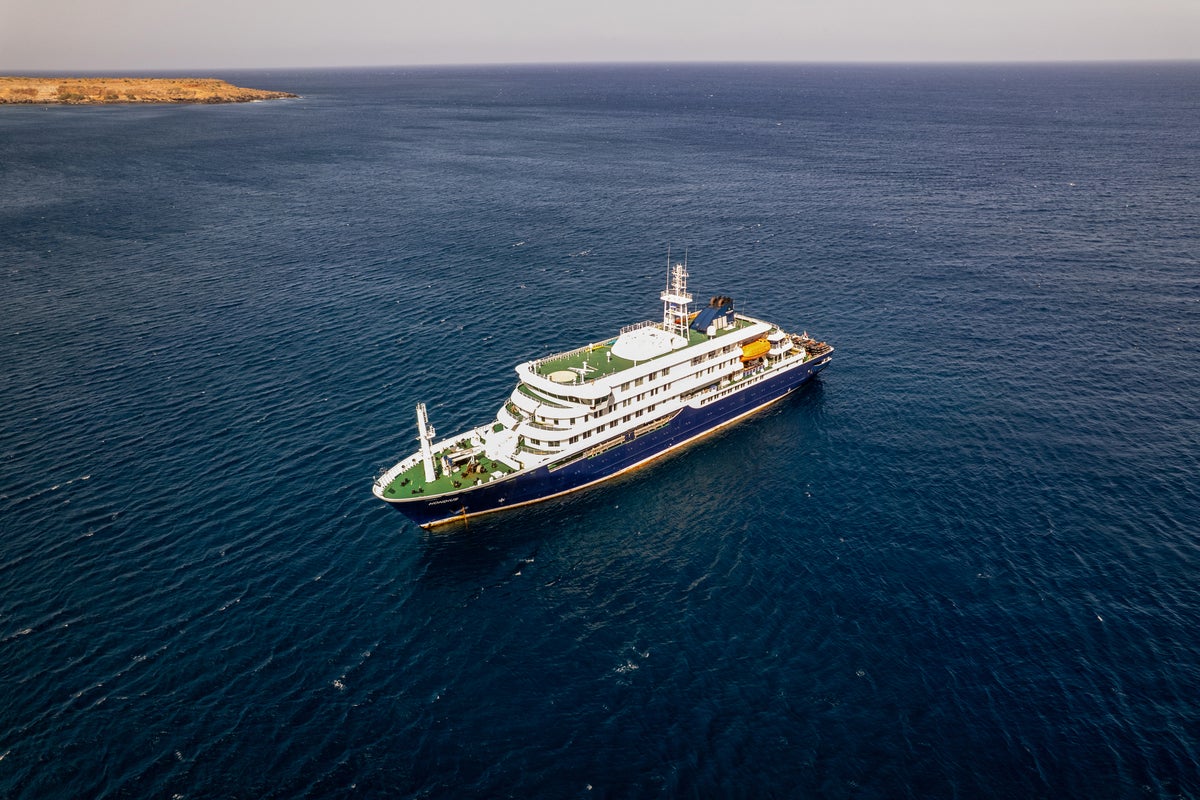
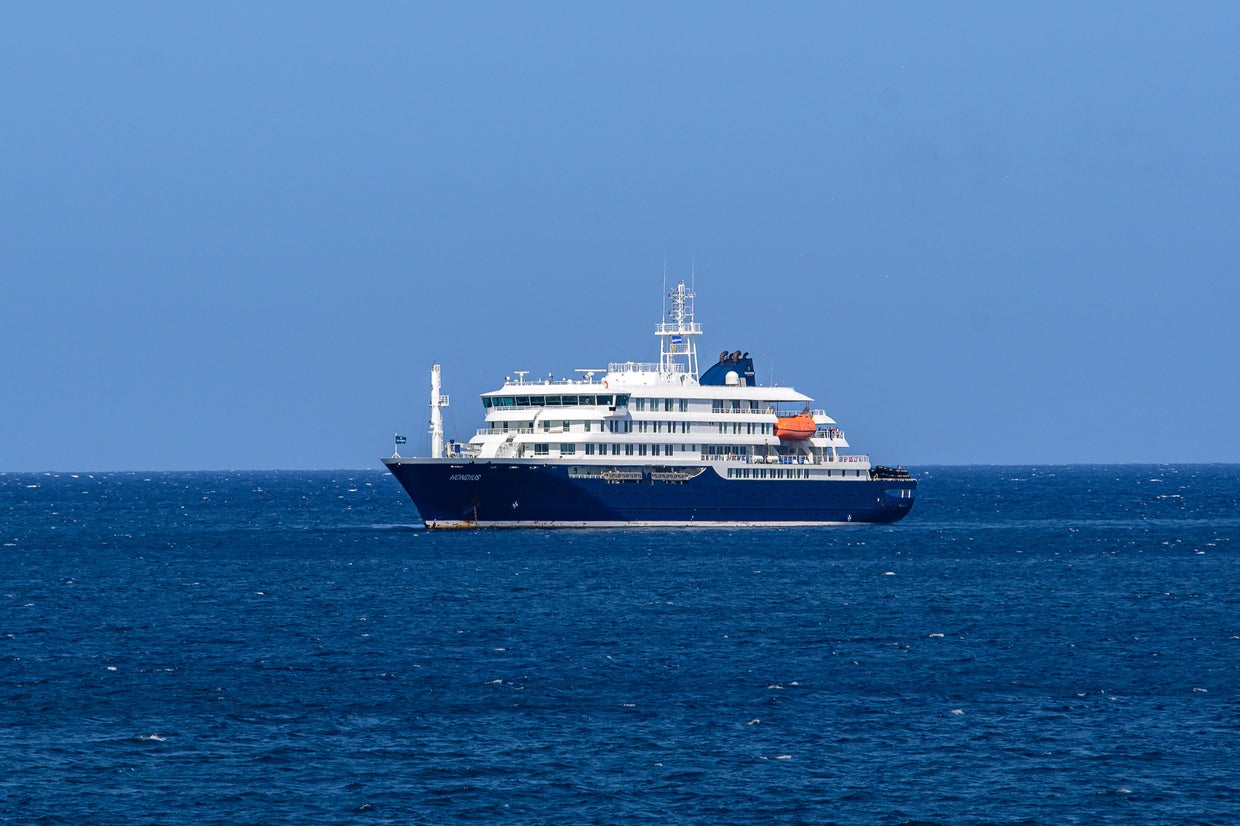
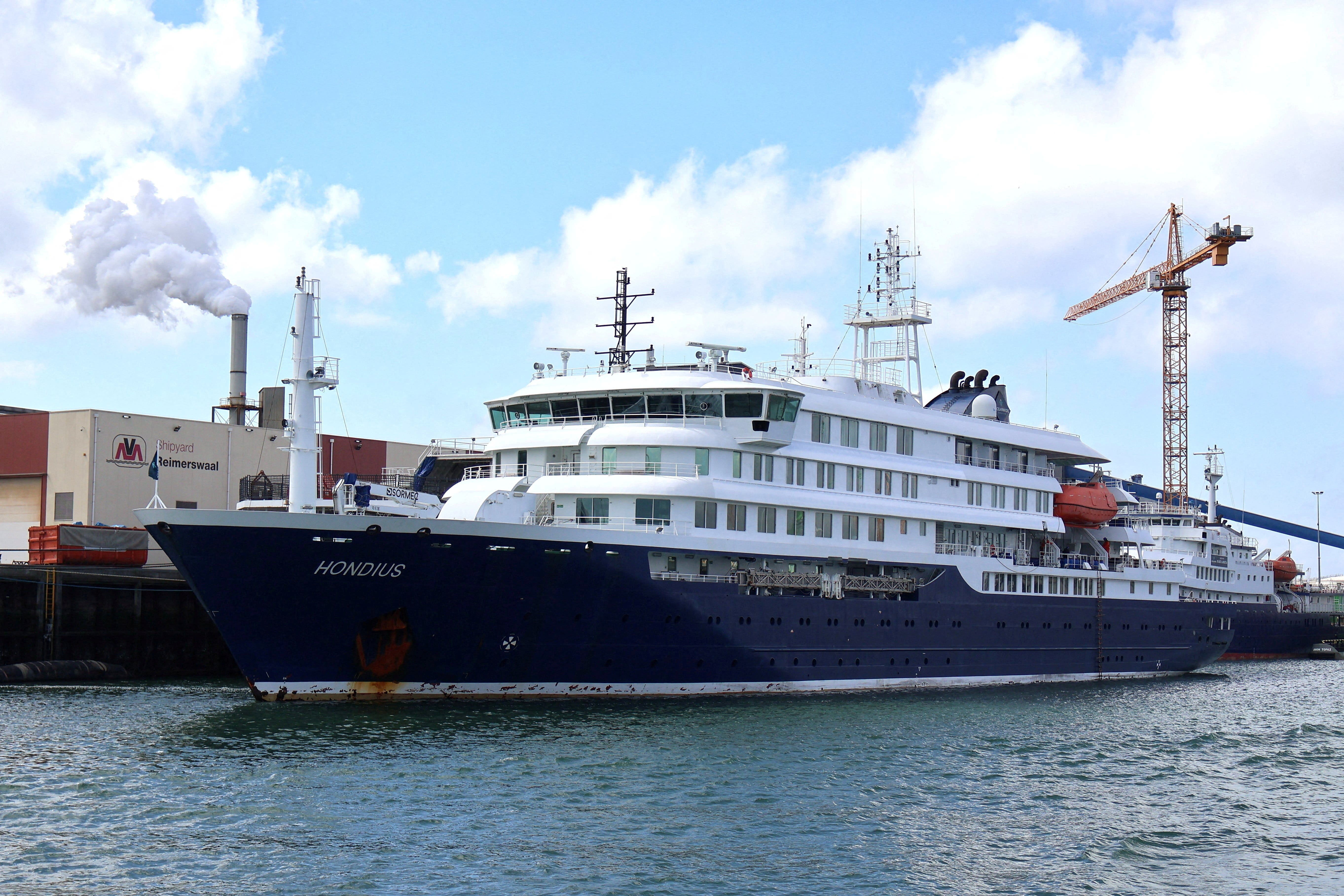
The MV Hondius, with 150 passengers aboard, is stranded off Cape Verde as authorities coordinate medical evacuations amid a rare rodent-borne virus outbreak.
IRELAND —
Key facts
- Three people have died, including a Dutch couple aged 70 and 69, and a third unidentified person.
- A British national, 69, is in intensive care in Johannesburg after testing positive for hantavirus.
- The MV Hondius, operated by Oceanwide Expeditions, departed Ushuaia, Argentina on March 20 and was due in Cape Verde on May 4.
- At least five other cases are suspected but not confirmed.
- The ship is currently off Cape Verde; local authorities have not allowed disembarkation.
- Dutch authorities are leading efforts to repatriate two symptomatic crew members from the ship.
- WHO stated the risk to the wider public remains low and no travel restrictions are needed.
A Deadly Voyage: The Outbreak Unfolds
A suspected hantavirus outbreak on the polar cruise ship MV Hondius has killed three people and left at least five others ill, according to the World Health Organization and South Africa's Department of Health. The vessel, carrying around 150 tourists and about 70 crew members, is now stranded off the coast of Cape Verde, an island nation off West Africa, after a weekslong journey from Argentina that included stops in Antarctica, the Falkland Islands, and remote Atlantic outposts. The first victim, a 70-year-old Dutch man, developed fever, headache, abdominal pain, and diarrhea and died aboard the ship near Saint Helena, a British territory in the South Atlantic. His body was removed there and awaits repatriation. His 69-year-old wife was evacuated to South Africa but collapsed at Johannesburg's airport and died at a nearby hospital.
The Second Victim and a Critical Patient
The ship then sailed to Ascension Island, another isolated British territory about 800 miles north of Saint Helena, where a 69-year-old British man was taken off the vessel. He later tested positive for hantavirus and is now in intensive care in a Johannesburg hospital, kept in isolation, authorities said. South Africa's health ministry described his condition as critical. The third fatality has not been publicly identified, but the cruise operator confirmed the body remains on the ship. WHO said the other five cases are suspected to be hantavirus but have not been confirmed through laboratory tests.
Stranded at Sea: The Ship's Plight
The MV Hondius, operated by the Netherlands-based company Oceanwide Expeditions, is currently sitting off Cape Verde. Local health officials said the situation is under control and there is no risk to people on land, but they have not allowed the vessel to dock at the port of Praia, the capital. The company stated that two sick crew members require urgent medical care and that local authorities are assisting. The Dutch foreign ministry told AFP it is "busy looking at the possibilities to medically evacuate a few people from the ship." A spokesperson added, "If this can take place, the ministry of foreign affairs will coordinate it." Oceanwide Expeditions said Dutch authorities have agreed to lead a joint effort to repatriate the two symptomatic individuals from Cape Verde to the Netherlands.
Timeline and Numbers: Tracing the Outbreak
The MV Hondius departed Ushuaia, Argentina, around March 20 for a polar cruise that included Antarctica, the Falkland Islands, and other stops, ultimately heading to Spain's Canary Islands. The ship left Ascension Island on April 27 and arrived off Cape Verde around May 4. MarineTraffic data showed the vessel docked in Praia on Sunday night. The first death occurred near Saint Helena, some 1,200 miles off the African coast. The British patient fell ill near Ascension Island, about 800 miles north of Saint Helena, and was transferred from there to South Africa. South Africa's National Institute for Communicable Diseases is conducting contact tracing in the Johannesburg region to identify other potential exposures.
Hantavirus: A Rare but Deadly Threat
Hantaviruses are a family of viruses found throughout the world, spread mainly through contact with the urine or feces of infected rodents like rats and mice. They gained attention after the late actor Gene Hackman's wife, Betsy Arakawa, died from hantavirus infection in New Mexico last year. Hackman died around a week later from heart disease. The viruses cause two serious syndromes, according to the U.S. Centers for Disease Control and Prevention: hantavirus pulmonary syndrome, which affects the lungs, and hemorrhagic fever with renal syndrome, which affects the kidneys. While rare, WHO said hantavirus infections can be spread between people. There is no specific treatment or cure, but early medical attention can increase the chance of survival.
Global Response and Next Steps
WHO's regional director for Europe, Dr. Hans Henri P. Kluge, said Monday, "The risk to the wider public remains low. There is no need for panic or travel restrictions." The organization is supporting the public health event, with detailed investigations ongoing, including further laboratory testing, epidemiological investigations, and sequencing of the virus. Medical care and support are being provided to passengers and crew. South Africa's Department of Health confirmed that one patient is in intensive care in a South African hospital, and WHO is working with authorities to evacuate two others with symptoms from the ship. The Dutch foreign ministry is coordinating medical evacuations. Cape Verde health officials said the situation is under control and there is no risk to people on land, but the vessel remains unable to dock.
Unanswered Questions and Lingering Concerns
It remains unclear when the third victim died, and the identity has not been released. The source of the outbreak on the ship has not been determined, and investigations are ongoing. The ship's itinerary included remote islands and Antarctica, where rodent exposure is possible but unusual. The fact that two crew members are among the sick raises questions about onboard hygiene and containment measures. As the MV Hondius waits off Cape Verde, the international response underscores the challenges of managing a rare infectious disease outbreak in a remote maritime setting. The coming days will be critical as medical evacuations proceed and laboratory results confirm the extent of the outbreak.
The bottom line
- Three people have died and at least five others are ill in a suspected hantavirus outbreak on the MV Hondius cruise ship.
- The ship, with 150 passengers and 70 crew, is stranded off Cape Verde as authorities coordinate medical evacuations.
- A British national is in critical condition in a Johannesburg hospital after testing positive for hantavirus.
- Hantavirus is a rare, rodent-borne disease with no specific cure; early medical care improves survival chances.
- WHO says the risk to the wider public remains low and no travel restrictions are needed.
- Dutch authorities are leading efforts to repatriate two symptomatic individuals from the ship.
.png?quality=75&auto=webp)
Hantavirus Outbreak on Polar Cruise Ship Kills Three, Sickens Five

LeBron James Leads Lakers Past Rockets, Setting Up Thunder Showdown

Colorectal cancer now top killer of under-50s as early-onset cases surge globally