Wall Street's fear gauge sinks below 20 as S&P 500 and Nasdaq hit record highs
The VIX spot fell 3.69% to 18.02, but futures for May and June remain elevated above 20, signaling persistent anxiety.

SOUTH KOREA —
Key facts
- VIX spot closed at 18.02 on Monday, down 3.69%.
- May VIX futures traded at 20.05, June at 21.10 on Cboe.
- S&P 500 and Nasdaq both closed at record highs on Monday.
- S&P 500 rose 0.12% to 7,173.93; Nasdaq added 0.20% to 24,887.10.
- VIX and S&P 500 have moved up together, a pattern seen only about 20% of the time.
- Near-the-money S&P 500 puts had implied volatility around 24-25%, calls about 21%.
- VIX finished the week up 1.25 points at 18.7 despite S&P 500's 4.7% year-to-date gain.
VIX drops but futures signal caution
Wall Street’s so-called fear gauge slipped back below 20 on Monday, even as the S&P 500 and Nasdaq Composite closed at fresh record highs. The Cboe Volatility Index, or VIX, fell 3.69% to 18.02, retreating from levels that had briefly pushed it above 20 last week. Yet the decline in the spot VIX masks a more cautious outlook in the futures market. May VIX futures settled at 20.05 on the Cboe, while June futures traded even higher at 21.10, both remaining above the spot price. This contango structure suggests traders are pricing in continued uncertainty in the weeks ahead, even as equities rally.
Record highs amid earnings and macro risks
The S&P 500 edged up 0.12% to 7,173.93, and the Nasdaq added 0.20% to close at 24,887.10, undeterred by a heavy calendar of megacap earnings, U.S. growth and inflation data, the Federal Reserve’s next rate decision, and developments in the Middle East. Futures were mixed as investors weighed capital-expenditure-heavy results from Meta and Microsoft, alongside upbeat reports from Alphabet and Amazon. “The market is just trying to deal with the rally that’s been going on and digest the latest all-time highs that we’ve made on the indices,” said Robert Pavlik, senior portfolio manager at Dakota Wealth. Together, the largest tech and growth names now account for about 44% of the S&P 500’s total market capitalization.
Unusual co-movement between VIX and S&P 500
A notable feature of the current market is that the VIX and the S&P 500 have been moving upward in tandem, a pattern that occurs only about 20% of the time, according to a 24/7 Wall St. analysis. Typically, the VIX falls when stocks rise, reflecting reduced fear. The simultaneous climb suggests that investors are bidding up equities while simultaneously hedging against potential downside. Saxo options strategist Koen Hoorelbeke noted that the VIX wrapped up Friday at 18.71, down about 2% on the session and 28% over the past month, even as the S&P 500 and SPY hit all-time highs. The index, which tracks anticipated short-term volatility based on S&P 500 options, has not yet signaled the classic “all-clear” that usually accompanies new equity highs.
Implied volatility skew shows put premium
Saxo pointed out that near-the-money S&P 500 puts were priced with implied volatility around 24% to 25%, compared to about 21% for similar calls. This skew indicates that options traders are paying a premium for protection against a decline, reflecting lingering anxiety beneath the surface of the rally. The VIX itself finished the week up 1.25 points at 18.7, even as the S&P 500 pushed to fresh record highs and notched a 4.7% gain for the year. The divergence between the spot index and futures, combined with the elevated put premium, suggests that while the immediate fear has ebbed, the market remains on edge.
Outlook: earnings and data deluge ahead
Investors now face a busy week of economic releases, including the Personal Consumption Expenditures price index, GDP data, and the Federal Reserve’s interest rate decision. Megacap earnings from Meta, Microsoft, Alphabet, and Amazon have already been digested, but their implications for capital spending and profit margins continue to influence sentiment. With the VIX futures curve in contango and implied volatility elevated for puts, the market appears to be pricing in the possibility of a volatility spike. The S&P 500’s record highs have not dispelled the caution that has kept the fear gauge from falling further, leaving traders to navigate a landscape where bullish and bearish signals coexist.
The bottom line
- VIX spot fell to 18.02, but futures for May and June remain above 20, indicating persistent hedging demand.
- S&P 500 and Nasdaq hit record highs despite earnings, macro data, and geopolitical risks.
- VIX and S&P 500 have risen together, an unusual pattern seen only 20% of the time.
- Implied volatility for S&P 500 puts (24-25%) is higher than for calls (21%), showing a bias toward protection.
- The VIX finished the week up 1.25 points at 18.7, even as equities rallied, reflecting underlying anxiety.
- Upcoming PCE, GDP, and Fed decision could determine whether the VIX breaks below 18 or spikes again.




Google Cloud Revenue Triples to $6.6 Billion, Now 18% of Alphabet's Business

리브스 복귀 22점에도 레이커스 패배…시리즈 3-2로 쫓겨
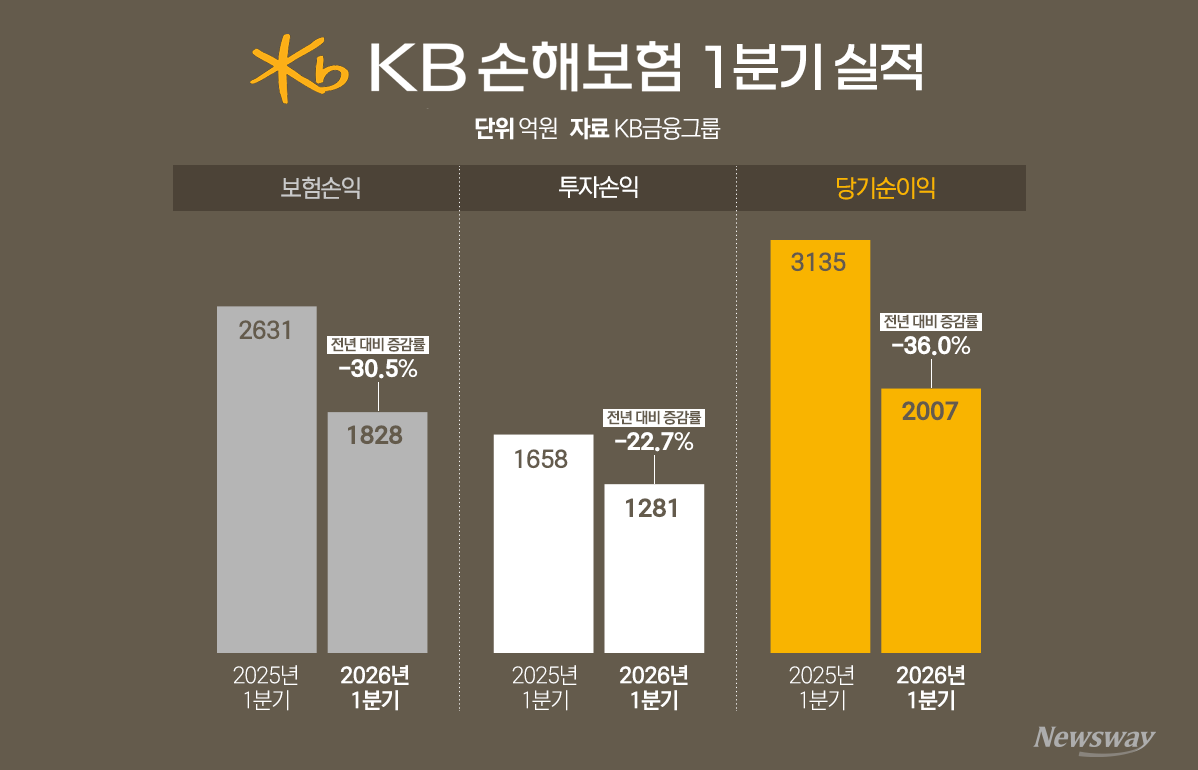
KB손해보험, 1분기 순이익 36% 급감…비은행 계열사 1위 KB증권에 내줘