In War-Torn Sudan, Eid al-Adha Qurbani Becomes a Lifeline for Displaced Families
As conflict forces millions from their homes, charities scale up meat distribution to provide the year's only protein for many.
KUWAIT —
Key facts
- Human Appeal provided over 3.5 million Qurbani meals last year, reaching 1.1 million beneficiaries.
- The charity has run its Qurbani programme for over 35 years and will distribute beef, lamb, mutton, and goat meat.
- Human Appeal is introducing a Kabsa Qurbani for Gaza: each animal yields up to 71 ready-to-eat meals with a 1.5-year shelf life.
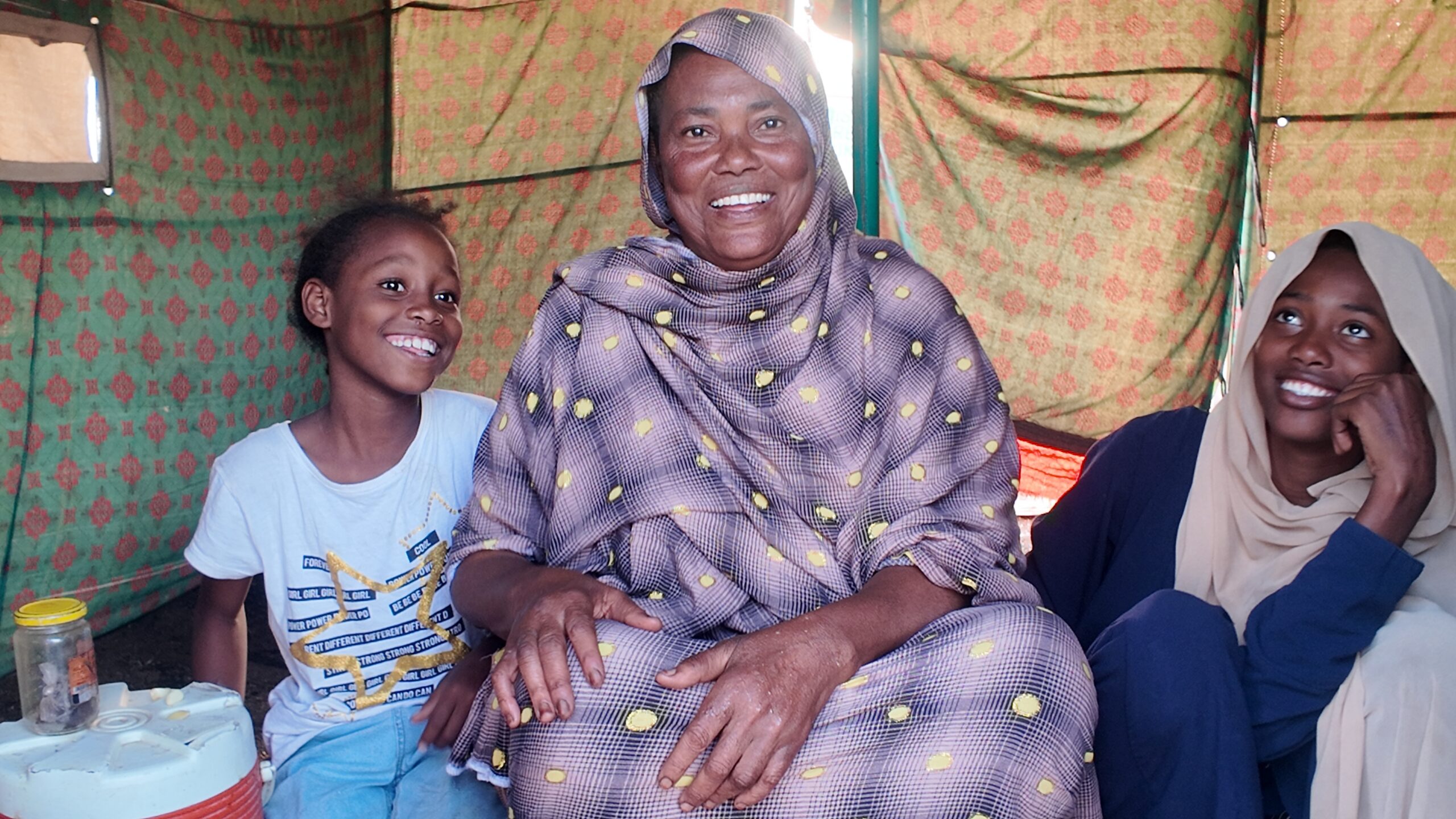
- Halima lives with her four children in a displacement camp in Gedaref, Sudan, after fleeing her home amid the crisis.
- Muslims celebrate Eid al-Adha by sacrificing an animal; the meat is shared with the poor and needy.
- Qurbani is obligatory (wajib) in the Hanafi school and a confirmed Sunnah in Shafi'i, Maliki, and Hanbali schools for eligible adults.
- Human Appeal is a UK-based charity established in 1991, operating in 30 countries and collaborating with the United Nations.
A Festival of Sacrifice Amidst Suffering
Eid al-Adha, the Festival of Sacrifice, arrives this year at the end of May, but for millions of Sudanese families, the celebration is overshadowed by war. Halima, a mother of four living in a camp for displaced people in Gedaref, Sudan, is among those who will mark the holiday in a tent, far from the home she fled. 'Eid al-Adha means everything,' she said, encapsulating the profound significance of the occasion even in the direst circumstances. The meat distributed through Qurbani — the ritual slaughter of an animal during the days of Eid — will be the only meat many of these families eat all year. For displaced populations from Khartoum, El-Fashir, and Sennar, this will be their third Eid in shelters or the homes of strangers, as the conflict that has engulfed the country for the last three years shows no sign of abating.
The Religious Imperative Behind Qurbani
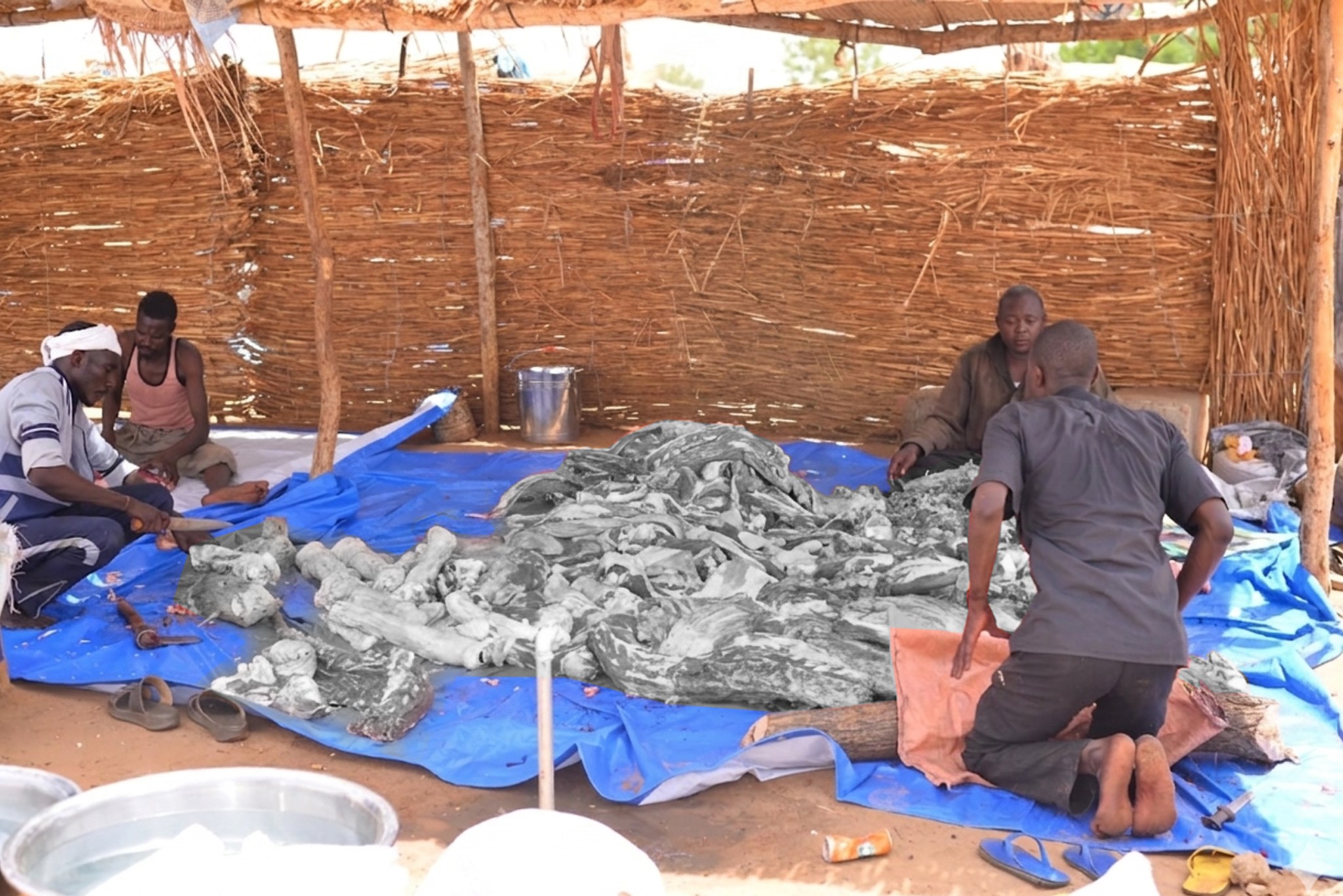
Qurbani, derived from the story of Prophet Ibrahim (AS), is an act of submission to Allah (SWT) that involves sacrificing a permissible animal on the 10th, 11th, and 12th of Dhul Hijjah. According to the Hanafi school of thought, it is obligatory (wajib) for every adult Muslim who possesses nisab; in the Shafi'i, Maliki, and Hanbali schools, it is a highly confirmed Sunnah (sunnah mu'akkadah). Beyond legal classification, Qurbani embodies three core values: Tawakkul (trust in Allah), Ihsan (generosity and excellence), and Shukr (gratitude). A significant portion of the meat must be distributed to the poor and needy, transforming the ritual into a lifeline for those facing food insecurity. In Sudan, where millions are displaced and hungry, this act of charity becomes a tangible expression of faith.
Human Appeal's Massive Distribution Network
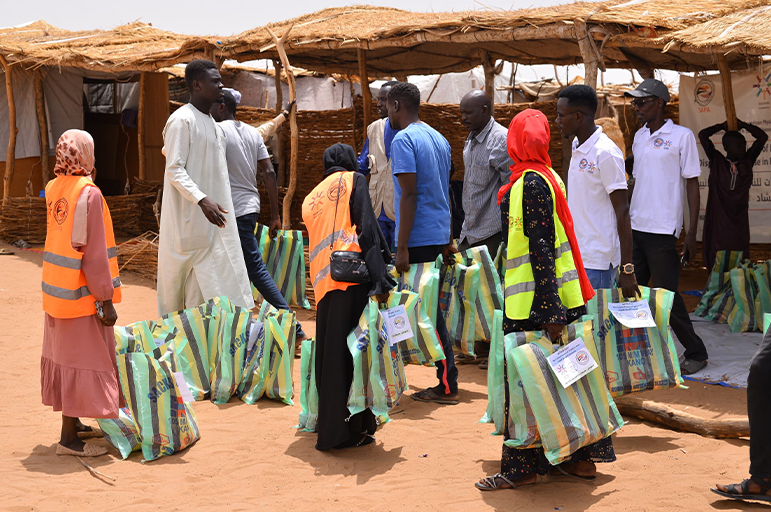
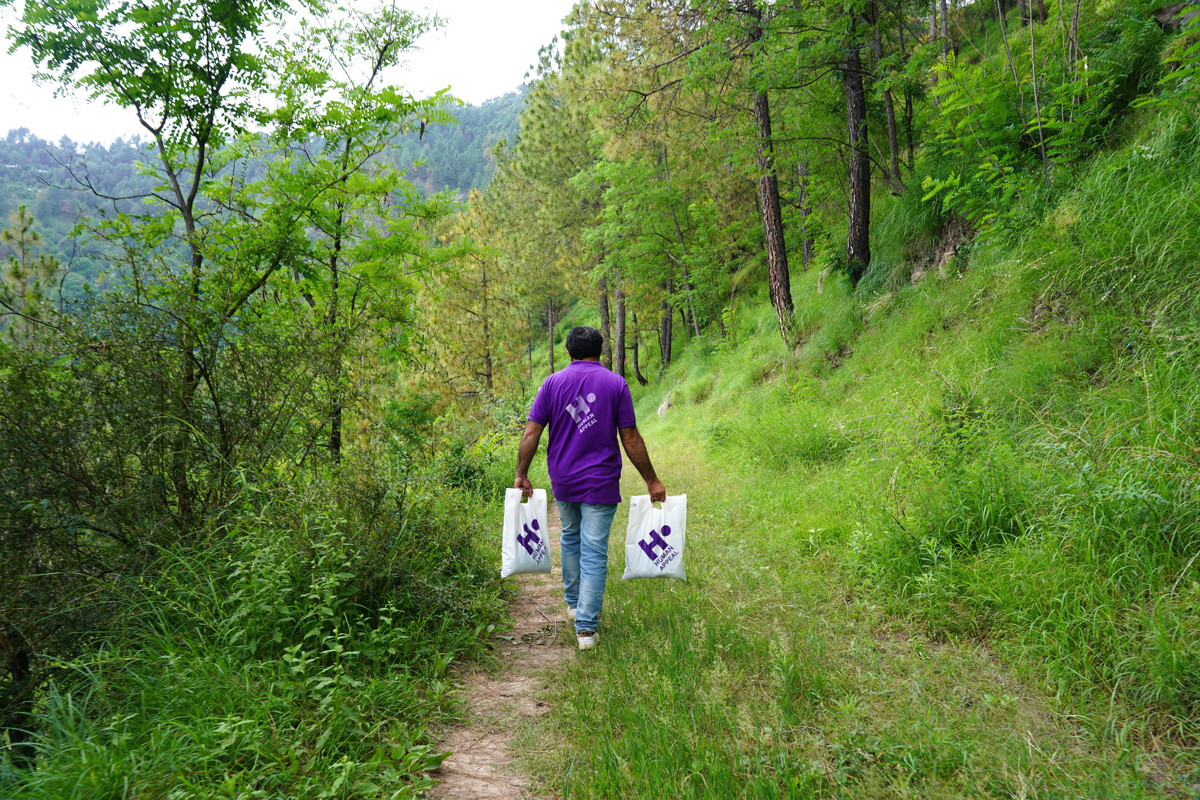
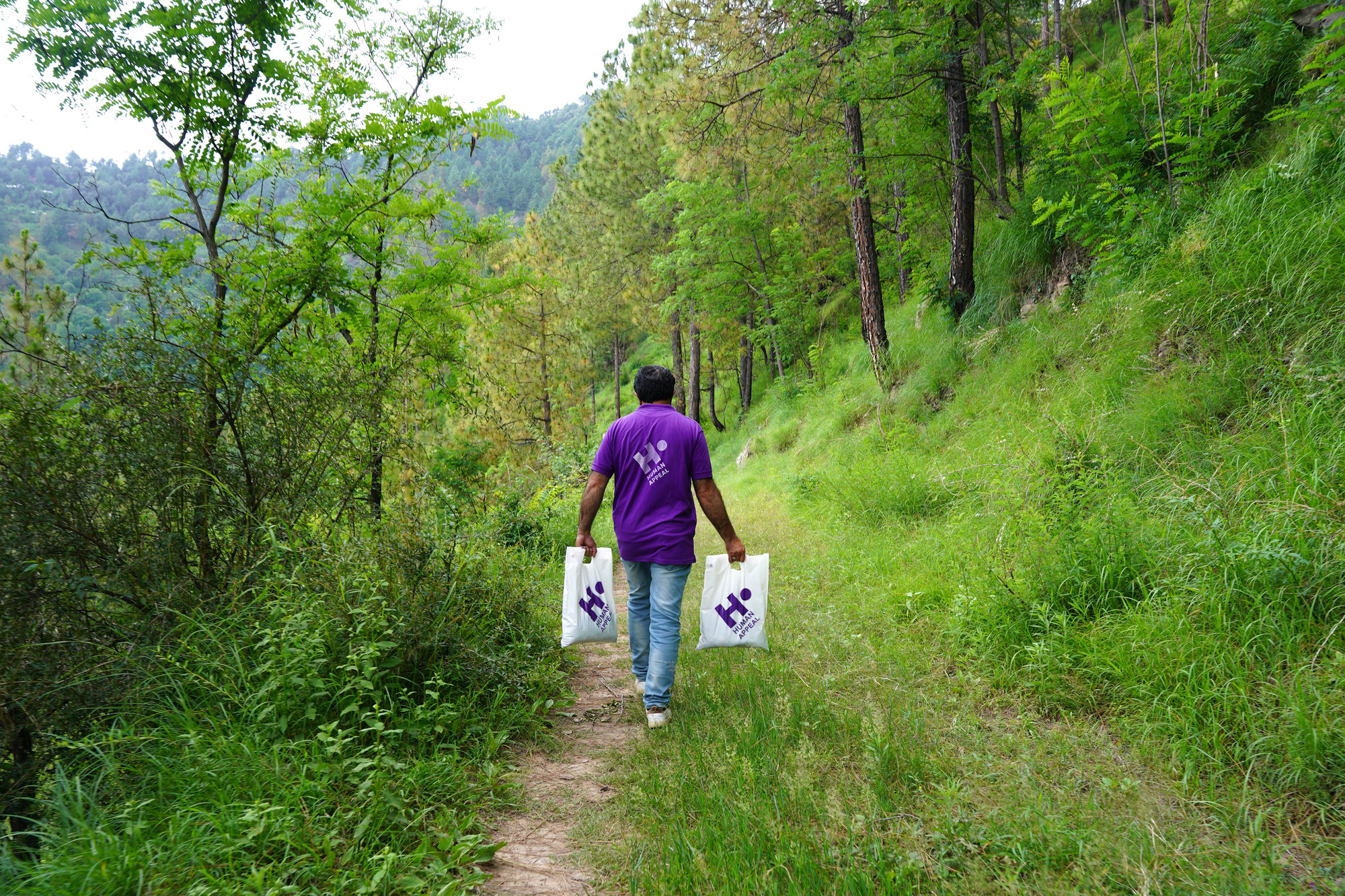
Human Appeal, one of the UK's leading humanitarian charities, is delivering its annual Qurbani food distribution programme across Africa, South Asia, the Middle East, and the UK. Last year, the charity provided over 3.5 million Qurbani meals to more than 1.1 million beneficiaries, a scale that underscores the programme's reach. Running successfully for over 35 years, the initiative distributes beef, lamb, mutton, and goat meat to vulnerable families worldwide. This year, UK donors can select from 20 countries to support, with contributions also directed to nations grappling with ongoing conflict and displacement. The charity, established in 1991 and based in Manchester, operates in 30 countries and collaborates with recognised global organisations such as the United Nations to ensure aid reaches those most in need.
Innovative Kabsa Meals for Gaza's Emergency Conditions
In a novel response to the crisis in Gaza, Human Appeal is introducing a Kabsa Qurbani — a ready-to-eat meal compliant with religious dietary rules and designed for emergency conditions. Each Qurbani animal is sacrificed during Eid al-Adha and then transformed into up to 71 individual Kabsa meals, a beloved traditional Middle Eastern dish of spiced rice and meat. Each meal contains 300 grams of lamb and rice, cooked, seasoned, sterilised, and packed airtight, with a shelf life of 1.5 years requiring no cooking or refrigeration. This innovation addresses the reality that many families in Gaza have no access to kitchens, fuel, or electricity. Alongside the Kabsa offering, Human Appeal will distribute beef, mutton, and goat meat in other targeted countries, ensuring conflict-affected communities receive culturally appropriate, life-sustaining nutrition.
The Broader Context: Famine and Displacement
The Qurbani campaign arrives at a time when Sudan is in the grip of a devastating war that has forced millions from their homes. Families who once lived in Khartoum, El-Fashir, and Sennar now reside in camps like the one in Gedaref where Halima and her children shelter. For many, the meat from Qurbani is the only animal protein they will consume all year, highlighting the severity of food insecurity. The conflict, now in its third year, has created a humanitarian crisis that extends beyond Sudan. Neighbouring countries and regions, including Gaza, are also experiencing conflict and displacement, making the need for emergency food aid acute. Charities like Human Appeal are stepping in where state capacity has collapsed, providing not just nutrition but a semblance of normalcy during a religious festival.
Outlook: Sustaining Aid Amidst Ongoing Crisis
As Eid al-Adha approaches, the scale of need remains immense. Human Appeal's programme, which reached over 1 million beneficiaries last year, is set to expand further, but the demand continues to outstrip supply. The introduction of the Kabsa meal for Gaza demonstrates how charities are adapting to the specific challenges of conflict zones, but the underlying crises show no sign of resolution. For families like Halima's, the Qurbani meat is more than sustenance — it is a connection to faith and community in the midst of upheaval. The coming days will see the ritual slaughter of animals across the Muslim world, but for millions, the true sacrifice lies in enduring another Eid far from home, sustained only by the charity of others.
The bottom line
- Eid al-Adha Qurbani provides the only meat many displaced Sudanese families eat all year, amid a three-year war that has uprooted millions.
- Human Appeal delivered 3.5 million Qurbani meals to 1.1 million beneficiaries last year, operating in 30 countries.
- The charity's new Kabsa Qurbani for Gaza offers 71 ready-to-eat meals per animal, with a 1.5-year shelf life and no need for cooking or refrigeration.
- Qurbani is a religious obligation or confirmed Sunnah for eligible Muslims, with meat distribution to the poor as a core requirement.
- Human Appeal has run its Qurbani programme for over 35 years, collaborating with the United Nations to reach conflict-affected communities.
- The festival falls at the end of May, with distributions spanning Africa, South Asia, the Middle East, and the UK.

Texas Supreme Court Blocks Extended Polling Hours in Dallas County Amid Primary Election Disputes

Vijay's TVK Breaks Dravidian Duopoly, Set to Form Government in Tamil Nadu

BJP Nears Majority in Bengal as TVK Surges in Tamil Nadu, ECI Results Show