UAE Fully Reopens Airspace as Dubai Airports Ramps Up Flight Recovery
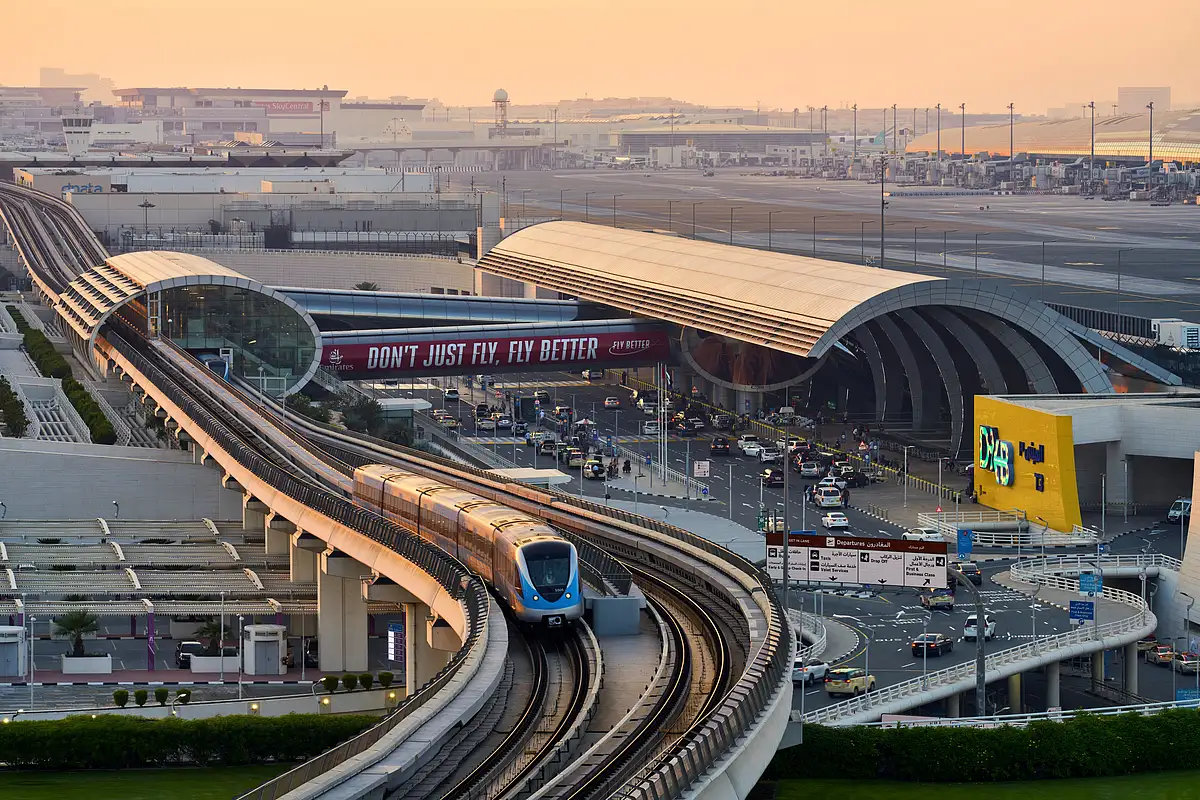
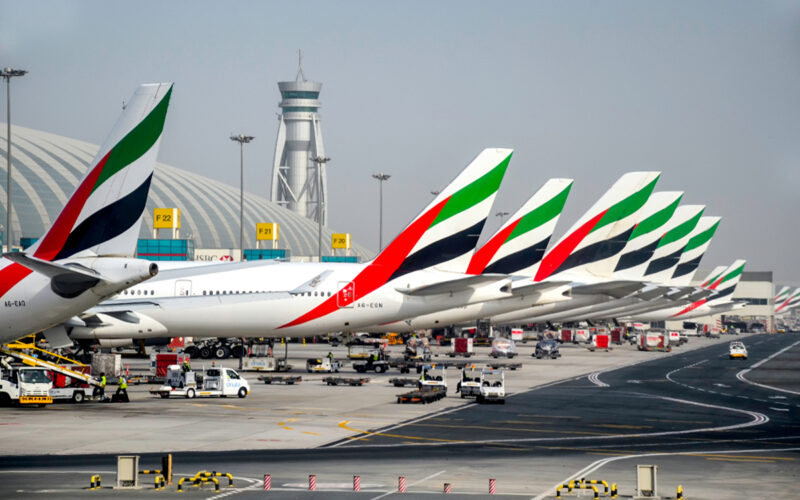
Dubai International Airport begins scaling operations after the GCAA lifts all precautionary restrictions, with capacity now tied to regional routing availability.
KUWAIT —
Key facts
- GCAA lifted all flight restrictions on May 2, 2026, restoring normal air navigation.
- Dubai Airports handled 6 million passengers, 32,000 aircraft movements, and 213,000 tonnes of cargo from Feb 28 to Apr 30.
- DXB welcomed 18.6 million guests in Q1 2026, down 20.6% year-on-year; March traffic fell 65.7%.
- UAE partially closed airspace on Feb 28 due to US-Israel-Iran conflict; eight countries imposed closures.
- Ceasefire agreement last month enabled progressive easing of restrictions.
- Dubai Airports coordinates with Emirates, flydubai, and air traffic control via 'oneDXB' network.
- Jet fuel shortage from Strait of Hormuz closure compounded aviation disruption.
Airspace Reopens After Two-Month Conflict
The United Arab Emirates has fully restored normal air navigation operations, the General Civil Aviation Authority (GCAA) announced on May 2, 2026, ending a partial airspace closure that began on February 28. The decision followed a comprehensive review of operational and security conditions conducted with national authorities. "We are pleased to announce the full resumption of normal air navigation operations across UAE airspace," the GCAA stated, adding that temporary precautionary measures have been lifted. The regulator emphasized continuous real-time monitoring to maintain aviation safety. The closure was imposed amid escalating hostilities between the United States, Israel, and Iran, which triggered one of the most significant airspace disruptions in the Middle East in recent years. At least eight countries — including Iraq, Jordan, Qatar, Bahrain, and Kuwait — imposed full or partial closures.
Dubai Airports Enters Next Phase of Recovery
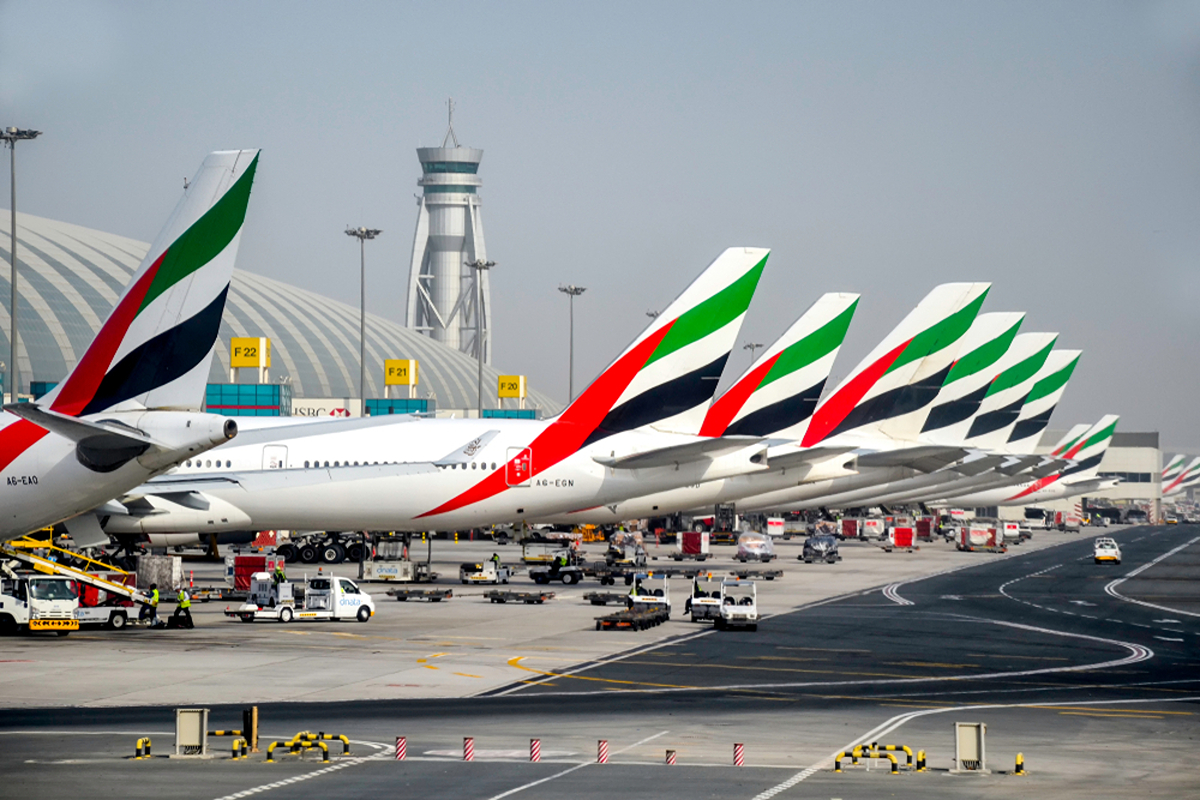
Dubai Airports announced early Monday that it is "moving decisively to scale up operations," increasing daily flight movements and enabling airlines to progressively restore schedules. The operator of Dubai International (DXB) and Dubai World Central (DWC) said capacity is now primarily aligned with the availability of regional flight paths outside the UAE. "Ongoing coordination to optimise flows across neighbouring airspace" is under way, the authority stated. The ramp-up is supported by the 'oneDXB' network, including carriers Emirates and flydubai, service partners, and air traffic control, which kept passengers and cargo moving during the disruption. Paul Griffiths, CEO of Dubai Airports, described the past weeks as "unprecedented" for a global hub. "International transfer traffic through the Middle East accounts for a major share of global air travel, with 22.4 million annual passenger journeys flowing through DXB," he said. "Maintaining smooth operations here is critical to keep global journeys moving."
Traffic Numbers Reveal Deep Impact of Conflict
Dubai Airports released first-quarter passenger traffic figures on May 4, showing the scale of disruption. DXB welcomed 18.6 million guests in Q1 2026, a 20.6% decline year-on-year. March traffic plummeted to 2.5 million passengers, down 65.7% from the same month last year. Despite the constraints, the airport sustained global connectivity. From February 28 to April 30, it facilitated the movement of six million passengers, over 32,000 aircraft movements, and 213,000 tonnes of essential cargo. Flights continued operating through safe air corridors established on March 1. The war and the ensuing jet fuel shortage from the closure of the Strait of Hormuz dealt a severe blow to Middle East aviation, which had enjoyed robust post-pandemic growth from 2023 to 2025. Dubai recorded 95.2 million passengers in 2025, its highest ever.
Coordination Across Aviation Ecosystem Enabled Quick Response
Dubai Airports credited rapid decision-making across the aviation ecosystem for sustaining safe and consistent operations during the crisis. Griffiths noted that the collective response "sharpened our ability to adapt at pace." He added: "That readiness will enable us to accommodate returning demand as capacity is restored, even as some regional routing constraints remain." The GCAA's lifting of restrictions followed a ceasefire agreement reached last month, which began to ease tensions and support a gradual normalization of aviation activity across the region. The UAE had progressively eased measures through March before the full restoration.
Outlook: Demand Recovery Tied to Regional Routing Capacity
While UAE airspace is fully open, Dubai Airports' ability to ramp up flights depends on neighbouring countries' airspace availability. The authority continues to coordinate with regional partners to optimise traffic flows. Griffiths expressed confidence in accommodating returning demand, but acknowledged that some routing constraints persist. The recovery will be closely watched as Middle East aviation seeks to rebound from the conflict's disruption, which coincided with a jet fuel crisis that compounded operational challenges. Dubai retains its title as the world's busiest international airport in 2025, a position that underscores the stakes for global connectivity as the region normalises.
The bottom line
- UAE fully reopened its airspace on May 2 after a partial closure from Feb 28 due to the US-Israel-Iran conflict.
- Dubai Airports handled 6 million passengers and 32,000 aircraft movements during the disruption period.
- Q1 2026 passenger traffic at DXB fell 20.6% year-on-year; March traffic dropped 65.7%.
- Recovery capacity is tied to regional routing availability outside the UAE.
- Coordination via the 'oneDXB' network with Emirates, flydubai, and air traffic control was key to maintaining operations.
- Ceasefire agreement enabled the lifting of restrictions, but some regional routing constraints remain.

Texas Supreme Court Blocks Extended Polling Hours in Dallas County Amid Primary Election Disputes

Vijay's TVK Breaks Dravidian Duopoly, Set to Form Government in Tamil Nadu

BJP Nears Majority in Bengal as TVK Surges in Tamil Nadu, ECI Results Show