Three dead, human-to-human transmission suspected in hantavirus outbreak on cruise ship off Cape Verde
WHO confirms rare person-to-person spread among close contacts aboard the m/v Hondius, as 149 passengers remain under strict isolation.
NEW ZEALAND —
Key facts
- Three passengers have died: a Dutch woman (confirmed hantavirus), her husband, and a German national.
- A 69-year-old British national is in intensive care in South Africa with a hantavirus variant.
- Two crew members, one British and one Dutch, have acute respiratory symptoms and await evacuation to the Netherlands.
- WHO has confirmed two hantavirus cases and five suspected cases among passengers and crew.
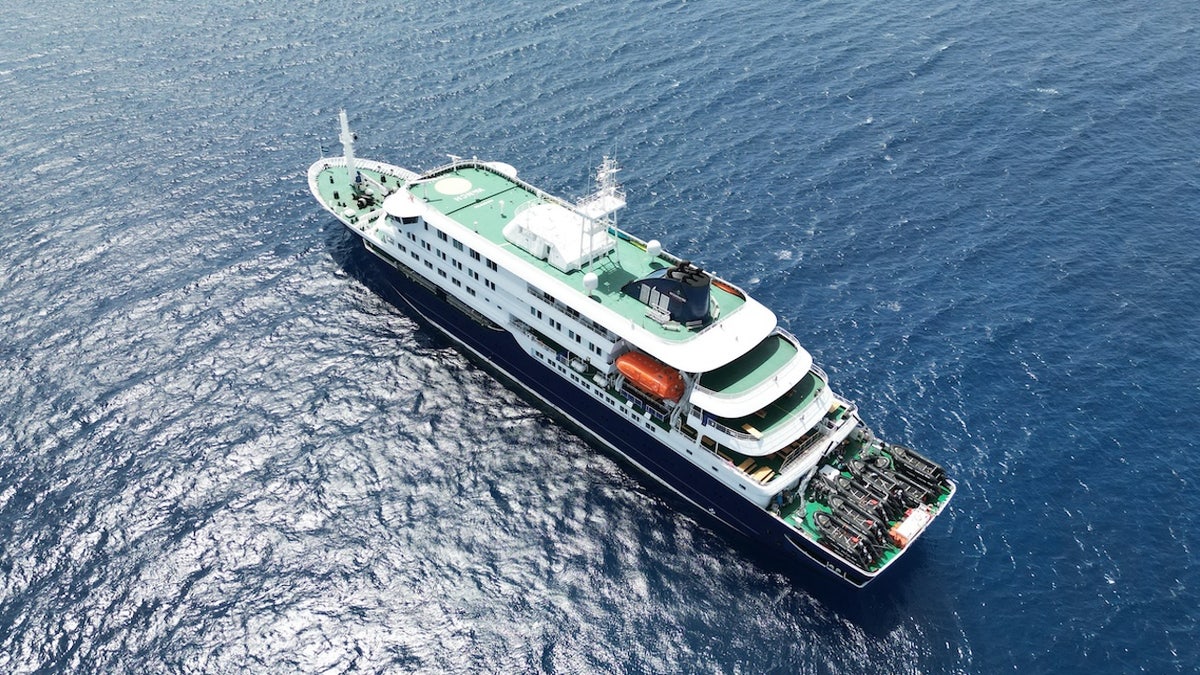
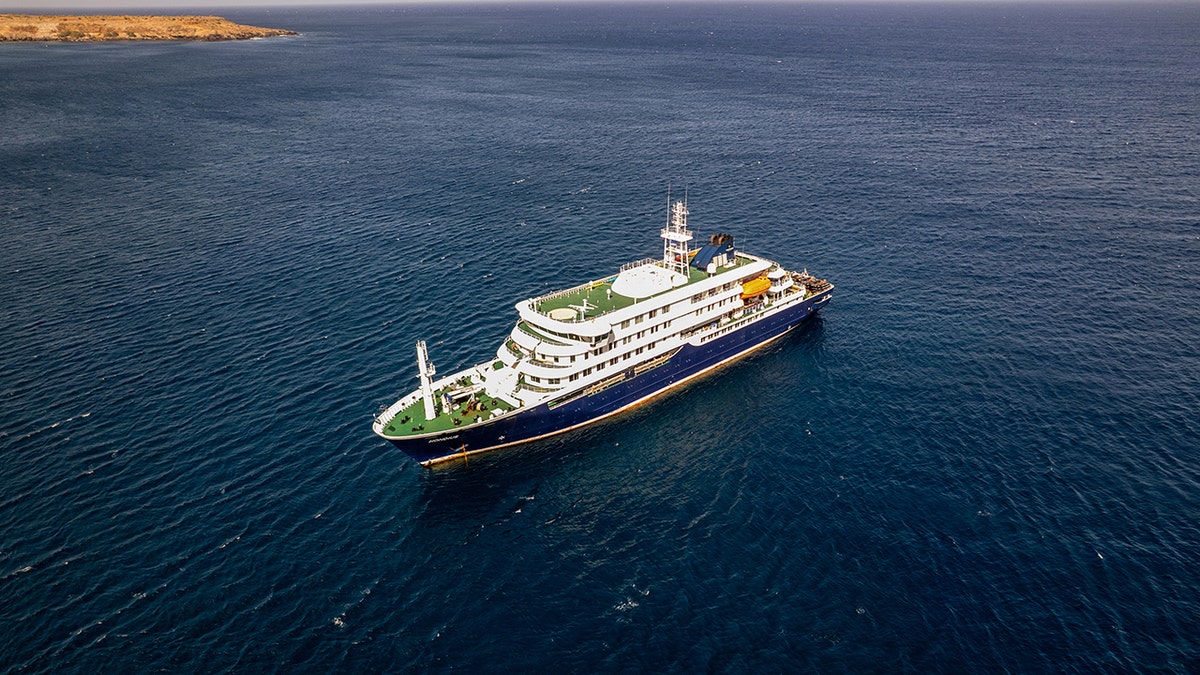
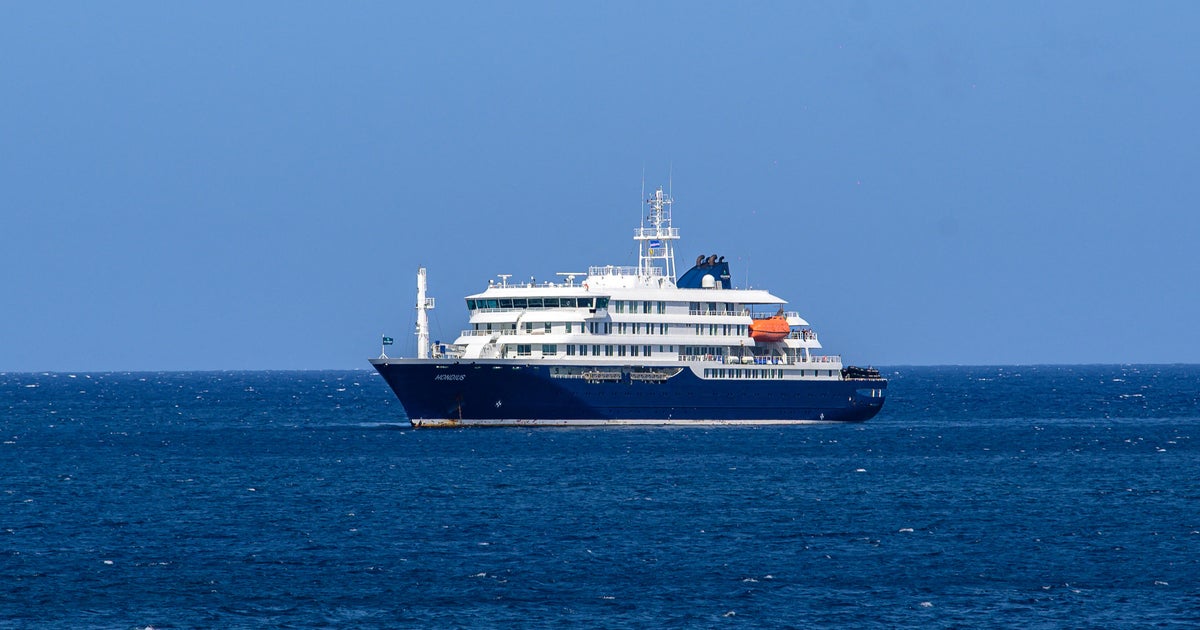
- The ship, m/v Hondius, remains anchored off Praia, Cape Verde, since May 4, 2026.
- a Dutch passenger died on April 11; his wife died on April 27.
- WHO official Dr Maria Van Kerkhove stated human-to-human transmission is likely among close contacts.
- 149 people from 23 countries, including 20 British nationals, are aboard under strict measures.
A ship in limbo: fear and uncertainty among passengers
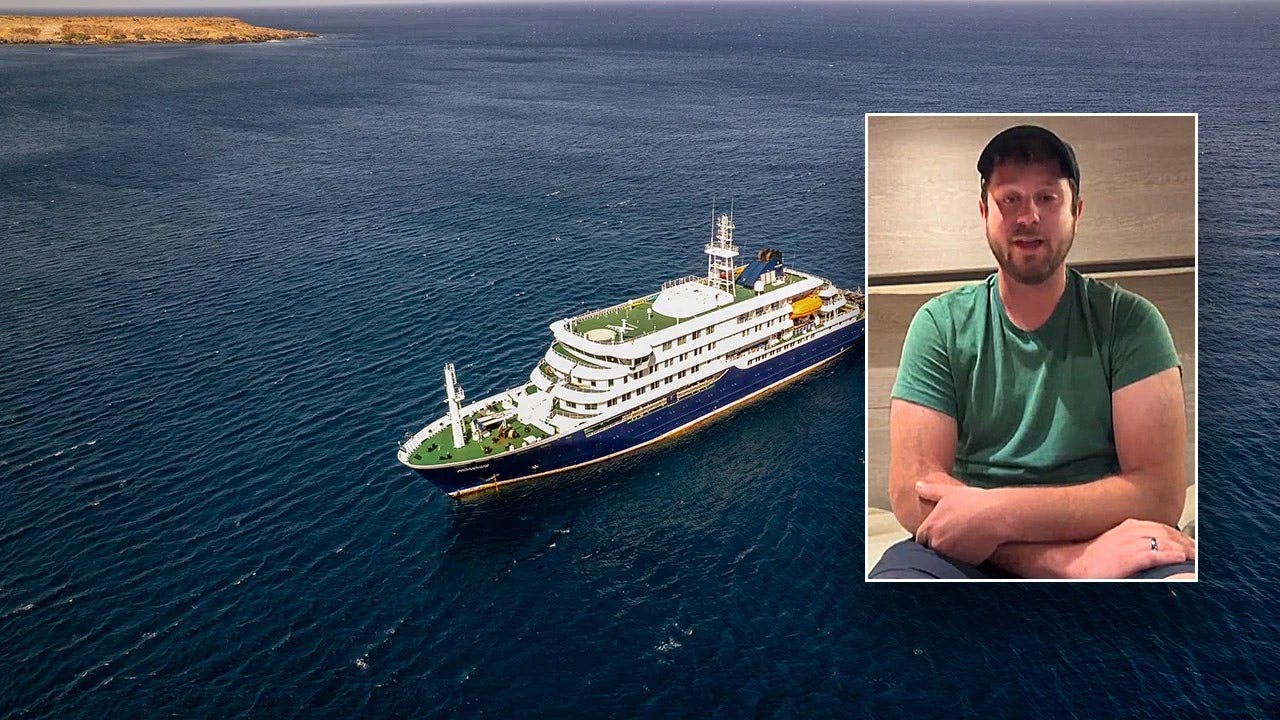
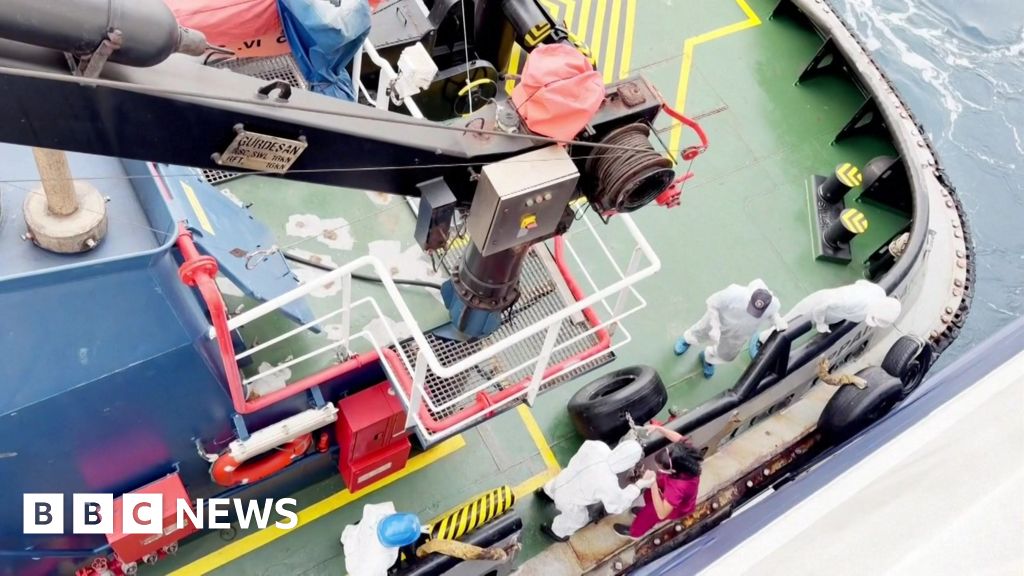
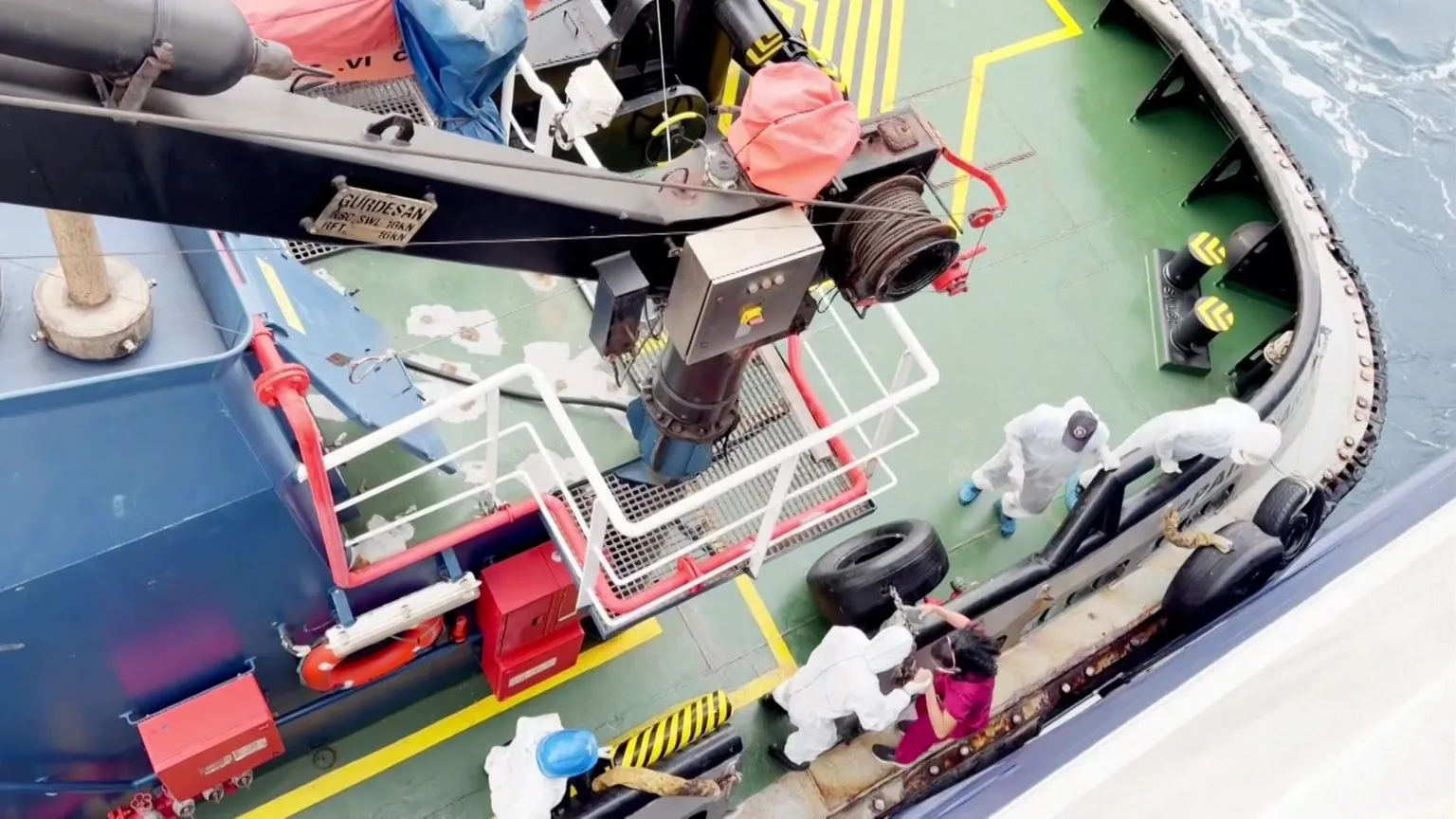
A passenger aboard the m/v Hondius has described a climate of fear and uncertainty as the vessel remains anchored off the coast of Cape Verde, with three dead and a suspected hantavirus outbreak under investigation. In a video recorded from the ship, the passenger said: “We’re not just a story, we’re not just headlines — we’re people with families, with lives, with people waiting for us at home.” He added that the hardest part is the lack of clarity: “All we want right now is to feel safe, to have clarity and to get home.” The cruise ship, operated by Oceanwide Expeditions, set sail from Argentina about a month ago on a transatlantic voyage. It is now stationary off the port of Praia, Cape Verde, with strict isolation measures in place. Images from the ship show workers in hazmat suits boarding from a smaller vessel alongside.
Timeline of a developing crisis: from first death to suspected outbreak
According to a timeline released by Oceanwide Expeditions on Monday, the situation has unfolded over several weeks. A Dutch passenger died on April 11, though the cause could not be determined at the time; that individual was later disembarked on St. Helena on April 24. On April 27, the passenger’s wife, also Dutch, became ill during her return journey and later died. It has not been confirmed whether those deaths are connected to the current outbreak. Also on April 27, another passenger became seriously ill and was medically evacuated to South Africa, where the individual, a 69-year-old British national, remains in intensive care. A variant of hantavirus has been identified in that patient. A German national died on May 2, bringing the total deaths to three. The German national's death is not yet confirmed as a hantavirus case.
WHO confirms rare human-to-human transmission among close contacts
The World Health Organization said Sunday that one case of hantavirus infection has been laboratory confirmed, while five additional suspected cases are pending. Of the six people affected, three have died and one is in intensive care. The WHO now believes that human-to-human transmission may have occurred among “really close contacts” aboard the ship, a rare event for a virus usually spread through rodent droppings or urine. “We do believe that there may be some human-to-human transmission that is happening among the really close contacts,” said Dr Maria Van Kerkhove, a WHO official. She stressed that such transmission is rare and the risk to the public remains low. The WHO suspects the first person to fall ill may have contracted the virus before boarding the ship.
Medical evacuations and international response
Two crew members — one British and one Dutch — have displayed acute respiratory symptoms and are due to be medically evacuated by aircraft to the Netherlands, Oceanwide Expeditions said. A person “associated” with the German national who died is also scheduled for evacuation. Medical teams from Cape Verde, supported by the WHO, have boarded the ship to assist with suspected cases. is ongoing for other passengers and crew displaying symptoms. The UK government confirmed that 20 British nationals are among the 149 people from 23 countries still aboard under strict precautionary measures. The ship remains off Cape Verde as authorities work to determine when those requiring medical care will be allowed to disembark.
Hantavirus: a rodent-borne pathogen with rare human-to-human spread
Hantavirus is typically transmitted to humans through contact with rodent droppings, urine, or saliva, and can cause hantavirus pulmonary syndrome, a severe respiratory disease. Human-to-human transmission is exceedingly rare and has been documented only in a few instances, such as with the Andes virus in South America. The WHO’s acknowledgment of possible person-to-person spread on the m/v Hondius underscores the unusual nature of this outbreak. The virus does not spread easily between people, and the WHO has stressed that the risk to the general public remains low. However, the confined environment of a cruise ship may have facilitated transmission among close contacts. The two confirmed cases are a Dutch woman who died and the 69-year-old British national evacuated to South Africa.
Open questions and the path ahead
Several critical questions remain unanswered. It is unclear when the ship will be allowed to dock and whether all passengers will be permitted to disembark. The cause of the initial deaths — the Dutch man and his wife — has not been definitively linked to hantavirus. The German national’s death is also under investigation. Authorities are working to determine whether the cases are connected and to trace the source of the infection. For the passengers still aboard, the wait continues. “This isn’t something happening somewhere far away,” the passenger said. “It’s happening to us right now.” The WHO and local health teams are conducting tests and monitoring for new symptoms, while the cruise line coordinates with Cape Verdean authorities and international health agencies.
A rare event with global implications
The outbreak on the m/v Hondius is a stark reminder that even rare pathogens can find pathways to spread in modern travel environments. While the risk to the broader public remains low, the incident highlights the importance of rapid surveillance and international cooperation in responding to emerging infectious disease threats. The WHO’s involvement and the deployment of medical teams reflect the seriousness with which authorities are treating the situation. As the investigation continues, the focus remains on the health and safety of those aboard. The three deaths and the suspected human-to-human transmission will likely prompt renewed scrutiny of cruise ship protocols and the preparedness of health systems to handle unusual outbreaks at sea.
The bottom line
- Three people have died in a suspected hantavirus outbreak on the cruise ship m/v Hondius off Cape Verde.
- WHO believes rare human-to-human transmission occurred among close contacts aboard the ship.
- Two crew members with acute respiratory symptoms await medical evacuation to the Netherlands.
- 149 passengers from 23 countries remain under strict isolation; 20 are British nationals.
- The virus is usually rodent-borne; human-to-human spread is exceptional and the public risk is low.
- The ship has been anchored since May 4; the timeline of events spans from April 11 to present.


Three dead in suspected hantavirus outbreak on Atlantic cruise ship

Three Dead in Hantavirus Outbreak on Polar Expedition Ship MV Hondius
