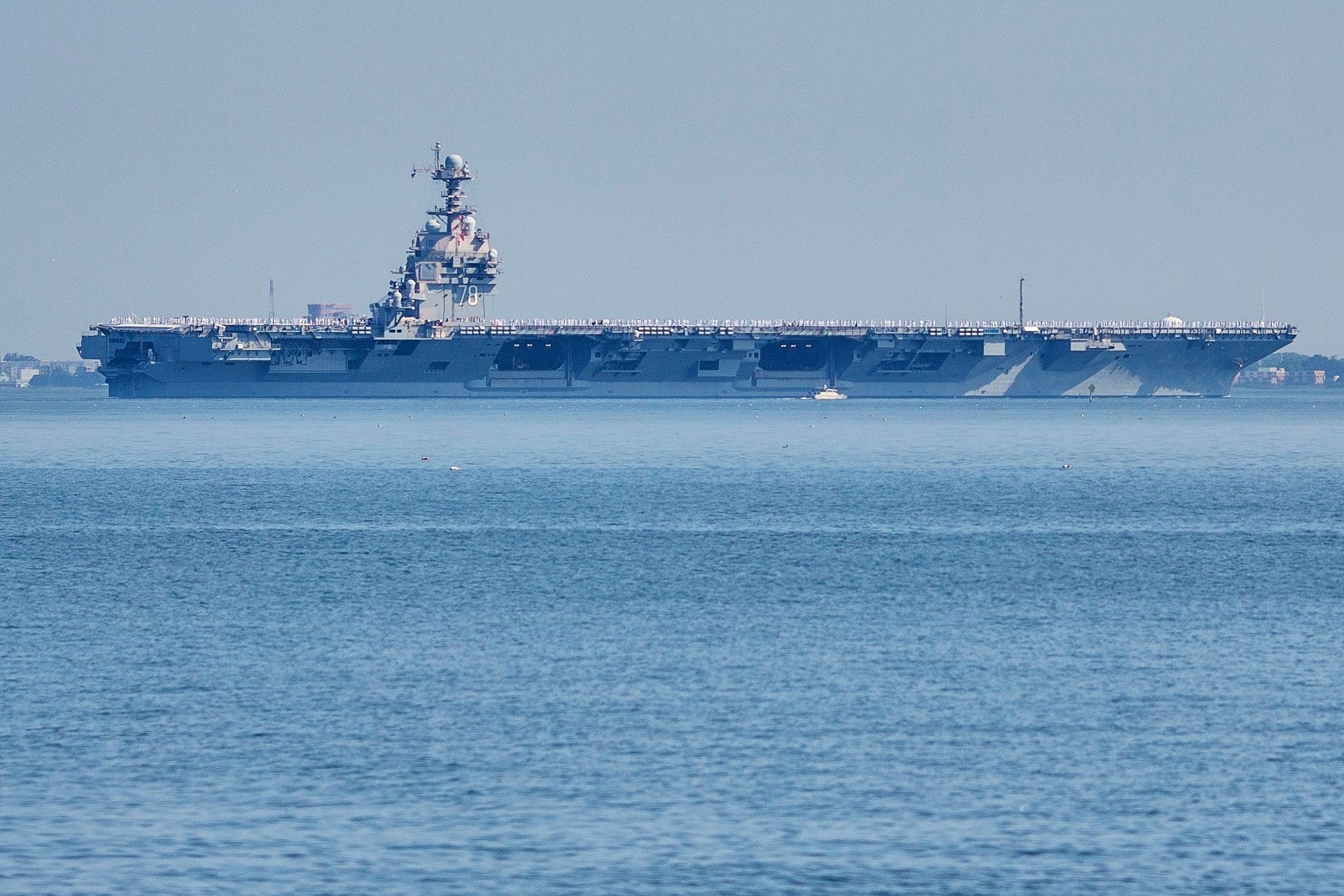
USS Gerald R. Ford Ends Record 309-Day Deployment, Heads Home
The world's largest aircraft carrier will depart the Middle East in coming days, reducing U.S. naval firepower as peace talks with Iran stall.

PHILIPPINES —
Key facts
- USS Gerald R. Ford deployed for 309 days, longest for any modern U.S. carrier.
- Carrier participated in capture of Venezuelan leader Nicolás Maduro and opening days of Iran war.
- Ford suffered a laundry-room fire, forcing return to Mediterranean for repairs.
- Three U.S. carriers were simultaneously in Middle East for first time since 2003.
- Defense Secretary Pete Hegseth acknowledged readiness and maintenance tradeoffs in congressional hearing.
- Carrier expected to arrive at home port in Virginia around mid-May.
- Previous record: USS Abraham Lincoln deployed 294 days in 2020.
- Cold War record held by USS Midway at 332 days in 1972-73.
A Record Deployment Ends
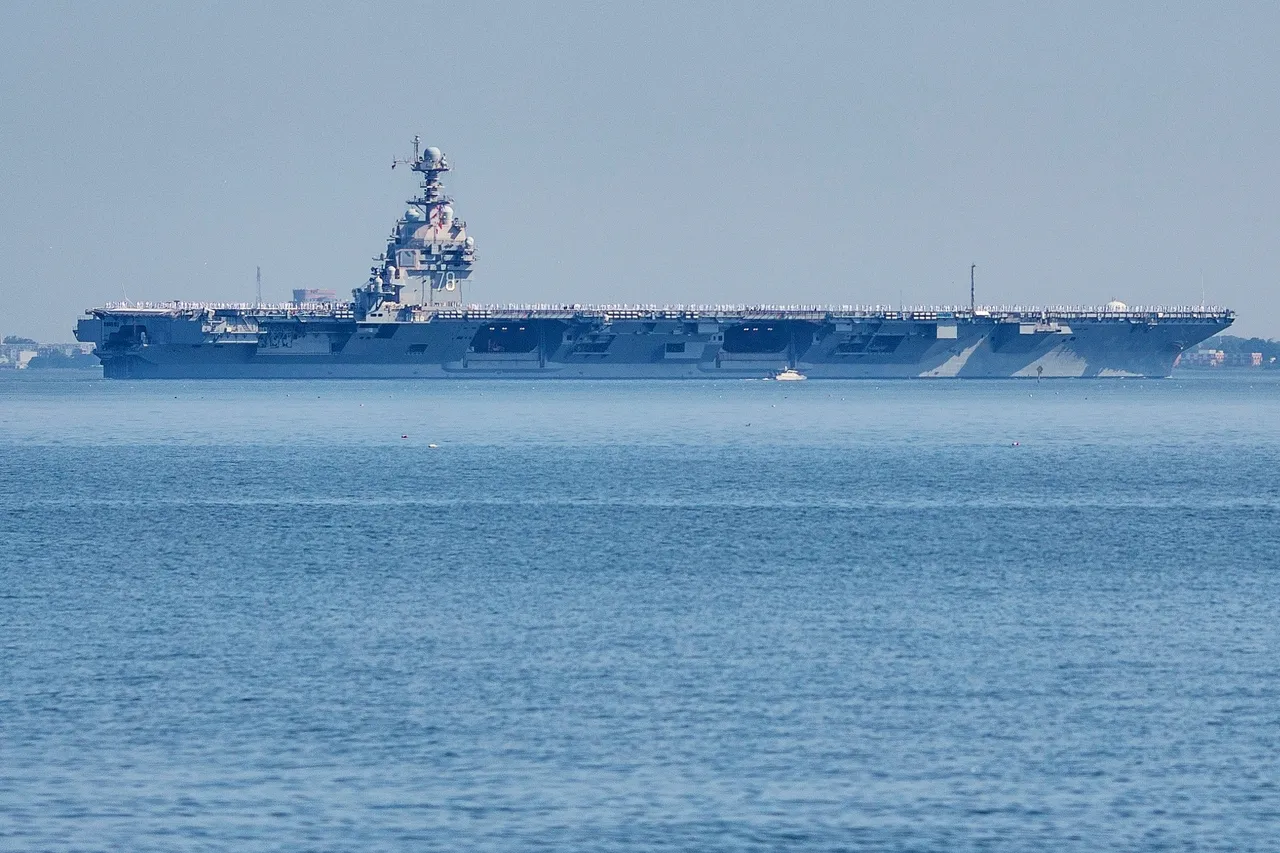
The USS Gerald R. Ford, the world's largest aircraft carrier, will begin its voyage home from the Middle East in the coming days after a record-setting deployment of 309 days, multiple U.S. officials said Wednesday. The carrier, which carries roughly 4,500 sailors, is expected to dock at its home port in Norfolk, Virginia, around mid-May, according to one official who spoke on condition of anonymity to discuss sensitive military movements. The Ford's departure reduces the significant naval firepower the United States has amassed in the region during a tenuous ceasefire in the Iran war. Peace talks between Washington and Tehran have stagnated, and the carrier's exit comes as the Trump administration presses Iran to reach a diplomatic settlement.
From the Caribbean to the Red Sea
The Ford departed Naval Station Norfolk on June 24 of last year, initially heading to the Mediterranean Sea. In October, it was rerouted to the Caribbean as part of the largest naval buildup in that region in generations, where it took part in the military operation that led to the capture of Venezuelan leader Nicolás Maduro. After Maduro's capture, the carrier was redirected toward the Middle East as tensions with Iran escalated. It participated in the opening days of the Iran war from the Mediterranean Sea before transiting the Suez Canal into the Red Sea in early March. However, a fire in one of its laundry spaces forced the carrier to turn around and return to the Mediterranean for repairs, leaving hundreds of sailors without sleeping quarters.
A Strained Crew and Vessel
The Ford's extended deployment has raised concerns about the toll on service members and the ship itself. The carrier endured a fire that required lengthy repairs, and its prolonged time at sea has increased wear on equipment. Defense Secretary Pete Hegseth, testifying before the House Armed Services Committee, acknowledged that Navy officials had raised readiness and maintenance tradeoffs. "Multiple times the operational requirements — whether it was down in Southcom or up to Centcom — demanded additional assets in real time, which through a tough decision-making process led to an extension," Hegseth said, referring to U.S. Southern Command, which oversees Latin America, and U.S. Central Command in the Middle East. Representative Gil Cisneros questioned Hegseth about the trade-offs made in extending the deployment.
Breaking Records and Historical Context
The Ford's 309-day deployment surpasses the previous post-Vietnam War record of 294 days, set by the USS Abraham Lincoln in 2020 during the Covid-19 pandemic, according to data from the U.S. Naval Institute News. The carrier's 295th day at sea broke that mark, and it has now been deployed for 309 days total. However, the deployment falls short of the Cold War record held by the now-decommissioned USS Midway, which was deployed for 332 days in 1972 and 1973. The Ford's departure will leave two U.S. carriers in the region: the USS George H.W. Bush, which arrived last week, and the USS Abraham Lincoln, which has been in the region since January. The presence of three carriers simultaneously had not been seen since 2003.
Maintenance and Future Operations
Upon returning home, the Ford will require extensive maintenance due to repeated issues and damage from the laundry-room fire. The carrier is currently in the Red Sea and is not participating in the U.S. blockade of Iranian ports, officials said. The decision to withdraw the Ford was expected, but its departure reduces the firepower available as the United States continues to pressure Iran. The carrier's long deployment has also sparked debate about the sustainability of such extended operations, with lawmakers questioning the impact on readiness and personnel.
Strategic Implications
The Ford's homecoming marks the end of an unprecedented 10-month deployment that saw the carrier play a role in two major military operations: the capture of a foreign head of state and the opening salvoes of a war with Iran. Its withdrawal leaves the U.S. with two carriers in the Middle East, still a formidable force but a reduction from the three-carrier presence that had served as a show of strength. As peace talks remain deadlocked, the reduction in naval assets could shift the strategic calculus in the region. The Ford's return also highlights the human and material costs of extended deployments, a recurring challenge for the U.S. Navy as it balances global commitments with the need to maintain readiness and support for its sailors.
The bottom line
- USS Gerald R. Ford set a modern U.S. carrier deployment record of 309 days, surpassing the previous 294-day record.
- The carrier participated in the capture of Venezuelan President Nicolás Maduro and the opening days of the Iran war.
- A laundry-room fire forced the Ford to return to the Mediterranean for repairs, highlighting maintenance challenges.
- The departure reduces U.S. carrier presence in the Middle East from three to two as Iran peace talks stagnate.
- Defense Secretary Pete Hegseth acknowledged that operational demands led to tough decisions extending the deployment.
- The Ford will require extensive maintenance upon return, and the long deployment has raised concerns about sailor welfare and equipment strain.


NLEX and Converge Collide in High-Stakes PBA Duel with No. 1 Seed and Playoff Hopes on the Line

Knicks on Brink of East Semifinals as Hawks Face Elimination in Game 6
Magnitude 5.8 Earthquake Strikes Near Yilan, Taiwan, as Global Seismic Activity Intensifies
