Sierra Nevada Braces for Up to 4 Feet of Snow as Late-Season Storm Threatens Travel
A powerful Pacific low-pressure system is driving moisture levels 90% above normal, prompting winter storm warnings through Tuesday.

PHILIPPINES —
Key facts
- Winter storm warnings issued for California's Sierra Nevada through Tuesday.
- Pacific low-pressure system driving moisture levels 90% above normal.
- Up to 4 feet of snow forecast on highest peaks.
- Wind gusts up to 70 mph, locally 80 mph along Sierra crest.
- Snow levels drop from 7,000 to 4,500 feet during heaviest period Sunday night into Monday.
- I-80 over Donner Pass and Highway 50 face hazardous conditions.
- Caltrans implementing chain restrictions; officials advise emergency kits.
- Colorado and New Mexico also experiencing persistent snowfall.
A Late-Season Blast: Storm Targets Sierra Nevada
A significant late-season winter storm is bearing down on California's Sierra Nevada, with meteorologists issuing warnings that could bring up to four feet of snow to the highest peaks. The National Weather Service has activated winter storm alerts as a Pacific low-pressure system funnels moisture into the region, pushing levels 90 percent above the norm for this time of year. The storm, expected to persist until Tuesday, poses a particular threat to travel corridors. Snow has already begun accumulating above 7,000 feet, but the most disruptive phase is forecast to arrive Sunday night into Monday, when snow levels are projected to plummet from 7,000 feet to as low as 4,500 feet.
Heaviest Snow and Gusty Winds: The Core of the System
The storm's most intense period will bring substantial accumulations: one to two feet of snow in lower mountain elevations above 6,000 feet, and three to four feet on the tallest peaks. Wind gusts along the Sierra crest are expected to reach 50 to 70 miles per hour, with localized gusts potentially hitting 80 mph in exposed areas. Visibility will be drastically reduced during the heaviest snowfall, and road conditions at higher elevations will deteriorate swiftly. The National Weather Service warned that travel may become extremely challenging, adding that 'tire traction will be reduced.'
Travel Disruption and Safety Measures
Major routes including Interstate 80 over Donner Pass and Highway 50 are already becoming hazardous. Caltrans is implementing stringent chain restrictions as the storm intensifies, and officials are urging motorists to prepare for emergencies. Specialists advise: 'If you must travel, keep an extra flashlight, food and water in your vehicle.' The combination of heavy snow and high winds raises the likelihood of road closures, particularly at higher elevations where snow levels are forecast to drop dramatically. The period of heaviest snow is expected to cause considerable visibility problems, compounding the danger for drivers.
Regional Context: Snowfall Across the West
While the Sierra Nevada remains the primary focus, the storm is part of a broader weather pattern affecting the Western United States. Colorado and New Mexico are also contending with persistent snowfall, though the Sierra is expected to bear the brunt of this late-season event. This May frost is unusual for the region, as snow at elevations as low as 4,500 feet is rare this late in the spring. The storm's timing and intensity underscore the volatility of mountain weather, even as the calendar approaches summer.
Outlook: What Comes Next
The storm is expected to continue through Tuesday, with the heaviest snowfall tapering off by midweek. However, lingering impacts on travel and infrastructure may persist as roads are cleared and chain restrictions are lifted. Meteorologists will continue to monitor the system, updating forecasts as conditions evolve. Residents and travelers are advised to stay informed through official National Weather Service channels and to heed all warnings and advisories.
The bottom line
- A late-season winter storm is dumping up to 4 feet of snow on the Sierra Nevada through Tuesday.
- Moisture levels are 90% above normal, driven by a Pacific low-pressure system.
- Snow levels will drop from 7,000 to 4,500 feet, causing hazardous travel on I-80 and Highway 50.
- Wind gusts up to 80 mph will reduce visibility and increase risk of road closures.
- Caltrans has implemented chain restrictions; officials advise carrying emergency supplies.
- Colorado and New Mexico are also experiencing snowfall, but the Sierra Nevada is the main concern.




NLEX and Converge Collide in High-Stakes PBA Duel with No. 1 Seed and Playoff Hopes on the Line

Strait of Hormuz Closure Drives Global Fuel Crisis as Oil Hits $110
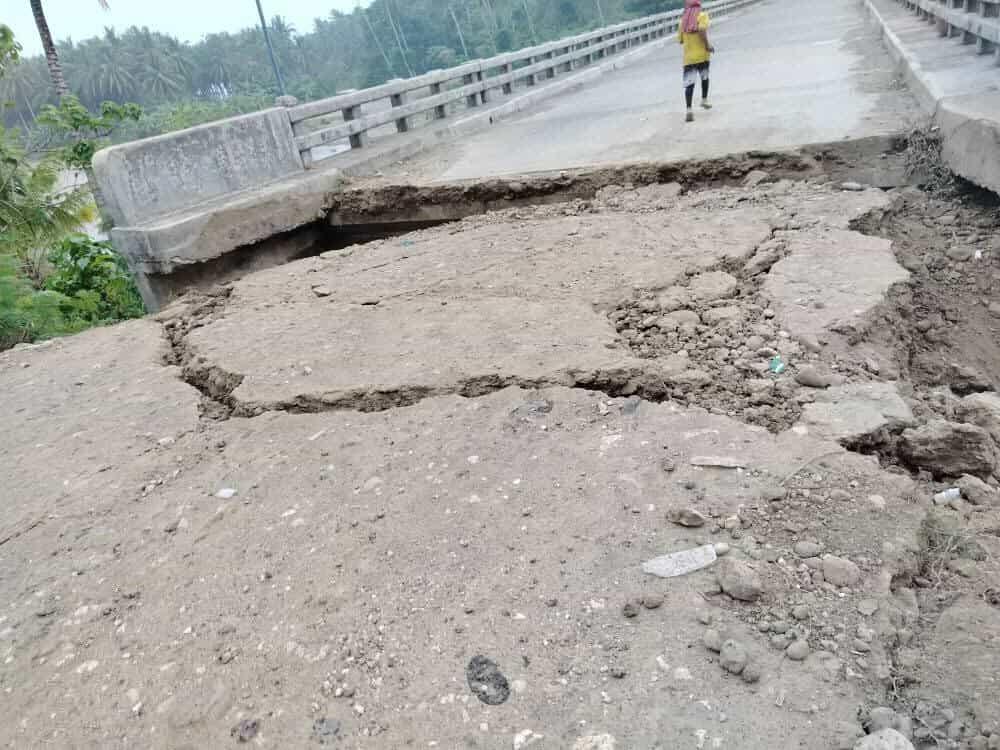
Philippine Trench Triggers Magnitude 7.4 Earthquake in Davao Oriental, Killing One and Triggering Tsunami Alert