Oil Prices Tumble as US and Iran Signal Thaw in Tensions
Markets surge on hopes of a deal to end regional conflict, with Pakistan playing a key mediation role.
PAKISTAN —
Key facts
- Brent crude futures fell to $97 a barrel amid reports of a US-Iran deal.
- The US Navy paused escorting commercial vessels through the Strait of Hormuz on Tuesday.
- Operation Epic Fury, launched February 28, has been declared concluded by the US.
- Pakistan and Saudi Arabia's Crown Prince Mohammed bin Salman were involved in mediation efforts.
- A one-page memorandum of understanding to end the war is reportedly being considered.
- Around one-fifth of global oil and gas shipments typically traverse the Strait of Hormuz.
- Oil prices remain higher than the $70 mark seen before the conflict began.
Markets Rally as Diplomatic Breakthrough Appears Imminent
Global financial markets experienced a significant uplift, with oil prices dropping sharply following reports that the United States and Iran are nearing an agreement to cease hostilities. Brent crude futures, the international benchmark for oil, dipped to $97 per barrel before recovering slightly to over $101. This volatility underscores the delicate balance of geopolitical tensions and their direct impact on energy markets. The positive market reaction extended beyond oil. Major European stock indices, including the FTSE 100 in London and Germany's Dax, closed with gains exceeding 2%, while France's Cac 40 surged by 3%. Asian markets also ended Wednesday higher, with the US S&P 500 index posting a rise of over 1%. These movements signal a palpable sense of relief among investors, who have been bracing for further escalation in a conflict that has disrupted critical global trade routes.
Pakistan-Led Mediation Effort Gains Traction
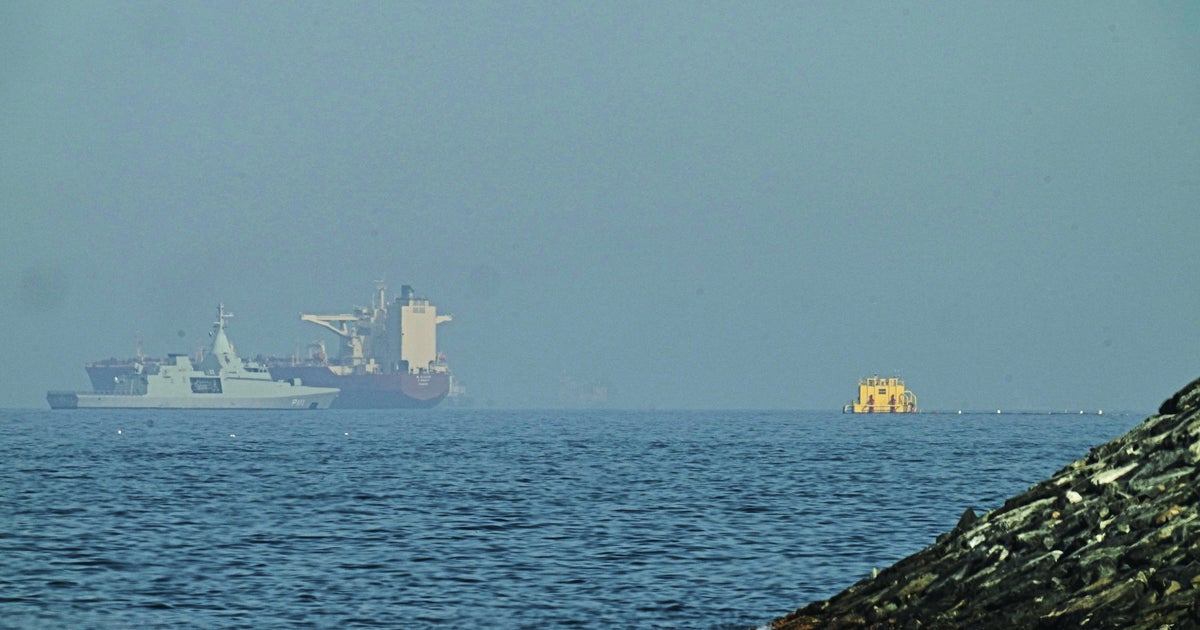
The apparent shift towards de-escalation appears to be significantly influenced by mediation efforts spearheaded by Pakistan. On Monday morning, the US Navy commenced escorting commercial vessels through the Strait of Hormuz, a vital artery for global energy supplies. However, by Tuesday afternoon, this operation was abruptly paused. President Donald Trump announced the reversal on his social media platform, citing "the request of Pakistan and other Countries" and "great progress" towards a "complete and final agreement" with Iran. This move suggests a significant diplomatic opening, facilitated by international partners. Earlier on Tuesday, US Secretary of State Marco Rubio declared that Operation Epic Fury, the air and naval campaign initiated on February 28, had been "concluded." The administration's stated objective has now shifted to seeking a "memorandum of understanding for future negotiations."
A Framework for Future Talks Emerges
For weeks, Iran has been advocating for a phased negotiation process, beginning with a preliminary deal to end the current conflict, followed by discussions on the US administration's demands regarding Tehran's nuclear programme. Initially, President Trump and his administration resisted this approach, insisting that Iran's nuclear activities were central to any potential agreement. However, recent reports suggest a strategic pivot from Washington. Axios and Reuters have indicated that the US and Iran are on the cusp of agreeing to a one-page MoU aimed at ending the war, even in the absence of detailed negotiations on Iran's nuclear capabilities. This development aligns with Iran's long-standing proposal for a preliminary understanding. Seyed Mojtaba Jalalzadeh, an international relations analyst in Tehran, described the diplomatic signals as a "sober reassessment in Washington of what was achievable." He characterized the move towards a memorandum of understanding as "a good, viable and important first step to solve the immediate problem."
Strait of Hormuz: A Crucial Chokepoint
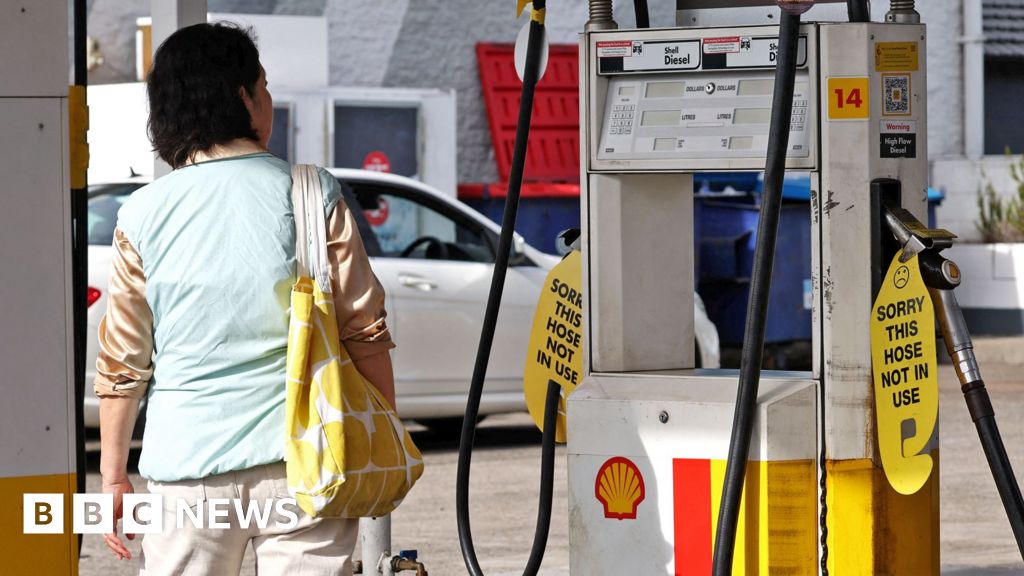
The conflict's epicenter has been Iran's threat to target oil ships traversing the Strait of Hormuz, a narrow waterway south of the country. These threats emerged in response to US-Israeli strikes that commenced on February 28. The strait is a critical transit point, with approximately one-fifth of the world's oil and gas shipments typically passing through its waters. For weeks, the strait has been effectively closed, leading to a significant slump in oil production and transportation within the region. Global gas prices have also experienced a sharp increase since the conflict began. While oil prices have seen a recent dip, they remain substantially higher than the $70 per barrel range observed before the US-Israel war with Iran commenced. The market's sensitivity to developments in this region highlights the fragility of global energy security.
Broader Market Performance and Regional Dynamics
The broader market movements on Wednesday showed a varied recovery. While the major European bourses remained below their late February levels, the US S&P 500 index managed to climb by more than 1% over the day. Asian markets displayed a more robust performance, with the South Korean Kospi closing up 6.45%, the Hong Kong Hang Seng ending 1.22% higher, and Japan's Nikkei finishing 0.38% up. Notably, the Hang Seng index is still down since the conflict's inception, contrasting with the gains seen in the Nikkei and Kospi. This divergence reflects the complex interplay of regional stability, global economic factors, and investor sentiment. The agreement on a ceasefire on April 8 had previously triggered a notable slump in oil prices and a jump in stock markets, demonstrating the immediate impact of perceived de-escalation on financial sentiment.
The Role of Saudi Arabia and the Path Forward
Pakistani officials involved in the mediation efforts confirmed that Islamabad's role as an intermediary has intensified, with senior officials maintaining direct communication with both the US and Iran. Prime Minister Shehbaz Sharif of Pakistan publicly acknowledged the involvement of Saudi Arabia's Crown Prince Mohammed bin Salman, stating that the Crown Prince had also urged the US president to suspend military operations in the Strait of Hormuz. In a social media post, Sharif expressed "very hopeful that the current momentum will lead to a lasting agreement that secures durable peace and stability for the region and beyond." This sentiment is echoed by analysts who view the move towards a framework agreement as a pragmatic first step. While the prospect of a preliminary deal to end the war offers a significant reprieve, the ultimate success of these negotiations will hinge on the ability of both sides to navigate complex issues, particularly Iran's nuclear programme, in subsequent detailed talks.
The bottom line
- Hopes for a US-Iran deal have caused oil prices to drop and stock markets to rise globally.
- Pakistan and Saudi Arabia have played a crucial role in mediating a potential agreement.
- The US Navy has paused escort operations in the Strait of Hormuz following mediation efforts.
- A preliminary 'memorandum of understanding' to end the war is reportedly being pursued.
- The conflict has significantly impacted oil and gas shipments through the Strait of Hormuz.
- While tensions may be easing, oil prices remain elevated compared to pre-conflict levels.





US Summer Electricity Bills to Rise 8.5% as Grid Upgrades and Data Center Demand Drive Costs
U.S. Begins Guiding Ships Out of Strait of Hormuz as Iran Threatens Attack

Islamabad Braces for a Week of Rising Temperatures as Clear Skies Take Hold
