Hantavirus Outbreak Grips Cruise Ship, Stranding Passengers
Three dead and eight cases linked to Andes virus on MV Hondius; WHO coordinates international response.
PAKISTAN —
Key facts
- Three passengers have died from suspected hantavirus infections on the MV Hondius.
- Eight cases, including three deaths, have been reported in connection with the cruise ship.
- cases have been confirmed as hantavirus.
- The outbreak involves the Andes strain of hantavirus, capable of limited human-to-human transmission.
- Passengers potentially exposed have already traveled to numerous countries, including the UK, US, and Netherlands.
- The World Health Organization (WHO) is coordinating the international response.
- The ship, MV Hondius, departed Argentina on April 1 for a polar cruise.
A Deadly Voyage Unfolds
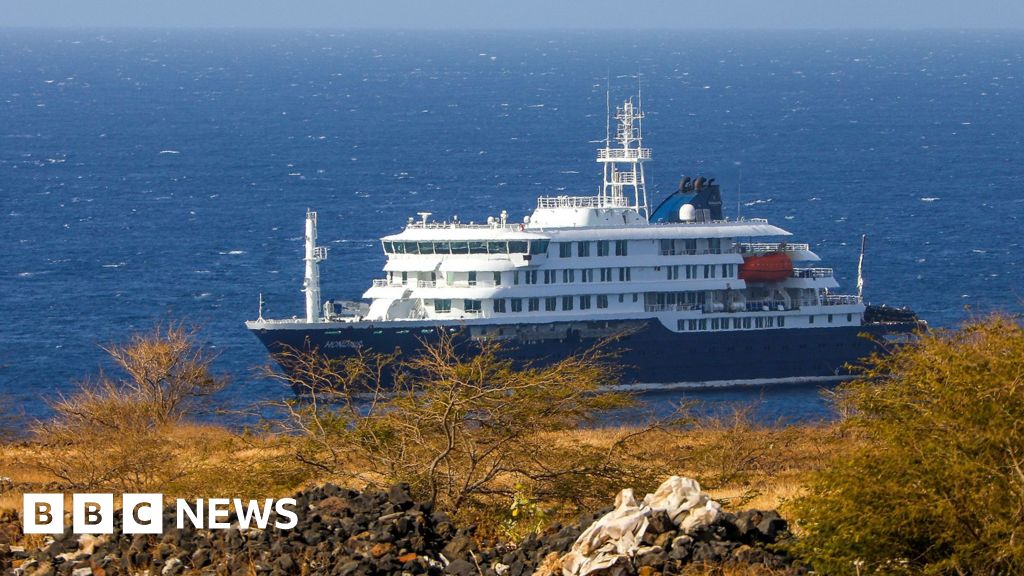
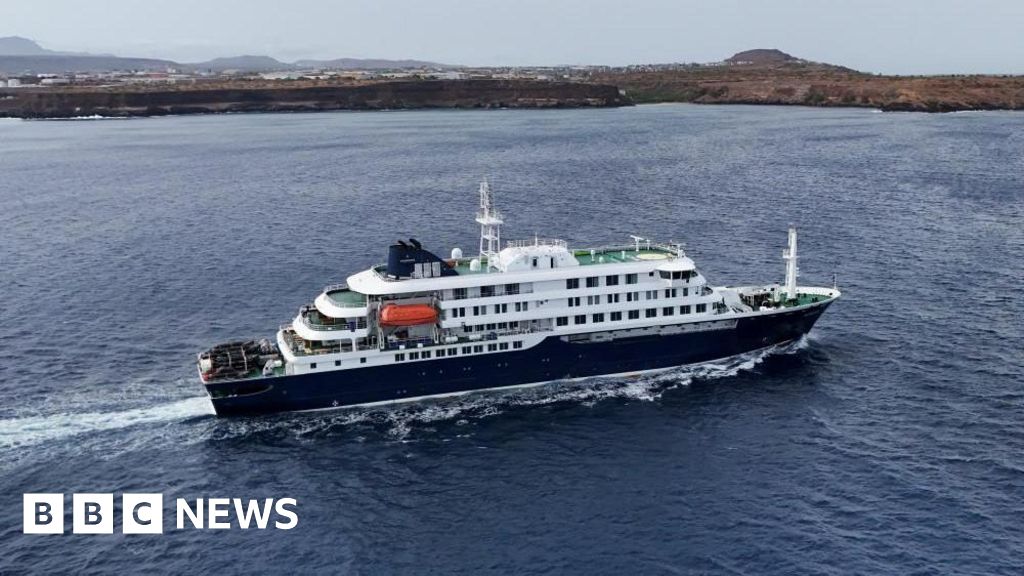
Three passengers have died, and four others have been medically evacuated from the cruise ship MV Hondius, a vessel currently anchored off the coast of Cape Verde. The situation, involving a cluster of hantavirus infections, has prompted a serious international response as authorities work to trace passengers who have already disembarked and flown to various countries. The ship, which set sail from Argentina a month ago for a polar cruise, now finds itself at the center of a global health alert. The World Health Organization (WHO) is coordinating efforts to manage the crisis, ensuring affected patients receive care and that the remaining nearly 150 passengers and crew on board are kept safe and treated with dignity. This outbreak underscores the complexities of managing health threats that transcend borders, highlighting the importance of global cooperation and the established frameworks like the International Health Regulations (IHR).
The Andes Virus and Its Spread
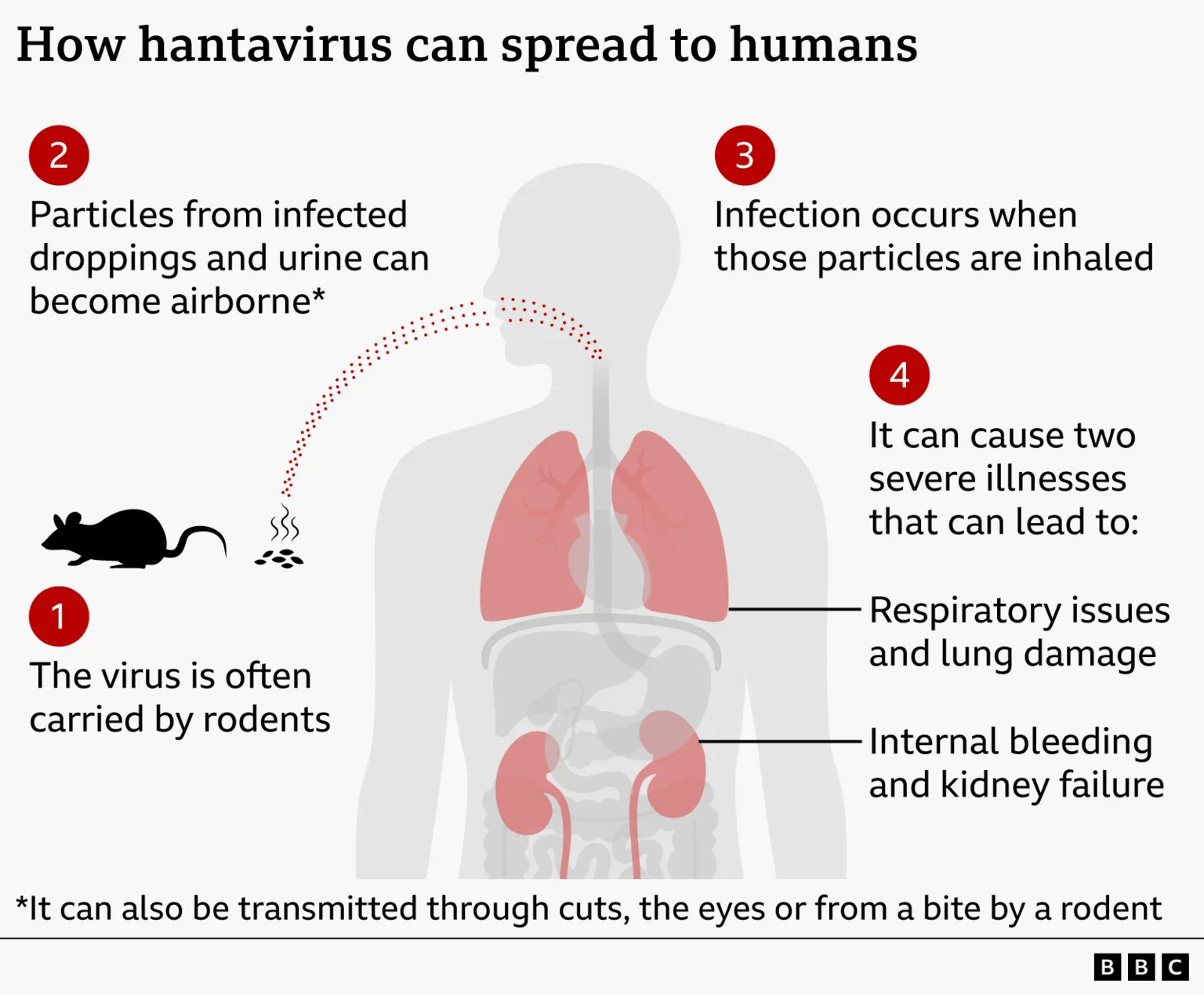
The hantavirus implicated in the outbreak is the Andes virus, a specific strain known for its potential, albeit limited, human-to-human transmission. Unlike highly contagious viruses such as measles, the Andes strain is not easily spread. Infections typically originate from rodents, with humans contracting the virus by inhaling air contaminated with particles from rodent urine, droppings, or saliva. However, health experts believe that some infections on board the MV Hondius may have passed between passengers. The close and prolonged physical proximity inherent in cruise ship living conditions—sharing cabins and dining areas—creates an environment where such transmission is possible, even with heightened hygiene protocols. While the risk of widespread global infection is considered low by health authorities, the WHO has noted that given the virus's incubation period, more cases may emerge. The organization is working to provide operational guidance for the safe and respectful disembarkation and onward travel of those on the ship.
International Response and Tracing Efforts
The WHO was first notified of the situation on Saturday, May 2, 2026, and has since deployed an expert to the ship to assist with medical assessments and gather critical information. The organization is also facilitating the shipment of 2,500 diagnostic kits from Argentina to laboratories in five countries to bolster testing capabilities. A significant challenge lies in tracing passengers who may have been exposed and have already returned to their home countries, including the United Kingdom, South Africa, the Netherlands, the United States, and Switzerland. Health experts are stressing that the risk to the general public in these nations remains low. Dr. Maria Van Kerkhove of the WHO emphasized that this outbreak is not indicative of a pandemic, distinguishing it from diseases like COVID-19 or influenza due to its different mode of spread. The focus remains on containment and ensuring the well-being of those directly affected.
Awaiting Resolution at Sea
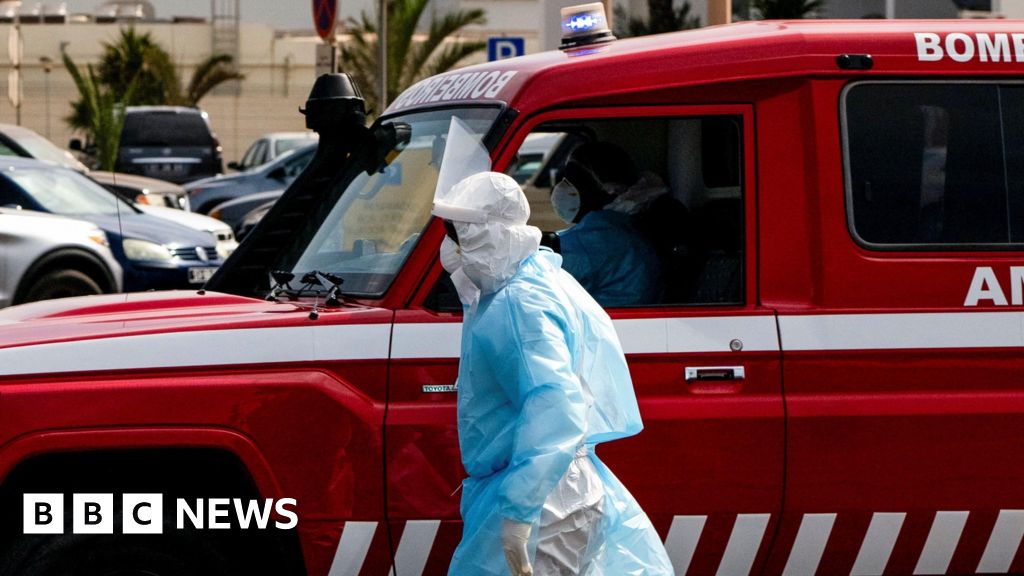
Footage obtained from the ship depicts deserted decks and medical personnel in protective gear, illustrating the tense atmosphere as the vessel and its nearly 150 occupants awaited a resolution. Passengers have described their days as "close to normal, just waiting for authorities to find a solution," while maintaining high morale through activities like reading and watching movies. The operating company, Oceanwide Expeditions, has stated its intention to sail to Spain's Canary Islands once three individuals have been medically evacuated via specially equipped planes to the Netherlands. This plan is contingent on ongoing discussions with relevant authorities and the completion of necessary medical transfers. Authorities in Cape Verde have dispatched medical teams, including doctors, surgeons, nurses, and laboratory specialists, to the MV Hondius. These teams were seen in video footage wearing full protective gear as they boarded a smaller vessel to reach the ship, a precautionary measure for the rodent-borne illness.
Navigating Uncertainties
The MV Hondius, a Dutch vessel, embarked on its weekslong polar cruise from Argentina on April 1, with a route that included Antarctica and several isolated islands in the South Atlantic. The circumstances leading to the initial infection remain under investigation, with possibilities including contact with infected rodents in remote wildlife areas before boarding or even prior to the cruise's departure. Passengers Qasem Elhato and Helene Goessaert have shared their experiences, with Elhato sending video footage and Goessaert describing the shared predicament as "literally in the same boat." The ship operator has implemented its highest level of response, including isolation measures, hygiene protocols, and medical monitoring. Discussions are ongoing with Spanish and other European health officials regarding the ship's ultimate destination and the safe disembarkation of all passengers and crew. The situation highlights the challenges of managing such health incidents at sea, particularly when involving international waters and multiple jurisdictions.
Broader Implications and Future Steps
Dr. Tedros Adhanom Ghebreyesus, WHO Director-General, has characterized the incident as serious but assessed the public health risk as low. He reiterated the importance of global cooperation, stating that the event "demonstrates why the IHR exist." The WHO's priorities are clear: ensuring patient care, safeguarding those on board, and preventing further spread. The incident serves as a stark reminder of the potential for infectious diseases to emerge and spread, even in the age of advanced travel and communication. While the immediate risk may be contained, the extensive travel of passengers to multiple countries necessitates continued vigilance and robust public health surveillance. As the MV Hondius awaits its next port of call, the world watches, underscoring the interconnectedness of global health security and the critical role of international collaboration in navigating such crises.
The bottom line
- Three deaths and eight total cases, five confirmed, have been linked to a hantavirus outbreak on the cruise ship MV Hondius.
- The Andes strain of hantavirus is involved, which can spread between humans through close, prolonged contact.
- Passengers potentially exposed have already traveled to numerous countries, prompting international contact tracing efforts.
- The World Health Organization is coordinating the global response, providing medical support and diagnostic kits.
- The ship's operator plans to move the vessel to the Canary Islands after medical evacuations to the Netherlands.
- Health authorities assess the global public health risk as low, emphasizing this is not the start of a pandemic.

Hantavirus Confirmed on Atlantic Cruise Ship After Three Deaths, WHO Investigates
Hantavirus Outbreak on Cruise Ship Claims Lives, Prompts Global Health Alert

GCU Baseball Game Against Arizona State Canceled