India and Pakistan: One Year On, a Frozen Peace
A year after a near-catastrophic conflict, the nuclear-armed neighbours remain locked in estrangement, with military planners preparing for future clashes.
PAKISTAN —
Key facts
- A four-day conflict between India and Pakistan in May 2025 brought South Asia to the brink of escalation.
- Diplomatic and political ties between India and Pakistan remain frozen.
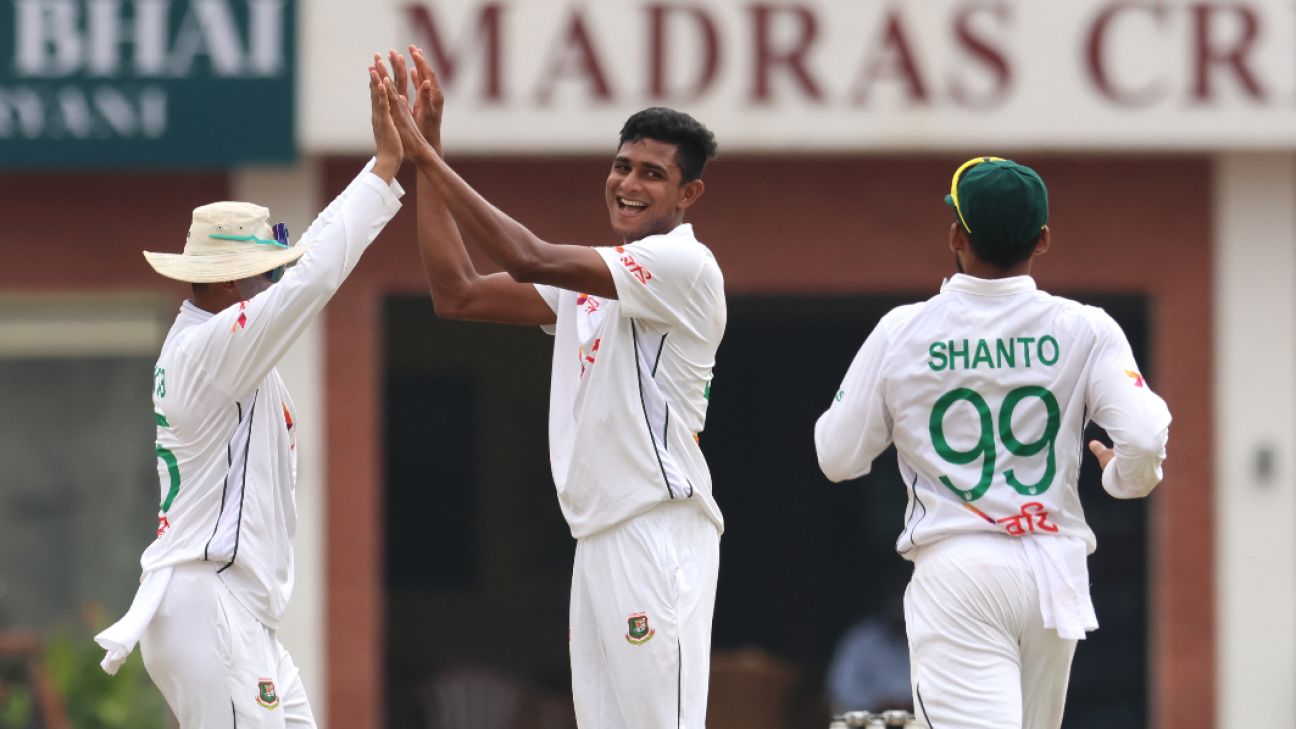
- Border crossings, trade, and cricket relations are suspended.
- Military planners in both India and Pakistan are acquiring new capabilities to inflict greater damage.
- Both nations believe future conventional fighting may not risk nuclear escalation.
- President Donald Trump claimed credit for ending the May 2025 conflict.
- Pakistan has regained geopolitical relevance through its role in Middle East diplomacy.
An Uneasy Equilibrium Persists
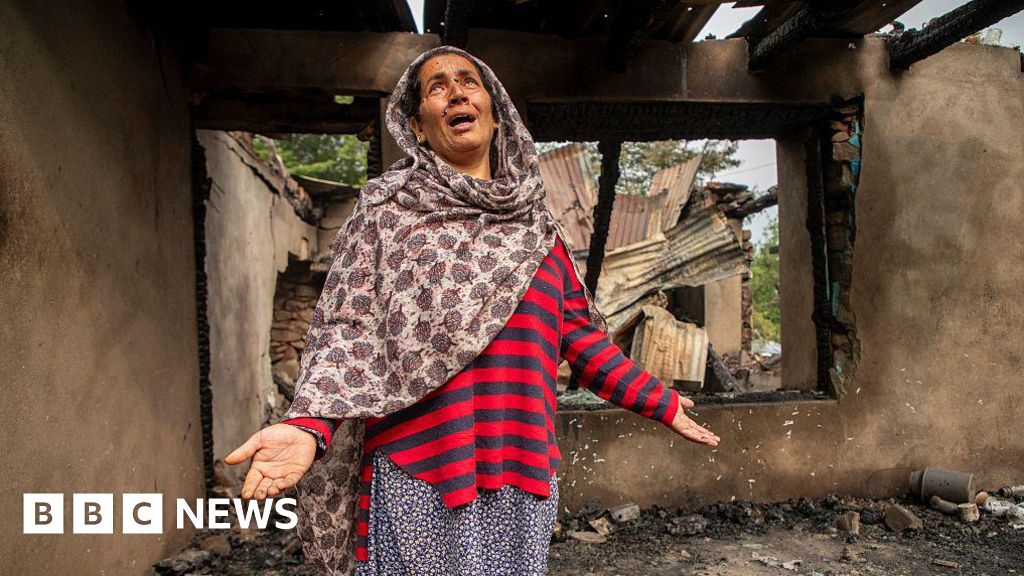
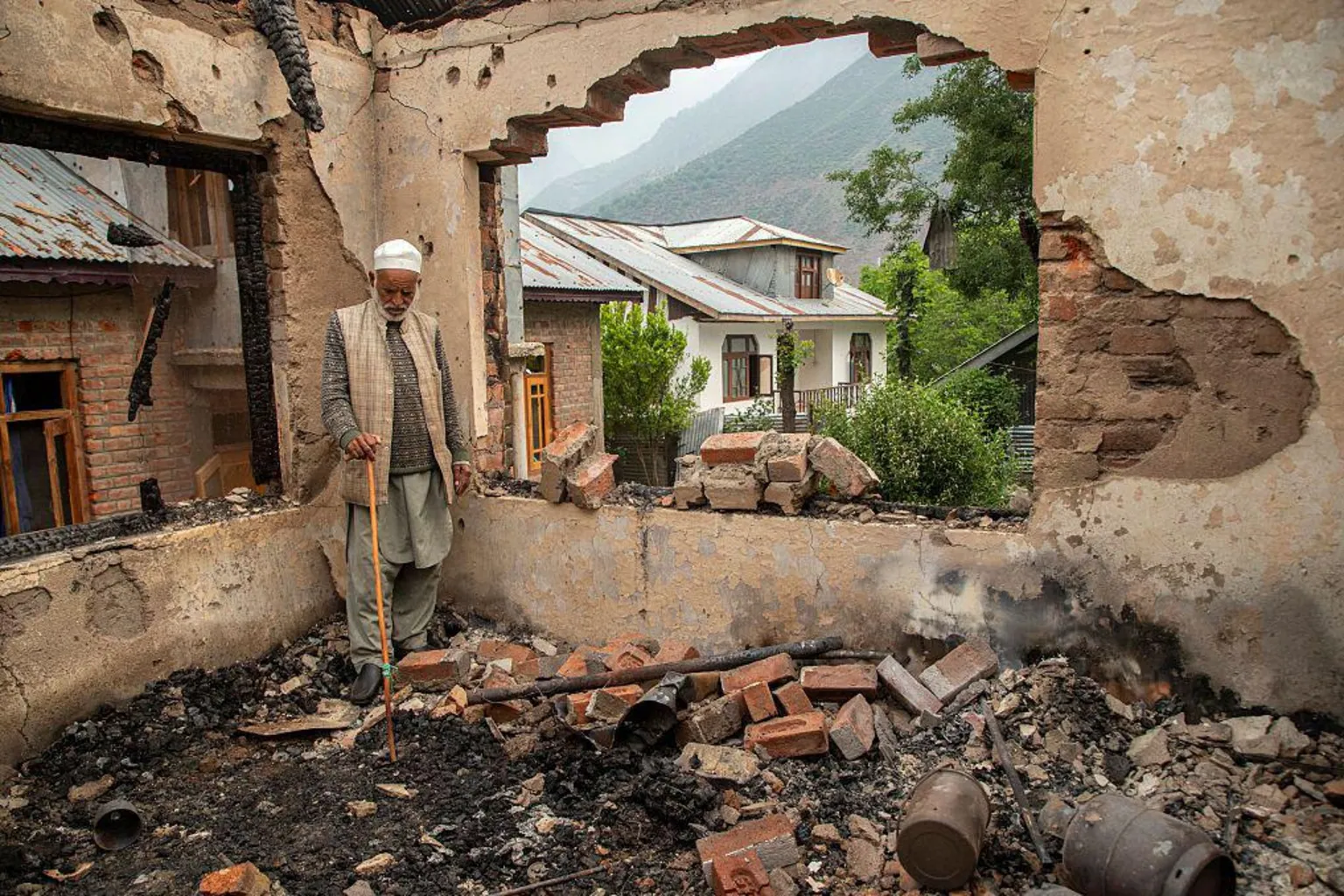
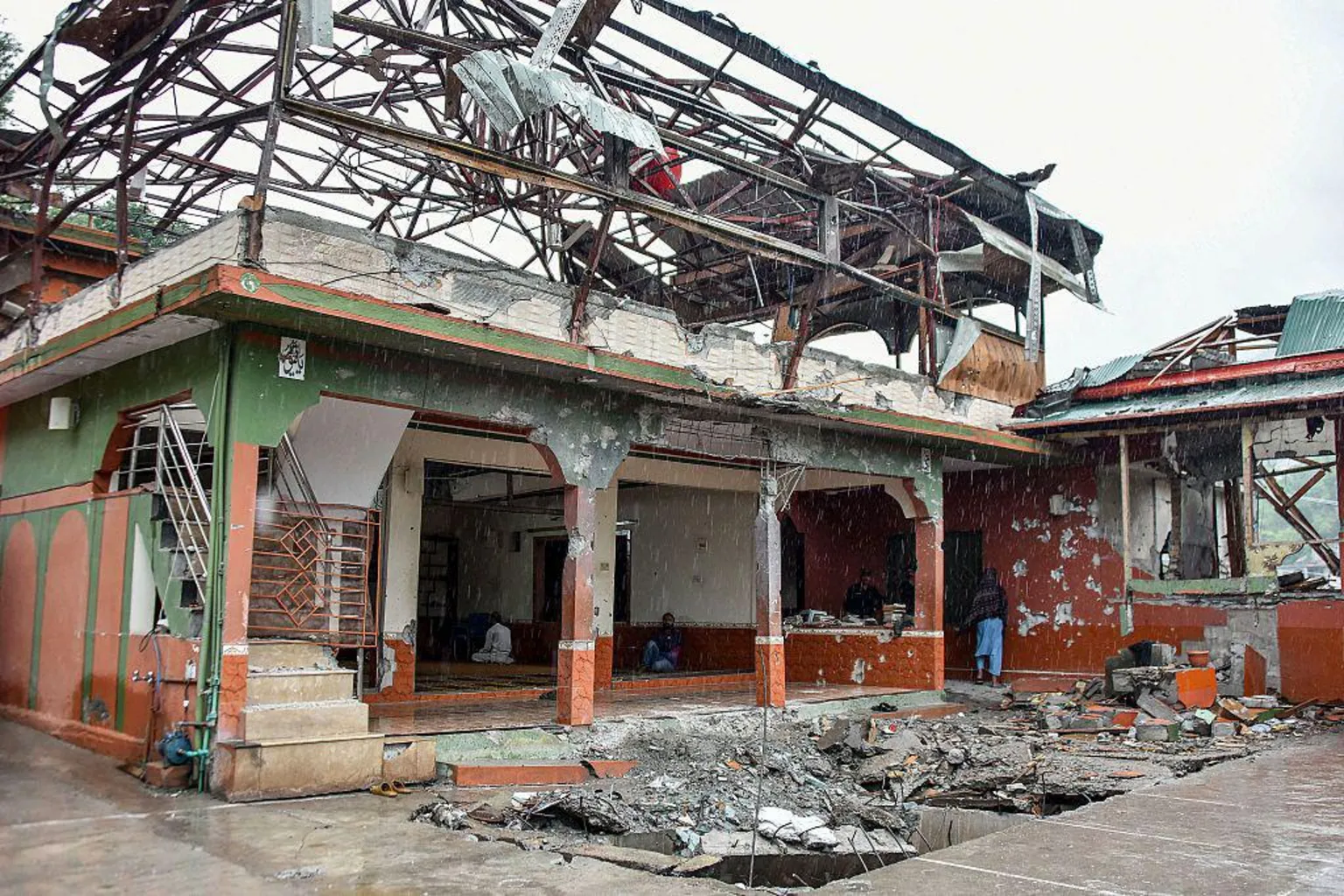
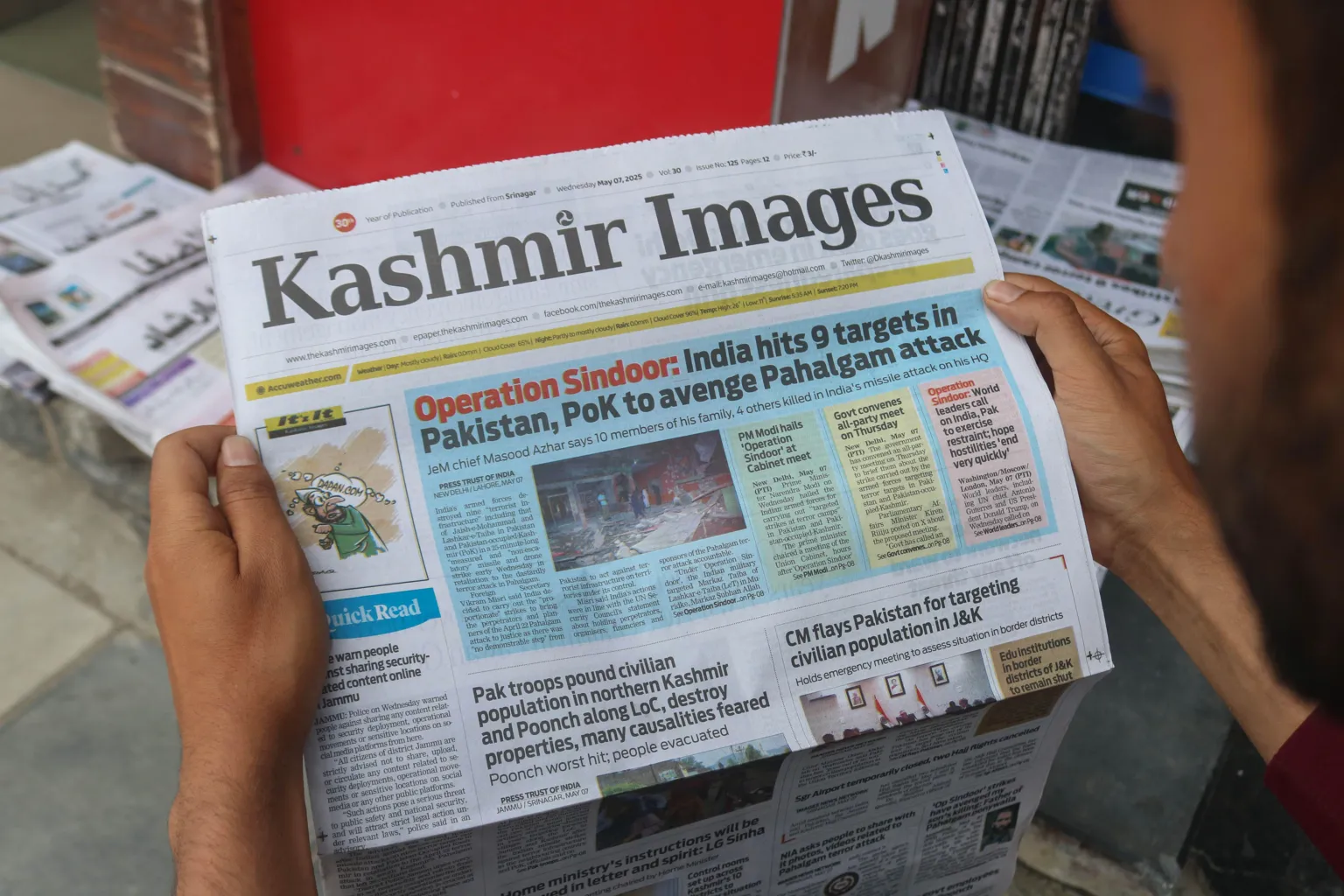
A year after a four-day military confrontation pushed South Asia to the precipice of a dangerous escalation, the region has settled into a brittle and deeply uneasy equilibrium. The crisis, ignited by a militant attack in Indian-administered Kashmir and escalating to military strikes by India and retaliatory actions from Pakistan, lasted a mere 90 hours. Yet, its aftermath has solidified political and diplomatic estrangement, leaving scant room for even limited normalisation. The tangible consequences of the conflict are stark: the border remains shut, trade is suspended, cricket ties are severed, and the Indus Waters Treaty is in abeyance. This deep freeze in relations, according to former Pakistani diplomat Husain Haqqani, is one of the longest periods of frozen ties, driven by a lack of perceived need for either side to reach out to the other, domestically or internationally. These aftershocks extend far beyond the volatile Line of Control separating the two nuclear-armed neighbours. The conflict significantly altered external perceptions of the regional balance.Advanced International Studies. Prior to May 2025, many observers believed India held an overwhelming advantage, but Pakistan's ability to withstand the initial Indian onslaught played to its strategic advantage, though the full implications of a prolonged conflict remain unclear. Most notably, the conflict appears to have restored a degree of geopolitical relevance to Pakistan, a standing it had long lost. Its emergence as an intermediary in regional conflicts caught many by surprise. Christopher Clary, a security affairs expert at the University at Albany, notes that Pakistan has rebuilt its relevance, with its leaders conducting shuttle diplomacy throughout the Middle East. The question remains whether this revival is transitory or a product of specific geopolitical preferences.
Lessons Learned on the Battlefield
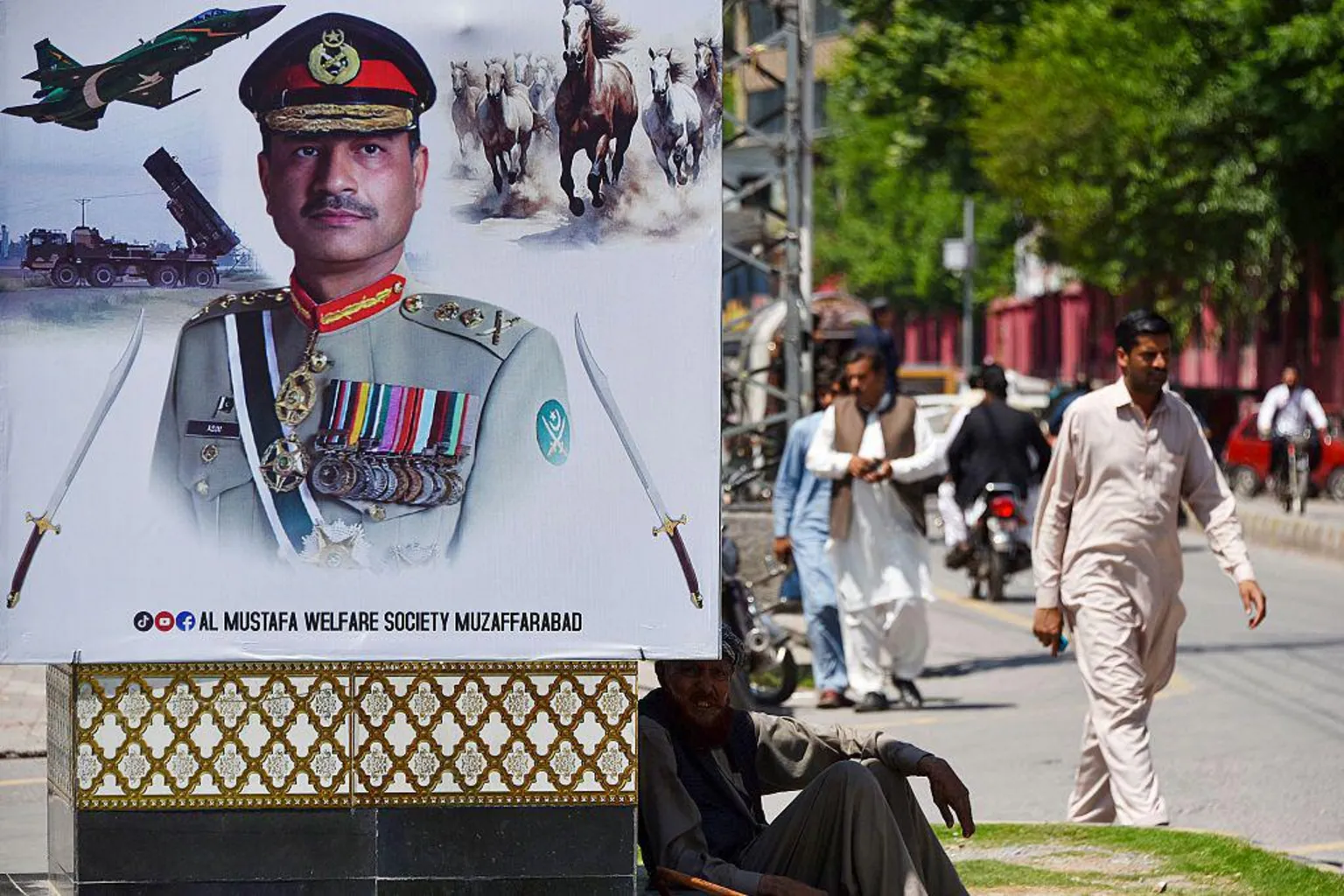
Far from being chastened by the scale of the May 2025 fighting, military planners in both India and Pakistan have spent the past year drawing critical lessons on how to inflict greater damage in future confrontations. Both sides have concluded that the next major clash will hinge on their capacity to strike faster, farther, and in greater volume than before. These lessons are being actively put into practice through the acquisition of new capabilities, the expansion of domestic development programs, and the implementation of significant structural reforms aimed at enhancing the speed and coordination of their forces. There is a growing conviction that more intense conventional fighting in a future conflict would not necessarily trigger nuclear escalation. This confidence, however, belies the continued risk of escalation in a region that is home to a quarter of the world's population. Even with the advent of precision-strike warfare making deliberate nuclear use less likely than in a ground combat scenario, the introduction of novel systems, targets, and domains inherently increases the risk of inadvertent nuclear deployment. The next crisis between India and Pakistan, when it inevitably arrives, is likely to prove more dangerous, more destructive, and more difficult for external powers, such as Washington, to manage. While both nations have historically demonstrated considerable caution in managing crises and avoiding uncontrolled escalation, they have now climbed new rungs on the escalation ladder without severe repercussions. This has left them more determined to exact meaningful costs on the battlefield and more confident in their ability to do so.
Trump's Claims and Bilateral Tensions
President Donald Trump has repeatedly celebrated his role in ending the May 2025 conflict between India and Pakistan, calling it his most proud achievement and asserting that U.S. intervention prevented a nuclear war. These claims, however, have rankled New Delhi, which has consistently maintained that its disputes with Pakistan are strictly bilateral matters that do not require the mediation or intervention of external powers. The May 2025 crisis, which saw intense cross-border fire exchanged for four days, represented the most serious fighting between the two nuclear-armed neighbours in decades. It marked a significant expansion of conventional conflict below the nuclear threshold, with drones, missiles, and artillery striking an unprecedented number of sensitive targets, including military bases and urban centres. Washington's traditional role in facilitating de-escalation remains critical. However, President Trump's public assertions are likely to complicate future mediation efforts. To counter the potential backlash in India that could hinder crucial diplomatic outreach, the United States and its partners must prepare for a future crisis that may differ significantly from the last. Developing and testing a playbook for rapid decision-making, alongside supporting discreet channels for substantive engagement between New Delhi and Islamabad, could be vital in preventing the next spark from igniting a true conflagration. The challenge lies in navigating the complex geopolitical landscape while respecting the deeply held principle of bilateralism.
Geopolitical Shifts and Pakistan's Renewed Relevance
The conflict's aftershocks have reverberated beyond the immediate theatre of operations, significantly altering outside impressions of the regional balance of power. Daniel Markey of Johns Hopkins School of Advanced International Studies observed that before May 2025, many international observers perceived India as holding an overwhelming advantage over Pakistan. However, Pakistan's demonstrated ability to weather the initial Indian onslaught shifted this perception, playing to its strategic advantage even if the long-term consequences of a protracted conflict remain uncertain. Perhaps most strikingly, the conflict appears to have restored a measure of geopolitical relevance to Pakistan, a standing that had waned over time. Its emergence as an intermediary in regional conflicts, such as the Iran war, caught many observers by surprise. Christopher Clary, a security affairs expert at the University at Albany, posits that Pakistan has effectively rebuilt its relevance, with its leaders actively engaging in shuttle diplomacy across the Middle East. This revival has unfolded against a backdrop of wider geopolitical churn. The question of whether this renewed prominence is a lasting shift or merely a temporary product of specific geopolitical circumstances, such as the U.S. president's personal preferences, remains a subject of analysis. The implications of this rebalancing act for regional stability and international diplomacy are still unfolding. The ability of Pakistan to leverage its renewed standing in the Middle East, coupled with its strategic calculus regarding future conflicts with India, presents a complex dynamic. The international community watches closely as these shifts potentially reshape regional alliances and security architectures.
The bottom line
- A year after a brief but intense conflict, India and Pakistan remain in a state of deep diplomatic and political estrangement.
- Key channels of interaction, including border crossings and trade, remain suspended.
- Both nations' military planners are actively enhancing their capabilities for future conventional conflicts.
- There is a growing belief within both countries that future conventional fighting may not lead to nuclear escalation.
- Pakistan has seen a resurgence in its geopolitical relevance, partly due to its role in Middle East diplomacy.
- The risk of escalation in future India-Pakistan crises is considered higher and more difficult for external powers to manage.


Jet Fuel Surge Forces Airlines to Ground Flights, Disrupting Summer Travel

US Summer Electricity Bills to Rise 8.5% as Grid Upgrades and Data Center Demand Drive Costs
U.S. Begins Guiding Ships Out of Strait of Hormuz as Iran Threatens Attack