Jet Fuel Surge Forces Airlines to Ground Flights, Disrupting Summer Travel
Record-high oil prices linked to geopolitical tensions are leading to widespread flight cuts and fare hikes, impacting millions of travelers.

PAKISTAN —
Key facts
- Jet fuel prices have increased by more than 80 percent since late February.
- Airlines have cut 9.3 million seats globally for the period of June 1 to September 30.
- Qatar Airways alone reduced its scheduled seats by two million for June through October.
- US-based Spirit Airlines has ceased operations, citing soaring fuel costs.
- Average international airfare from the US rose 16 percent year-on-year by late April.
- The effective closure of the Strait of Hormuz is nearing the 10-week mark.
Summer Travel Plans Grounded by Soaring Fuel Costs
The approaching summer holiday season is facing significant disruption as airlines worldwide respond to a dramatic surge in jet fuel prices. Thousands of flights have already been cancelled, forcing travelers to book earlier and accept higher fares to secure their travel plans. This situation is casting a long shadow over what is typically a peak period for global air travel. For many, the rising cost of flying has become an unavoidable concern. Theodore, a 50-year-old entrepreneur from Malaysia, typically waits for the best deals on budget airlines for his family's annual trips to South Korea and Japan. This year, however, he opted for full-service carriers like Korean Air and Malaysia Airlines, paying a premium to avoid the prospect of last-minute cancellations. "I saw prices going up, saw budget airlines cancelling flights often, and wanted to avoid any friction later on," Theodore stated, emphasizing the desire to reduce stress and potential travel headaches. His pragmatic approach reflects a wider trend of passengers prioritizing reliability over cost savings in the face of mounting uncertainty.
Geopolitical Tensions Fueling Aviation Crisis
The current crisis in air travel is intrinsically linked to elevated oil prices, which have been exacerbated by geopolitical events. Specifically, the ongoing situation surrounding the Strait of Hormuz, now approaching ten weeks of uneasy truce between the United States and Iran, is a primary driver of the increased cost of crude oil. Jet fuel, a refined product of crude oil, has seen its price climb by more than 80 percent since late February. This sharp escalation has placed immense financial pressure on airlines, compelling them to take drastic measures. The ripple effects are being felt across the globe, from major international hubs to regional carriers. In a stark illustration of the crisis, the US-based budget airline Spirit Airlines announced its permanent cessation of operations on Saturday. This move has been widely attributed to the unsustainable burden of soaring fuel costs, signaling the severity of the economic challenges facing the industry.
Widespread Flight Reductions Across Key Markets
The impact of rising fuel prices is manifesting in a significant reduction of available seats across numerous global markets. airlines have collectively cut 9.3 million seats for the period between June 1 and September 30. This substantial decrease affects travel plans for millions of passengers. The cuts are particularly pronounced in regions already grappling with aviation challenges. The Middle East, for instance, has seen the most significant reductions as airlines continue to reel from airspace closures implemented in response to past security incidents. Qatar Airways alone has slashed two million seats from its schedule for June through October. Other major carriers in the region are also implementing substantial cuts. Emirates, based in the United Arab Emirates, has reduced its planned capacity by 700,000 seats, while its counterpart Etihad Airways has cut 450,000 seats. These figures underscore the widespread nature of the flight reductions impacting global air connectivity.
Fares Climb as Capacity Shrinks
As airlines reduce their flight schedules, the diminished supply of seats is inevitably leading to higher ticket prices. For scheduled flights that are still operating, passengers are finding that fares are substantially more expensive than they were prior to the recent surge in fuel costs. Data from travel search aggregator Kayak reveals a clear trend in fare increases. In the last week of April, the average international airfare originating from the United States stood at $1,101. This represents a significant 16 percent increase compared to the same period in the previous year. The combination of fewer flights and higher prices presents a challenging landscape for travelers. Those who had planned their holidays or business trips based on pre-existing budgets may now find their plans untenable, forcing difficult choices between reduced travel or increased expenditure.
Airlines Adapt to New Economic Realities
The current environment demands significant adaptation from airlines, moving beyond simple fare adjustments. The widespread cancellations and schedule reductions are indicative of a strategic shift in how carriers are operating in response to the volatile fuel market. Some airlines are implementing new policies to manage the uncertainty. Plans are being considered that would allow airlines to cancel flights in advance if fuel shortages become a persistent issue, providing a degree of predictability for their operations, albeit at the cost of passenger convenience. This proactive approach, while potentially disruptive, is a necessary measure for airlines to maintain financial stability. The long-term implications of these adjustments are still unfolding, but they signal a fundamental change in the operational calculus for air carriers worldwide.
The bottom line
- Global air travel is facing widespread disruption due to a more than 80 percent increase in jet fuel prices since late February.
- Geopolitical tensions, particularly concerning the Strait of Hormuz, are a key factor driving up crude oil and subsequently jet fuel costs.
- Airlines have cut nearly 9.3 million seats globally for the summer travel season, with significant reductions in the Middle East.
- Ticket prices have risen substantially, with average international airfares from the US increasing by 16 percent year-on-year.
- Spirit Airlines has ceased operations entirely, highlighting the severe financial strain on carriers, especially budget airlines.
- Passengers are increasingly booking earlier and opting for full-service airlines to avoid potential cancellations and disruptions.


US Summer Electricity Bills to Rise 8.5% as Grid Upgrades and Data Center Demand Drive Costs
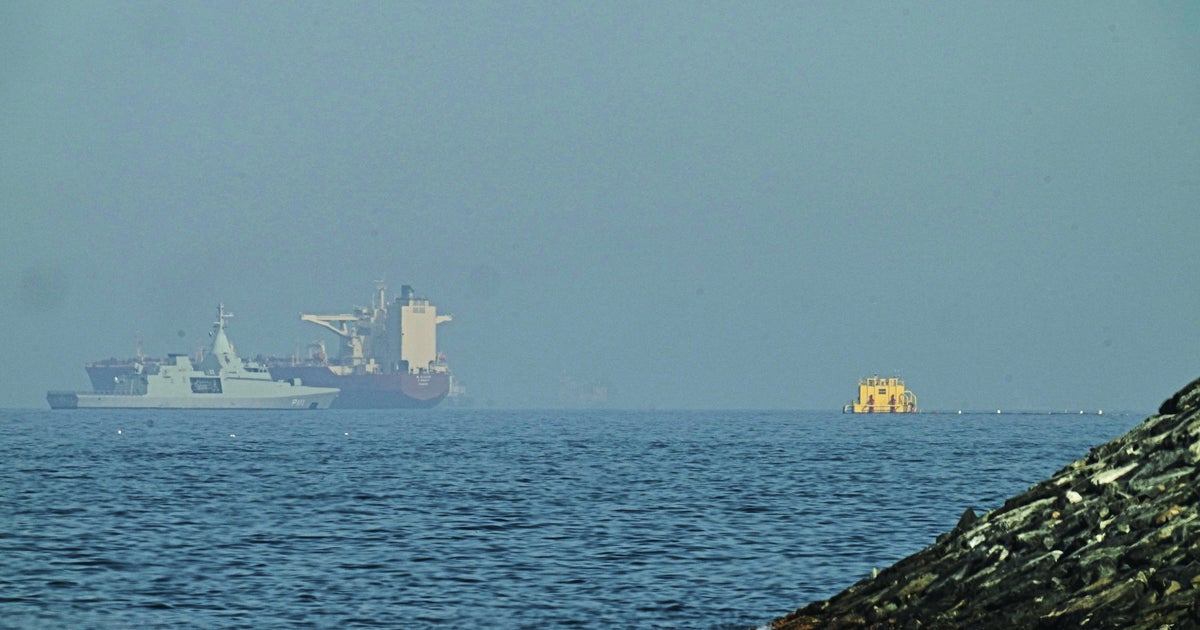
U.S. Begins Guiding Ships Out of Strait of Hormuz as Iran Threatens Attack

India and Pakistan: One Year On, a Frozen Peace