Thunderstorms and Pollution Define Lahore's Climate Shift
Forecasters warn of tropical instability amid high pollution levels, with temperature swings and varied precipitation predicted over the coming days.

PAKISTAN —
Key facts
- The air pollution levels in Lahore have reached a high degree, posing risks to sensitive populations.
- Forecasts indicate developing afternoon thunderstorms, with high temperatures reaching up to 44°C.
- Winds across the coming 10-day period are generally light, varying between 10 to 15 km/h.
- The possibility of rain remains consistently present, forecast at 40% across the initial period.
- Punjab has issued alerts predicting thunderstorms accompanied by rain over the next 12 to 24 hours.
- The local health warning advises reducing time spent outdoors if experiencing symptoms such as difficulty breathing or throat irritation.
Pollution and Meteorological Volatility Mark Current Conditions
Lahore currently navigates a volatile blend of intense pollution and rapidly changing weather patterns. The air quality has deteriorated significantly, achieving a high level of pollution that is deemed unhealthy for sensitive demographics. This atmospheric stress forces immediate caution: those susceptible to respiratory issues, such as difficulty breathing or throat irritation, are strongly advised to curtail their time spent outdoors. Simultaneously, the weather forecast points to significant short-term instability, marked by developing thunderstorms in the afternoons. Visibility remains a concern, with areas of smoke occasionally reducing clarity across the coming cycle.
Tropical Instability Forecasts a Pattern of Rain and Heat
Over the next ten days, the region is set for a noticeable swing between humid warmth and wet episodes. Early predictions point toward high temperatures reaching 44°C, although lows will remain substantial, dipping into the late twenties and low thirtys. The possibility of rainfall is forecast at 40% across the immediate stretch. While general weather descriptions range from 'generally clear' to 'partly cloudy,' the threat of rain, accompanied by the atmospheric interference of smoke, persists. The general trend of the weather suggests periods of great clarity, interspersed with episodes of rain and thunder, indicating a typical monsoon-like transition for the city.
Regional Alerts and Municipal Interventions Address Public Safety
Beyond the immediate climate concerns, local authorities and public safety agencies remain active, issuing specialized alerts. Specific warnings have been broadcast detailing an expected period of thunderstorms and rain over the next 12 to 24 hours in Punjab. Meanwhile, municipal and civil bodies are tightening regulatory oversight. For instance, the Punjab Food Authority has executed crackdowns in Lahore, leading to the closure of six units, including those identified as manufacturing substandard food items, and the shuttering of three specific food points. This visible regulatory action underscores a heightened focus on public welfare, extending across food safety and general urban stability.
The Persistence of Local Concerns Beyond the Sky
The narrative of Lahore extends far beyond the immediate forecast, encompassing socio-economic activity and governance. In parallel with the weather reports, local court proceedings, political assemblies, and police operations continue to dominate the news cycle. These domestic matters range from legislative debates concerning the reform of laws, such as the Anti-Zina by Force Investigation Act, to logistical announcements regarding the treatment funds for specialized children of police personnel. events demonstrates the intense pace of daily life in the city.
A Day-to-Day Picture of Atmospheric Conditions
When observing the atmospheric metrics, the dew point is projected to hover around 60°F to 61°F. Complementing this is an average humidity level predicted to range from 14% to 18%. These figures paint a detailed picture of the tropical air mass affecting the region. The combination of high pollution, fluctuating humidity, and developing thunderstorms creates a complex environment for residents and planners alike. The confluence of meteorological factors necessitates careful personal preparation.
Looking Ahead: Managing Climate Risks and Public Health
The convergence of extreme heat, pollution, and unstable rainfall suggests that Lahore must manage a delicate balancing act. The high pollution alert necessitates behavioral change from the public, suggesting a pattern of reduced outdoor activity. As the weather transitions, the focus will shift to mitigating the immediate dangers posed by heavy rain and potential flash flooding in low-lying areas. The operational readiness of public services, supported by local administrative decisions, will be crucial in maintaining stability.
The bottom line
- Pollution remains a primary public health concern in Lahore, with official advisories recommending reduced outdoor exposure for vulnerable groups.
- The weather pattern is volatile, characterized by afternoon thunderstorms and a 40% probability of rain amid high heat (up to 44°C).
- Authorities are actively conducting regulatory crackdowns, exemplified by the Punjab Food Authority shutting down six units for substandard goods.
- The region's overall atmospheric conditions feature stable dew points around 60-61°F and moderate humidity between 14-18%.


Jet Fuel Surge Forces Airlines to Ground Flights, Disrupting Summer Travel
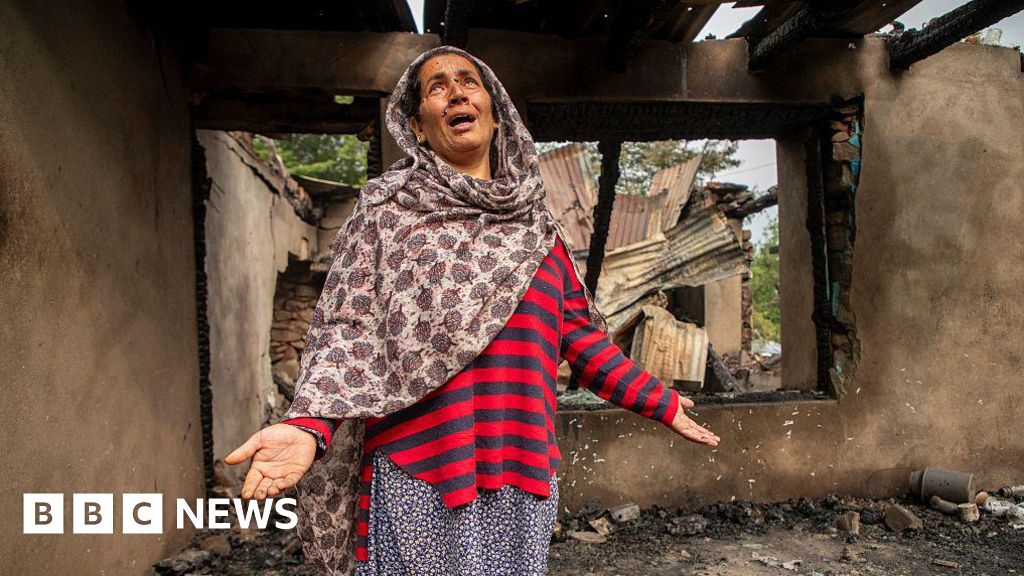
India and Pakistan: One Year On, a Frozen Peace