Oil Prices Flat as Trump's Strait of Hormuz Plan Fails to Convince Markets
Brent crude barely budges after US president announces 'Project Freedom' to guide stranded vessels, while Iran warns of ceasefire breach.

PAKISTAN —
Key facts
- Brent crude futures for July stood at $108.11 as of 05:00 GMT, down 0.06%.
- Trump announced 'Project Freedom' on Sunday to help free vessels stranded in the Strait of Hormuz.
- US Central Command said it would support transiting vessels with destroyers, 100+ aircraft, unmanned platforms, and 15,000 service members.
- Iranian parliament's National Security Commission head Ebrahim Azizi warned any US interference would breach the April 7 ceasefire.
- a tanker struck by unknown projectiles off UAE coast and a bulk carrier attacked by small craft off Iran.
- International Energy Agency called the disruption the biggest energy disruption in history.
Market Skepticism Greets 'Project Freedom'
Oil prices failed to ease on Monday despite United States President Donald Trump’s announcement of an operation to guide stranded vessels out of the Strait of Hormuz. Brent crude, the international benchmark, stood at $108.11 as of 05:00 GMT, down a mere 0.06 percent — essentially flat. Traders saw little hope that Trump’s plan would resolve what the International Energy Agency has called the biggest energy disruption in history. The lack of price movement underscored deep skepticism about the feasibility of the operation, dubbed 'Project Freedom'.
Trump's Vague Plan and Military Posturing
Trump said on Sunday that the US would 'help free up' vessels stranded in the Gulf starting Monday, but offered few details on how the operation would work. He did not specify whether the plan would involve naval escorts, a proposal previously rejected by administration officials who cited the need for further preparations. US Central Command later issued a statement saying it would 'support' vessels seeking to transit the waterway, without mentioning escorts. The command detailed that guided-missile destroyers, more than 100 land- and sea-based aircraft, multi-domain unmanned platforms, and 15,000 service members would be involved in supporting the effort.
Iran Warns of Ceasefire Breach
Senior Iranian officials signalled that Tehran will not cooperate with Trump’s plan, casting further uncertainty over the fragile ceasefire in place since April 7. Ebrahim Azizi, head of the Iranian parliament’s National Security Commission, warned on Sunday that any 'American interference' in the strait would be considered a breach of the truce. The warning raises the stakes for any US naval action, as a ceasefire violation could trigger a broader confrontation. The April 7 ceasefire had provided a fragile calm in the region, but the latest developments threaten to unravel it.
New Attacks Near UAE and Iran
On Monday, the United Kingdom’s military said it had received reports of a tanker being struck by 'unknown projectiles' off the coast of the United Arab Emirates. Hours earlier, a bulk carrier reported being attacked by multiple small craft off Iran. These incidents add to the volatility in the region, though they did not immediately move oil prices. The attacks underscore the persistent security threats to shipping in and around the Strait of Hormuz, a chokepoint for about a fifth of the world's oil.
Historical Context and Market Implications
The International Energy Agency has described the current disruption as the biggest in history, surpassing previous crises. Oil prices above $110 are starting to matter to the stock market again, as sustained high energy costs threaten to slow economic growth. while Brent crude has pulled back from recent highs, the underlying tensions remain unresolved. The flat price action on Monday suggests that markets are pricing in a prolonged stalemate rather than a quick resolution.
What Comes Next: Diplomatic and Military Crossroads
With Iran refusing to cooperate and the US military deploying significant assets, the situation remains at a delicate juncture. The lack of detail on 'Project Freedom' leaves open questions about whether the US will attempt to force a passage or seek a diplomatic solution. Meanwhile, the attacks off the UAE and Iran indicate that the security environment is deteriorating. Any escalation could push oil prices sharply higher, while a diplomatic breakthrough could ease them. For now, the market is watching and waiting.
The bottom line
- Brent crude remained nearly unchanged at $108.11 despite Trump's Strait of Hormuz plan.
- Trump's 'Project Freedom' lacks specifics and faces opposition from Iran, which calls it a ceasefire breach.
- US Central Command is deploying 15,000 troops, destroyers, and aircraft to support vessel transit.
- New attacks on a tanker off UAE and a bulk carrier off Iran highlight ongoing security risks.
- The International Energy Agency calls the disruption the biggest energy disruption in history.
- Markets appear to price in a prolonged stalemate, with oil above $110 threatening economic growth.


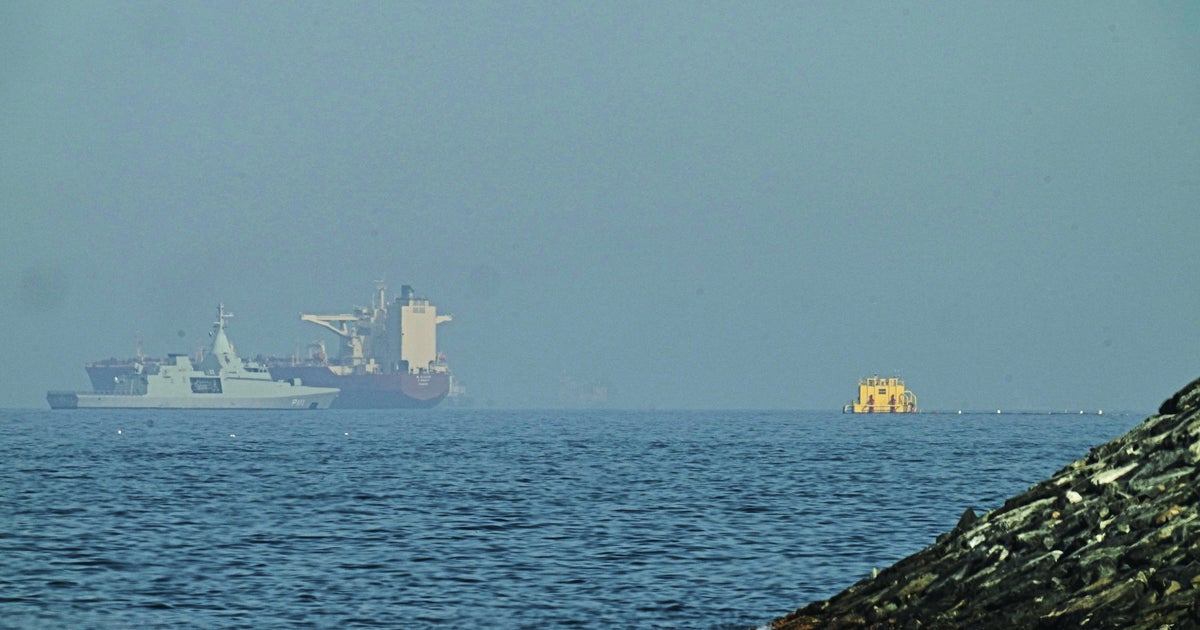
U.S. Begins Guiding Ships Out of Strait of Hormuz as Iran Threatens Attack

Islamabad Braces for a Week of Rising Temperatures as Clear Skies Take Hold

‘How do you tell a three-year-old?’: Pakistani families plead for help as Somali piracy resurges
