Shell Reports $6.9 Billion Profit Amidst Global Energy Turmoil
Soaring energy prices driven by conflict in Iran fuel record earnings for the oil giant, sparking renewed calls for windfall taxes.

PAKISTAN —
Key facts
- Shell posted first-quarter profits of $6.9 billion.
- This represents an 115% increase from the previous quarter's $3.2 billion.
- Profits surpassed analyst forecasts of $6.4 billion.
- The company announced a 5% dividend hike for investors.
- Crude oil prices surged from $61 to $119 per barrel during the quarter.
- Shell's oil and gas production fell by 4% following damage to its Qatar gas plant.
- Repairs to the Qatar plant are expected to take approximately one year.
Record Profits Amidst Global Crisis
Shell has announced a staggering $6.9 billion profit for the first quarter, a figure that significantly outpaced market expectations. This surge in earnings, attributed to a volatile global energy market and soaring prices, has drawn sharp criticism from environmental campaigners. The company's performance highlights the complex interplay between geopolitical events and corporate profitability in the energy sector. The oil and gas giant's first-quarter profits represent a dramatic 115% jump from the $3.2 billion recorded in the final three months of the preceding year. This performance not only exceeded the $6.4 billion forecast by City analysts but also marked a 24% increase compared to the $5.6 billion profit achieved in the same period of the previous year. Shell's chief executive, Wael Sawan, attributed the company's success to a "relentless focus on operational performance in a quarter marked by unprecedented disruption in global energy markets." However, this narrative of operational efficiency is overshadowed by the broader context of international conflict and its impact on energy supplies.
Conflict Drives Energy Prices Skyward
The geopolitical landscape, particularly the conflict in Iran, has been a significant catalyst for the elevated energy prices that underpinned Shell's record profits. Disruptions to oil and gas flows through the Strait of Hormuz sent international crude prices climbing dramatically. Beginning the quarter at approximately $61 a barrel in January, crude oil prices reached peaks of $119 by the end of March and again in late April. While prices briefly dipped below $100 on hopes of a peace deal, they remained substantially higher than in the previous year, with market prices still exceeding last year's levels by more than 50%. These price surges directly benefited oil traders, enabling Shell to capitalize on the volatile market conditions. The company's chief financial officer, Sinead Gorman, stated that shareholder payouts, including a planned 5% dividend hike, reflect "confidence we have in the long-term cash flows of the company."
Campaigners Condemn 'Blood Money' Profits
The substantial profits have ignited fierce backlash from environmental groups and climate activists, who accuse the company of profiting from human suffering and environmental degradation. Protesters from Fossil Free London gathered outside Shell's London headquarters, donning costumes to symbolize their condemnation of what they termed "blood money" profits derived from the conflict. Environmental campaigner Chris Packham voiced his outrage on social media, accusing the company of "profiting from illegal wars and burning up our one and only home." His sentiment was echoed by Danny Gross of Friends of the Earth, who stated, "Fossil fuel giants are pocketing monstrous profits while drivers are being squeezed at the petrol pump and households are set to pay higher energy bills." These windfall profits have reignited calls for increased windfall taxes on fossil fuel companies to help fund support for households struggling with rising energy costs.
Production Dip Amidst Profit Surge
Despite the record financial results, Shell's overall oil and gas production experienced a notable decline. The company's Pearl gas plant in Qatar suffered significant damage from a drone attack, leading to a 4% reduction in its oil and gas output. This incident underscores the vulnerabilities within the energy infrastructure and the potential for unforeseen events to impact supply chains. The repairs to the damaged gas plant are anticipated to take approximately one year, suggesting a prolonged effect on Shell's production capacity in the region. This production shortfall, however, was more than offset by the unprecedented rise in global energy prices, demonstrating how market dynamics can insulate companies from operational setbacks when commodity prices are exceptionally high.
Broader Industry Impact and Future Outlook
Shell's performance mirrors that of other major energy firms, with BP also reporting significantly improved profits. BP announced first-quarter earnings of $3.2 billion, more than double the $1.38 billion from the same period last year, crediting "exceptional oil trading" for its highest quarterly profit since 2023. The trend of soaring profits within the fossil fuel sector, particularly during periods of geopolitical instability, intensifies the debate surrounding energy policy and taxation. Campaign groups are demanding tougher windfall taxes, arguing that these profits should be redirected to alleviate the financial burden on consumers and invest in sustainable energy solutions. As the conflict in Iran continues and energy markets remain volatile, Shell and its competitors are positioned to potentially continue benefiting from high prices. However, the growing public and political pressure for greater accountability and a faster transition to cleaner energy sources presents a significant challenge to the long-term trajectory of these companies.
The bottom line
- Shell's first-quarter profits reached $6.9 billion, driven by a sharp increase in energy prices.
- The company's earnings significantly exceeded analyst expectations and showed a substantial year-on-year increase.
- Geopolitical events, particularly the conflict in Iran, played a key role in driving up global oil prices.
- Environmental campaigners have strongly criticized Shell, accusing the company of profiting from conflict and environmental damage.
- Despite record profits, Shell experienced a 4% drop in oil and gas production due to damage at its Qatar gas plant.
- The results have intensified calls for governments to implement higher windfall taxes on fossil fuel company profits.

US Summer Electricity Bills to Rise 8.5% as Grid Upgrades and Data Center Demand Drive Costs
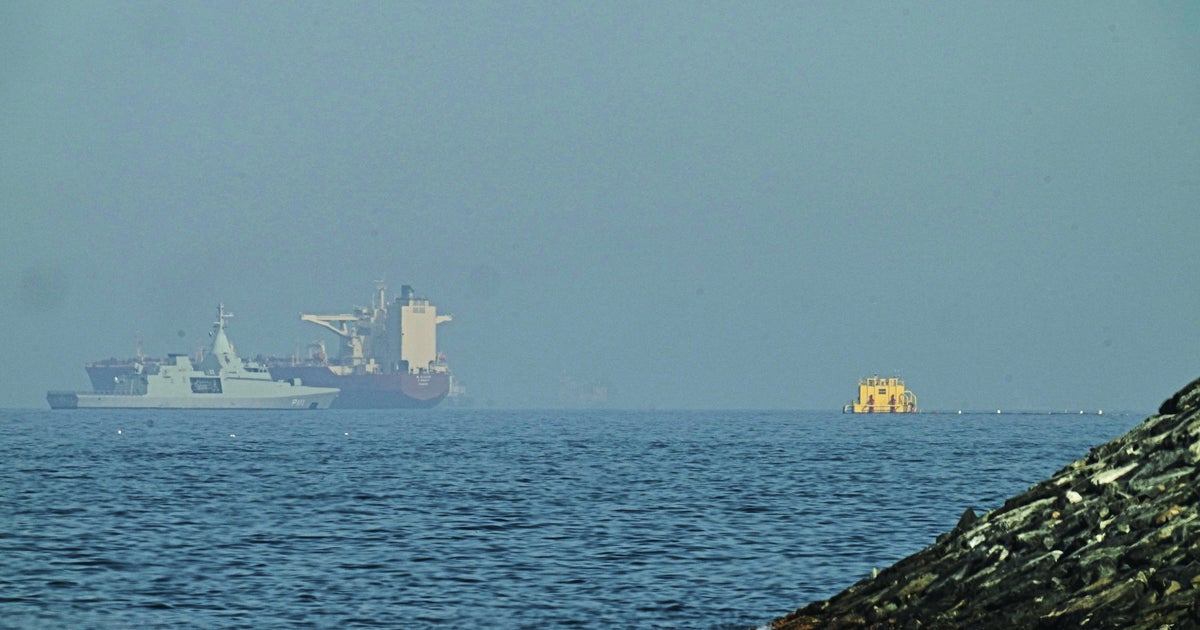
U.S. Begins Guiding Ships Out of Strait of Hormuz as Iran Threatens Attack

Trump Pauses 'Project Freedom' in Strait of Hormuz as U.S.-Iran Cease-Fire Holds
