SpaceX launches 29 Starlink satellites as Florida Space Coast targets record 110 launches in 2026
The Falcon 9 booster B1069 completed its 31st flight and landed on a drone ship, while regulators study the impact of the launch tempo on air traffic and public safety.

RUSSIA —
Key facts
- SpaceX launched 29 Starlink V2 Mini satellites on the Starlink 10-38 mission from Cape Canaveral on May 1, 2025.
- Liftoff occurred at 2:06:10 p.m. EDT from Space Launch Complex 40.
- The Falcon 9 first-stage booster B1069 flew for the 31st time and landed on the drone ship 'A Shortfall of Gravitas'.
- This was the 149th landing on that drone ship and the 607th booster landing overall for SpaceX.
- The 45th Weather Squadron forecast an 80% chance of favorable weather, with concerns over cumulus cloud and thick cloud layer rules.
- Florida's Space Coast set a record with 109 orbital launches in 2025; by end of April 2026, 31 rockets had launched.
- SpaceX retired its East Coast drone ship 'Just Read the Instructions' and is repurposing it for the Starship program.
- Upcoming launches include NASA's CRS-34 resupply mission on May 12 and ULA's Amazon Leo 7 mission on May 22.
A record-setting pace continues
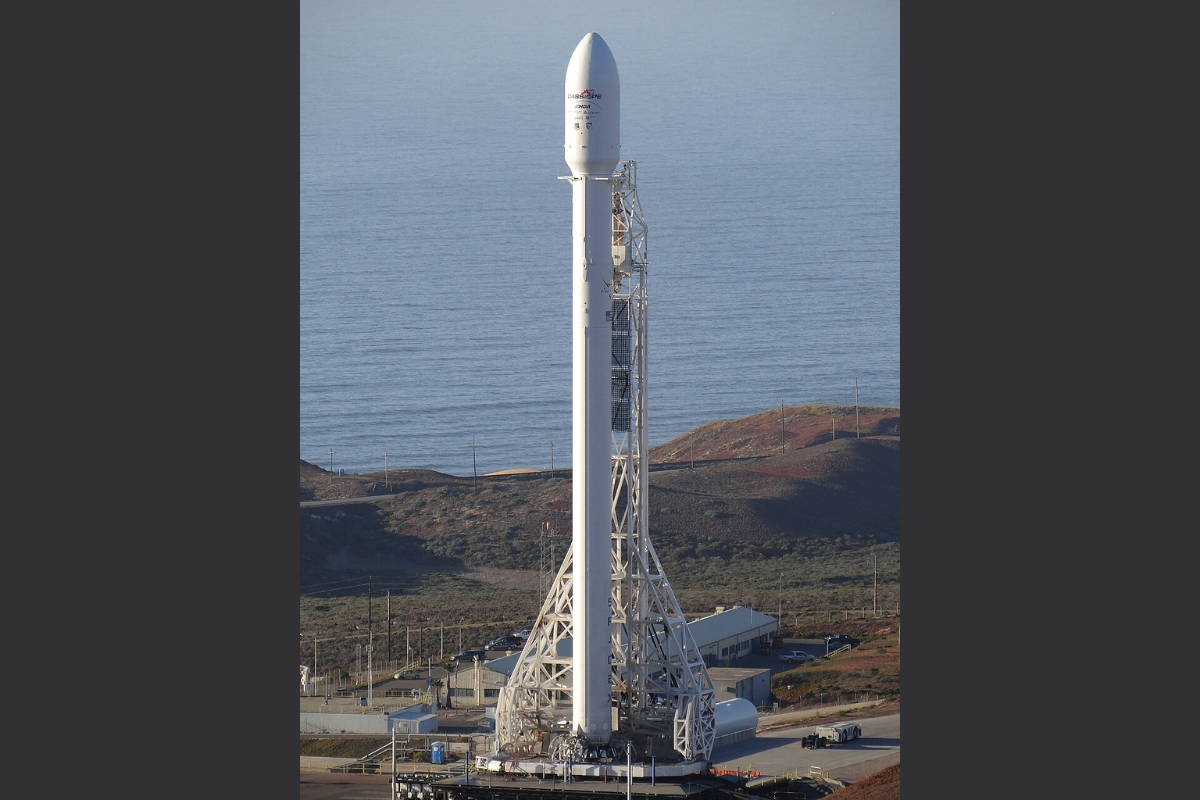
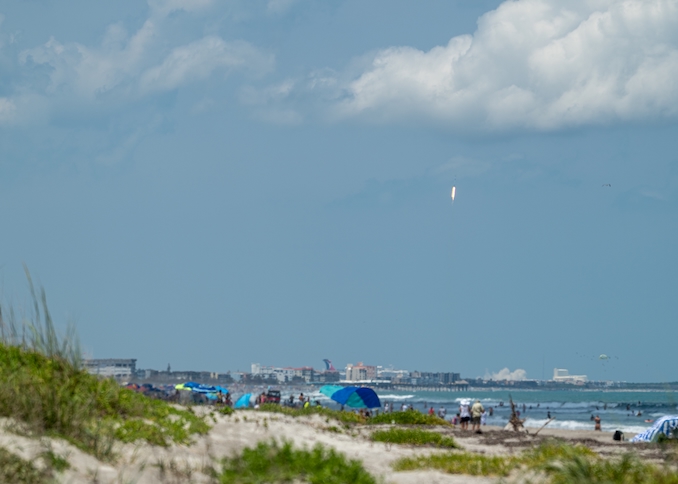
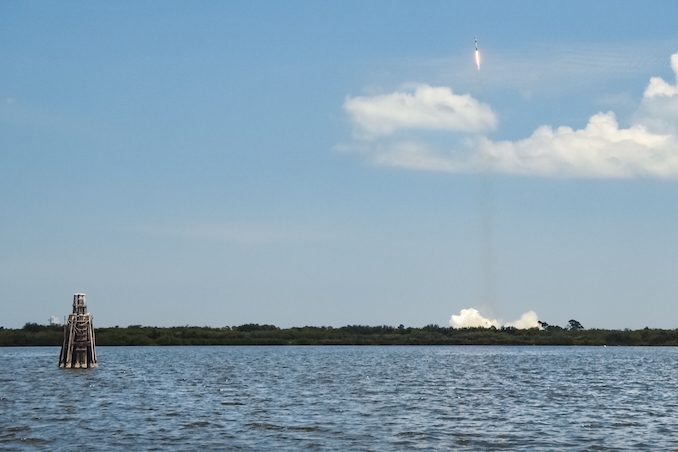
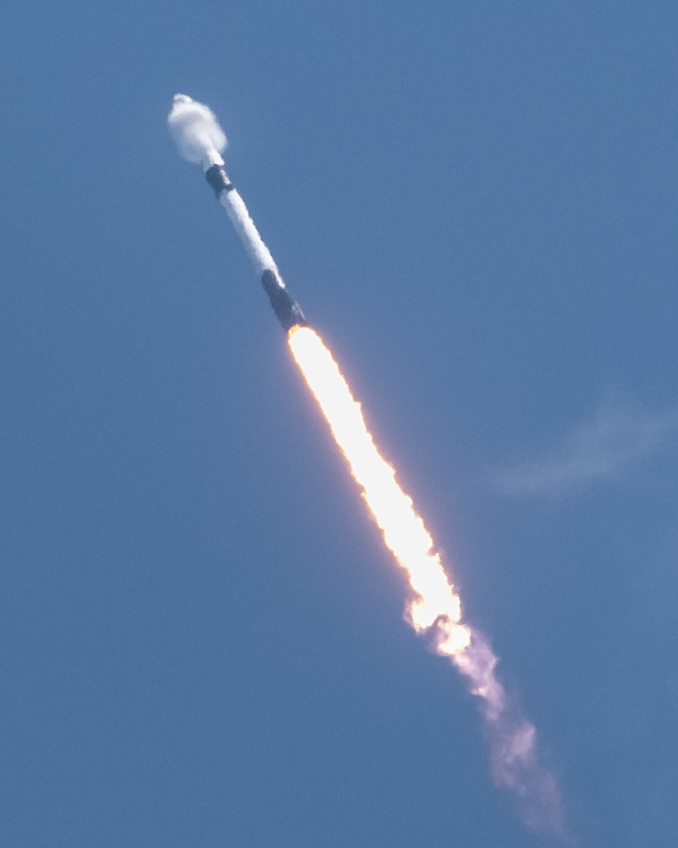
SpaceX launched 29 Starlink satellites into low Earth orbit on Friday afternoon, kicking off May with another mission from Florida's Space Coast. The Falcon 9 rocket lifted off from Cape Canaveral Space Force Station at 2:06:10 p.m. EDT, carrying the Starlink 10-38 batch of broadband satellites. This was the 43rd Starlink-dedicated mission of the year, adding to a megaconstellation that now exceeds 10,000 spacecraft. The launch continues a torrid pace for the Space Coast, which set a record with 109 orbital launches in 2025. By the end of April 2026, 31 rockets had already taken flight from Cape Canaveral and NASA's Kennedy Space Center. If the current tempo holds, 2026 could approach or even surpass last year's record total, with ripple effects on tourism and infrastructure across Brevard County.
Booster B1069 flies for the 31st time
The Falcon 9 first-stage booster with tail number B1069 launched for the 31st time, having previously flown missions including CRS-24, Eutelsat Hotbird 13F, and 26 Starlink batches. Approximately 8.5 minutes after liftoff, the booster landed on the drone ship 'A Shortfall of Gravitas', positioned in the Atlantic Ocean. This marked the 149th landing on that particular drone ship and the 607th booster landing for SpaceX overall. SpaceX recently retired its other East Coast drone ship, 'Just Read the Instructions', and is repurposing it as a transport vessel for its Starship rocket program. The company's rapid reuse of boosters has been a key factor in driving down launch costs and increasing launch frequency.
Weather and regulatory scrutiny
The 45th Weather Squadron forecast an 80 percent chance of favorable weather for the launch window, though meteorologists noted potential violations of the cumulus cloud and thick cloud layer rules. 'For the launch window on Friday, showers may develop along the sea breeze which will be pinned to the coastline due to offshore flow,' launch weather officers wrote. 'The Cumulus Cloud Rule will be the primary concern with sea breeze development, with secondary Thick Cloud Layers Rule concerns due to the boundary proximity to the north.' The rapid launch tempo has drawn increased attention from regulators and local planners. The Federal Aviation Administration and state transportation officials are studying how frequent launch windows affect air traffic and public safety. Space Launch Delta 45 issues 'Launch Hazard Area' and 'Airspace Closure' notices before each attempt, allowing boaters, pilots, and residents to plan around the activity.
Upcoming missions on the Cape's manifest
The May launch schedule includes a heavy diet of SpaceX Starlink missions, but also features other notable flights. On Tuesday, May 12, a SpaceX Falcon 9 rocket is set to launch a Dragon spacecraft packed with supplies and equipment on a NASA resupply mission to the International Space Station, designated CRS-34. Later in the month, on Friday, May 22, a United Launch Alliance Atlas V rocket will lift a payload of Amazon Leo broadband satellites into low-Earth orbit from Launch Complex 41. Looking further ahead, Blue Origin plans to launch a New Glenn rocket carrying a Blue Moon lunar lander on a demonstration mission for NASA in the first half of 2026. The Space Coast Launches calendar is updated daily with tentative launch windows and viewing tips, and prime viewing spots range from Cocoa Beach to Titusville.
Economic and infrastructure impacts
The surge in launch activity is reshaping the economy and infrastructure of Brevard County. Tourism has benefited as spectators flock to prime viewing locations, and local businesses have adapted to the frequent closures and influx of visitors. However, the quick tempo also presents challenges for air traffic control and public safety, prompting studies by the FAA and state transportation officials. Space Launch Delta 45 continues to coordinate with various agencies to manage airspace closures and hazard areas. For definitive word on restrictions, the public is advised to check official range updates and the Space Coast launch calendar. If the pace keeps up, observers say 2026 could approach or even surpass last year's 109 launches, with sustained ripple effects across the region.
What lies ahead for the Space Coast
With 31 launches already completed by the end of April, the Space Coast is on track for another record-breaking year. The combination of SpaceX's rapid reuse of boosters, the growing Starlink constellation, and new entrants like Amazon's Project Kuiper and Blue Origin's lunar ambitions suggests the launch cadence will remain high for the foreseeable future. However, the increasing density of launch windows raises questions about the capacity of the Eastern Range and the sustainability of such a pace. Regulators and local planners are already studying the impacts, and further adjustments to airspace management and public safety protocols may be needed. For now, the Space Coast continues to hum with activity, as each launch adds to a growing legacy of commercial spaceflight.
The bottom line
- SpaceX's Falcon 9 launched 29 Starlink satellites on May 1, 2025, with booster B1069 completing its 31st flight and landing on a drone ship.
- Florida's Space Coast set a record with 109 orbital launches in 2025 and is on pace to match or exceed that in 2026, with 31 launches by end of April.
- The FAA and state transportation officials are studying the impact of frequent launch windows on air traffic and public safety.
- Upcoming missions include NASA's CRS-34 resupply on May 12 and ULA's Amazon Leo 7 on May 22, with Blue Origin's lunar lander planned for early 2026.
- SpaceX retired its drone ship 'Just Read the Instructions' and is repurposing it for the Starship program.
- The rapid launch tempo is boosting tourism but also straining infrastructure, prompting regulatory reviews and airspace management adjustments.

Landsat Turns Its Night Vision Toward Volcanoes, Wildfires, and a Warming Planet
New Glenn Grounded After Second Stage Failure; Blue Origin Faces Dual Crises

BYD's $3 Million Yangwang U9 Xtreme Electric Supercar Becomes Beijing Auto Show's Priciest Vehicle