Three dead in suspected hantavirus outbreak on Atlantic cruise ship; WHO investigates human-to-human transmission
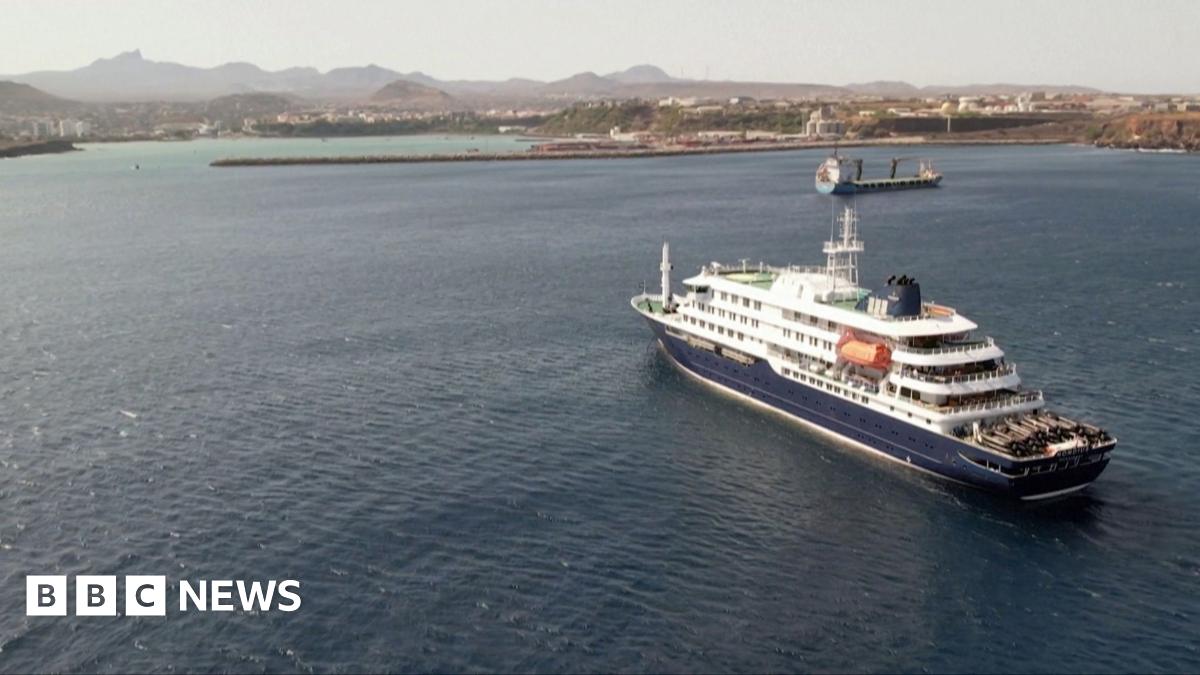
A Dutch couple and a third passenger have died, with a British man in intensive care in South Africa, as the MV Hondius remains stranded off Cape Verde awaiting permission to disembark sick crew.
SINGAPORE —
Key facts
- Three Dutch nationals have died: a 70-year-old man, his 69-year-old wife, and a third unidentified person.
- The man died on arrival on St Helena; the woman died at a hospital in Kempton Park, South Africa.
- A 69-year-old British man is in intensive care in Johannesburg with a confirmed hantavirus case.
- Two crew members on the MV Hondius are sick and require medical care, but Cape Verde has not authorized disembarkation.
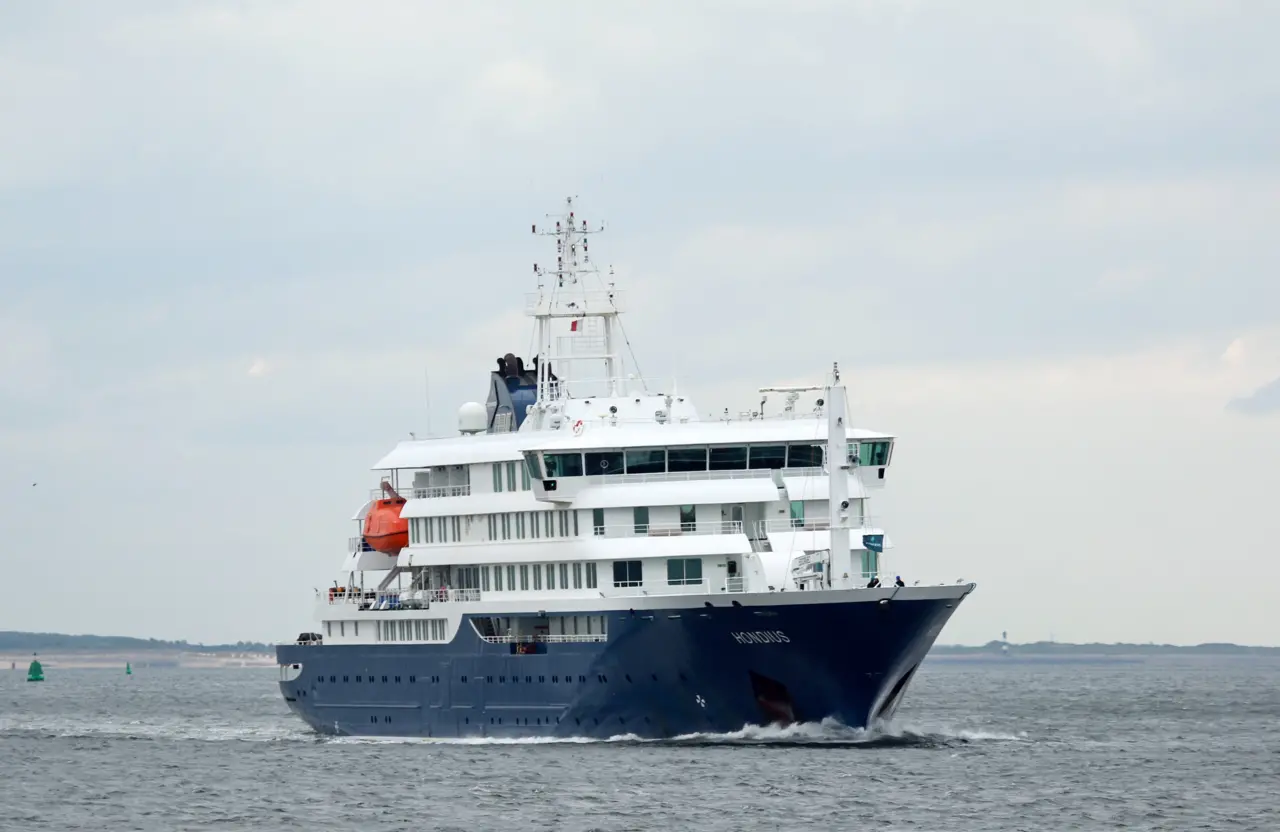
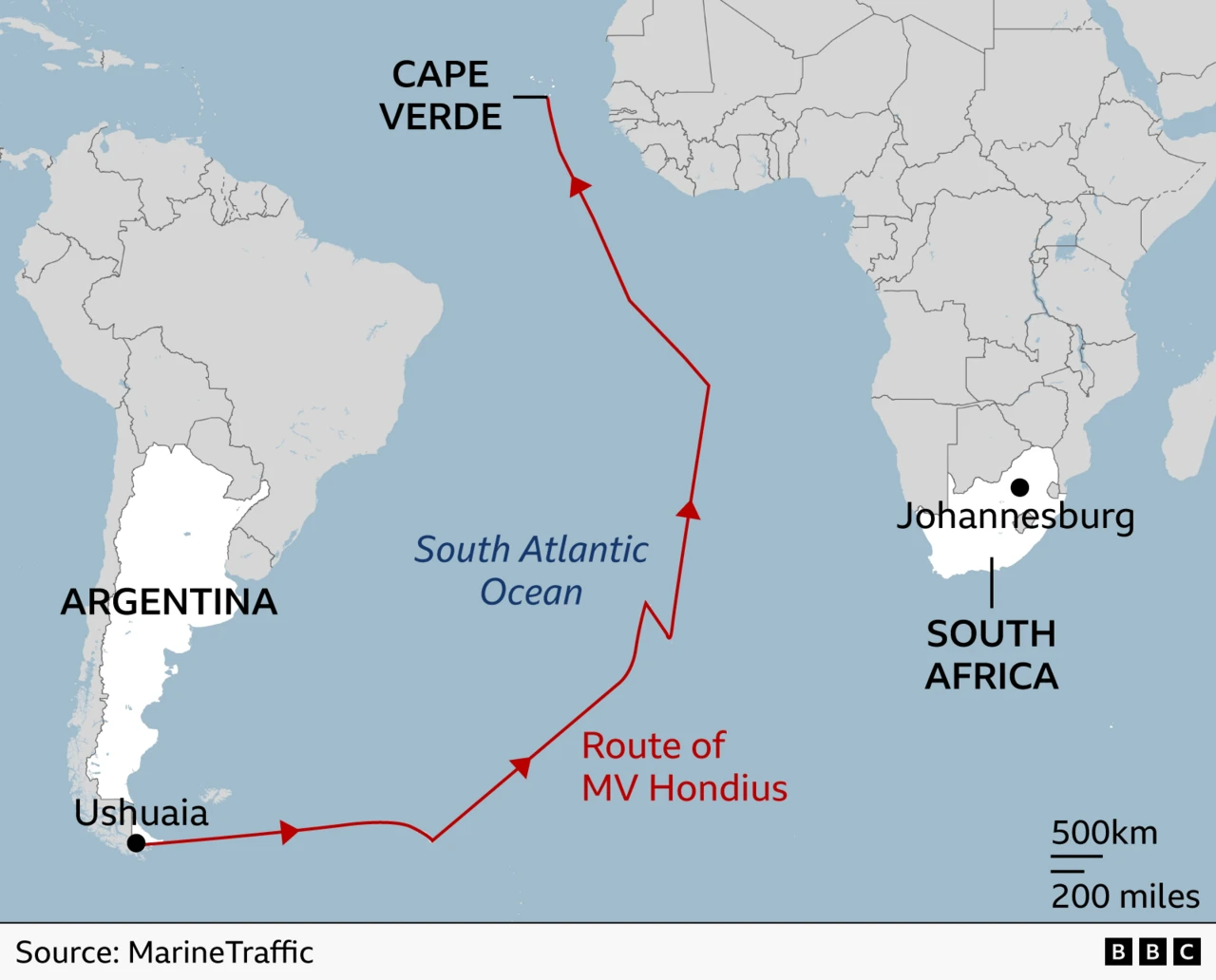
- The ship is operated by Oceanwide Expeditions and was traveling from Argentina to Cape Verde.
- The WHO is conducting epidemiological investigations and virus sequencing, and has noted possible human-to-human transmission.
A deadly voyage across the Atlantic
A suspected hantavirus outbreak on a cruise ship sailing from Argentina to Cape Verde has claimed three lives and left at least three others ill, prompting an investigation by the World Health Organization. The MV Hondius, operated by Dutch tour company Oceanwide Expeditions, is currently anchored off the coast of Cape Verde, where authorities have refused to allow two sick crew members to disembark for medical care. The three deceased are all Dutch nationals: a 70-year-old man and his 69-year-old wife, and a third person whose body remains on board. The husband died upon arrival on the island of St Helena, a British overseas territory in the South Atlantic, while his wife was evacuated to South Africa and died at a hospital in Kempton Park.
Confirmed case and intensive care in South Africa
A 69-year-old British national is in intensive care at a private health facility in Sandton, Johannesburg, after testing positive for hantavirus. According to a spokesperson for the South African Department of Health, the man became ill while the ship was traveling from St Helena to Ascension Island. He was transferred from a hospital on Ascension to the South African facility for specialized medical attention. The World Health Organization confirmed at least one case of hantavirus and stated that it is working with authorities to evacuate two other symptomatic individuals from the ship. The WHO noted that while hantavirus is rare, human-to-human transmission is suspected in this outbreak.
Stranded off Cape Verde: no permission to disembark
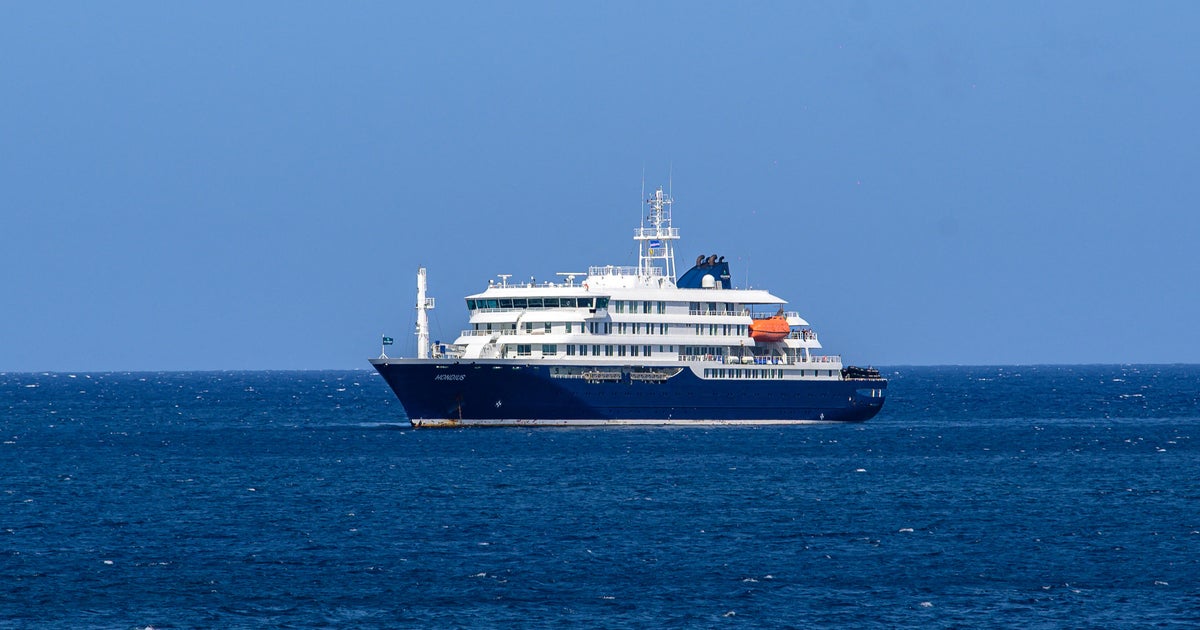
The MV Hondius has been stationed off the coast of Cape Verde for at least 24 hours, but Oceanwide Expeditions says local authorities have not granted authorization for the sick crew members to come ashore. The company stated that local health officials have assessed the two symptomatic individuals, but disembarkation remains blocked. The ship's location, according to online tracking sites, is just off the port of Praia, the capital of Cape Verde. The delay raises concerns about the health of those on board and the potential for further spread of the virus.
Hantavirus: a rare but severe rodent-borne disease
Hantavirus is typically transmitted through contact with urine or feces from infected rodents. The US Centers for the virus can cause two serious syndromes: hantavirus pulmonary syndrome, which affects the lungs, and hemorrhagic fever with renal syndrome, which affects the kidneys. Both can be fatal. While human-to-human transmission is uncommon, the WHO has acknowledged it as a possibility in this outbreak. There is no specific treatment or cure for hantavirus, but early medical attention can improve survival chances. The WHO is conducting detailed investigations, including laboratory testing and virus sequencing, to better understand the strain involved.
Wider context: cruise ships and disease outbreaks
This incident adds to a history of disease outbreaks on cruise ships, which have seen clusters of norovirus, COVID-19, Legionnaires' disease, and now hantavirus. The confined environment, shared facilities, and close quarters make these vessels particularly susceptible to the rapid spread of infectious agents. The MV Hondius outbreak highlights the challenges of coordinating medical evacuations and international health responses when a ship is at sea or stranded off a foreign coast. The WHO is supporting the public health event and working with multiple countries to manage the situation.
Uncertainty and next steps
As of now, the two sick crew members remain on the MV Hondius without a clear timeline for medical evacuation. The third fatality is still on board, awaiting arrangements for repatriation. The WHO's investigation continues, with sequencing of the virus expected to shed light on its origins and transmissibility. Oceanwide Expeditions has not commented on the broader impact on its operations or on the health of other passengers and crew. The standoff with Cape Verdean authorities underscores the diplomatic and logistical hurdles that can arise in a maritime health crisis.
The bottom line
- Three Dutch nationals have died in a suspected hantavirus outbreak on the MV Hondius, including a married couple.
- A British man is in intensive care in South Africa with a confirmed hantavirus infection.
- Two sick crew members are stranded on the ship off Cape Verde as authorities deny permission to disembark.
- The WHO is investigating possible human-to-human transmission of hantavirus, which is rare.
- Hantavirus has no specific treatment; early medical care is critical for survival.
- The outbreak highlights the vulnerability of cruise ships to disease spread and the complexity of international health responses at sea.

Hantavirus Suspected in Three Deaths on Dutch Cruise Ship Off West Africa
Hantavirus outbreak on Atlantic cruise ship kills three, sickens at least three others
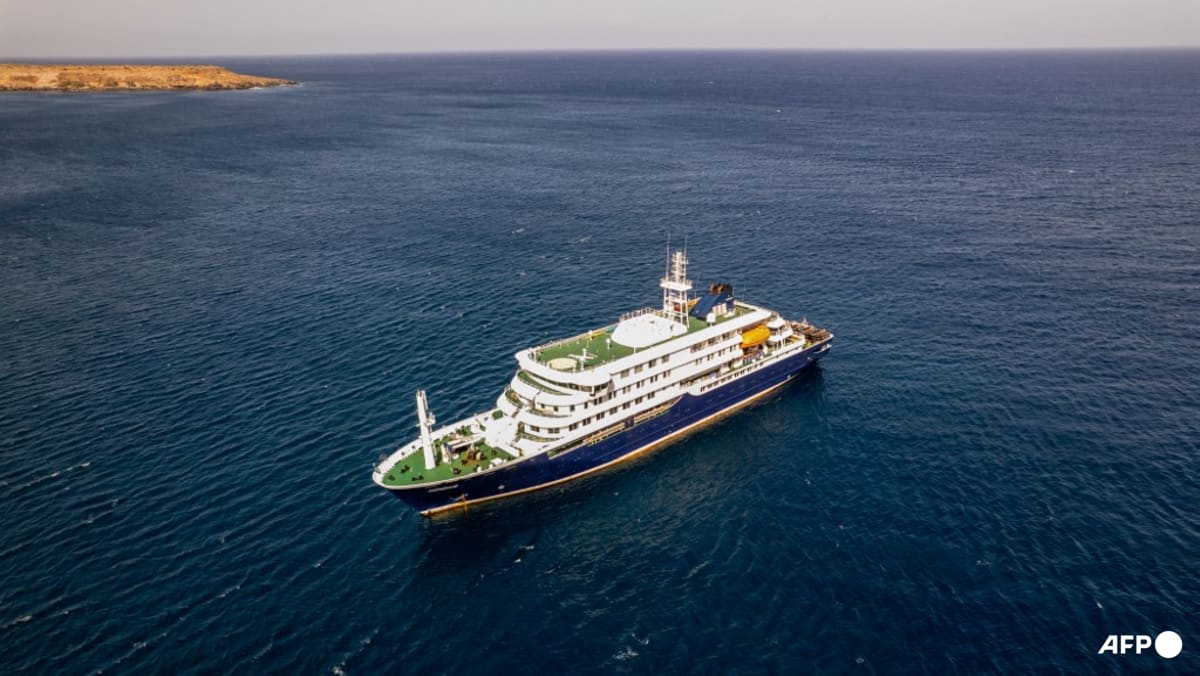
Three dead in suspected hantavirus outbreak on cruise ship stranded off Cape Verde