Singapore Residents Tested for Hantavirus After Cruise Ship Outbreak
Two individuals are isolated and undergoing tests after travelling on a ship linked to a fatal Andes hantavirus cluster.
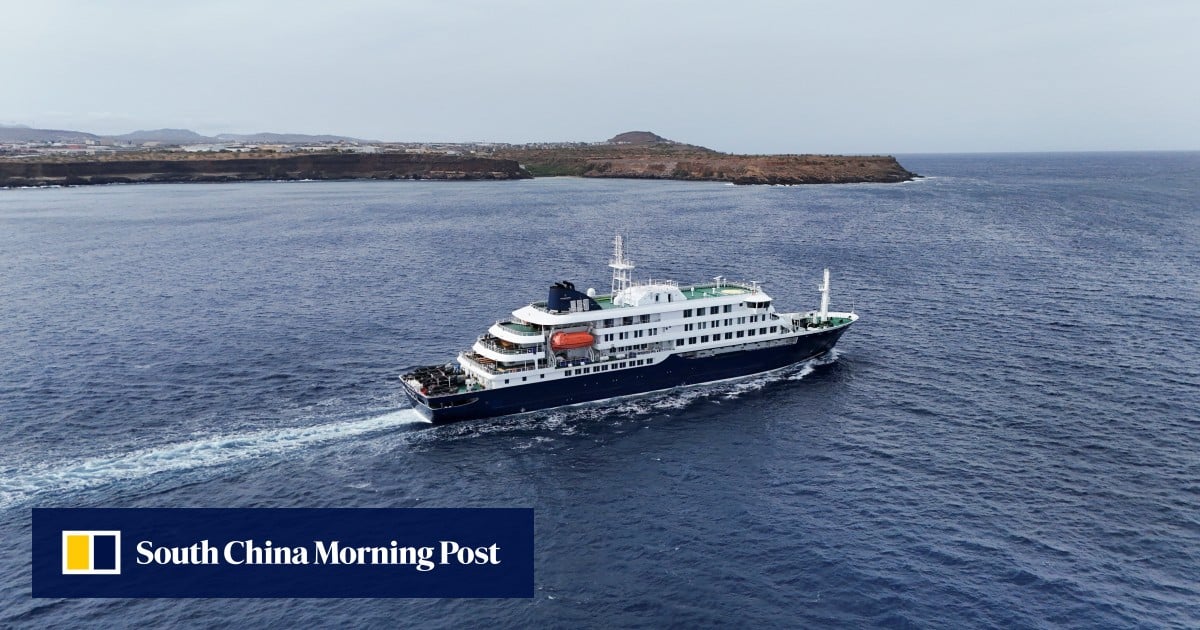
SINGAPORE —
Key facts
- Two Singapore residents are being tested for hantavirus.
- Both individuals were aboard the MV Hondius cruise ship in April.
- A confirmed hantavirus case from the same flight later died in South Africa.
- The Communicable Diseases Agency (CDA) assesses the risk to the public as low.
- The incubation period for hantavirus can be up to 45 days.
- Eight cases, including three deaths, are linked to the cruise ship cluster.
Hantavirus Scare Grips Singapore After Cruise Ship Cluster
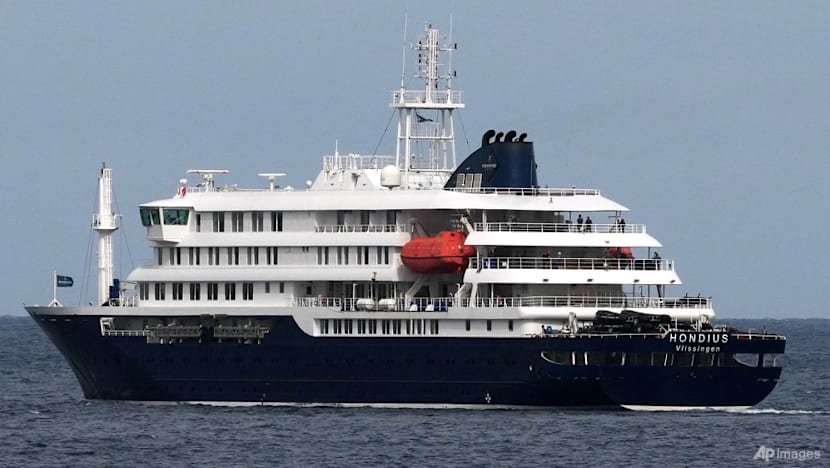
Two Singapore residents are currently under isolation and undergoing tests for hantavirus, a potentially severe disease transmitted by rodents, following their journey on a cruise ship that reported an outbreak. The individuals, a 67-year-old Singaporean and a 65-year-old permanent resident, were aboard the MV Hondius when it departed Argentina on April 1. The ship later saw a cluster of Andes hantavirus infections, prompting health authorities to monitor returning passengers closely. The Communicable Diseases Agency (CDA) confirmed on Thursday, May 7, that it was notified of the individuals' travel on May 4 and 5. Both men have been admitted to the National Centre for Infectious Diseases (NCID) for immediate testing. Their results are pending, but the agency has stated that the risk to the general public in Singapore remains low. One of the men is experiencing a runny nose but is otherwise well, while the second individual is asymptomatic. Their close monitoring highlights the vigilance required in tracking potential infectious disease threats, especially from international travel.
Travel on Ship and Flight Linked to Fatal Case
The two Singapore residents disembarked from the MV Hondius and subsequently boarded the same flight as a confirmed hantavirus case. This flight, which departed from St Helena to Johannesburg on April 25, carried a passenger who later died in South Africa. Crucially, this confirmed case did not travel to Singapore, according to the CDA. This connection to a fatal case underscores the seriousness with which health authorities are treating the situation. The cruise ship itself has been linked to eight cases of hantavirus so far, with three confirmed infections and the remaining under investigation. Three deaths have been associated with this cluster. The World Health Organization (WHO) has also assessed the risk to the global population from this outbreak as low, providing some reassurance amidst the ongoing investigations.
Protocols for Isolation and Quarantine
Should the two Singapore residents test negative for hantavirus, they will not be immediately released. Instead, they face a 30-day quarantine period from their last known exposure to the virus. This extended measure is based on the understanding that the majority of hantavirus infections manifest symptoms within this timeframe. Further testing will be conducted before their release from quarantine. For the subsequent 45 days, a period that represents the maximum incubation period for hantavirus, they will be subject to remote monitoring. This typically involves daily health status reporting via tracking applications. If, however, their tests return positive, the individuals will remain hospitalised. This is to ensure continuous monitoring and immediate treatment, given the potential for hantavirus infections to become severe.
Understanding Hantavirus Transmission
Hantaviruses are primarily transmitted to humans through inhalation of dust contaminated with the excreta of infected rodents. This typically occurs when individuals clean or disturb areas where rodents have been active, such as sheds, barns, or even homes. The virus does not typically spread between humans, although rare instances of person-to-person transmission have been documented with specific hantaviruses like Andes hantavirus. The Andes hantavirus, the strain identified in the MV Hondius outbreak, is known to have a higher potential for human-to-human transmission compared to other hantaviruses. This characteristic adds another layer of complexity to the monitoring and contact tracing efforts. Contact tracing will be a critical component of the public health response. The CDA will work to identify anyone who may have been exposed to the virus during the infectious period, with close contacts being placed under quarantine.
The Cruise Ship and Its Itinerary
The MV Hondius, the vessel at the centre of the hantavirus outbreak, departed from Ushuaia, Argentina, on April 1. The ship's itinerary brought it to St Helena, an island territory of the UK in the South Atlantic Ocean, approximately 2,000 km off the coast of Africa, before continuing to Johannesburg, South Africa. It was during or after this voyage that the Andes hantavirus cluster emerged. The identification of eight cases linked to the ship highlights the challenges of containing infectious diseases on voyages that traverse multiple continents and ecosystems. Health authorities worldwide remain vigilant, particularly given the increasing interconnectedness through global travel. The swift action by Singapore's CDA in isolating and testing its residents reflects established protocols for managing potential international health threats.
The bottom line
- Two individuals in Singapore are undergoing hantavirus testing after travelling on the MV Hondius cruise ship.
- The ship is linked to a cluster of Andes hantavirus infections, including three deaths.
- Both travellers were on the same flight as a confirmed hantavirus case who later died in South Africa.
- Singapore's Communicable Diseases Agency has assessed the risk to the public as low.
- If negative, the individuals will undergo a 30-day quarantine followed by 45 days of remote monitoring.
- Hantavirus is primarily spread by rodents, but Andes hantavirus has a potential for human-to-human transmission.

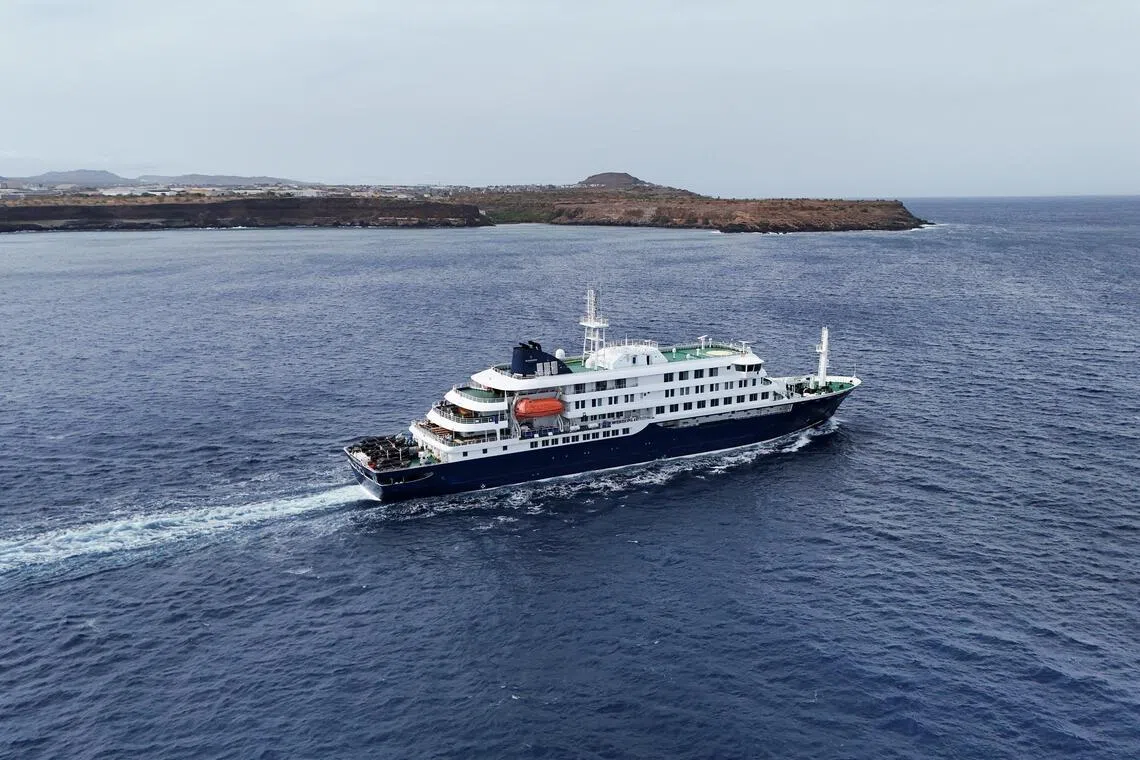
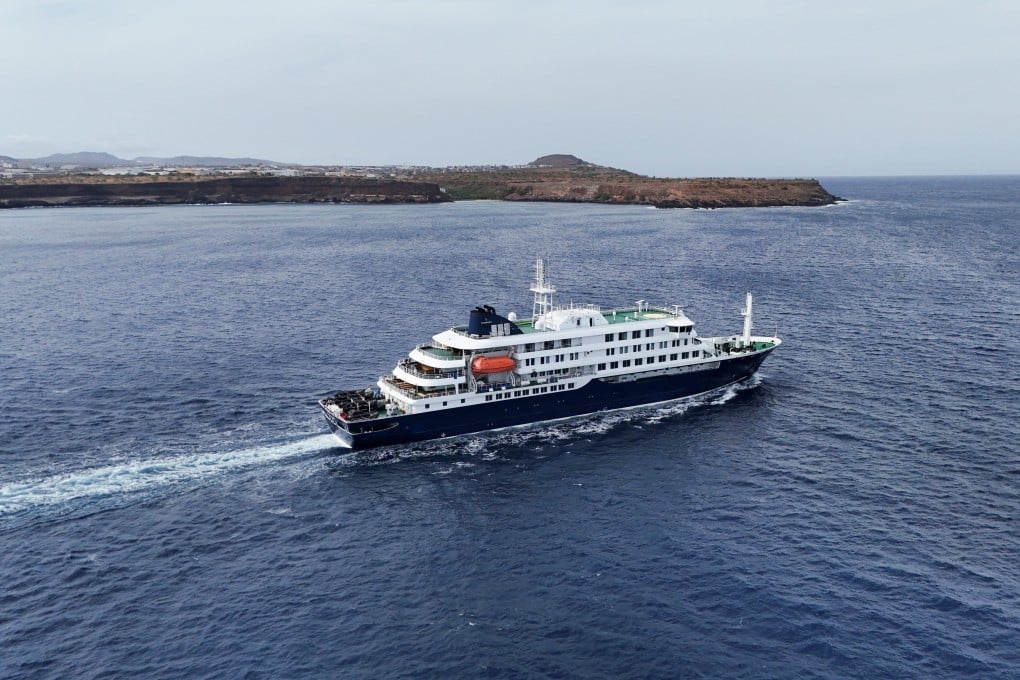
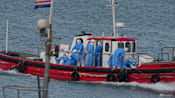
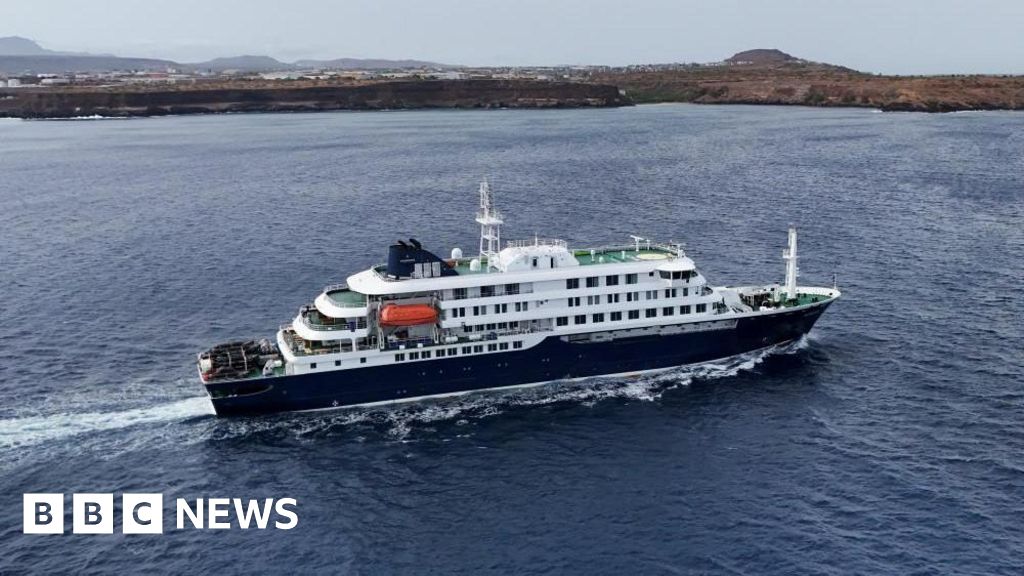
Hantavirus Outbreak on Cruise Ship Claims Lives, Prompts Global Health Alert
Hantavirus Outbreak on Cruise Ship Leaves Three Dead, Dozens Monitored
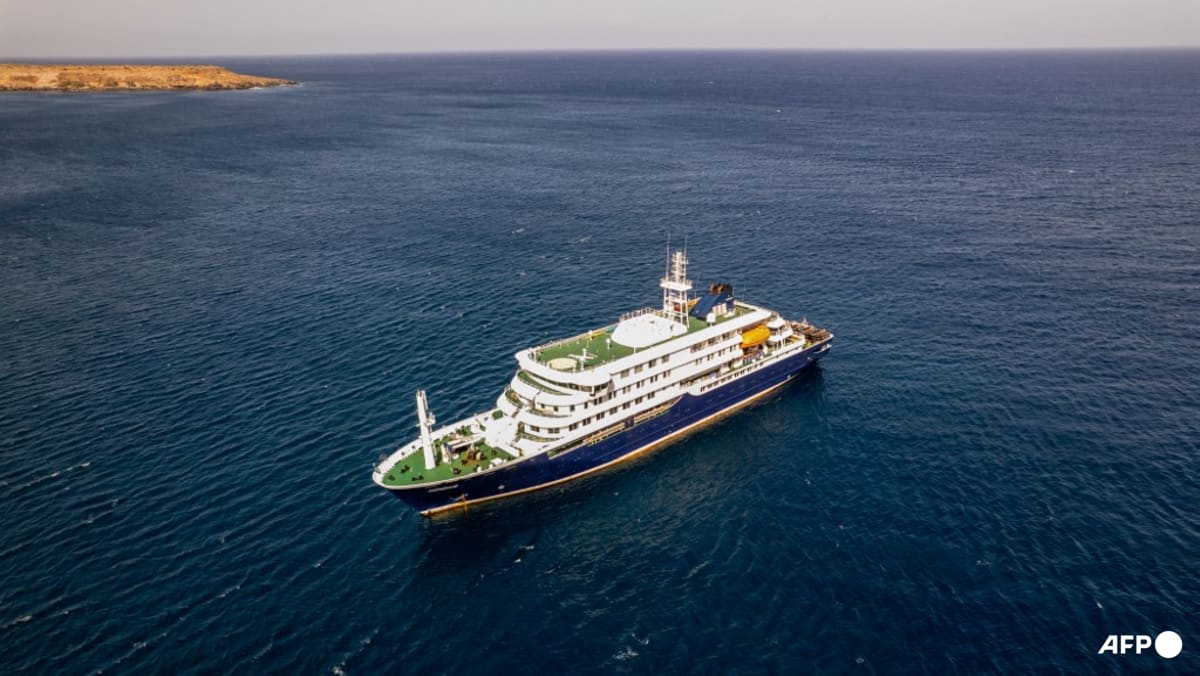
Three dead in suspected hantavirus outbreak on cruise ship stranded off Cape Verde