Hantavirus Outbreak on Cruise Ship Leaves Three Dead, Dozens Monitored
An outbreak of the deadly Andes virus on the MV Hondius has led to multiple deaths and prompted health alerts across continents.
SINGAPORE —
Key facts
- Three passengers have died from hantavirus on board the MV Hondius.
- The outbreak is caused by the Andes virus (ANDV), a strain known for human-to-human transmission.
- Twenty-three passengers disembarked on April 21 and have since returned to their home countries.
- A British man, identified as Martin Anstee, is among those evacuated for treatment in the Netherlands.
- Argentina, the ship's departure point, has the highest incidence of hantavirus in Latin America.
- The World Health Organization began contacting disembarked passengers on April 26.
- Cases and monitored individuals span the Netherlands, UK, Germany, Switzerland, South Africa, and the US.
Deadly Virus Spreads from Antarctic Cruise
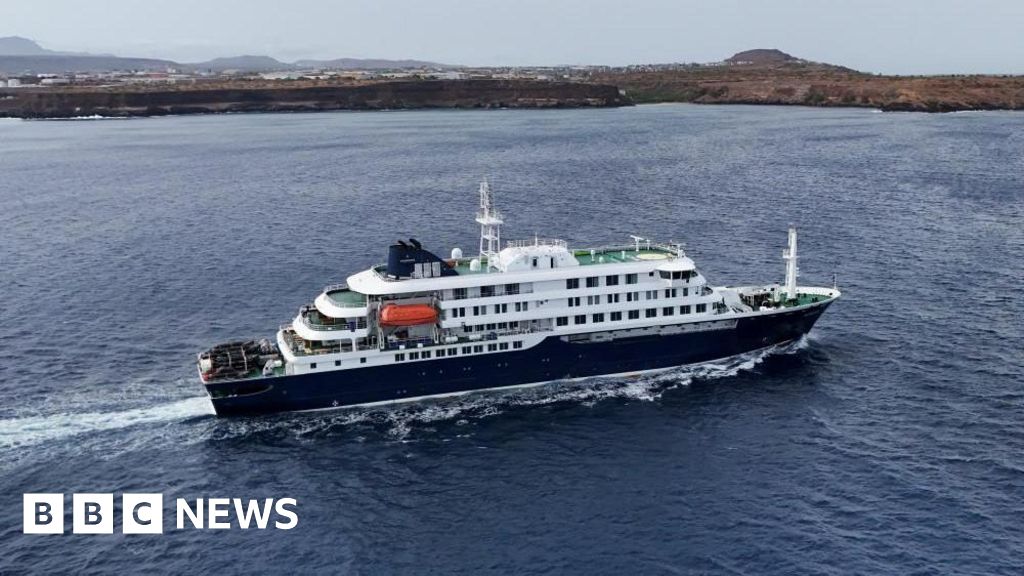
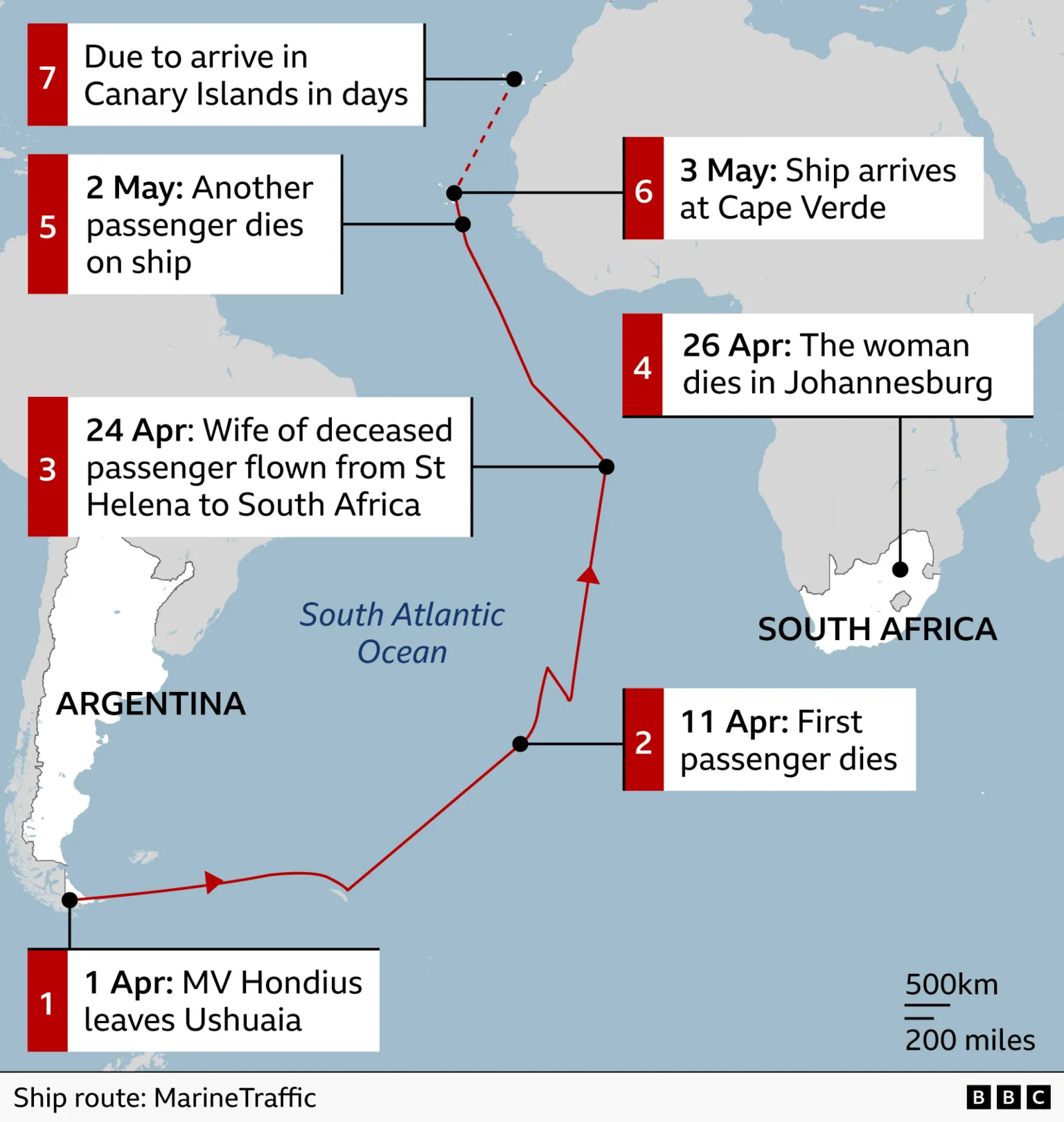
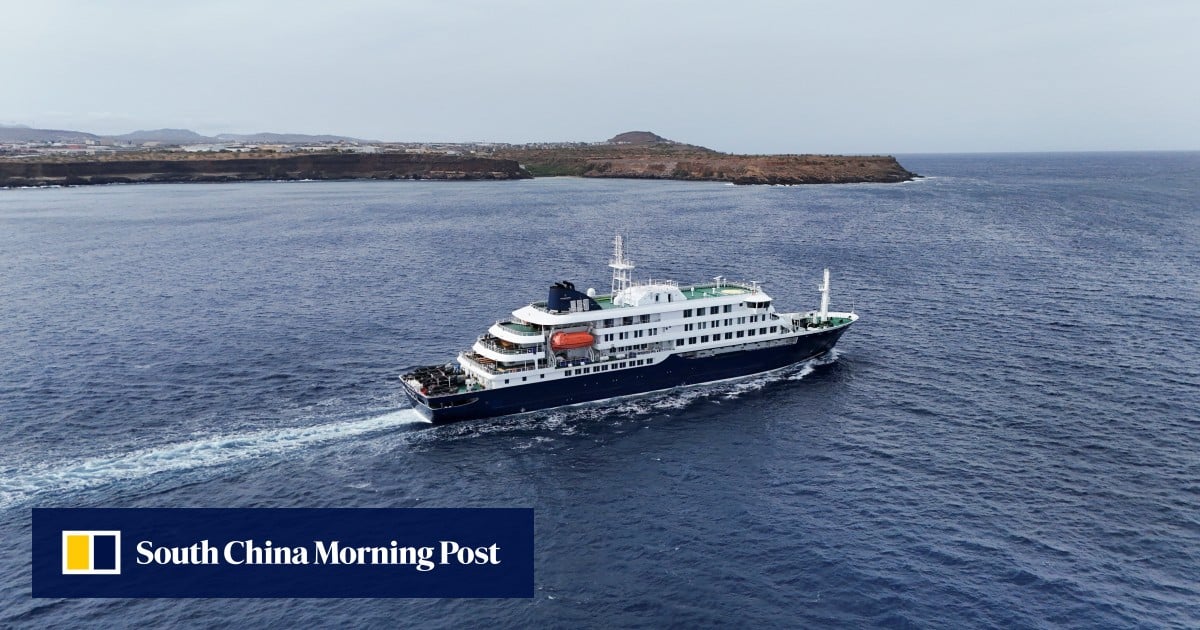
A deadly hantavirus outbreak aboard the MV Hondius cruise ship has claimed the lives of three passengers and triggered a global health alert. The vessel, which departed from Argentina for Antarctica, is now sailing towards Spain's Canary Islands after being anchored for three days near Cape Verde. The confirmed outbreak of the Andes virus, a strain known to spread between humans, has led to the evacuation of critically ill passengers and the monitoring of individuals who disembarked weeks ago. The situation underscores the potential for rapid global dissemination of infectious diseases, even from remote voyages. As authorities scramble to trace the source and contain the spread, concerns mount over the 23 passengers who left the ship early and have since returned to their home countries across multiple continents. The MV Hondius, a Dutch-flagged cruise liner, has become the epicenter of a crisis that began nearly a month after its departure from Ushuaia, Argentina. The virus's presence has cast a shadow over the journey, transforming a once-in-a-lifetime expedition into a source of widespread anxiety.
Evacuations and Intensive Care Amidst the Outbreak
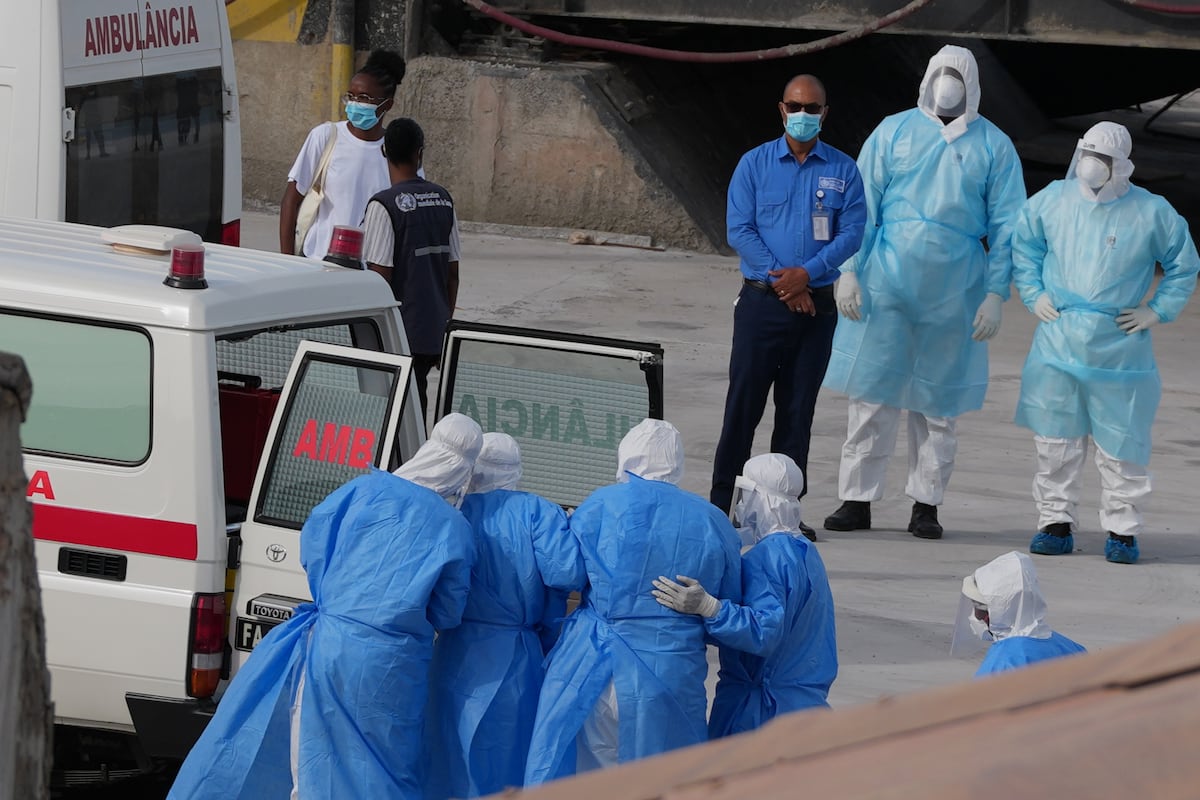
Two passengers, a 65-year-old German and a 41-year-old Dutch crew member, were evacuated to the Netherlands in serious condition for treatment. A third passenger, identified as 56-year-old British ex-police officer Martin Anstee, was also evacuated and is reported to be in stable condition. The German evacuee was closely associated with a woman who died aboard the ship on May 2. indicate a wider reach of the virus. A KLM flight attendant in Amsterdam was admitted to hospital with hantavirus symptoms after reportedly coming into contact with a 69-year-old Dutch woman who was too ill to fly from South Africa. This woman later died, a case being investigated as a suspected hantavirus fatality by South African health authorities. One individual remains in intensive care in a South African hospital, highlighting the severity of the illness caused by the Andes virus, which can lead to a fatal lung disease known as hantavirus pulmonary syndrome.
The Andes Virus: A Rare but Potent Threat
The outbreak on the MV Hondius is attributed to the Andes virus (ANDV), one of at least 38 recognized species of hantaviruses, 24 of which cause disease in humans. Unlike most hantaviruses, which are primarily transmitted through contact with infected rodents or their excreta, the Andes virus is known to spread from person to person. This transmission is believed to occur through close, prolonged contact involving bodily fluids. In Argentina, where the cruise originated, the Andes virus is a significant concern. The World Health Organization consistently ranks the country as having the highest incidence of hantavirus in Latin America. This year alone, the 101 infections since June 2025, a figure roughly double that of the previous year. The disease has a high fatality rate, with nearly a third of cases resulting in death in the last year, according to the ministry. Authorities in Argentina are actively working to trace the source of contamination, investigating passenger itineraries before boarding the ship in Ushuaia. Their objective is to identify close contacts, isolate them, and actively monitor for any signs of infection to prevent further spread.
Delayed Contact Tracing Fuels Global Concern
A critical point of concern is the delayed response in contacting passengers who disembarked the ship early. Twenty-three passengers left the MV Hondius on April 21 in Saint Helena, 10 days after the first reported death on board. These individuals have since returned to their home countries, including Australia, Taiwan, the United States, England, and the Netherlands. According to a passenger who spoke anonymously to a Spanish newspaper, these 23 individuals were not contacted by health authorities until three days prior to the report. The World Health Organization confirmed it only began reaching out to passengers who disembarked in Saint Helena on April 26, meaning some individuals had been home and resumed normal life for over two weeks without any notification of potential exposure. This lapse in timely communication has allowed the virus to potentially spread across borders. Passengers who returned to the US are being monitored in Georgia, Arizona, and California, though none have shown symptoms. A man who traveled back to Switzerland after disembarking tested positive for hantavirus and is hospitalized in Zurich, confirming the global reach of the outbreak.
Passengers Monitored Across Continents
The global reach of the MV Hondius hantavirus outbreak is evident in the diverse locations where passengers are being monitored. Beyond the evacuations to the Netherlands, individuals who were on the ship are under observation in several countries. In the United States, health departments in Georgia and Arizona are monitoring three passengers who had returned to the US after disembarking earlier. Georgia's public health department stated that two residents were being monitored but were in good health and showed no signs of infection. Arizona's health department confirmed one resident was under monitoring but asymptomatic. Switzerland has confirmed a case of a man who tested positive for hantavirus after traveling back from the ship. He is currently receiving care in a Zurich hospital. Argentina is actively collaborating with Spain, Senegal, South Africa, the Netherlands, and the United Kingdom, sharing genetic material and testing equipment to aid in detection efforts.
Navigating the Aftermath and Future Risks
The incident on the MV Hondius highlights the critical importance of rapid and comprehensive contact tracing in managing infectious disease outbreaks, particularly those involving viruses with potential for human-to-human transmission. The delay in notifying passengers who disembarked early has created a complex web of potential exposures across the globe. As the ship sails towards the Canary Islands, investigations continue to pinpoint the exact source of the contamination. Officials in Argentina are meticulously examining passenger travel histories within the country prior to boarding, aiming to identify the initial point of infection. The hope is that by understanding the genesis of the outbreak, future voyages can be better protected. The coming weeks will be crucial in determining the extent of secondary transmissions and the effectiveness of ongoing monitoring efforts. The experience serves as a stark reminder of the interconnectedness of global health and the persistent threat posed by novel or re-emerging infectious diseases in an era of extensive international travel.
The bottom line
- The MV Hondius cruise ship experienced an outbreak of the Andes virus, a strain of hantavirus capable of human-to-human transmission.
- Three passengers have died, and several others are critically ill or undergoing treatment in different countries.
- A significant concern is the delayed notification of 23 passengers who disembarked on April 21 and have since returned home.
- Cases and monitoring efforts are underway in the Netherlands, UK, Germany, Switzerland, South Africa, and the US.
- Argentina, the ship's departure point, has the highest regional incidence of hantavirus and is investigating the outbreak's source.
- The outbreak underscores the challenges of managing infectious diseases in a globalized travel environment and the need for swift public health responses.

Hantavirus Outbreak on Cruise Ship Claims Lives, Prompts Global Health Alert
Singapore Residents Tested for Hantavirus After Cruise Ship Outbreak
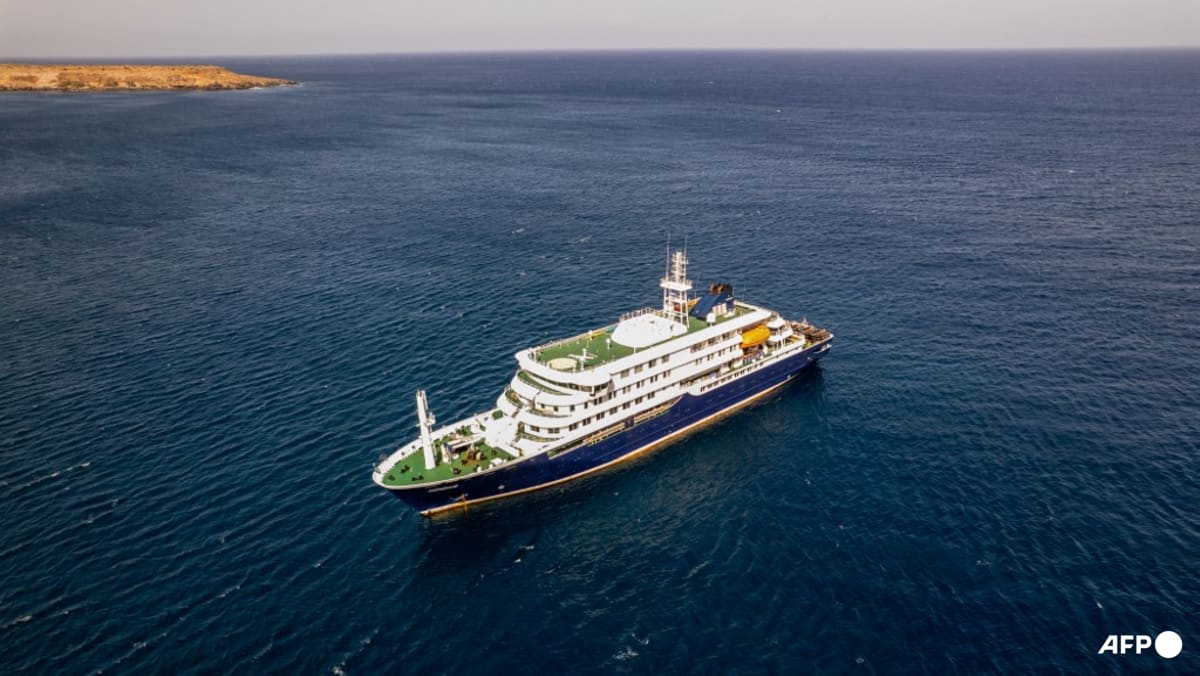
Three dead in suspected hantavirus outbreak on cruise ship stranded off Cape Verde