Hantavirus Outbreak on Cruise Ship Claims Lives, Prompts Global Health Alert
An outbreak of deadly hantavirus on the MV Hondius has led to multiple deaths and prompted health authorities worldwide to monitor passengers.
SINGAPORE —
Key facts
- Three passengers have died following a hantavirus outbreak on the MV Hondius.
- A British man, Martin Anstee, is among three individuals evacuated to the Netherlands for treatment.
- The outbreak has been linked to the Andes virus (ANDV), which can spread between people.
- Health authorities began contacting passengers who disembarked on April 21 only on May 14.
- The World Health Organization confirmed eight total cases, three of which are confirmed.
- Cases and monitoring are occurring in the Netherlands, South Africa, Switzerland, and the US.
Cruise Ship Becomes Epicenter of Deadly Virus
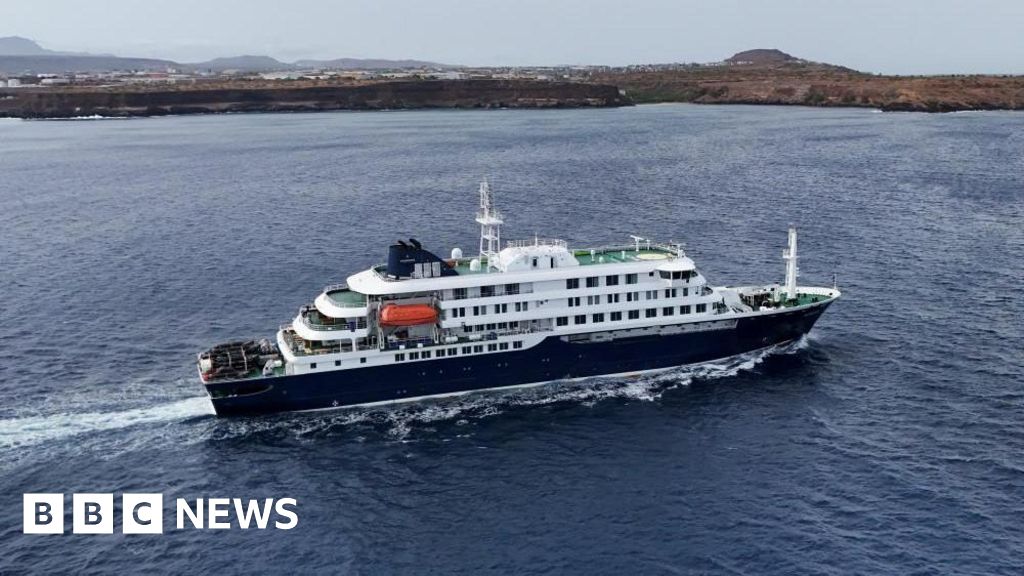
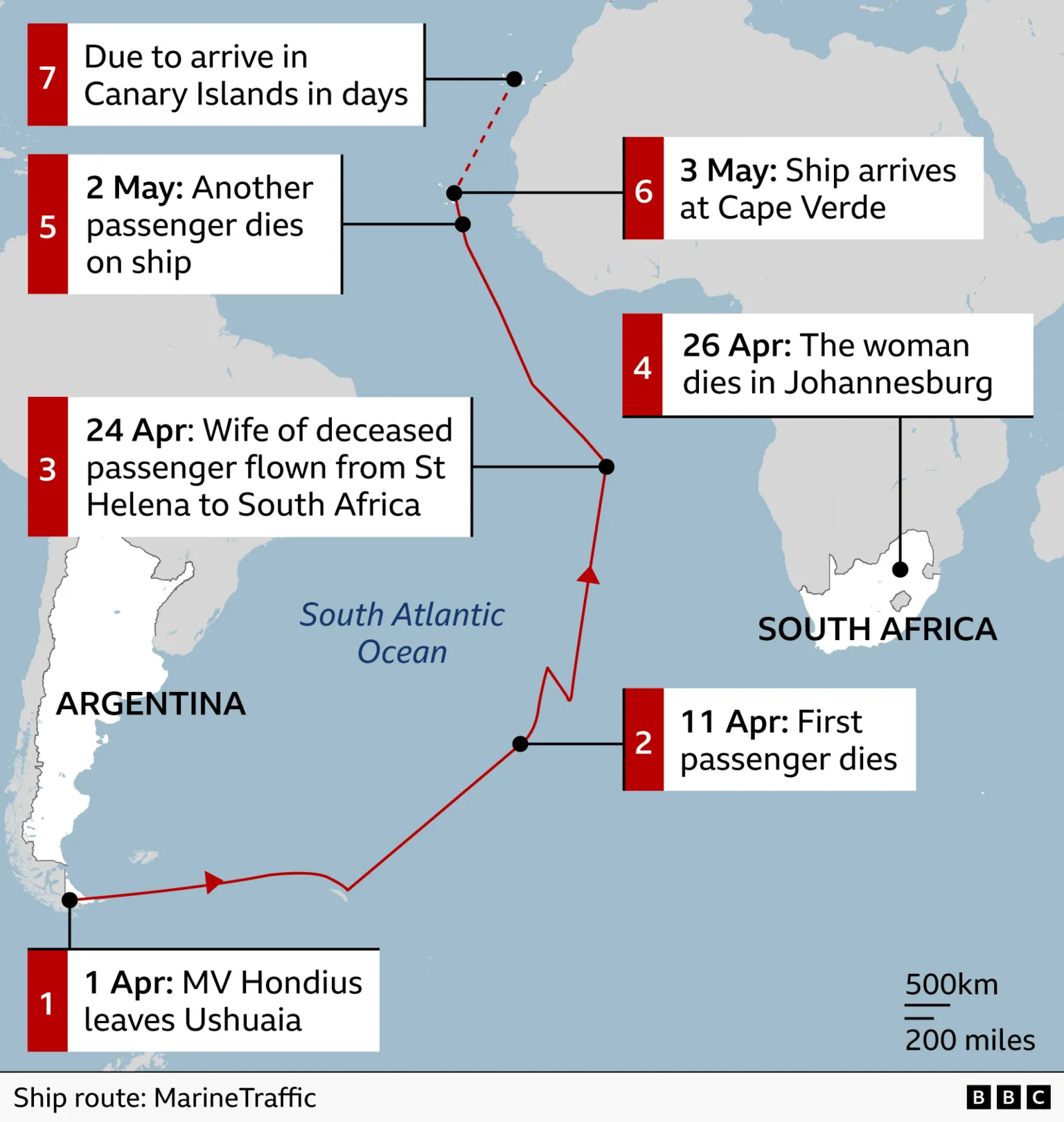
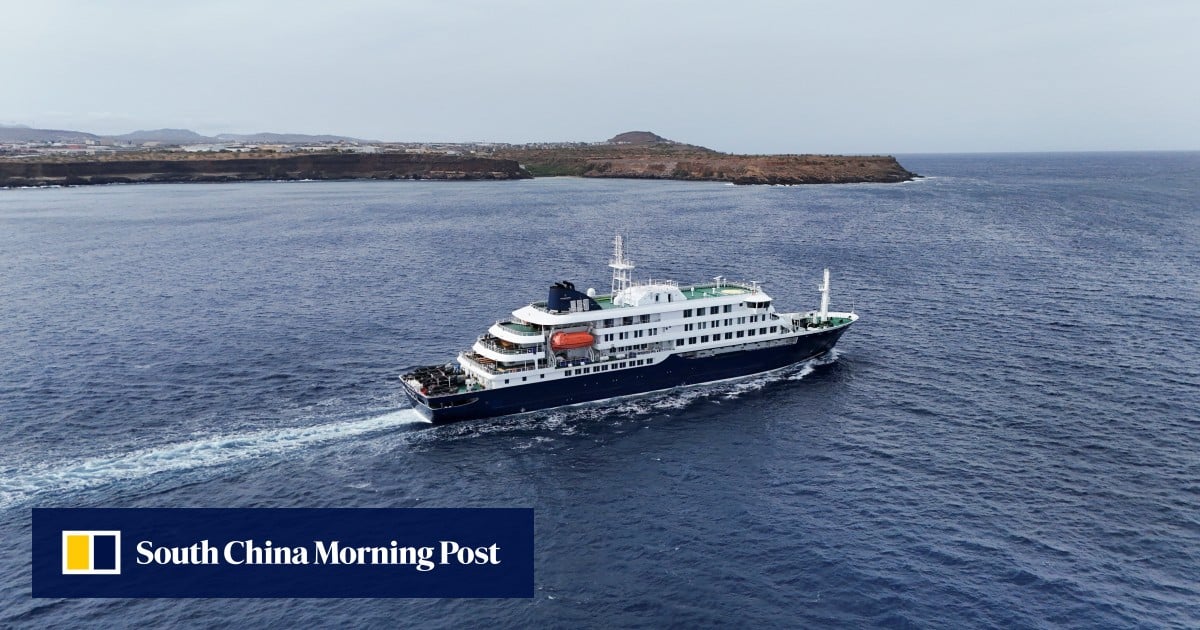
A deadly hantavirus outbreak aboard the cruise ship MV Hondius has sent shockwaves through international health authorities, leading to multiple fatalities and urgent monitoring of passengers who have since disembarked. The ship, which had been sailing from Argentina, became a focal point of concern after a confirmed outbreak of the virus, a family of pathogens known to cause severe illness. The situation escalated as individuals began exhibiting symptoms, prompting evacuations and raising alarms about potential spread. The ship itself is now en route to Spain's Canary Islands after a period anchored near Cape Verde, while affected passengers are receiving care in various medical facilities across continents. The gravity of the situation is underscored by the confirmed deaths and the ongoing efforts to trace and monitor all individuals who were on board during the voyage.
Evacuations and International Medical Response
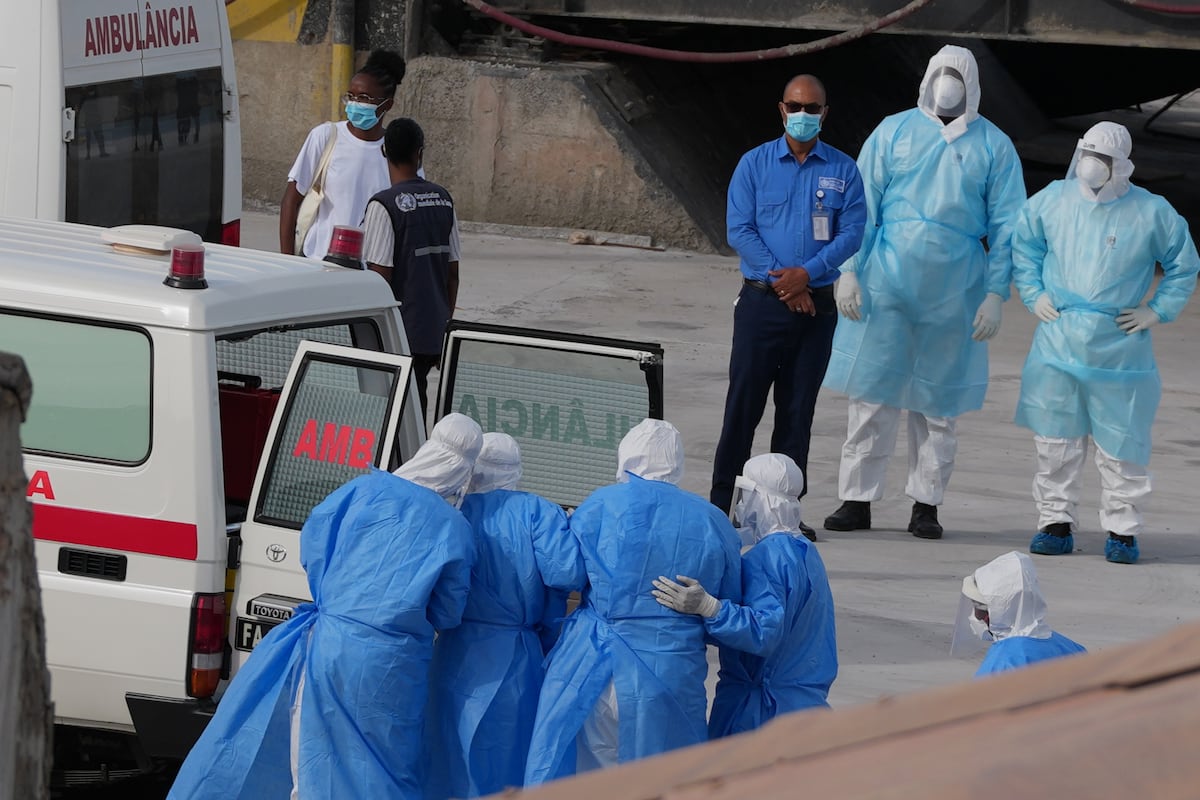
Two passengers in serious condition, identified as British and German nationals, have been evacuated from the MV Hondius and transferred to the Netherlands for specialized treatment. A third individual, a Dutch crew member, was also among those evacuated. The 65-year-old German passenger was reportedly closely connected to a German woman who died on board the vessel on May 2. The British evacuee has been identified as Martin Anstee, a 56-year-old former police officer, who is reported to be in stable condition in the Netherlands. The 41-year-old Dutch crew member's condition has not been detailed. These evacuations highlight the immediate medical challenges posed by the outbreak, with patients requiring intensive care and specialized facilities to combat the severe effects of hantavirus infection.
Tracing Potential Spread Beyond the Ship
Concerns extend beyond those still on the MV Hondius, as passengers who disembarked earlier are now under scrutiny. Twenty-three passengers left the ship on April 21 in Saint Helena, ten days after the first death occurred onboard, and subsequently returned to their home countries. These include individuals from Australia, Taiwan, the United States, the United Kingdom, and the Netherlands. Health authorities in the US states of Georgia and Arizona are monitoring three passengers who returned to the United States. Georgia's public health department is watching two residents who are currently in good health and show no signs of infection, while Arizona's health department is monitoring one asymptomatic resident. Separately, a man who traveled back to Switzerland after disembarking the ship has tested positive for hantavirus and is receiving care in Zurich, as confirmed by the World Health Organization (WHO).
The Andes Virus and Transmission Risks
The World Health Organization has identified the specific strain of hantavirus responsible for the outbreak on the MV Hondius as the Andes virus (ANDV). This particular variant is significant because it is the only known strain of hantavirus capable of spreading from person to person. Transmission of the Andes virus is believed to occur through close and prolonged contact with bodily fluids. This raises particular concerns for close contacts of infected individuals, including fellow passengers and crew members. Overall, there are eight cases linked to the outbreak, with three confirmed infections. Three individuals have died, one remains in intensive care in Johannesburg, South Africa, and another is hospitalized in Switzerland. The WHO's confirmation of the ANDV strain adds a critical layer to understanding the potential for further human-to-human transmission.
Delayed Contact and Public Health Response
A significant lapse in public health communication has emerged, with the World Health Organization only beginning to contact passengers who disembarked on April 21 in Saint Helena on May 14, three days prior to Dutch media reports. This delay meant that 23 passengers had been on land and potentially resuming normal life for over two weeks without being informed of the risk. One passenger, speaking anonymously to EL PAÍS, expressed concern that these individuals were "wandering around" without any contact from health authorities until very recently. The passenger noted that some individuals were not contacted until the day before the reports surfaced. This delay in outreach is a critical point of concern, potentially allowing for undetected spread among those who had already left the ship and returned to their communities before being alerted to the hantavirus threat.
Broader Hantavirus Context and Ongoing Investigations
Hantaviruses represent a diverse family with at least 38 recognized species, 24 of which are known to cause disease in humans. While many are transmitted through rodents, the Andes virus's human-to-human transmission capability sets it apart and amplifies the public health implications of the MV Hondius outbreak. Investigations are also underway into a separate potential case involving a KLM flight attendant admitted to a hospital in Amsterdam with hantavirus symptoms. This individual reportedly came into contact with a 69-year-old Dutch woman in South Africa who was too ill to fly and later died. South African health authorities are examining her death as a suspected hantavirus case. The interconnectedness of global travel means that a single outbreak on a cruise ship can quickly become a multinational health concern, necessitating swift and comprehensive tracing and containment efforts.
The bottom line
- An outbreak of the Andes virus (ANDV) on the MV Hondius cruise ship has resulted in multiple deaths and prompted international health alerts.
- Three individuals, including a British national, have been evacuated to the Netherlands for treatment of severe hantavirus symptoms.
- The Andes virus is notable for its ability to spread between humans through close contact with bodily fluids.
- A significant delay occurred in health authorities contacting passengers who disembarked on April 21, raising concerns about potential undetected spread.
- Monitoring and investigations into potential cases are underway in multiple countries, including the Netherlands, Switzerland, South Africa, and the United States.
- The outbreak underscores the risks associated with infectious diseases on cruise ships and the importance of rapid public health communication.
Singapore Residents Tested for Hantavirus After Cruise Ship Outbreak
Hantavirus Outbreak on Cruise Ship Leaves Three Dead, Dozens Monitored
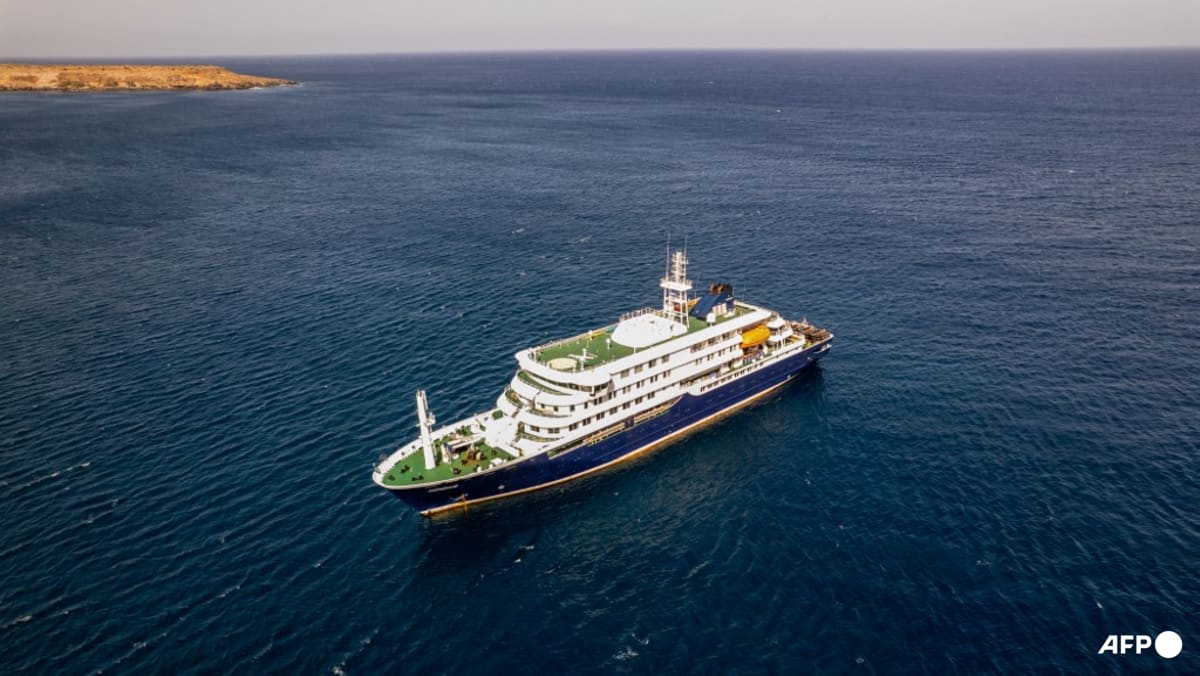
Three dead in suspected hantavirus outbreak on cruise ship stranded off Cape Verde