China braces for record 304 million daily trips as Labour Day travel shifts domestic amid jet fuel crisis
Soaring fuel prices following the Iran war trigger widespread flight cancellations to Southeast Asia, pushing holidaymakers toward road trips and train travel.
SINGAPORE —
Key facts
- China expects 1.52 billion cross-regional trips over the five-day Labour Day holiday, up 4% year on year.
- Road trips will account for 91.6% of journeys, with 64 million vehicles per day on highways — double the usual.
- Average daily car rental volume nationwide is forecast at 700,000, a 30% increase year on year.
- International flight cancellations during the holiday rose to 7.4%, with 785 flights scrapped — more than double 2025's level.
- Air China, China Eastern, Spring Airlines and AirAsia have reduced or suspended services to Bangkok, Phuket and Kuala Lumpur.
- Remaining flights between China and Southeast Asia are about 18% more expensive than in 2025.
- Jet fuel price hikes triggered by the war in Iran are the main cause of the cancellations and higher fares.
Record travel volume meets fuel-driven disruptions
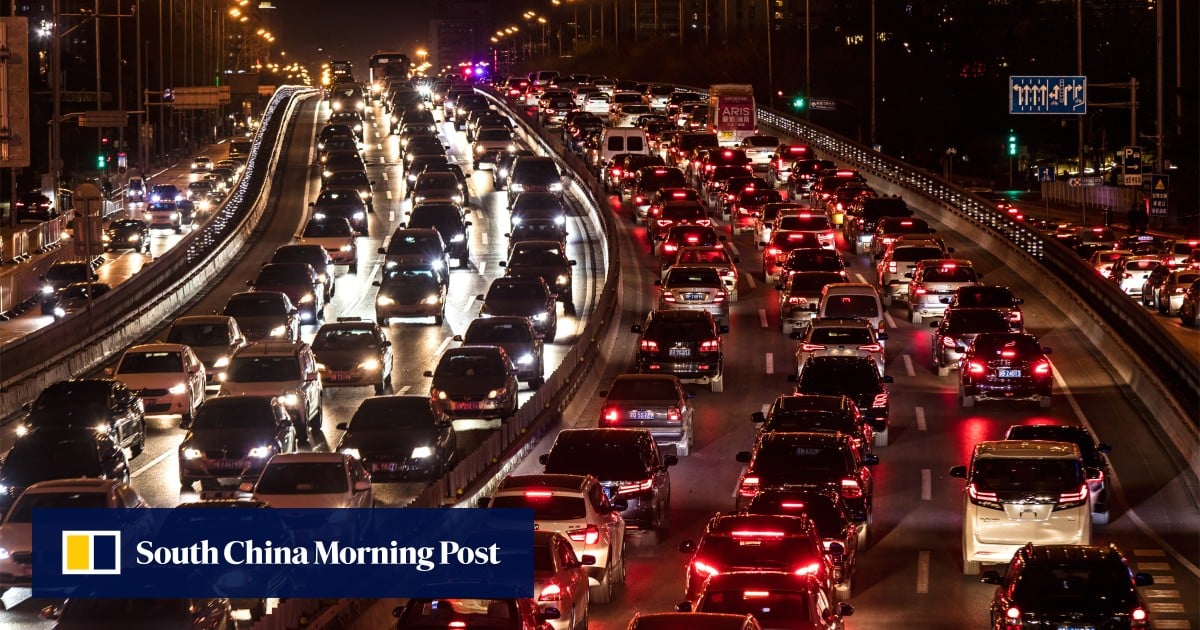
China is bracing for a record surge in cross-regional travel over the Labour Day holiday, as the government focuses on boosting consumption. The Ministry of Transport announced on Tuesday that the domestic transport network is projected to handle 1.52 billion cross-regional trips — about 304 million trips per day — over the five-day public holiday, a 4 percent increase compared with the same period last year. Yet soaring jet fuel prices following the war in Iran have made overseas travel significantly more expensive, triggering a wave of flight cancellations on routes between China and Southeast Asia. The dual forces of strong domestic demand and fuel-driven supply constraints are reshaping travel patterns for millions.
Cars dominate as road trips surge
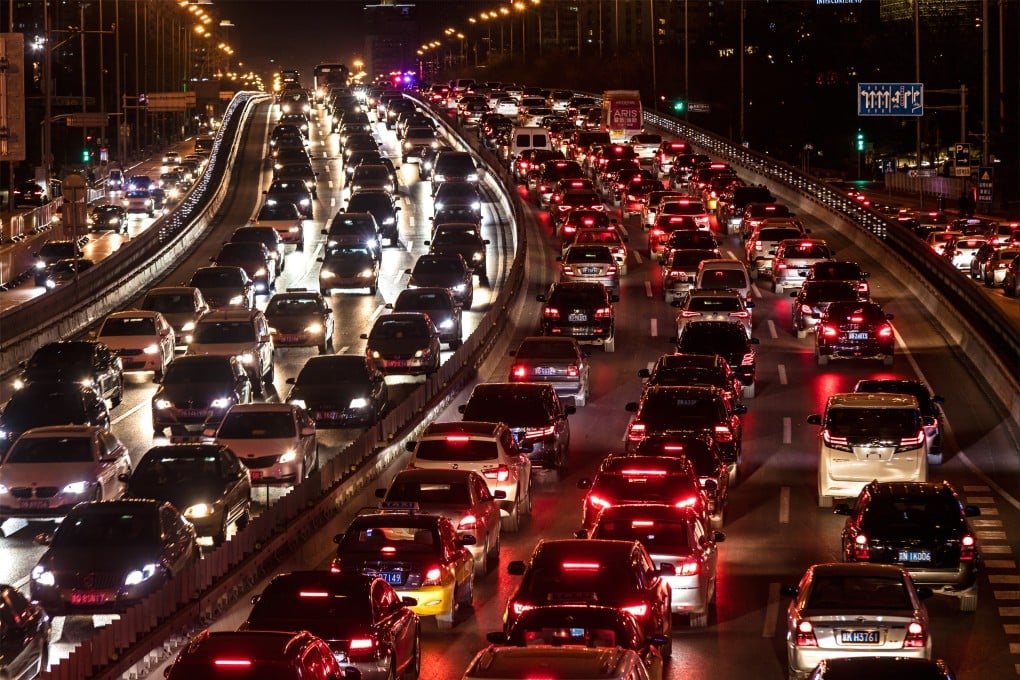
While travel is set to rise across the board, cars remain the dominant mode of transport. The ministry estimates that road trips will account for 91.6 percent of total journeys during the holiday, with around 64 million vehicles expected to use China’s highways per day on average — double the usual number. “The average daily car rental volume nationwide is expected to reach 700,000, a 30 percent increase year on year,” said Gao Bo, deputy head of the ministry’s transport services department. The shift toward road travel reflects both the affordability of domestic trips and the uncertainty surrounding flight availability.
Airlines slash Southeast Asia services as fuel costs bite
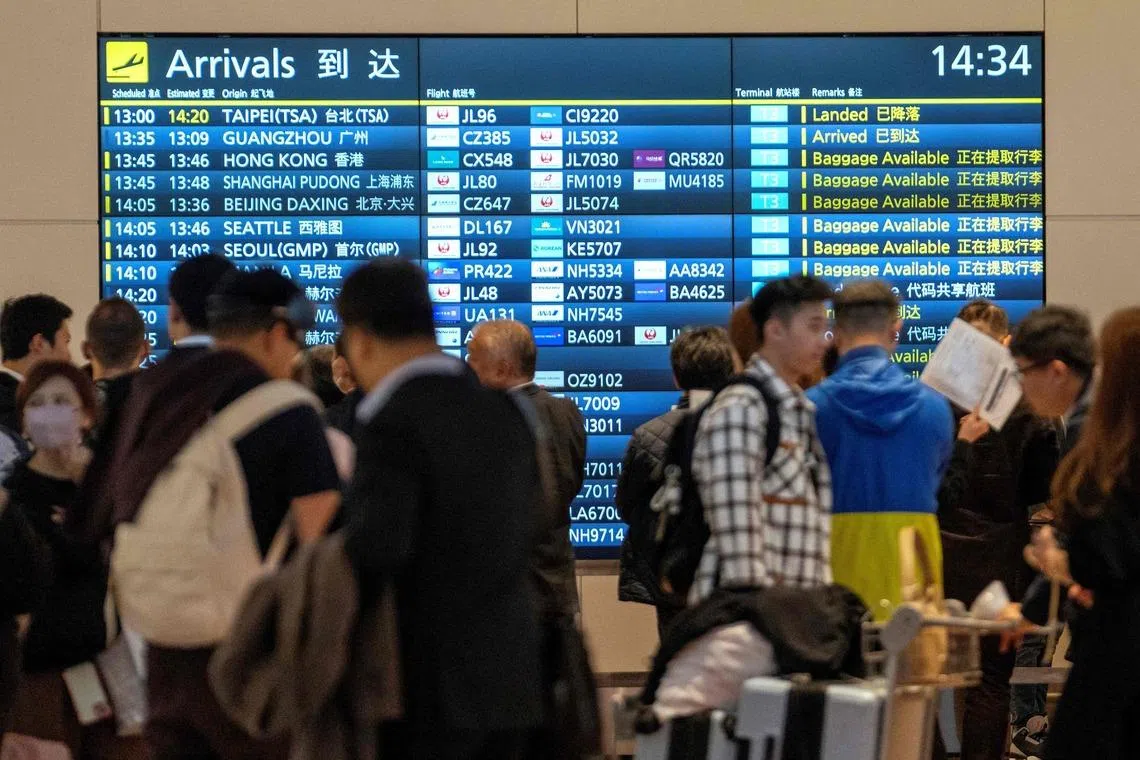
Multiple carriers — including Air China, China Eastern, Spring Airlines and Malaysia-based AirAsia — have reduced or suspended services between China and popular destinations such as Bangkok, Phuket and Kuala Lumpur, according to domestic media. Industry data cited by the China Air Transport Association showed that international flight cancellations during the May Day holiday rose to 7.4 percent, with about 785 flights scrapped — more than double 2025’s level. “We are starting to feel the impact of the Iran war on the availability and price of jet fuel, and this is leading to some major cancellations of flights between China and Southeast Asia, especially by low-cost carriers,” said Sienna Parulis-Cook, marketing and communications director at Dragon Trail Research. She added that flights still operating on those routes were about 18 percent more expensive on average than at the same time in 2025.
Holidaymakers adapt, but spending remains uncertain
Travel agencies and industry experts expect most holidaymakers to stay within China, extending a trend seen in recent years during major holiday periods as consumers opt for cheaper local destinations amid an economic slowdown and stagnant wage growth. The fuel crisis adds a new layer of constraint, pushing even those who might have traveled abroad to reconsider. Ms May Pan, a 39-year-old Beijing resident, said she felt fortunate that a planned trip with her husband to Malaysia’s Langkawi island had not been affected. “We planned this trip a long time ago, and I bought the air tickets six months ago,” she said. “I heard that many flights to Southeast Asia have been cancelled, but luckily, so far, ours remains unchanged.” Her experience underscores the advantage of early booking, but also the precariousness of current travel plans.
Rail and road gain as air travel loses ground
More Chinese are opting for train travel over flight tickets, which keeps the price of trips lower and reduces the chance of being caught up in flight disruptions. The shift toward rail and road is likely to dampen per capita spending, even as overall travel volume hits records. It remains unclear whether per capita spending will finally rebound to pre-Covid levels. The combination of an economic slowdown, stagnant wages, and now higher fuel costs suggests that while more people are moving, they may be spending less on each trip.
Outlook: domestic focus deepens as international routes remain fragile
The Labour Day holiday serves as a bellwether for China’s travel industry, and this year’s data points to a continued inward turn. With international flight cancellations more than doubling and fares rising sharply, the near-term outlook for outbound tourism from China is subdued. For policymakers, the record domestic travel numbers offer a bright spot in an otherwise sluggish economic recovery. But the reliance on road trips and car rentals — rather than higher-spending air and hotel packages — suggests that the consumption boost may be more modest than the raw trip count implies.
The bottom line
- China expects 1.52 billion cross-regional trips over Labour Day, a 4% year-on-year increase, with road trips accounting for 91.6% of journeys.
- Jet fuel price hikes from the Iran war have caused international flight cancellations to more than double, with 785 flights scrapped.
- Car rental volume is forecast to reach 700,000 per day, up 30% year on year, as travelers avoid expensive and unreliable air travel.
- Remaining flights to Southeast Asia are 18% more expensive than last year, pushing more travelers toward domestic destinations.
- Per capita spending may not rebound to pre-Covid levels due to economic slowdown, stagnant wages, and higher transport costs.
- The holiday underscores a structural shift toward domestic, road-based travel, with implications for China's tourism and fuel consumption.


Singapore’s PayNow to Drop Nickname Feature on June 6 in Anti-Scam Push

Pesticide Cocktails Raise Cancer Risk by 150% in Peru, Study Finds

Australia records zero cervical cancer cases in women under 25, a global first