US Navy Enforces Tight Blockade on Iranian Maritime Trade
Vessels are turned back or jam tracking signals as Washington tightens economic pressure on Tehran amid ongoing conflict.
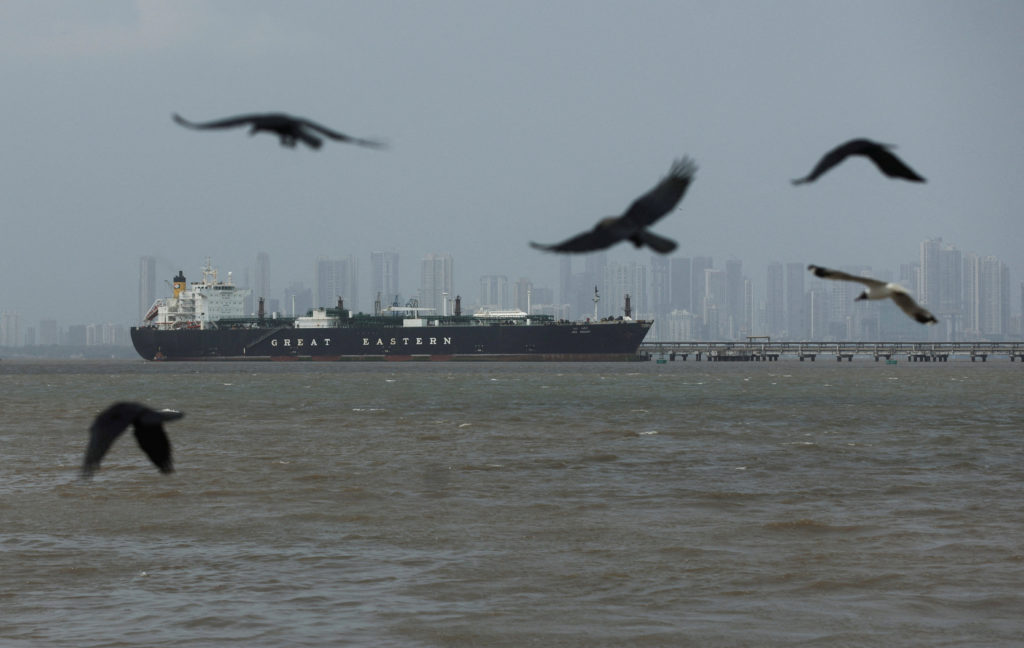
UNITED STATES —
Key facts
- US Navy blockade of Iranian ports commenced Monday, April 16, 2026.
- 10 vessels have been turned around, with zero ships breaking through.
- US military struck two Iran-flagged oil tankers in the Gulf of Oman on Thursday.
- Secretary of State Marco Rubio expects Iran's response to a US peace proposal Friday.
- The Strait of Hormuz normally handles 20% of global oil trade.
- Ship spoofing, transmitting false tracking data, is being used by some vessels.
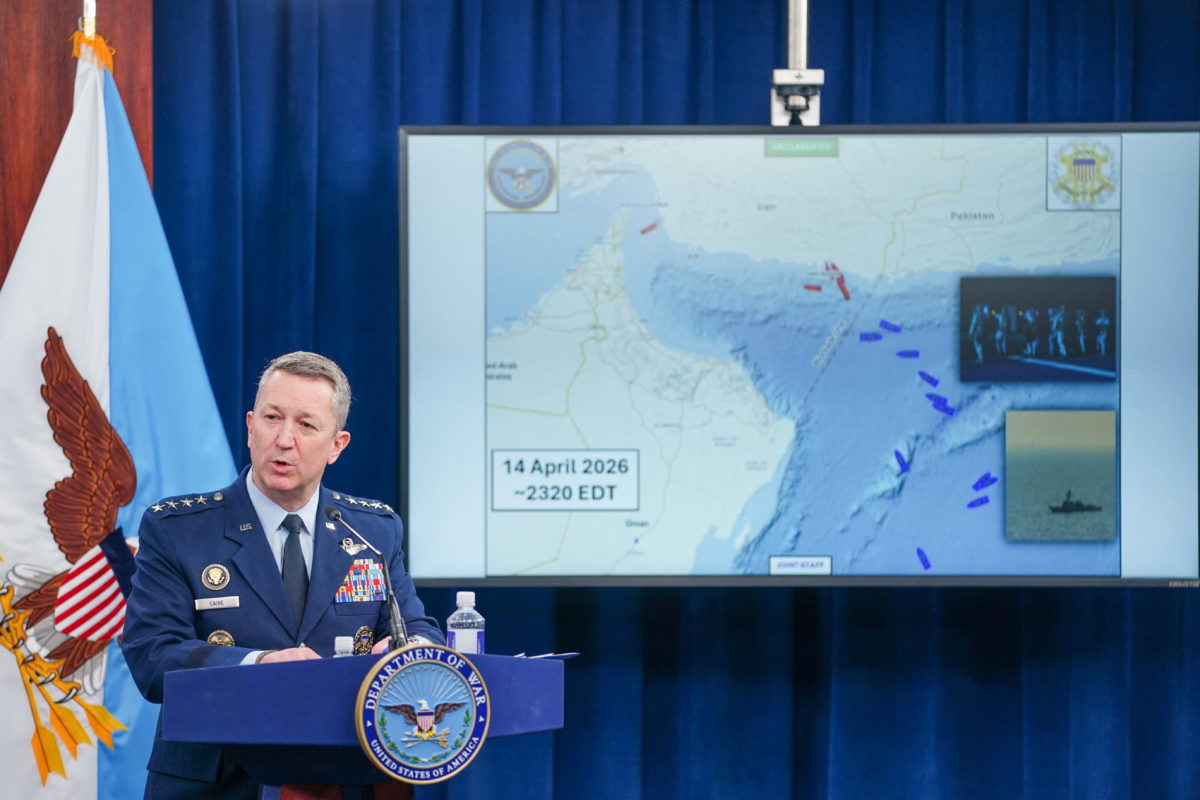
- General Dan Caine briefed on the blockade line on the Strait of Hormuz April 16, 2026.
Naval Blockade Halts Iranian Sea Trade
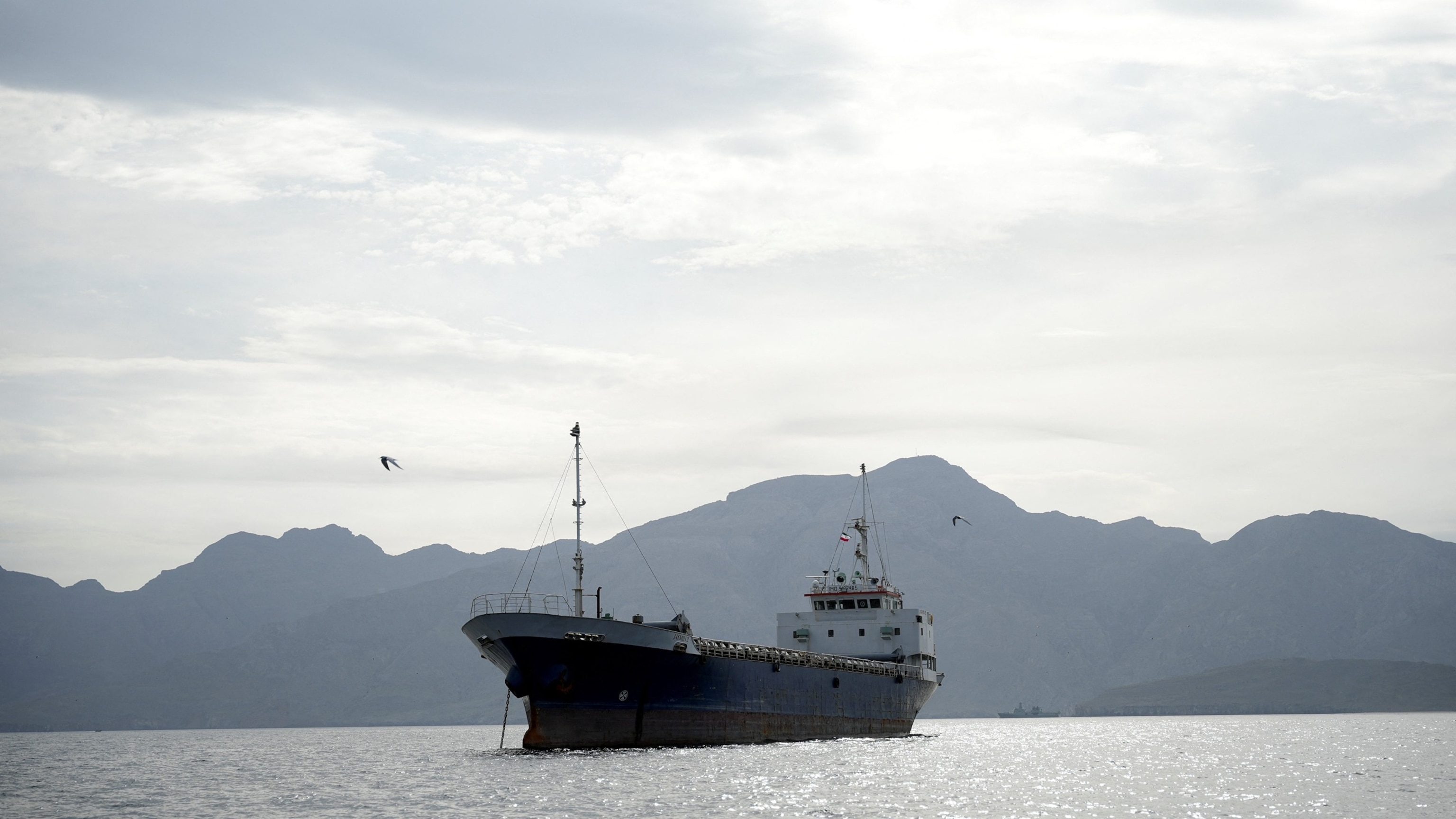
The United States Navy has fully implemented a maritime blockade aimed at halting all economic trade in and out of Iran by sea. Launched on Monday, the operation has seen vessels linked to Iran or under sanction stopped or forced to turn around as they attempt to transit the Strait of Hormuz and the Gulf of Oman. This stringent measure, enforced "impartially against all vessels of all nations entering or leaving coastal areas or ports in Iran," seeks to exert significant economic pressure on Tehran. success in the initial 48 hours, with Central Command stating that no vessels have penetrated the blockade line. Ten ships have complied with directives to return toward Iranian ports. Navy warships are issuing warnings that they are prepared to board and use force to ensure compliance, underscoring the seriousness of the operation. The blockade's effectiveness is evident as Iran-linked or sanctioned vessels that have departed the Persian Gulf appear to have halted or significantly reduced their movement. many of these vessels possess a history of carrying sanctioned Iranian-origin cargo, suggesting the blockade is targeting key economic lifelines.
Deceptive Tactics Emerge Amidst Tightened Controls
Despite the U.S. military's assertion of zero breaches, some Iran-linked ships appear to be employing sophisticated deceptive methods to circumvent the blockade. Maritime intelligence experts point to the use of "ship spoofing," a tactic where vessels transmit false information via their Automatic Identification System (AIS) to conceal their true identity, origin, or destination. This practice can make a ship appear to be loading cargo in a legitimate port while it is actually operating from Iran. of sanctioned vessels appearing to cross the Strait of Hormuz despite the blockade. One such vessel, the Alicia, a sanctioned crude oil tanker, was observed entering the Persian Gulf from the Gulf of Oman, though it was reportedly not carrying cargo. On Tuesday alone, at least three other U.S.-sanctioned tankers were noted by tracking services to have traversed the strait. These deceptive maneuvers complicate an already uncertain and risky shipping environment. While the U.S. military relies on more than just AIS data, the manipulation of these tracking systems presents a challenge in definitively identifying and intercepting all vessels subject to the blockade. The full extent to which these tactics are being used remains under scrutiny.
US Strikes Tankers Violating Blockade
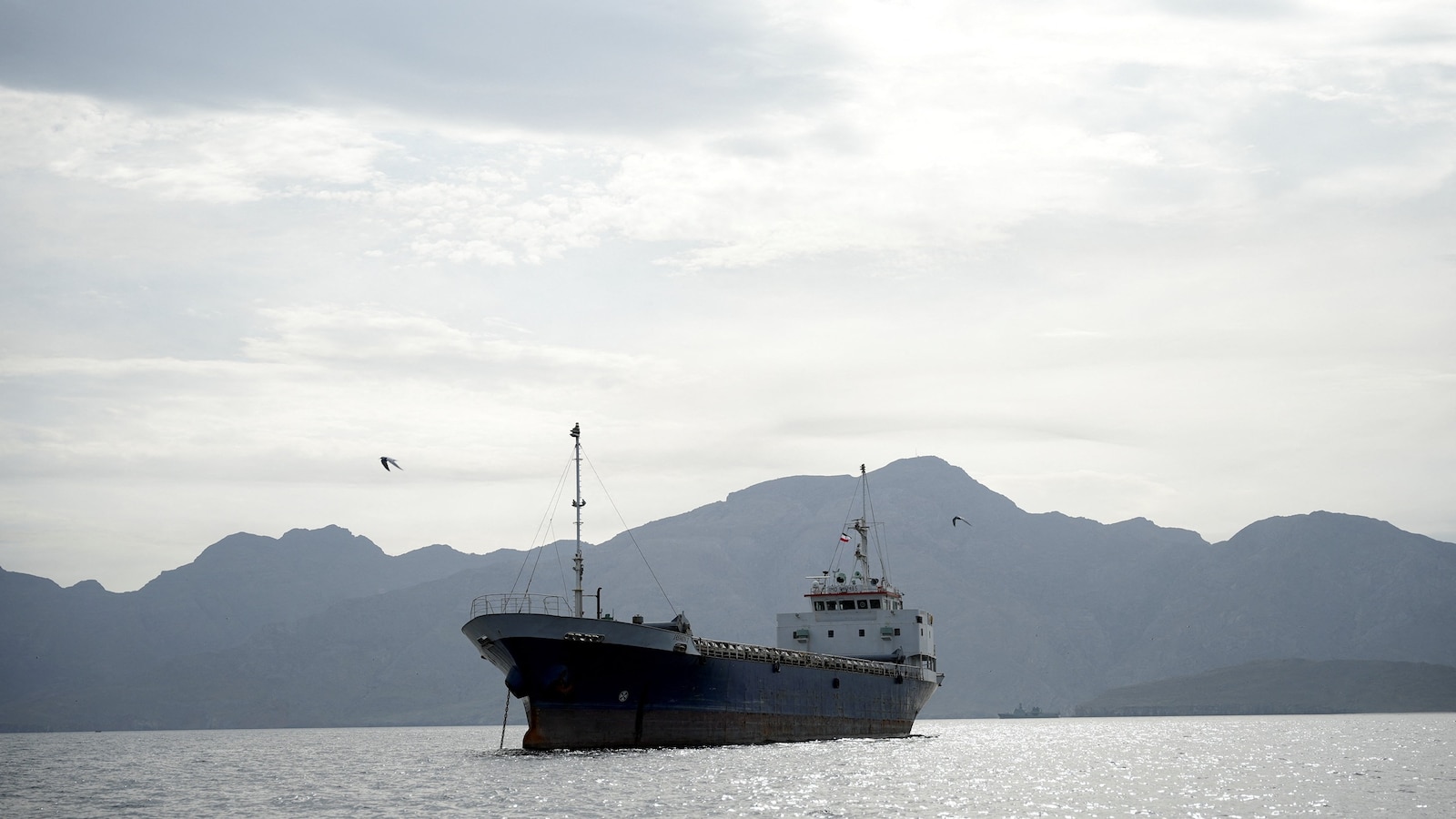
In a significant escalation, the U.S. military struck two Iran-flagged unladen oil tankers in the Gulf of Oman on Thursday, preventing them from entering an Iranian port in violation of the naval blockade. U.S. Central Command stated that a fighter jet disabled both tankers by firing precision munitions into their smokestacks, releasing unclassified video of the strikes. This action occurred amidst a backdrop of renewed hostilities, undermining a shaky U.S. ceasefire with Iran, despite President Donald Trump's insistence that the truce remains in effect. The U.S. and Iran exchanged fire in the Strait of Hormuz on Thursday, with both sides accusing the other of initiating the engagement. President Trump described the strikes as a "love tap" and warned of further attacks if Iran does not agree to a nuclear deal. The attacks underscore the volatile nature of the region, where the Strait of Hormuz, a critical chokepoint for global oil trade, has become a focal point of military and economic conflict. The ongoing disruption of tanker traffic has already triggered a global energy supply shock, leading to a surge in oil prices and broader economic repercussions.
Diplomatic Efforts Continue Amidst Hostilities
The renewed military actions have occurred as Iran was reportedly reviewing a U.S. proposal aimed at ending the war and initiating nuclear talks. Secretary of State Marco Rubio expressed optimism on Friday morning, stating that he expected Iran to respond to the U.S. proposal later in the day. The hope, he conveyed to reporters, is that this could lead to a serious negotiation process. Rubio's remarks, made following a visit with Pope Leo XIV in Rome, highlight the dual-track approach of military pressure and diplomatic engagement. The U.S. seeks to compel Iran towards a nuclear agreement while simultaneously enforcing economic sanctions and military blockades. This delicate balance between conflict and potential de-escalation remains a key feature of the ongoing crisis. The effectiveness of the blockade, coupled with the outcome of the diplomatic proposal, will be critical in shaping the future trajectory of relations between the U.S. and Iran.
Economic Ramifications of the Blockade
The U.S. naval blockade is poised to exert considerable pressure on Iran's already strained economy. By halting maritime trade, the U.S. aims to choke off vital revenue streams that fuel the Iranian war effort and its broader economy. This action comes after Iran itself had previously disrupted the Strait of Hormuz, a waterway crucial for global oil and gas supplies, thereby contributing to higher energy prices. The current stifling of tanker traffic is already creating a global energy supply shock, manifesting in a sharp increase in oil prices. This surge has a cascading effect on economies worldwide, impacting inflation, transportation costs, and industrial production. Experts suggest that the blockade's intensity may be forcing Iran to consider desperate measures, such as dumping oil into the Gulf to avoid detection. Furthermore, Iran's efforts to circumvent U.S. sanctions and blockades, including exploring alternative trade routes like rail links to China, indicate a strategic shift in its economic and logistical planning. The long-term impact of the blockade on Iran's economy and its ability to sustain its current policies remains a significant concern for international observers.
Operational Details of the Blockade
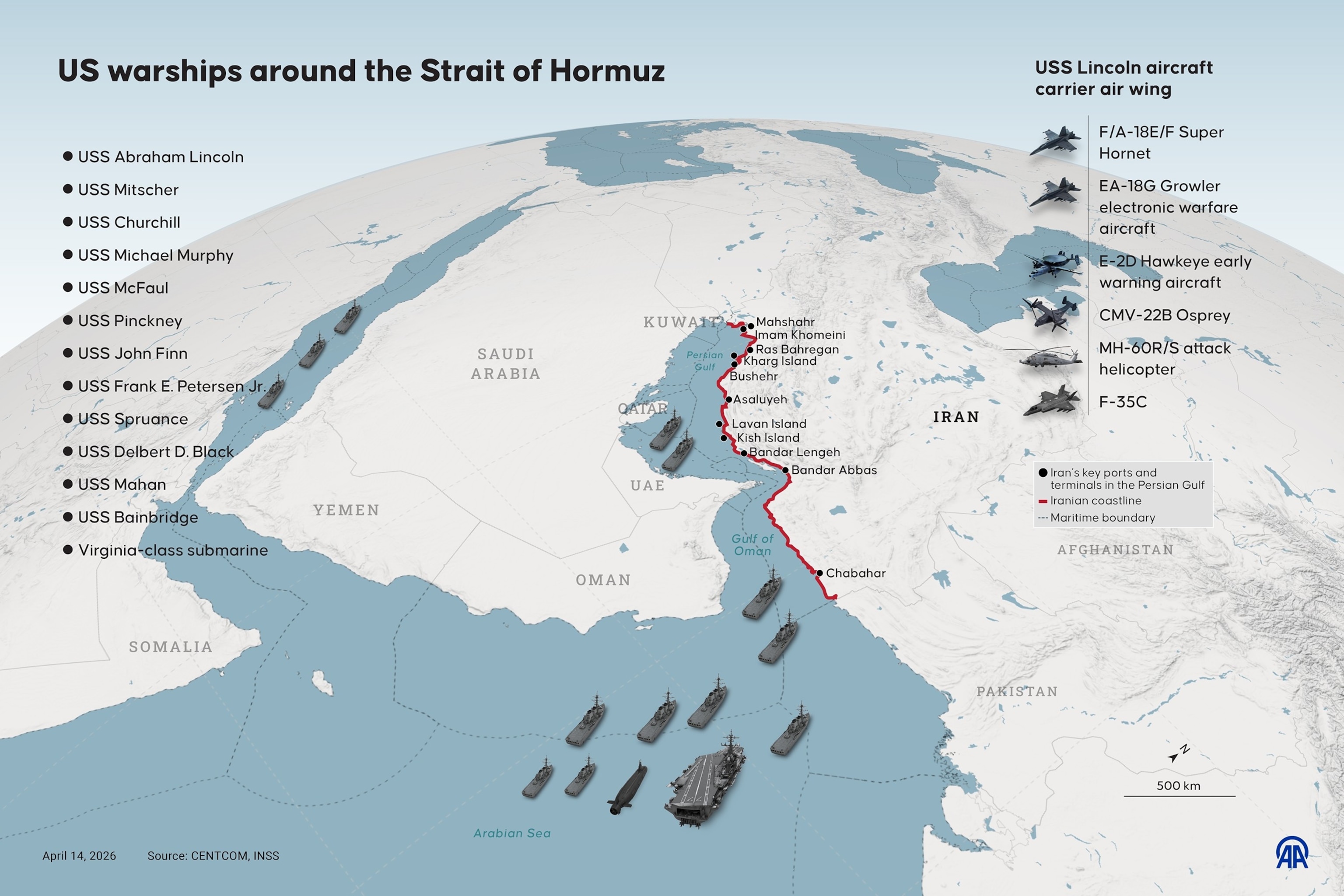
The U.S. military established the blockade in the Gulf of Oman, positioning forces beyond the Strait of Hormuz. The strategy involves observing vessels subject to the blockade as they depart Iranian facilities and clear the strait, before intercepting them and compelling them to turn around. This approach aims to minimize direct confrontation while maximizing enforcement effectiveness. Chairman of the Joint Chiefs of Staff General Dan Caine was seen briefing on the blockade line on the Strait of Hormuz at the Pentagon in Washington, D.C., on April 16, 2026. The U.S. Navy is deploying a range of capabilities, including surface warships, reconnaissance drones, and intelligence and surveillance aircraft, to enforce the blockade. While 16 U.S. warships, including 11 destroyers, are reportedly positioned in the region, none are currently inside the Persian Gulf itself. This deployment strategy suggests a deliberate effort to maintain a strong presence and enforce control over the maritime approaches to Iran without necessarily engaging in direct incursions into Iranian territorial waters.
The bottom line
- A U.S. naval blockade has been implemented in the Strait of Hormuz and Gulf of Oman, halting maritime trade with Iran.
- success in turning back vessels, with no ships confirmed to have breached the blockade.
- Iran-linked ships are reportedly using deceptive tactics, such as 'ship spoofing,' to evade detection.
- The U.S. military has struck two Iranian oil tankers attempting to violate the blockade.
- Diplomatic efforts continue, with Iran expected to respond to a U.S. proposal for peace and nuclear talks.
- The blockade is contributing to a global energy supply shock and a rise in oil prices.

Tornadoes Devastate Mississippi, Leaving Homes Destroyed and Residents Trapped
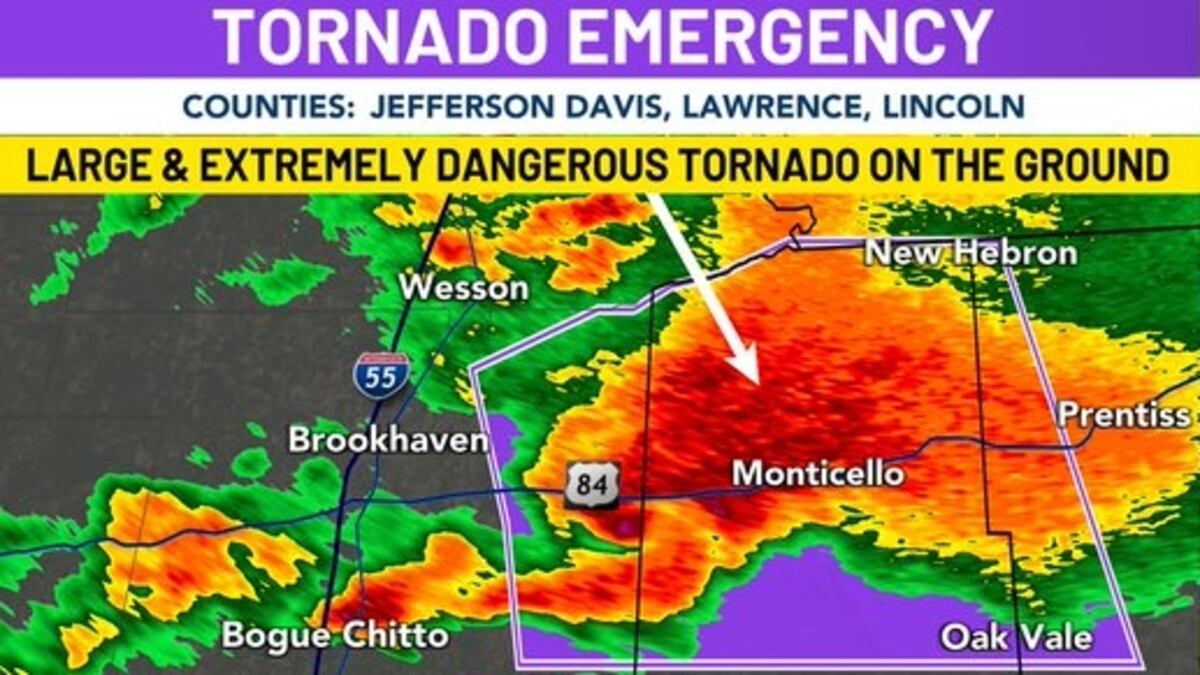
Mississippi Tornado Emergency: Homes Destroyed, Residents Trapped
Tornado Watch vs. Warning: Understanding Alerts When Every Minute Counts
