US and Iran Exchange Fire in Strait of Hormuz, Testing Fragile Ceasefire
Each side claims the other initiated hostilities, raising fresh doubts about a month-old truce aimed at ending a protracted conflict.

UNITED STATES —
Key facts
- US and Iran forces exchanged fire in the Strait of Hormuz on Thursday.
- US Central Command stated its forces intercepted 'unprovoked Iranian attacks' and responded with self-defense strikes.
- Iran accused the US of violating a fragile ceasefire by striking an Iranian tanker.
- President Donald Trump asserted the ceasefire remains in effect, calling the exchange 'just a love tap.'
- The incident occurred as three US Navy destroyers transited the strait.
- Iran had reportedly been reviewing a US proposal aimed at ending the war.
- A month-old ceasefire between the US and Iran had already been strained by repeated accusations of breaches.
Hostilities Erupt Amid Fragile Truce
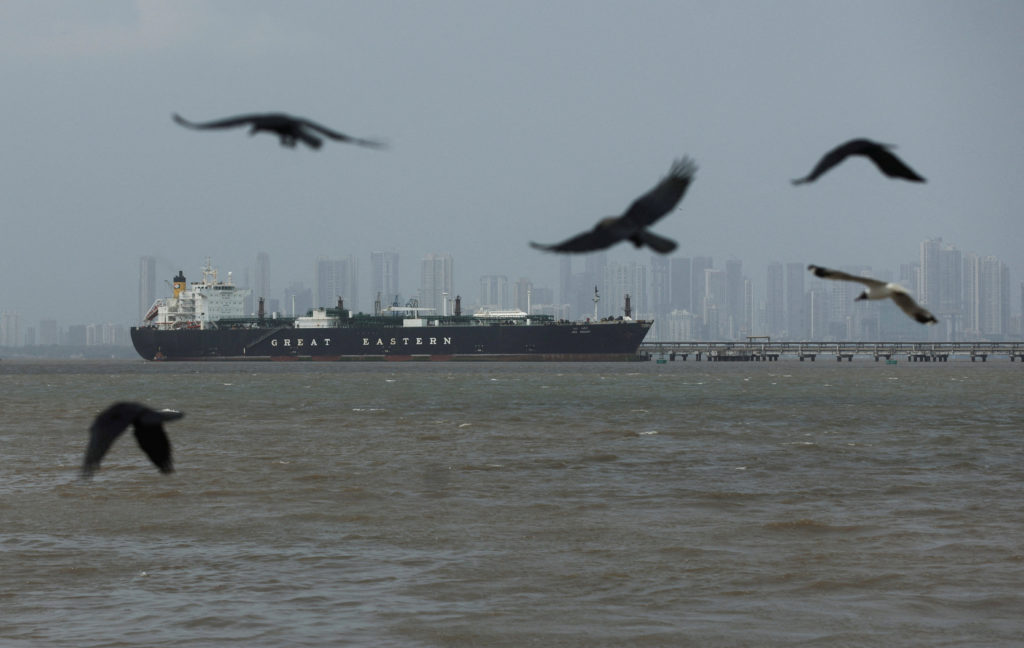
The United States and Iran engaged in a direct exchange of fire within the strategically vital Strait of Hormuz, casting a shadow over a month-old ceasefire agreement. Each nation has accused the other of initiating the hostilities, underscoring the precarious nature of the truce that has sought to de-escalate a protracted conflict. The incident late Thursday saw US Navy destroyers transiting the strait come under fire, prompting American forces to respond with "self-defense strikes" against Iranian military facilities. Central Command stated its forces "intercepted unprovoked Iranian attacks and responded with self-defense strikes," targeting missile and drone launch sites, command and control locations, and intelligence nodes. This renewal of hostilities further imperils the ceasefire, which had already been badly damaged by repeated accusations that its terms were being breached. The flare-up in the strait, a top global oil-shipping route, occurred as Iran was reportedly reviewing a US proposal that could end the war and pave the way for further nuclear talks.
Conflicting Accounts of the Exchange
Iran's military presented a starkly different account, accusing the US of violating the ceasefire by targeting an Iranian tanker moving toward the strait. An Iranian military official stated that the "aggressive, terrorist, and bandit American army" initiated the confrontation. loud noises and defensive fire in western Tehran, with explosions heard near Bandar Abbas in southern Iran, though the source of these blasts was not identified. Central Command, however, detailed that Iranian forces launched multiple missiles, drones, and small boats as the US ships proceeded toward the Gulf of Oman. The US military stated it does not seek escalation but remains "positioned and ready to protect American forces." President Donald Trump, in a call with an ABC News reporter, downplayed the significance of the exchange, insisting that the ceasefire remained in effect and referring to the strikes as "just a love tap." In a subsequent social media post, Trump claimed the US had "completely destroyed" the Iranian assets involved, which he described as small boats and drones.
Trump's Stance and Future Threats
President Trump reiterated his administration's strategy of conditional de-escalation, linking the prospect of peace to Iran's acceptance of a deal that would allow for the resumption of oil and natural gas shipments disrupted by the conflict. He issued a stern warning, stating that Iran would face more severe attacks if it did not agree to a nuclear deal "FAST." "Just like we knocked them out again today, we'll knock them out a lot harder, and a lot more violently, in the future, if they don't get their Deal signed, FAST!" Trump wrote on social media. The mixed messages from the Trump administration have characterized its approach to ending the war, oscillating between declarations of military operations being over and new threats of bombing if Tehran does not comply with US demands.
Iran's Move to Formalize Control of Hormuz
Earlier on Thursday, reports emerged that Iran had established a government agency tasked with vetting and taxing vessels seeking passage through the Strait of Hormuz. This move to formalize control over the critical waterway has raised new concerns for international shipping, with hundreds of commercial vessels reportedly bottlenecked in the Persian Gulf. The Iranian effort to exert greater authority over the channel comes as the country is examining the latest US proposals for ending the war. Iranian Foreign Ministry spokesperson Esmail Baghaei confirmed that the Islamic Republic was reviewing messages from Pakistan, which is mediating peace negotiations, but stated that "no response has been given to the U.S. side." Despite the renewed tensions, hope for an end to the two-month conflict had buoyed international markets earlier in the day.
Broader Diplomatic Landscape
The conflict, which began on February 28 with US and Israeli strikes against Iran, has seen a fragile ceasefire largely hold since April 8. In-person talks hosted by Pakistan last month failed to yield an agreement to end the war. Amidst these developments, Secretary of State Marco Rubio engaged in discussions regarding Middle East peace efforts with Pope Leo XIV. The Pope's opposition to the Iran war has led to public disagreements with President Donald Trump. Central Command's statement emphasized its readiness to defend American forces, while acknowledging that it "does not seek escalation."
The bottom line
- A US-Iranian ceasefire was tested by an exchange of fire in the Strait of Hormuz.
- Both US Central Command and Iranian officials provided conflicting accounts of who initiated the hostilities.
- President Trump affirmed the ceasefire's continuation but issued threats of further military action if a nuclear deal is not reached.
- Iran has reportedly moved to formalize its control over the Strait of Hormuz by establishing a new agency to vet and tax vessels.
- The incident occurred as Iran was reviewing US proposals aimed at ending the ongoing war.
- The month-old ceasefire had already been weakened by frequent accusations of breaches from both sides.



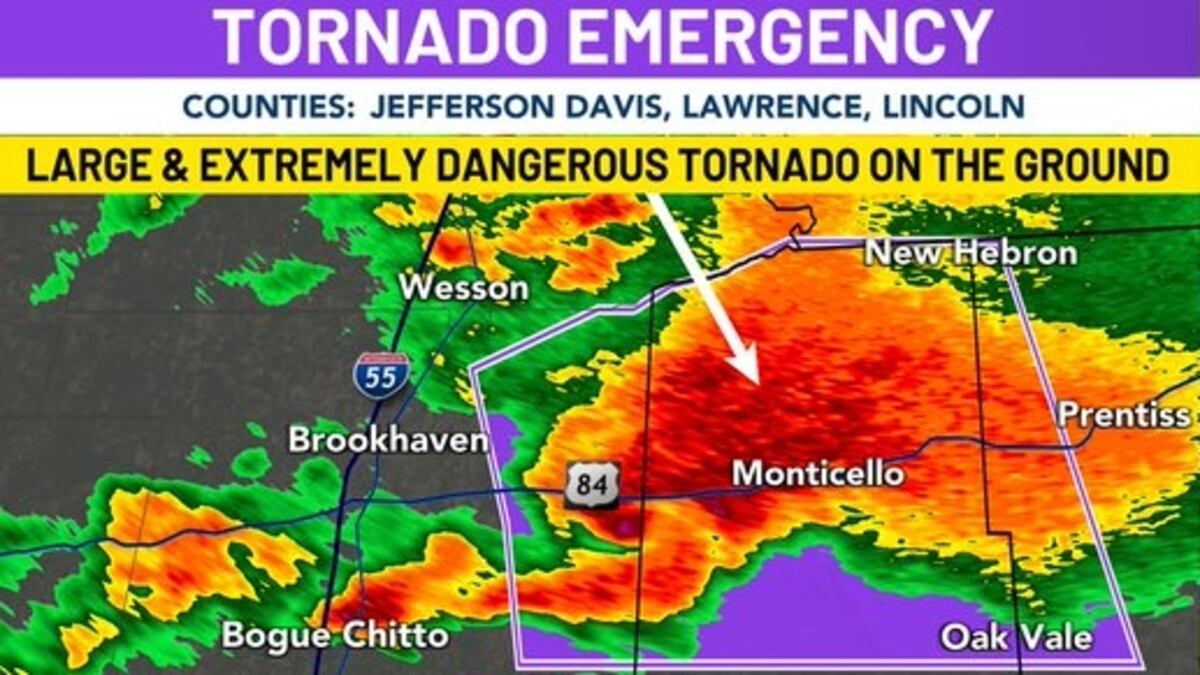
Tornadoes Devastate Mississippi, Leaving Homes Destroyed and Residents Trapped
Mississippi Tornado Emergency: Homes Destroyed, Residents Trapped
Tornado Watch vs. Warning: Understanding Alerts When Every Minute Counts