Tornado Watch vs. Warning: Understanding Alerts When Every Minute Counts
The National Weather Service issues distinct alerts for potential and imminent tornado threats, requiring different levels of preparedness and immediate action.
UNITED STATES —
Key facts
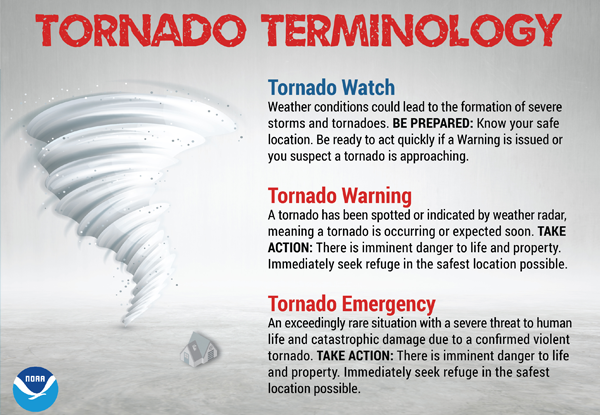
- A tornado watch means conditions are favorable for tornadoes to form.
- A tornado warning means a tornado has been sighted or indicated by radar.
- Watches are issued by the Storm Prediction Center; warnings by local forecast offices.
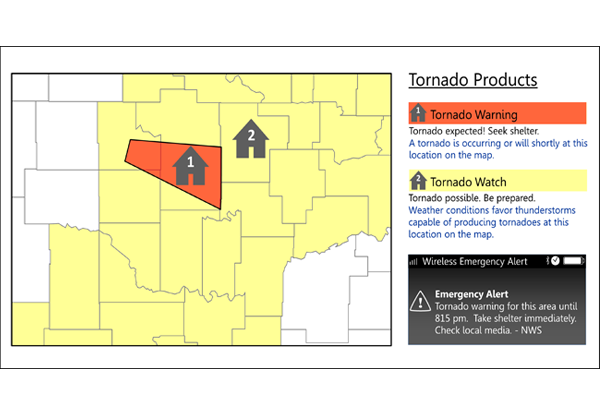
- Tornado watches typically cover large areas, often multiple states, and last for several hours.
- Tornado warnings usually cover smaller, more specific areas, like a city or part of a county, and last 20 to 60 minutes.
- A tornado emergency is the highest alert, issued for a violent tornado with confirmed catastrophic damage.
- During a watch, prepare and review emergency plans; during a warning, take immediate shelter.
Distinct Alerts for Imminent Danger
As severe weather intensifies across the United States, understanding the nuanced differences between a tornado watch and a tornado warning is paramount for community safety. These alerts, issued by the National Weather Service (NWS), signal vastly different levels of danger and necessitate distinct responses. Confusion between the two can have life-threatening consequences when every minute counts. A tornado watch serves as an early heads-up, indicating that weather conditions are favorable for tornadoes to develop in and near the designated area. It is a call to prepare, not to panic. Conversely, a tornado warning is an urgent alert signifying that a tornado has been sighted or indicated by weather radar, demanding immediate action to seek shelter. The distinction is critical for residents in tornado-prone regions, transforming weather terminology into potentially life-saving information. While a watch means tornadoes are possible, a warning means a tornado is imminent or already occurring, requiring immediate protective measures.
The 'Watch' Phase: Conditions Are Favorable
A tornado watch is issued by the NWS's Storm Prediction Center, typically covering a broad geographic expanse that can encompass numerous counties or even multiple states. These watches are usually issued several hours before any severe weather develops and can remain in effect for several hours until the threat subsides. The Storm Prediction Center in Norman, Oklahoma, issues an average of about 1,000 such watches annually across the U.S. During a tornado watch, residents are advised to review their emergency plans, take inventory of essential supplies, and check their safe rooms. It is a period for preparedness: charging phones and portable power banks, gathering flashlights, medications, and appropriate footwear, and bringing pets indoors. Avoiding unnecessary travel, especially after dark, is also recommended. Essentially, a tornado watch is a signal to get ready. It means the ingredients for severe weather, including tornadoes, are present, and vigilance is required. However, it does not mean a tornado is currently happening.
The 'Warning' Phase: Immediate Threat
A tornado warning, in contrast, is issued by local NWS forecast offices. It signifies that a tornado has either been sighted by trained spotters or law enforcement, or it has been indicated by weather radar. These warnings are typically issued for much smaller, more localized areas, often around the size of a city or a small county, and usually last for a shorter duration, on the order of 20 to 60 minutes. When a tornado warning is issued, preparation time is over; it is the moment to act. Individuals are urged to move immediately to a basement, storm cellar, or an interior room on the lowest floor of a sturdy building, away from windows. Wearing a helmet and grabbing a blanket can offer protection from flying debris. While most warnings provide about 10 to 20 minutes of lead time, this can be significantly reduced if a tornado develops rapidly. It is crucial not to waste time verifying the threat visually; immediate shelter is the priority. In some instances, a tornado warning may occur without a preceding watch.
The Highest Alert: Tornado Emergency
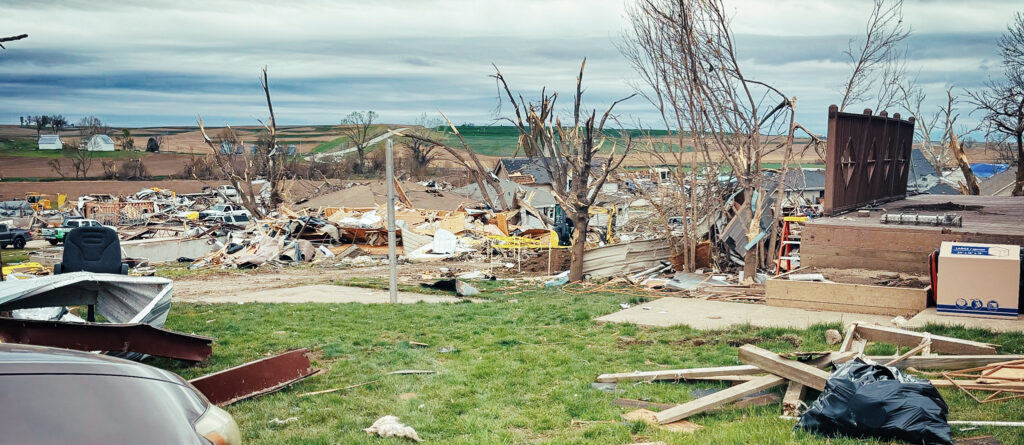
Beyond watches and warnings, the National Weather Service has a third, even more urgent alert: the Tornado Emergency. This designation is reserved for the most severe situations, specifically when a violent tornado has touched down within a watch area. It signifies a severe threat to human life and property, with catastrophic damage confirmed. Receiving a Tornado Emergency alert requires immediate and decisive action. Individuals are instructed to seek refuge in the safest possible location without delay. It is also a critical time to call friends and family within the affected watch area to ensure they are aware of the dire situation. During such an emergency, attempting to outrun a tornado in a vehicle is strongly discouraged. Instead, sheltering in place and monitoring local forecasts for updates once safe are the recommended actions.
Analogies and Preparedness
To simplify the distinction, analogies are often employed. A common comparison likens a tornado watch to a yellow traffic light, signaling caution and the need to be aware, while a tornado warning is a red light, demanding immediate action. Another popular social media analogy states: 'Taco watch' means the ingredients are ready; 'Taco warning' means tacos are being served right now. Regardless of the analogy, the core message remains: a watch is for preparation, and a warning is for immediate action. Ensuring multiple methods for receiving these critical NWS alerts—such as NOAA Weather Radio, local news, and wireless emergency alerts—is vital for timely awareness. Effective preparedness also involves communicating the safety plan with all household members and checking on vulnerable friends or relatives. The goal is to move from a state of readiness during a watch to swift, decisive action when a warning is issued.
The bottom line
- A tornado watch indicates favorable conditions for tornado formation and is a call for preparedness.
- A tornado warning means a tornado is imminent or occurring, requiring immediate shelter.
- Watches are issued by the Storm Prediction Center for large areas over several hours; warnings by local offices for smaller areas over shorter durations.
- A Tornado Emergency is the highest alert, issued for confirmed violent tornadoes with catastrophic damage.
- Immediate action, such as seeking shelter in a basement or interior room, is necessary upon receiving a tornado warning.
- Maintaining multiple channels for receiving weather alerts ensures timely awareness of watches and warnings.




U.S. Navy Shepherds Maersk Ship Through Strait of Hormuz as Iran Strikes UAE
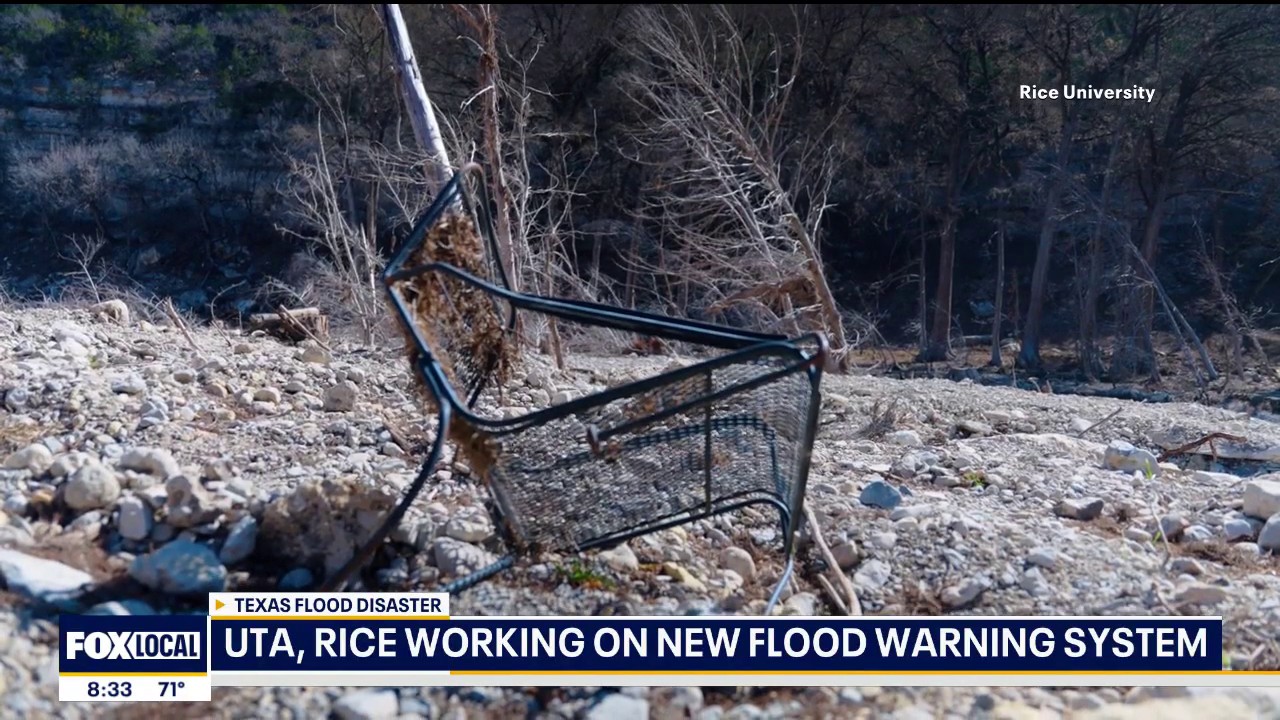
Texas invests $4 million in flood warning system after 2025 Hill Country disaster killed over 130

UAE Intercepts Iranian Missiles, Condemns 'Dangerous Escalation' After Drone Strike Injures Three
