Wordle #1789: "Dowdy" Challenges Players with Double Consonant
Wednesday's New York Times puzzle features an uncommon word, testing even seasoned streak-savers.

UNITED STATES —
Key facts
- Wordle puzzle #1789 was released on Wednesday, May 13, 2026.
- The five-letter answer to Wordle #1789 is "DOWDY".
- The word "dowdy" describes someone or something as unfashionable or shabby.
- The puzzle features a double consonant, specifically two 'D's, in the middle.
- The only vowel in "DOWDY" is 'O', appearing in the second position.
- The average player took 4.4 moves to solve #1789 in easy mode.
- The average player took 4.3 moves to solve #1789 in hard mode.
A Mid-Week Wordle Conundrum
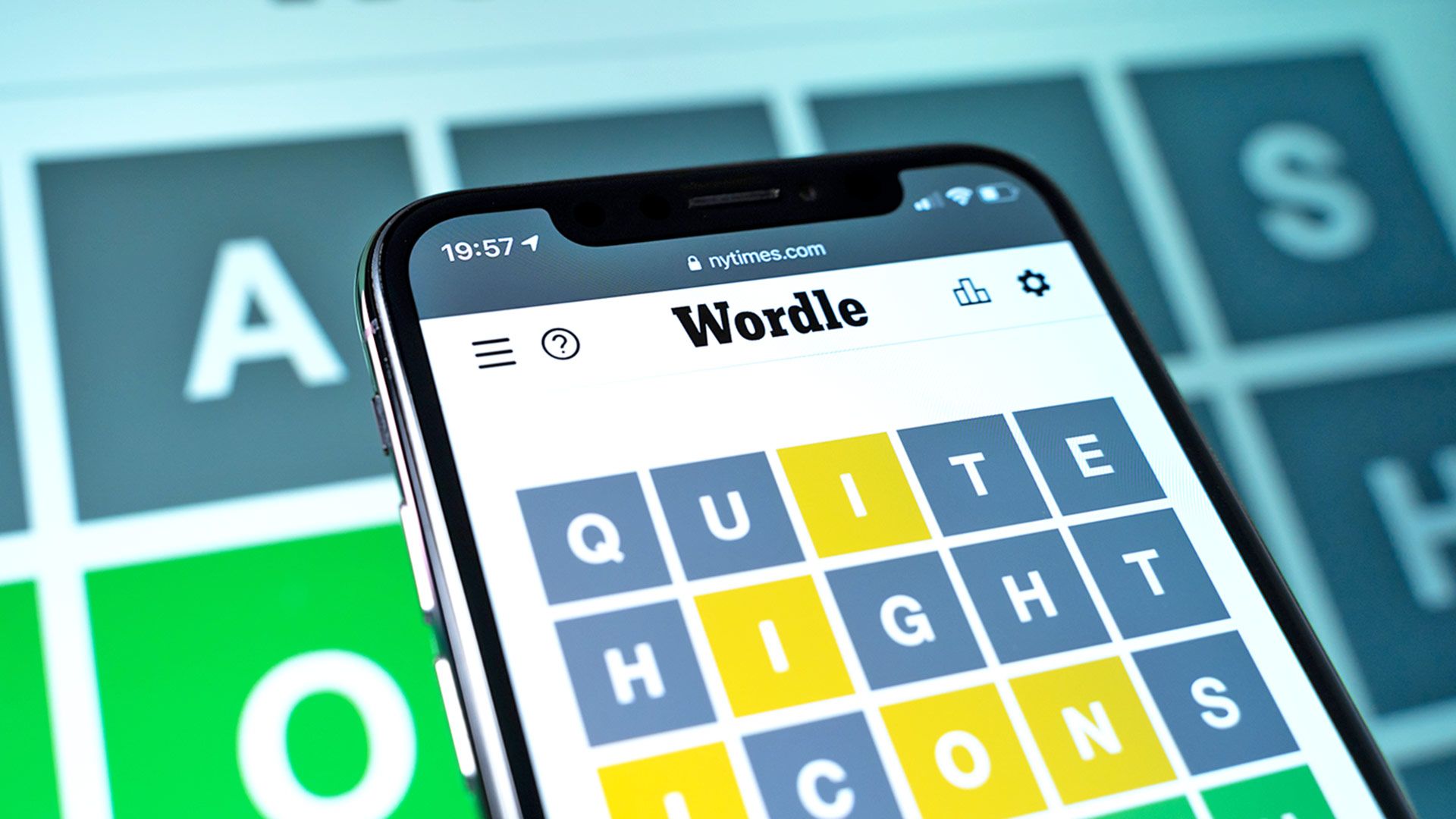
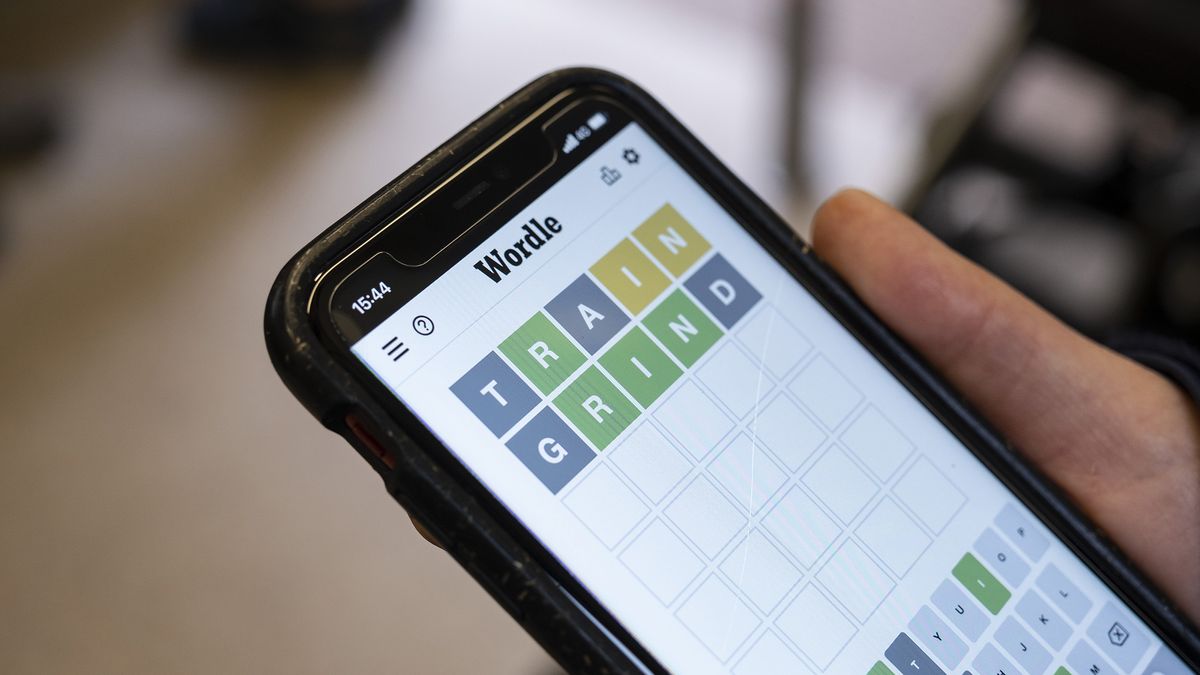
Wednesday's Wordle puzzle, number 1789, has presented a significant challenge to players attempting to maintain their daily streaks. The New York Times' popular five-letter word game, originally created by Josh Wardle, has become a global phenomenon, with millions engaging in the daily ritual. This particular puzzle, however, is proving to be a "gut punch," separating casual guessers from dedicated streak warriors. The game, which allows six attempts to guess a five-letter word, employs a color-coded system: green for a correct letter in the right position, yellow for a correct letter in the wrong position, and gray for a letter not present in the word. The complexity of puzzle #1789 lies not just in its uncommon answer but also in its structural quirks, which have led to a higher-than-average number of moves required for completion.
Unpacking the "Dowdy" Dilemma
The answer to Wordle #1789 is the word "DOWDY." This adjective, which describes a person or thing as plain, shabby, or unfashionable, carries historical weight, first appearing in Middle English in the 14th century. Its meaning aligns with its somewhat rough sound, evoking a sense of outdatedness. The puzzle's difficulty stems from several factors. "DOWDY" contains a double consonant, specifically two 'D's, positioned in the middle of the word. This repetition, while not adjacent, is a rare feature in Wordle answers, appearing in fewer than 3% of all puzzles. Furthermore, the word has only one vowel, 'O', which sits in the second position, making it a potential trap for players who rely heavily on vowel-testing starter words.
Strategic Approaches to a Tricky Word
The unique structure of "DOWDY" requires a strategic approach, particularly for players aiming to preserve their streaks. The single vowel 'O' means that initial guesses focusing on common vowels like A, E, I, or U can be unproductive, leaving many possible answers. The double 'D' also poses a challenge; players might correctly identify one 'D' but then waste subsequent guesses trying non-repeating letters. Experts suggest diversifying starting words beyond vowel-heavy options. Words like "STARE" or "CRANE" can help identify the 'D' and provide a better chance of mapping the word's structure. For those who have identified the 'D', strategy words such as "SWOOP" or "DROOL" can be effective in confirming the 'O' placement and the double-consonant pattern. The New York Times' WordleBot indicates that the average player required 4.4 moves in easy mode and 4.3 moves in hard mode to solve this particular puzzle.
The Evolution of a Word Game Phenomenon
Wordle's journey from a personal gift to a global sensation underscores its broad appeal. Created by Josh Wardle initially for his partner, the game's simple yet engaging premise quickly captivated a vast audience. Its popularity led to its acquisition by The New York Times, integrating it into their Games family and solidifying its place in the daily routines of word enthusiasts. Beyond the original game, Wordle's success has spawned a vibrant ecosystem of derivative puzzles. Fan-made versions like "Squabble," a battle royale format, and "Heardle," a music identification game, have emerged, alongside variations such as "Dordle" and "Quordle" that increase the number of words to be guessed simultaneously. These offshoots highlight the enduring fascination with the core Wordle mechanic.
Navigating the Wordle Landscape
For players seeking to improve their Wordle performance, understanding letter frequencies is key. Common consonants like S, T, R, and N, along with at least two different vowels, are often recommended for starter words. Conversely, letters such as Z, J, and Q appear less frequently and may be less optimal for initial guesses. The game's design intentionally balances accessibility with challenge. While "DOWDY" might feel more difficult, the game's core mechanics have remained consistent since its inception. Players can also opt for "Hard Mode" for an added layer of difficulty. For those who missed out on solving today's puzzle, a new Wordle challenge awaits tomorrow, offering another opportunity to test one's vocabulary and strategic thinking.
The bottom line
- Wordle #1789, released on May 13, 2026, featured the answer "DOWDY".
- The word "DOWDY" describes something as unfashionable or shabby.
- The puzzle's difficulty was amplified by a rare double 'D' consonant and only one vowel ('O').
- Average players required 4.3 to 4.4 moves to solve this particular Wordle.
- Strategic starter words and an understanding of letter frequencies are crucial for success.
- Wordle, acquired by The New York Times, continues to be a popular daily word puzzle.



Virginia Supreme Court Nullifies Voter-Approved Redistricting Plan

How the Houston Rockets' Rejection of James Harden Paved the Way for the Cleveland Cavaliers' Playoff Push

Comey Indictment Followed 11-Month Investigation, Prosecutors Say