USS Mason and Destroyers Fend Off Coordinated Iranian Assault
U.S. warships responded with self-defense strikes on Iranian targets after enduring missile and drone fire.
UNITED STATES —
Key facts
- Three U.S. Navy destroyers were attacked by Iranian forces on Thursday.
- The destroyers involved were the USS Truxtun, USS Mason, and USS Rafael Peralta.
- U.S. forces responded with self-defense strikes on three Iranian ports.
- The targeted Iranian ports were Bandar Abbas, Qeshm, and Bandar Kargan.
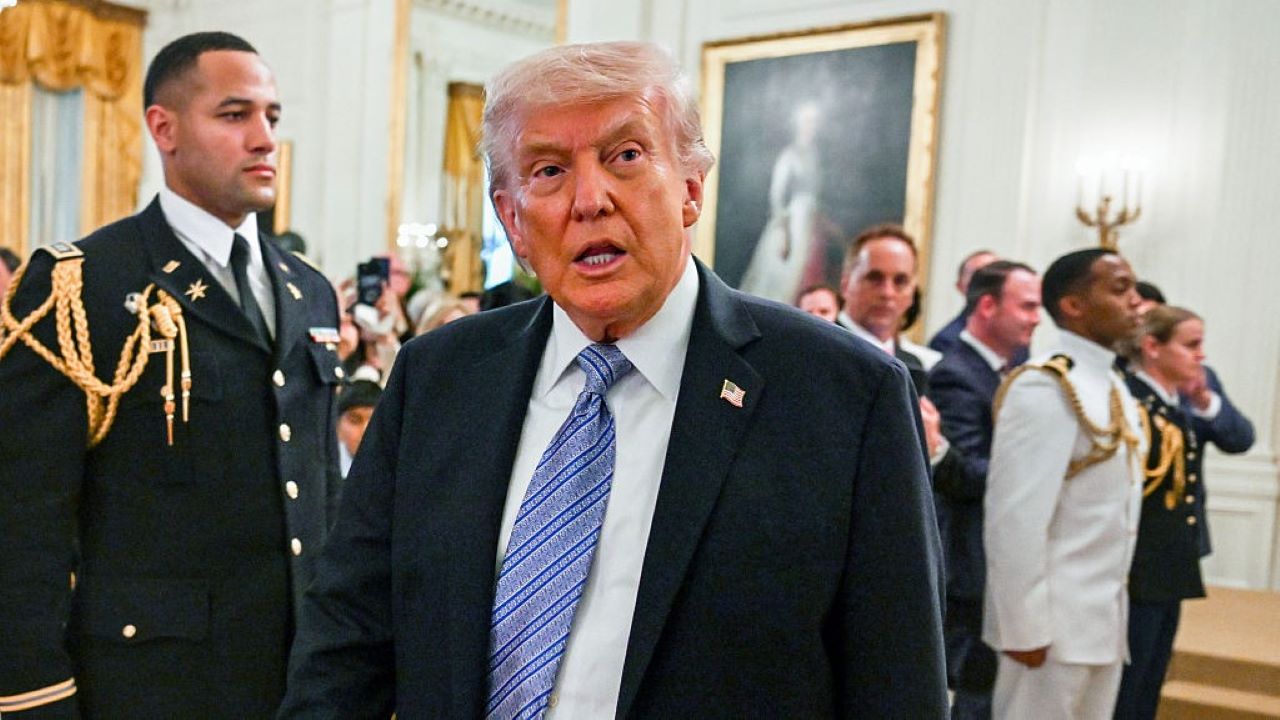
- President Trump described the U.S. retaliatory strikes as 'just a love tap'.
- A month-long ceasefire between the U.S. and Iran is reportedly still in effect.
- No casualties or damage to following the engagement.
- Earlier in the week, two of the same destroyers navigated an Iranian barrage.
Fragile Ceasefire Tested in Strait of Hormuz
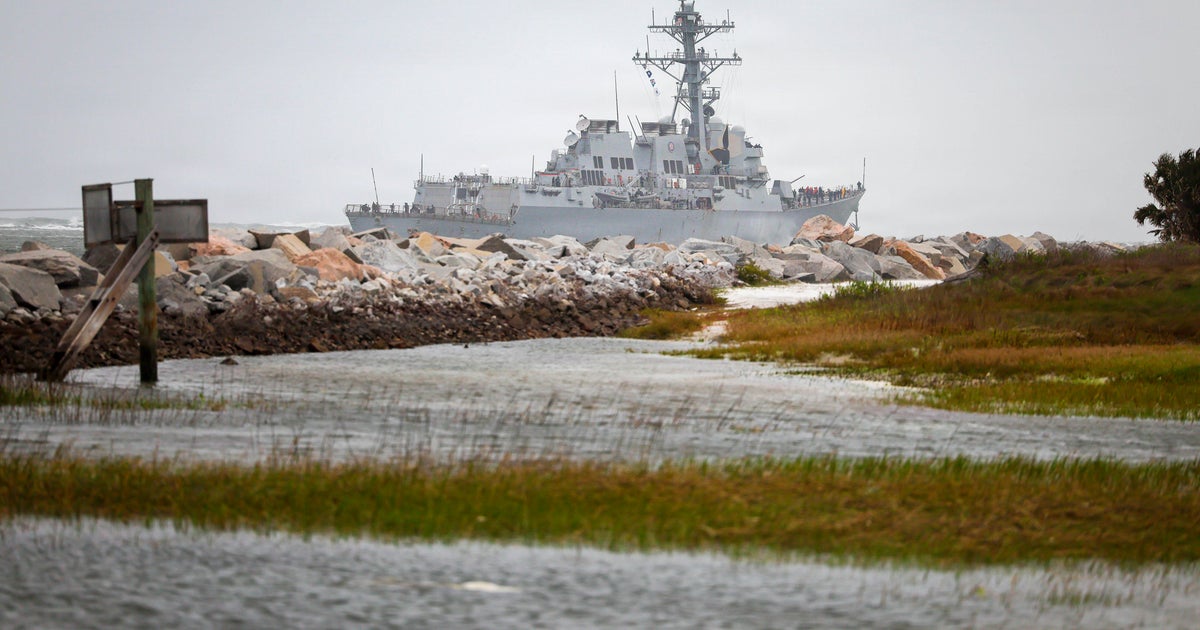
Three United States Navy destroyers transiting the Strait of Hormuz came under a coordinated attack on Thursday, prompting American forces to respond with self-defense strikes on Iranian targets. The incident, involving missile and drone fire from Iranian forces, cast a shadow over an increasingly fragile month-long ceasefire between the two nations. The U.S. military's Central Command confirmed the engagement, stating that American forces "responded with self-defense strikes" after the destroyers were targeted. The retaliatory action saw the U.S. strike three Iranian ports located along the vital maritime passage. President Donald Trump, speaking on Thursday, characterized the U.S. strikes as "just a love tap" and affirmed that a ceasefire remained in effect. This assertion, however, comes amidst a significant escalation of direct confrontation at sea, testing the resolve of ongoing diplomatic efforts.
Destroyers Endure Sustained Iranian Onslaught
The targeted vessels were identified as the USS Truxtun, USS Mason, and USS Rafael Peralta. American officials described the Iranian assault as fiercer and more sustained than a separate barrage these warships faced only days earlier. The attack involved a combination of Iranian missiles, drones, and small boats. As swarms of Iranian fast-attack boats maneuvered dangerously close, U.S. warships were compelled to open fire to maintain a safe distance. The defense involved multiple layers of engagement over several hours. U.S. naval guns and close-in weapon systems were deployed, alongside small-caliber gun teams on deck. Apache helicopters launched Hellfire missiles, and.50-caliber machine guns fired from ship decks, with additional aircraft providing overhead support. Iranian forces also deployed drones and missiles during the confrontation. Despite the intensity of the attacks, no casualties or damage to the by the time of publication. President Trump later commented on social media that "great damage" had been inflicted upon the Iranian attackers.
Echoes of Earlier Confrontation
This latest engagement follows a similar incident earlier in the week. On Monday, the USS Truxtun and USS Mason transited the Strait of Hormuz and entered the Persian Gulf after navigating another Iranian barrage. During that earlier confrontation, Iran also launched small boats, missiles, and drones against the two vessels in what officials described as a sustained barrage. Even in that instance, neither U.S. vessel sustained damage. Central Command stated it had destroyed six Iranian vessels on Monday, a claim that Iran subsequently denied. These repeated incidents at sea represent some of the most direct known exchanges between the U.S. and Iran since they entered into a ceasefire approximately one month prior. The ceasefire was intended to provide a window for negotiating a longer-term peace deal. Defense Secretary Pete Hegseth and Secretary of State Marco Rubio have both indicated that the ceasefire remains in place, with the U.S.'s initial operation against Iran, dubbed Operation Epic Fury, now concluded.
Strategic Waterway Under Pressure
The Strait of Hormuz is a critical chokepoint for global oil shipments, with approximately 30% of the world's seaborne oil trade passing through its narrow waters. The repeated confrontations underscore the persistent tensions in the region and the strategic importance of this maritime passage. The U.S. response, targeting Iranian ports including Bandar Abbas, Qeshm, and Bandar Kargan, signals a firm stance in asserting freedom of navigation and deterring further aggression. Bandar Abbas, a major naval base, and Qeshm, a strategically located island, are significant Iranian military and economic hubs. Bandar Kargan, also targeted, is known for its oil and gas facilities, highlighting the potential for broader economic implications in any sustained conflict. The U.S. action, while described as self-defense, carries inherent risks of escalation in an already volatile geopolitical landscape.
Diplomacy Hangs in the Balance
The renewed hostilities raise significant questions about the durability of the U.S.-Iran ceasefire and the prospects for a broader peace agreement. While President Trump maintains the ceasefire is holding, the direct military exchanges suggest a precarious stability. American officials have previously stated that the ceasefire was a prerequisite for substantive negotiations. The current events put that premise under severe strain, potentially jeopardizing the diplomatic track that has been painstakingly developed. The coming days will be crucial in determining whether this incident represents a temporary setback or a fundamental breakdown in the de-escalation efforts. The international community will be watching closely to see if diplomatic channels can contain the fallout from these naval confrontations.
The bottom line
- Three U.S. Navy destroyers, including the USS Mason, were attacked by Iranian forces in the Strait of Hormuz.
- The U.S. responded by striking three Iranian ports: Bandar Abbas, Qeshm, and Bandar Kargan.
- President Trump characterized the U.S. retaliatory strikes as minor and confirmed a ceasefire remains in effect.
- The engagement represents a significant escalation and tests a month-long ceasefire between the U.S. and Iran.
- on the U.S. warships during the coordinated Iranian assault.
- This incident follows a similar barrage faced by two of the same destroyers earlier in the week.
Tornadoes Devastate Mississippi, Leaving Homes Destroyed and Residents Trapped
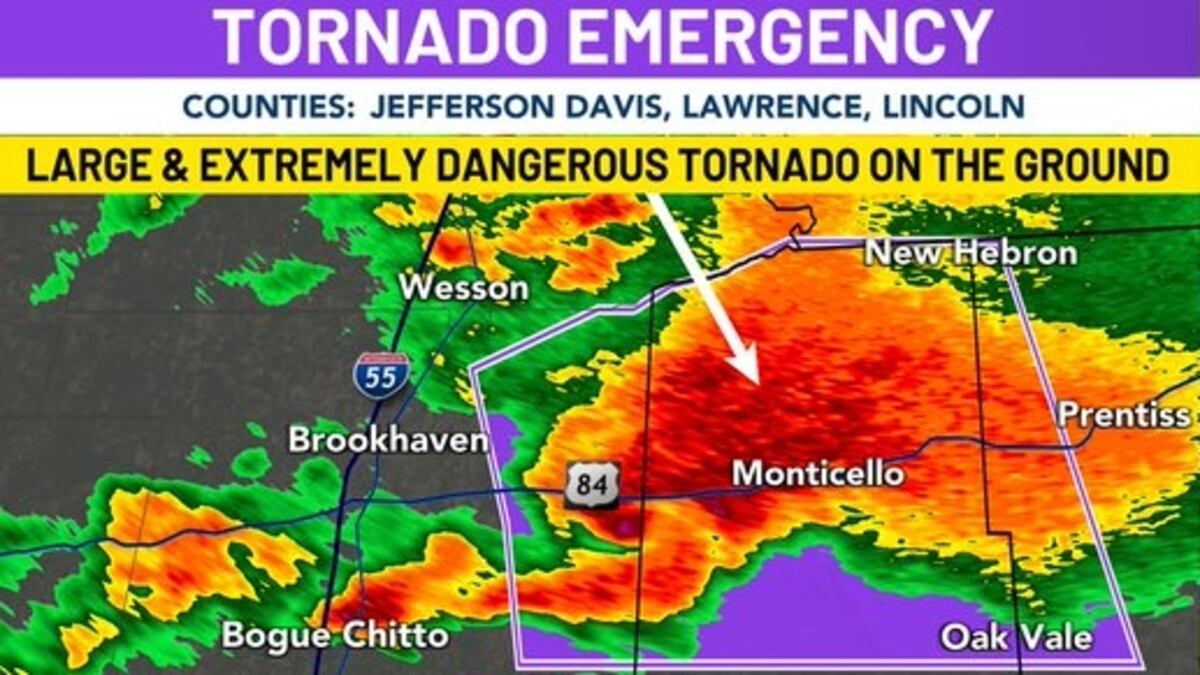
Mississippi Tornado Emergency: Homes Destroyed, Residents Trapped
Tornado Watch vs. Warning: Understanding Alerts When Every Minute Counts
