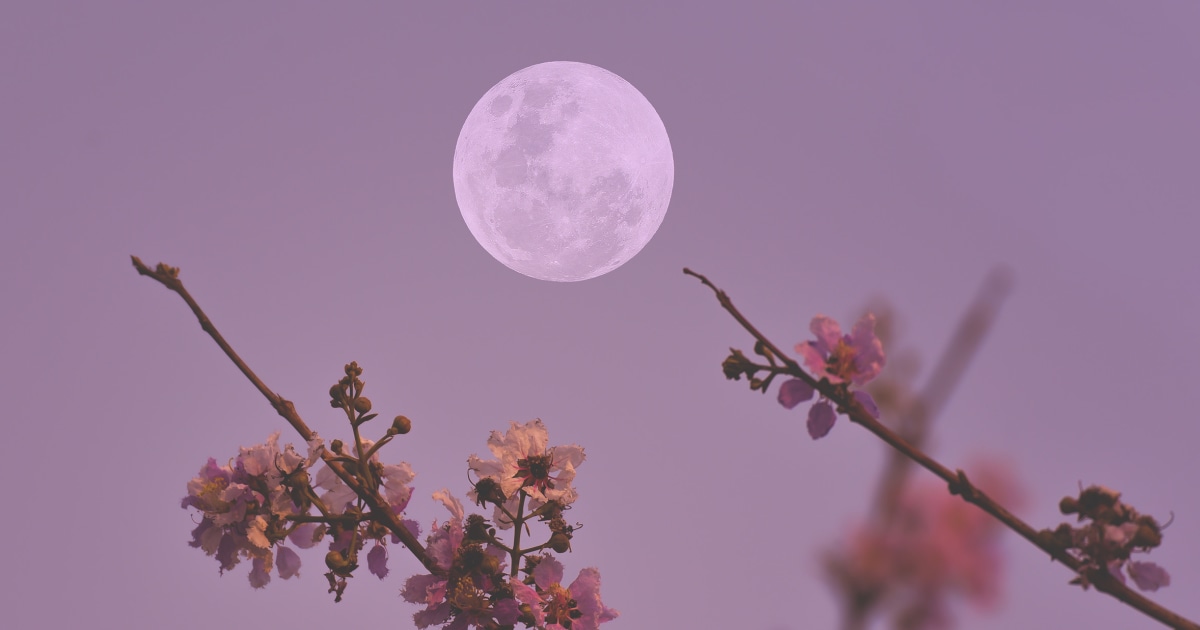
Two Full Moons in May: Flower Moon Kicks Off a Rare Blue Moon Month
Sky-gazers can expect a micromoon series, a Venus conjunction, and the Eta Aquarid meteor shower, with the month's second full moon falling on May 31.
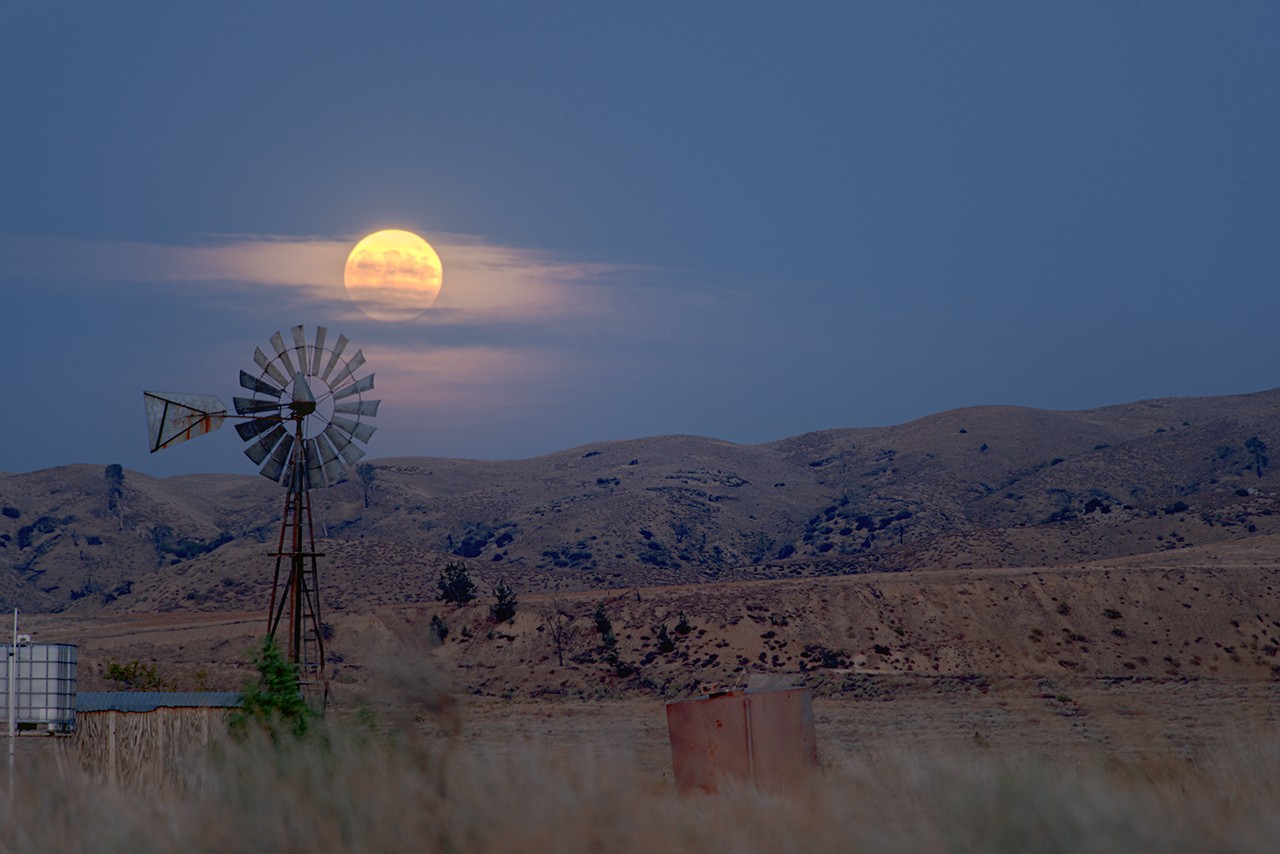
SOUTH AFRICA —
Key facts
- The flower moon peaks at 1:23 p.m. ET on May 5, appearing full from May 4 to 6.
- May 31 brings a blue moon, the second full moon in the same month, peaking at 4:45 a.m. ET.
- Both full moons are micromoons, occurring at apogee 249,180 miles (401,017 km) from Earth.
- The Eta Aquarid meteor shower peaks May 5–6, producing up to 50 meteors per hour.
- Meteors from Halley's Comet enter Earth's atmosphere at about 40 miles per second.
- On May 18, the Moon and Venus will appear in conjunction after sunset.
- The flower moon name originates from the Comanche tribe, reflecting wildflower blooms.
- A calendrical blue moon occurs seven times every 19 years.
May Opens with a Flower Moon and a Meteor Shower
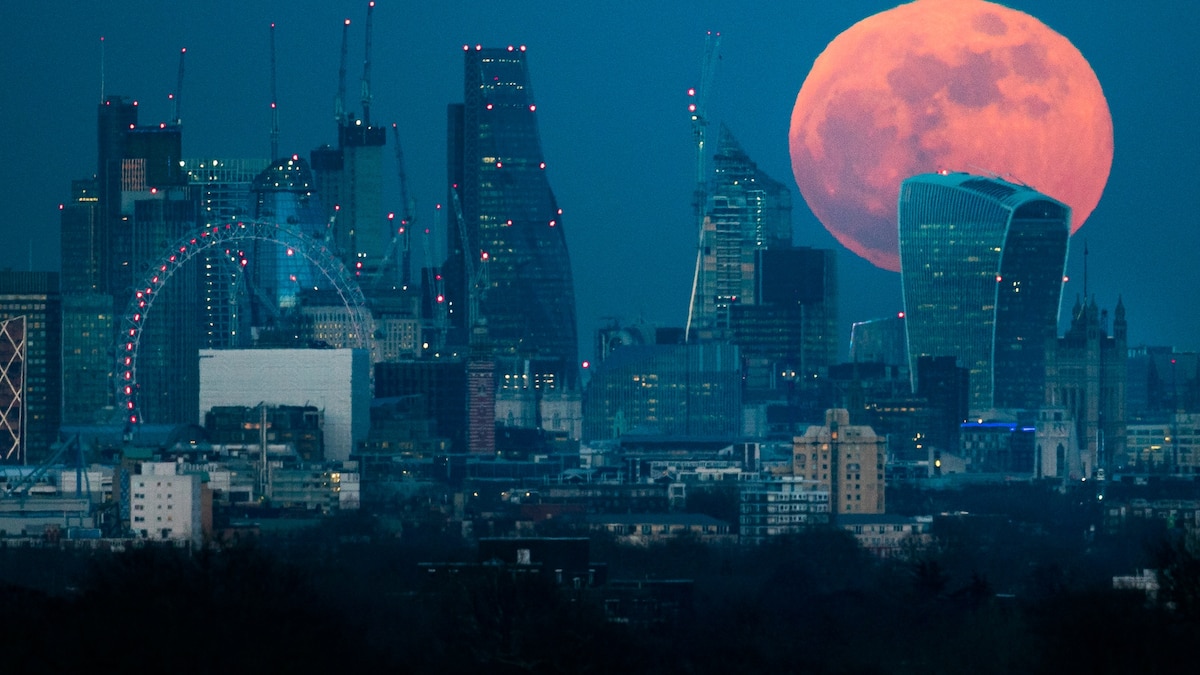
The month of May begins with a celestial double feature: a full flower moon and the peak of the Eta Aquarid meteor shower. The flower moon reaches its fullest at 1:23 p.m. Eastern Time on Friday, May 5, though it will appear full to the naked eye from Thursday night through Saturday."There's a moment on May 1 where the moon will be at its fullest in the moment, but 24 hours before and 24 hours later, to the human eye it's going to look full," said Noah Petro, project scientist for the Artemis III mission. At the same time, the Eta Aquarid meteor shower peaks on the nights of May 5 and 6. These shooting stars originate from Halley's Comet, which last passed through the inner solar system in 1986 and will not return until 2061. Every year, Earth crosses the comet's dusty trail, and tiny particles burn up in the atmosphere, creating bright streaks. The meteors are fast, racing into Earth's atmosphere at about 40 miles per second, and can leave glowing trails that linger momentarily.
A Rare Blue Moon Ends the Month
May will host two full moons, a phenomenon known as a calendrical blue moon. The second full moon peaks at 4:45 a.m. Eastern Time on May 31, appearing fullest before sunrise. This blue moon occurs when a month starts and ends with a full moon, a pattern that happens seven times every 19 years. Both full moons in May are micromoons, meaning they occur when the moon is at apogee, its farthest point from Earth. The moon will be 249,180 miles (401,017 kilometers) away, compared with its average distance of 238,855 miles (384,399 kilometers).y smaller than usual.
Cultural Roots of the Flower Moon
The nickname "flower moon" comes from the Comanche tribe, reflecting the time when wildflowers begin to bloom across much of North America, especially in the Great Plains, the Comanche's ancestral homeland. Other indigenous tribes have their own names for this full moon. The Potawatomi and Shawnee people call it the strawberry moon, while the Choctaw and Creek refer to it as the mulberry moon, corresponding to the peak ripening and harvesting times for strawberries and mulberries. The Tlingit people call it the "moon before pregnancy," with the following June moon named the birth moon. The first full moon in May also falls on May Day, which marks the halfway point between the March equinox and the June solstice — respectively the beginning of spring and summer in the Northern Hemisphere.
Viewing Tips and Upcoming Conjunctions
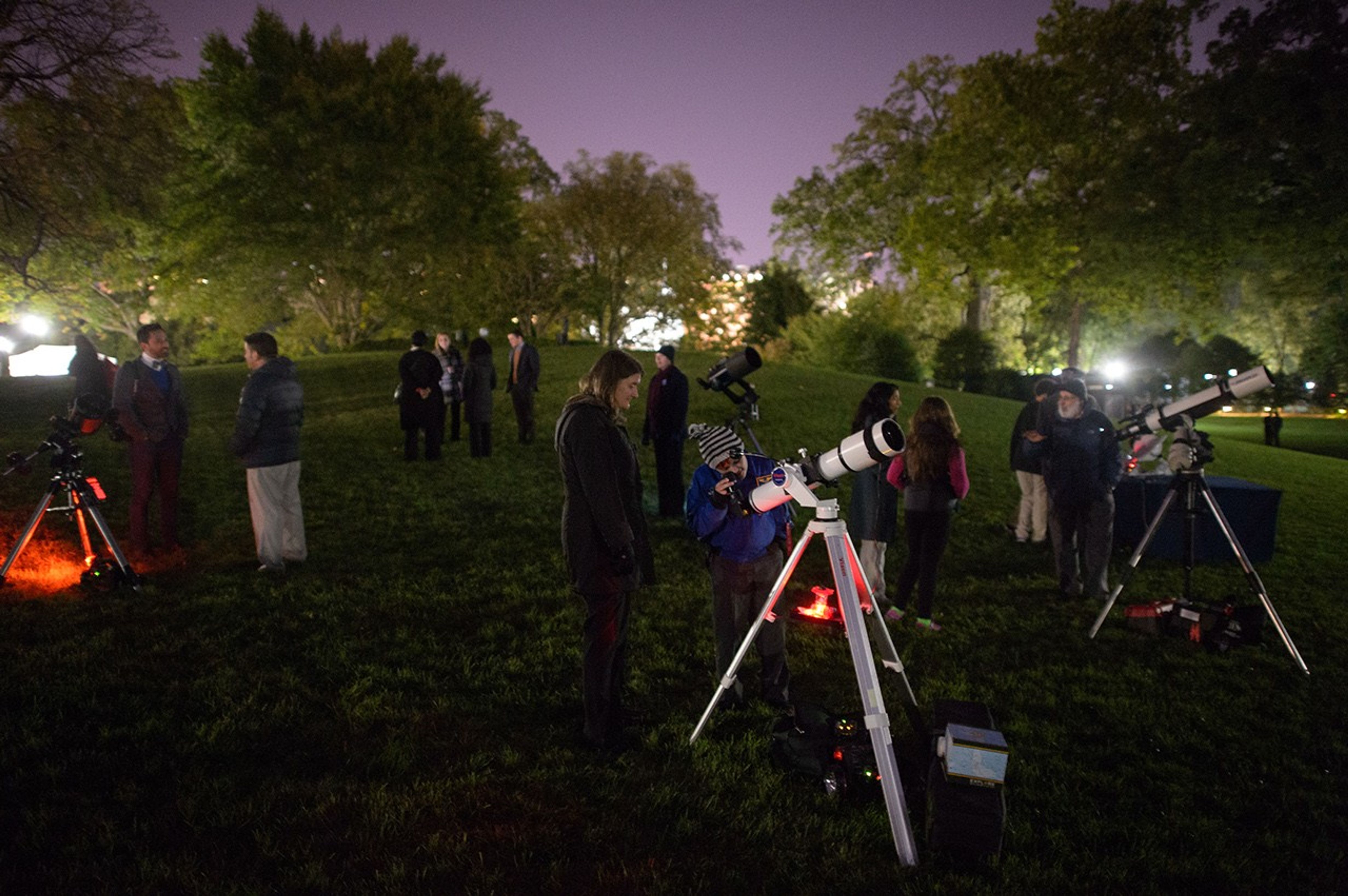
For the best view of the full moons, Noah Petro recommends avoiding bright streetlights, tall buildings, and trees. "It's going to rise right around sunset," Petro said, "so just have a little bit of patience and you'll be treated to the spectacular view." The flower moon will rise low in the east at sunset on Friday, reach its highest point around midnight, and lie low in the west before sunrise on Saturday. On May 18, sky-gazers can look west just after sunset to see a conjunction of the Moon and Venus, a brilliant meetup. For the Eta Aquarid meteor shower, the best viewing time is in the hours before dawn, looking toward the eastern sky. To maximize visibility, go to a dark location, allow 20 to 30 minutes for eyes to adjust, and avoid bright lights, including phone screens. However, bright moonlight this year may wash out some of the fainter meteors.
A Month of Celestial Events
May offers a rich calendar for astronomy enthusiasts, combining two full moons, a meteor shower, and a planetary conjunction. The Eta Aquarids are known for their speed and brightness, with up to 50 meteors per hour under ideal conditions. The micromoon series that begins with the flower moon will continue with the blue moon, providing a subtle contrast to the supermoons that occur when the moon is at perigee. These events highlight the dynamic nature of the night sky, where orbital mechanics and cultural traditions intersect. As Petro noted, the full moon's apparent fullness spans several days, giving viewers ample opportunity to observe.
The bottom line
- May 2026 features two full moons: a flower moon on May 5 and a blue moon on May 31, both micromoons.
- The Eta Aquarid meteor shower peaks May 5–6, with up to 50 meteors per hour from Halley's Comet debris.
- On May 18, the Moon and Venus will appear close together after sunset.
- The flower moon name originates from the Comanche tribe, while other tribes have their own names.
- A calendrical blue moon occurs seven times every 19 years, making it a relatively rare event.
- Optimal viewing requires dark skies, patience, and avoiding bright lights.



Lakers on brink of historic collapse as Rockets force Game 6
Why Full Moon Flower Moon is making news
Moon — and what comes next