Saudi Arabia Halts US Military Access, Forcing Trump to Pause Iran Operation
Riyadh's decision to suspend use of its bases and airspace crippled "Project Freedom," highlighting the delicate regional alliances underpinning US military actions.
UAE —
Key facts
- President Donald Trump announced "Project Freedom" on Sunday to help ships transit the Strait of Hormuz.
- Saudi Arabia suspended the U.S. military’s ability to use its bases and airspace for the operation.
- Prince Sultan Airbase in Saudi Arabia was a key staging ground for US aircraft.
- A call between Trump and Saudi Crown Prince Mohammed bin Salman did not resolve the issue.
- The US military destroyed six Iranian small attack boats on Monday.
- A Chinese-owned oil tanker came under attack near the Strait of Hormuz on Thursday.
- The US military refers to necessary permissions as ABO: access, basing, and overflight.
Operation Paused Amidst Regional Discord
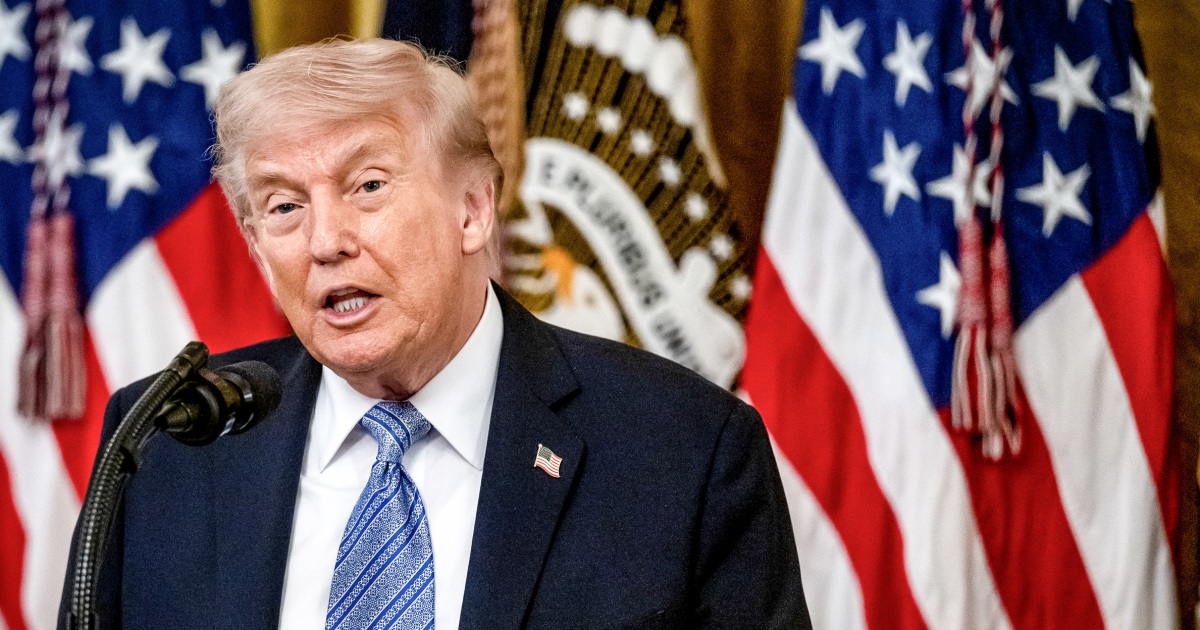
President Donald Trump's initiative, dubbed "Project Freedom," aimed at securing passage through the Strait of Hormuz has been abruptly suspended, just 24 hours after its announcement. The reversal came after a crucial Gulf ally, Saudi Arabia, withdrew its cooperation, denying the U.S. military access to vital bases and airspace. This move forced the President's hand, compelling a pause to restore critical military access. The operation, unveiled on a Sunday afternoon via social media, quickly drew criticism from Riyadh, catching many of Trump's Gulf allies off guard. A subsequent call between President Trump and Saudi Crown Prince Mohammed bin Salman failed to de-escalate the situation, leaving the U.S. administration scrambling to mend fences and re-establish the logistical support necessary for the mission. This suspension underscores the intricate web of regional dependencies that underpin U.S. military operations in the Middle East. The ability to project power and secure critical maritime routes relies heavily on the tacit or explicit consent of regional partners, whose cooperation can be withdrawn with significant strategic consequences.
Saudi Arabia Withdraws Support
Sources indicate that Saudi Arabia informed the United States of its decision to prohibit U.S. military aircraft from operating out of Prince Sultan Airbase, located southeast of Riyadh. Furthermore, the Kingdom barred U.S. aircraft from flying through its airspace in support of "Project Freedom." This base is a critical hub for U.S. military assets, including fighter jets, refueling tankers, and air defense systems. The U.S. military relies on agreements known as ABO—access, basing, and overflight—with regional partners to conduct operations. Saudi Arabia and Jordan are essential for basing aircraft, while Kuwait is critical for overflight permissions. Oman also plays a key role, providing both overflight and naval logistics. The White House issued a statement asserting that regional allies were notified in advance, a claim contradicted by a Middle Eastern diplomat who stated that coordination with Oman, for example, only occurred after Trump's public announcement. This diplomat, however, noted that Oman was not angered by the late notification.
Diplomatic Objectives Clash with Military Action
The sudden pause in "Project Freedom" appears to stem from a perceived conflict between the military operation and the Trump administration's broader diplomatic objectives. President Trump asserted that negotiations with Iran were progressing favorably and that suspending the naval operation would bolster the diplomatic process. This stance created an awkward situation for Defense Secretary Pete Hegseth, who had spent his morning press conference at the Pentagon advocating for the necessity of the mission. "Project Freedom" was conceived as a less confrontational method to restore pre-war maritime security, aiming to provide a defensive shield over a southerly route through the Strait of Hormuz. The plan involved dozens of fighter aircraft on standby to intercept Iranian missiles and drones, thereby assuring shipping companies of safe passage and potentially lowering oil prices that had surged into the triple digits. However, Tehran viewed the operation as a direct challenge to its leverage. Iran had an incentive to ensure the mission's failure, both to preserve its influence and to signal to Washington that reopening the strait would require a definitive end to the war. In response, Iran resumed missile attacks against the United Arab Emirates and employed drones to strike ships, while also harassing U.S. merchant vessels.
Escalation and Iranian Provocations
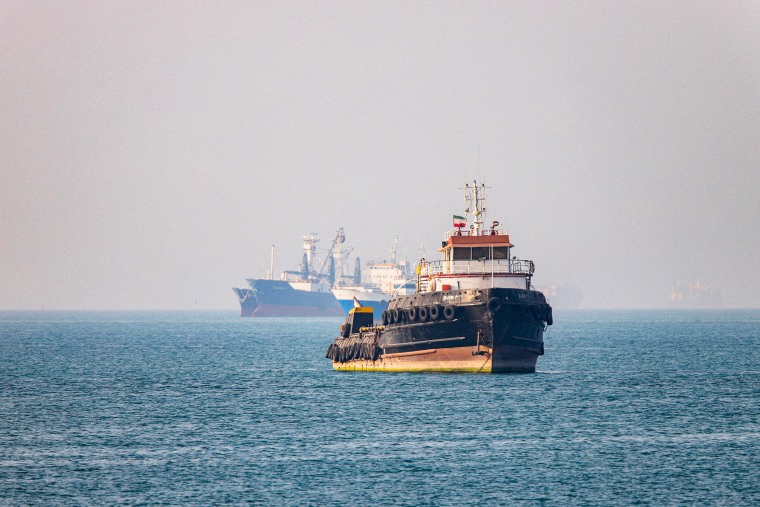
The situation saw direct engagement between U.S. and Iranian forces on Monday, when the U.S. military destroyed six Iranian small attack boats. This marked the first such confrontation since an April 7 ceasefire. The U.S. military had been preparing additional ships in the Gulf for transit through the strait when the operation was halted. Despite the operational pause, maritime incidents continued. On Thursday, a Chinese-owned oil tanker, identified as bearing "CHINA OWNER & CREW," came under attack near the Strait of Hormuz, resulting in a deck fire. attack on a Chinese oil tanker since the conflict between the U.S. and Iran began. China remains a significant purchaser of Iranian oil, which has been subject to a U.S. blockade in the Gulf of Oman. Central Command had previously announced that two U.S.-flagged ships had successfully transited the strait as part of "Project Freedom" before its suspension. The U.S. military had been lining up a number of additional ships in the Gulf for transit through the strait when the operation was stopped.
The Difficulty of Forcing Open the Chokepoint
The strategic reality is that Iran possesses a greater capacity to keep the Strait of Hormuz closed than the United States has to force it open. This is not due to superior Iranian naval power or invulnerable coastal defenses, but rather the inherent risk aversion of global corporations. Shipping companies, responsible for valuable cargo and the lives of their crews, are unlikely to risk their reputations and assets if there is a substantial possibility of missile strikes or interdiction by the Islamic Revolutionary Guard Corps. This sensitivity to the threat environment significantly impacts weekly passage volumes through the vital waterway. "Because of geography, you need cooperation from regional partners to utilize their airspace along their borders," one U.S. official explained. In some cases, there is simply no alternative route. Military aircraft, providing a defensive umbrella, were critical to protecting ships during "Project Freedom."
The bottom line
- Saudi Arabia's decision to deny U.S. military access to its bases and airspace was the primary reason for the suspension of "Project Freedom."
- The operation's pause highlights the dependence of U.S. military actions on the cooperation of regional allies.
- President Trump linked the suspension of the naval operation to progress in diplomatic negotiations with Iran.
- Iran escalated provocations by resuming missile attacks on the UAE and targeting ships.
- Corporate risk aversion makes it difficult for the U.S. to guarantee safe passage through the Strait of Hormuz, even with military assets.
- A Chinese-owned oil tanker was attacked near the Strait of Hormuz, underscoring ongoing maritime security concerns.



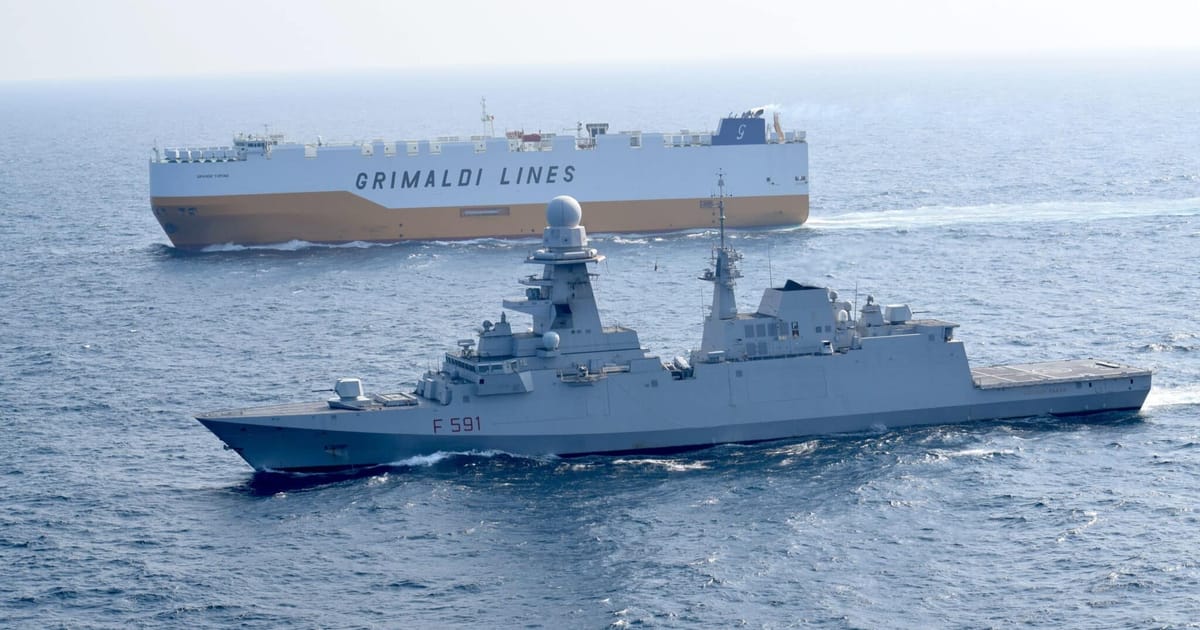
Iranian Drone Strike Sets UAE Oil Refinery Ablaze, Injures Three

UAE Intercepts Iranian Missiles for Second Day as Iran Denies Involvement
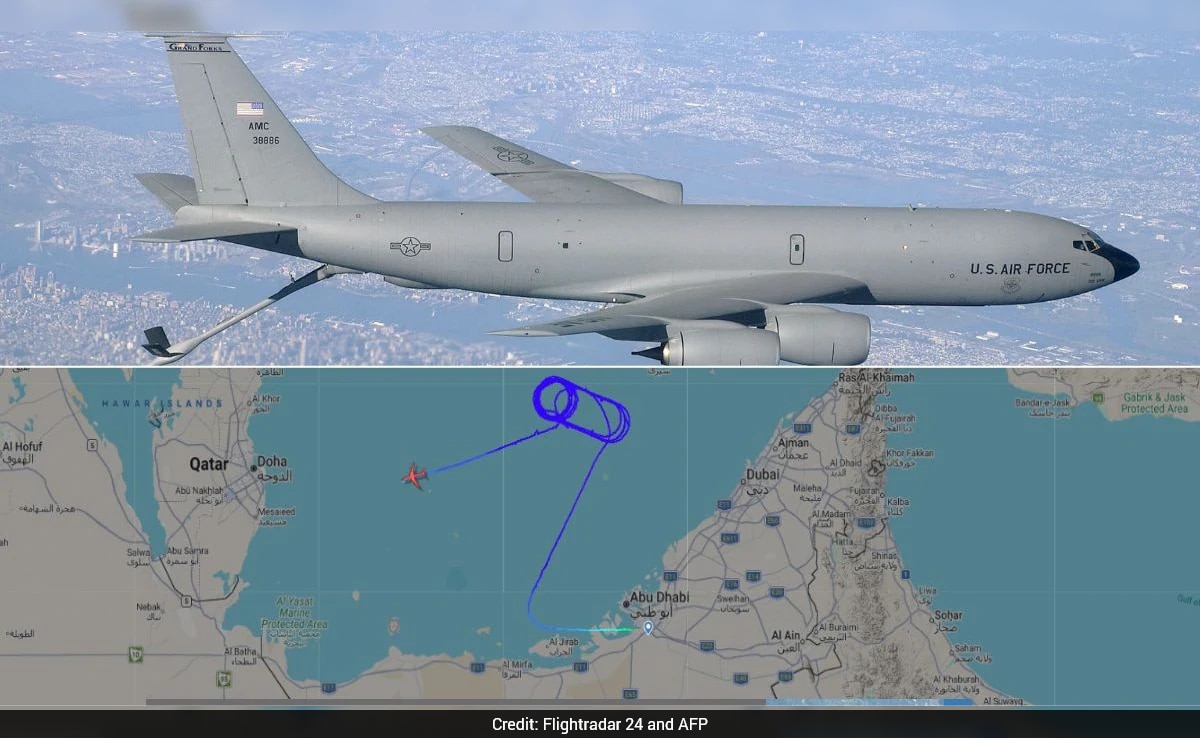
US KC-135 Stratotanker Declares Emergency Over Persian Gulf, Vanishes From Radar
