Iran Escalates Strait of Hormuz Tensions with UAE, Oman Attacks
Tehran targets commercial vessels and infrastructure in response to US freedom of navigation efforts.

UAE —
Key facts
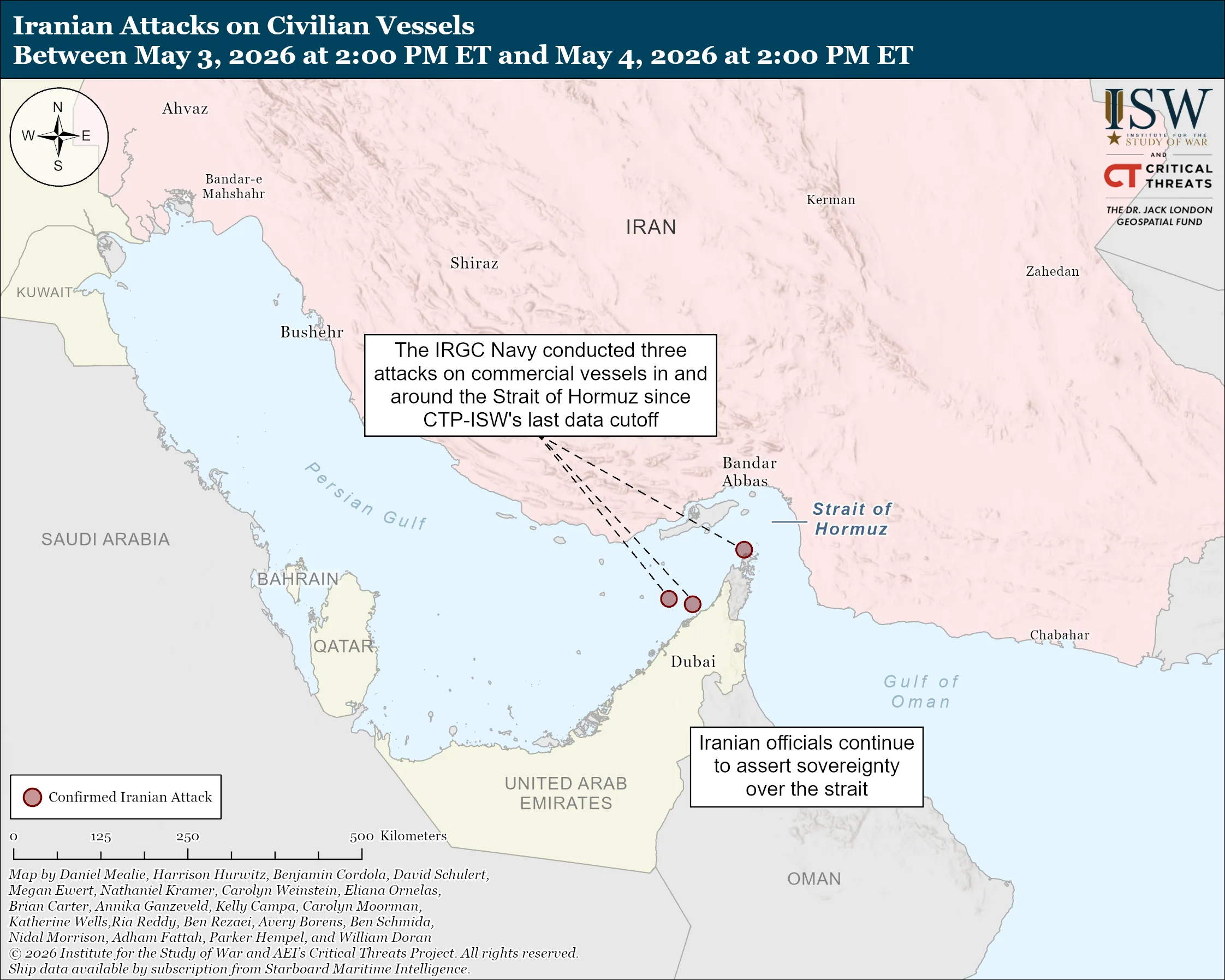
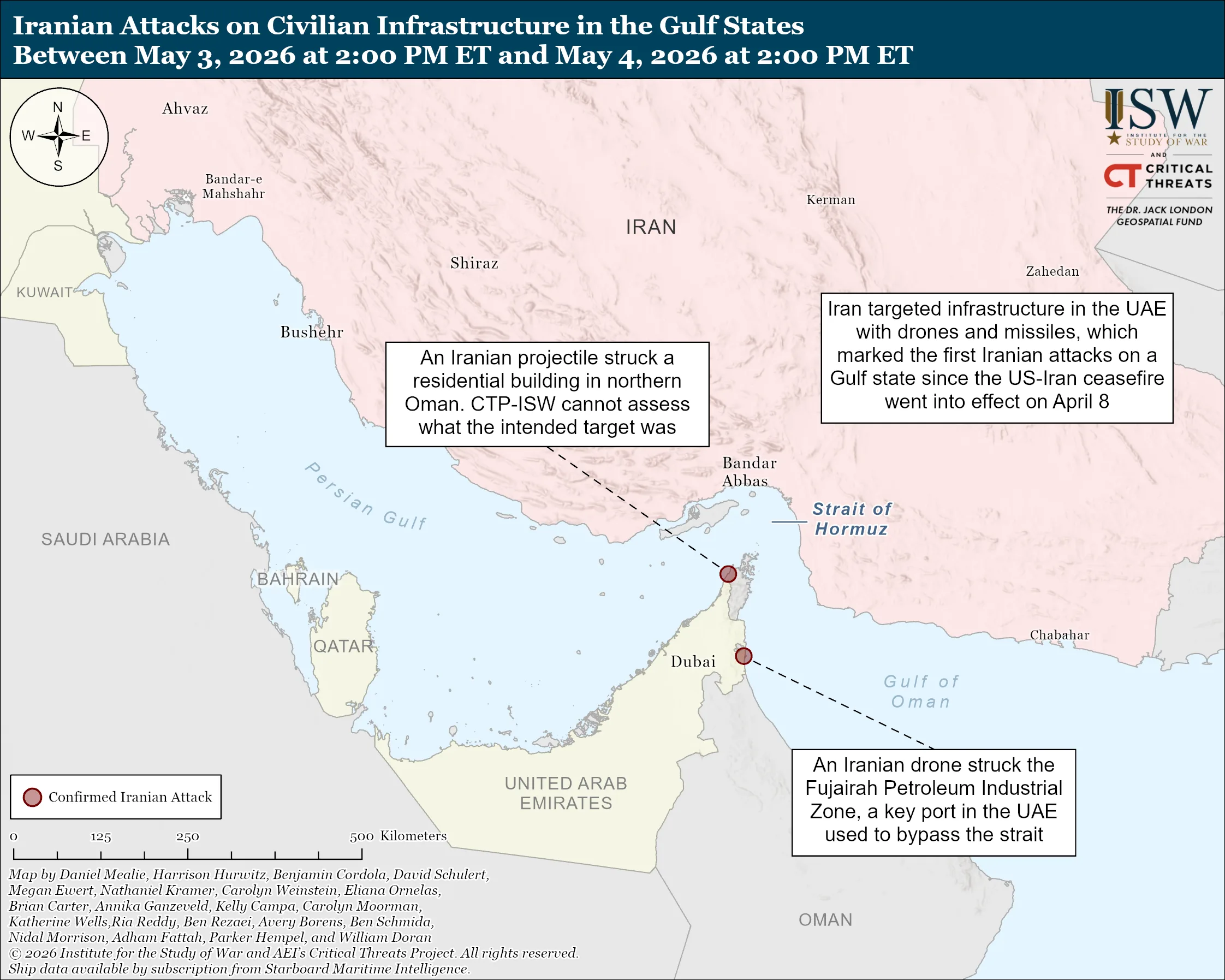
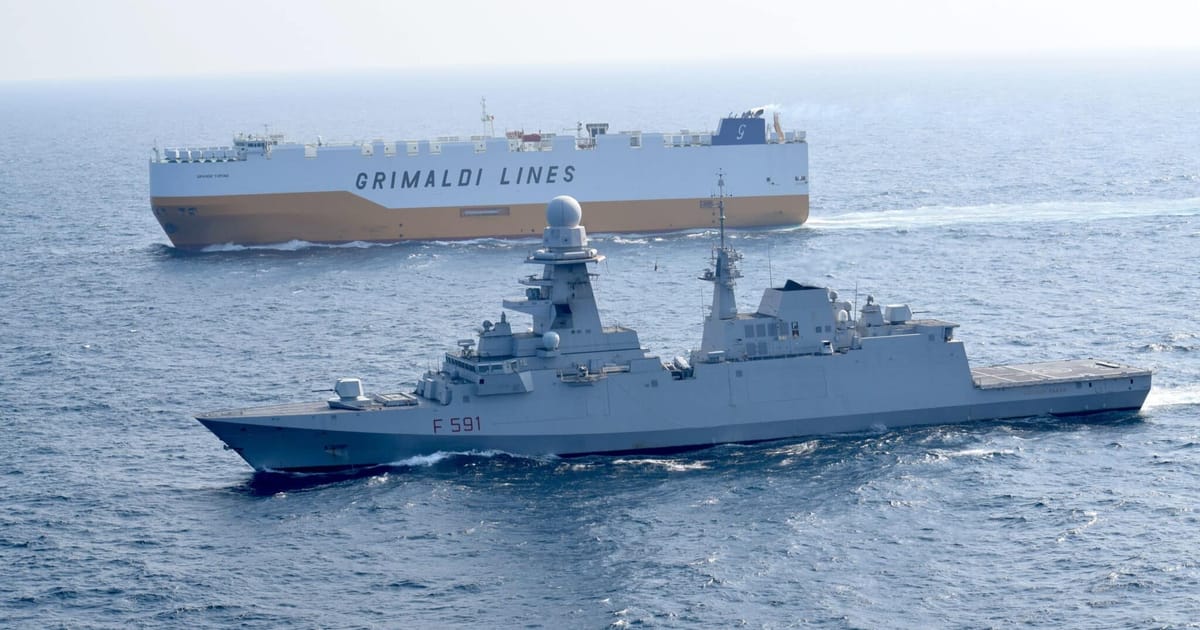
- Iran is targeting commercial vessels, UAE oil infrastructure, and an Omani building.
- The attacks aim to demonstrate Iranian "control" over the Strait of Hormuz.
- US President Trump stated recent Iranian attacks did not violate the ceasefire.
- Iran escalated attacks on May 4 targeting UAE and Oman.
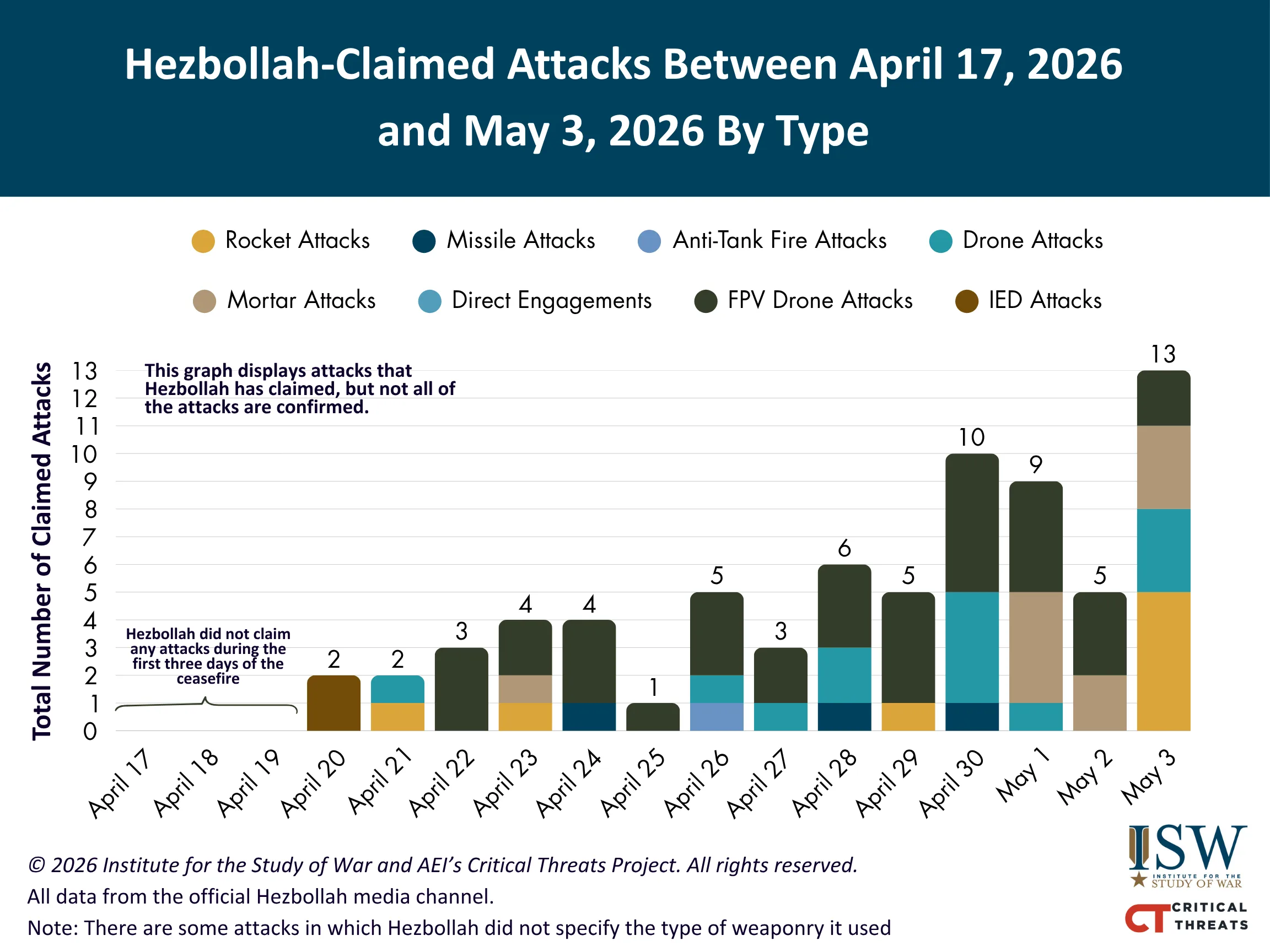
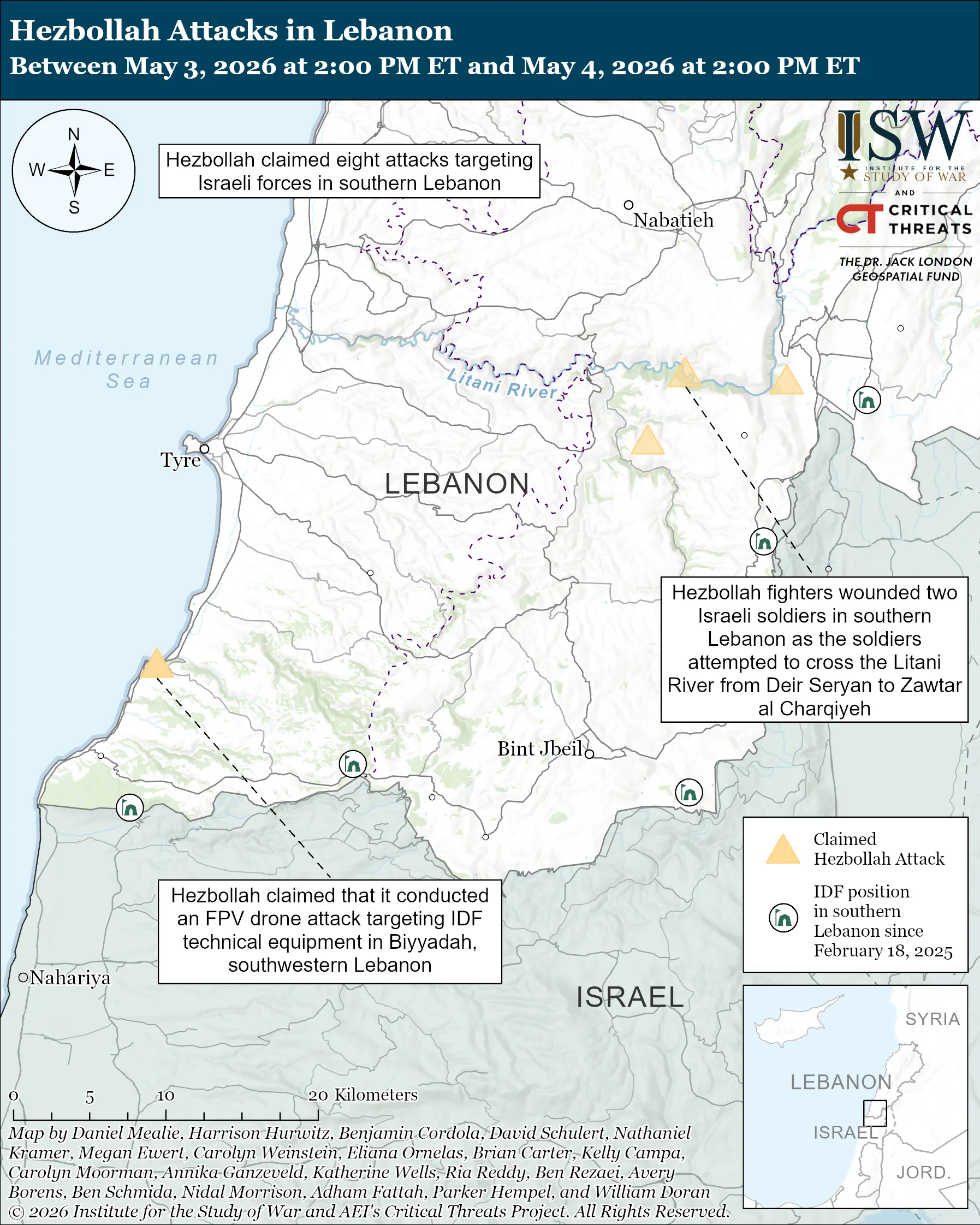
- Hezbollah continues FPV drone attacks against Israeli forces.
- The IDF is adapting to counter Hezbollah drone threats.
Strait of Hormuz Becomes Flashpoint
Iran is escalating its campaign to assert dominance over the vital Strait of Hormuz, a critical artery for global maritime commerce. The Islamic Republic's actions are a direct response to increased United States efforts to ensure freedom of navigation through the waterway. Tehran seeks to disrupt these US initiatives and underscore its perceived control by targeting commercial shipping, oil facilities in the United Arab Emirates, and civilian infrastructure in Oman. The strategic importance of the Strait of Hormuz cannot be overstated. Allowing Iran to exert control here would grant it significant leverage over international trade and the global economy. Such dominance would empower Iran to impose economic costs on the US and its allies, while simultaneously bolstering its negotiating position on other critical issues, including its nuclear program. These developments are being closely monitored and analyzed daily by institutions such as the Institute for the Study of War and The Critical Threats Project at the American Enterprise Institute, which provide updates on the ongoing conflict and regional responses.
Escalation Follows Failed Deterrence
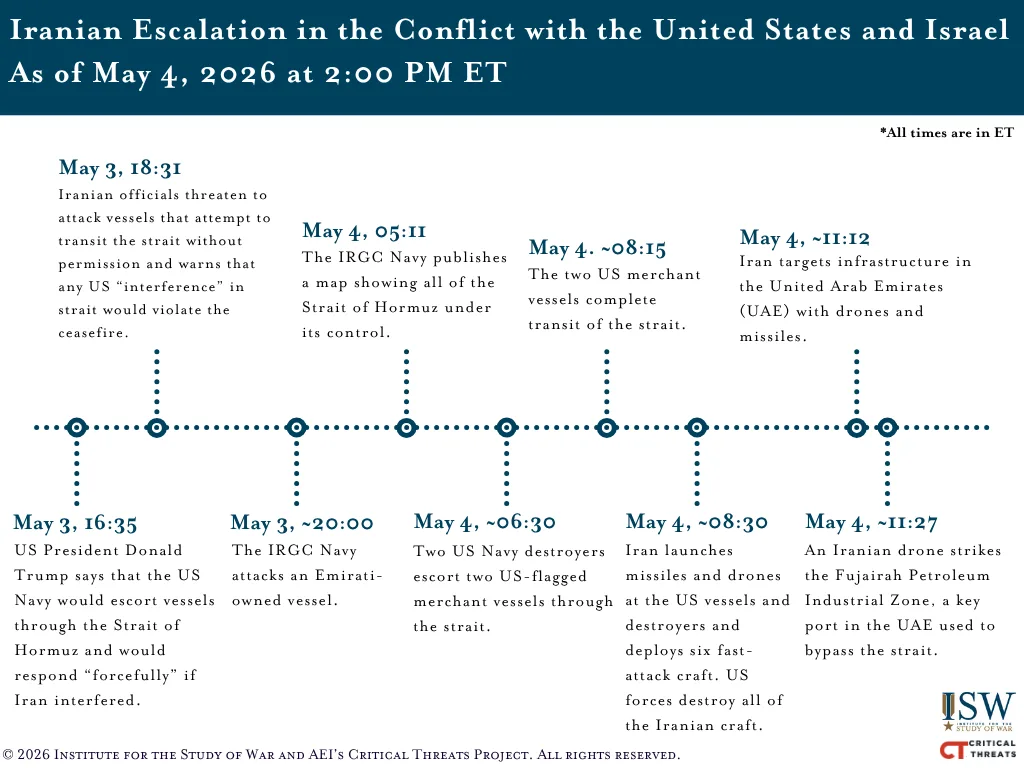
The recent surge in Iranian attacks appears to be a calculated escalation following initial attempts to deter US actions. Hardline Iranian officials recognized that successful US escorts through the Strait would diminish their ability to threaten shipping and compel international cooperation. These officials responded with both rhetoric and military action when their initial efforts failed to dissuade the United States. On May 4, Iran escalated its operations by targeting naval and land-based assets in both the UAE and Oman. This move suggests a strategic effort to dissuade US allies from utilizing the Strait of Hormuz, particularly after earlier actions did not compel the US to cease its escort operations. The overarching objective for Iran is to demonstrate its capacity to disrupt international maritime traffic and challenge US influence in the region, thereby solidifying its regional standing.
US President's Stance on Ceasefire
Despite the heightened tensions and Iranian actions, United States President Donald Trump indicated on May 4 that the most recent attacks did not constitute a violation of the existing ceasefire. When questioned about whether Iran's actions breached the truce, President Trump stated that there had been no "heavy firing." This assessment suggests a potential divergence in how the US administration is interpreting the nature and severity of Iran's recent activities. The distinction between "heavy firing" and other forms of aggression may be a key factor in the US response. The President's remarks provide a crucial insight into the current US policy calculus regarding the ongoing conflict and its adherence to the ceasefire agreement.
Hezbollah's Drone Warfare Continues
Beyond the Strait of Hormuz, the broader regional conflict sees continued engagement from other actors. Hezbollah has maintained its claim of responsibility for ongoing attacks against Israeli forces in southern Lebanon. These operations notably include the deployment of first-person view (FPV) drones. The Israeli Defense Forces (IDF) are actively responding to this evolving threat. The IDF is implementing battlefield adaptations specifically designed to counter the growing menace posed by Hezbollah's FPV drone attacks. This persistent drone warfare highlights a multi-front dimension to the regional instability, with different groups employing varied tactics across contested territories.
Strategic Stakes in the Hormuz Chokepoint
The conflict over the Strait of Hormuz is intrinsically linked to global economic stability. Approximately 20% of global oil consumption passes through this narrow waterway, making any disruption a significant threat to international markets. Iran's attempts to control this chokepoint are a direct challenge to the established international order and US security interests. By targeting commercial vessels and infrastructure, Iran seeks to impose immediate economic consequences and signal its resolve. The success of these tactics could embolden Iran and undermine the confidence of global shipping companies, potentially leading to increased insurance costs and rerouting of trade. The US response, focused on ensuring freedom of navigation, aims to prevent such a scenario and maintain the unimpeded flow of commerce, thereby safeguarding global economic well-being.
The bottom line
- Iran is actively attempting to assert control over the Strait of Hormuz through attacks on commercial shipping and infrastructure.
- The US maintains efforts to ensure freedom of navigation, a stance President Trump has indicated is not violated by recent Iranian actions.
- Attacks have specifically targeted the UAE and Oman, escalating beyond initial maritime incidents.
- Hezbollah continues drone attacks against Israeli forces in Lebanon, prompting adaptations from the IDF.
- The strategic control of the Strait of Hormuz carries immense implications for global oil supply and international commerce.
Iranian Drone Strike Sets UAE Oil Refinery Ablaze, Injures Three

UAE Intercepts Iranian Missiles for Second Day as Iran Denies Involvement
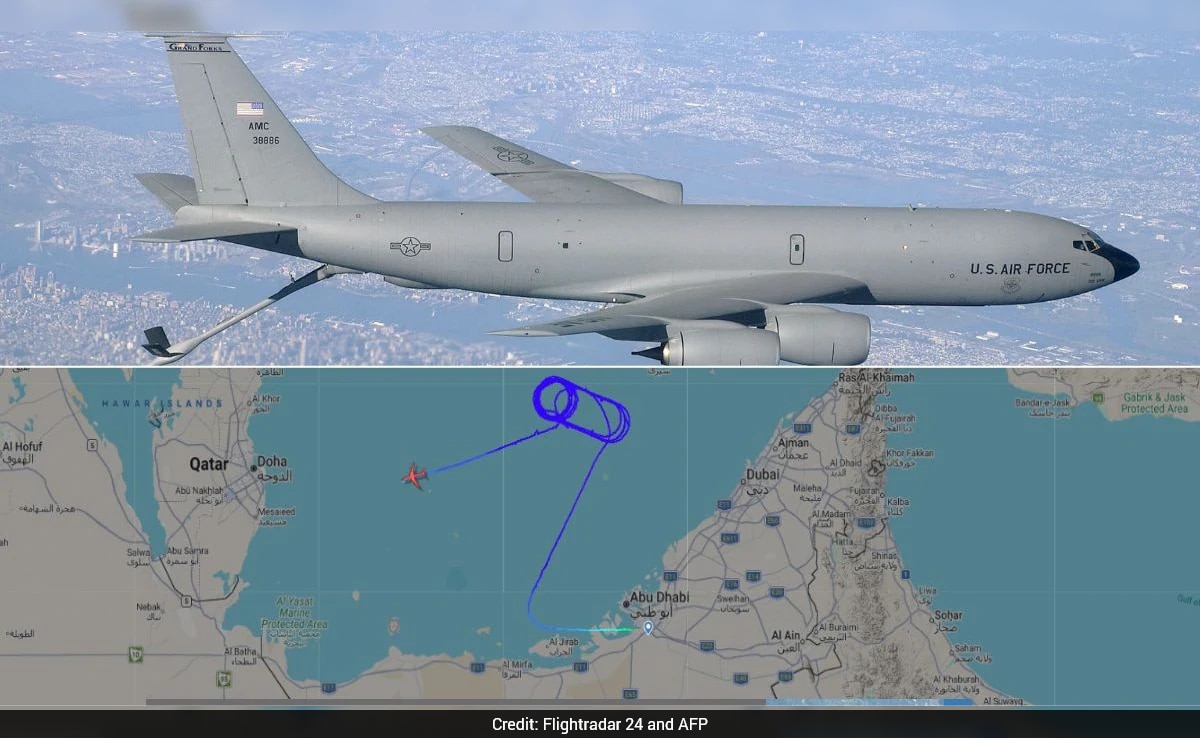
US KC-135 Stratotanker Declares Emergency Over Persian Gulf, Vanishes From Radar
