UAE Schools Pivot to Distance Learning Amid Security Concerns
Educational institutions implement remote instruction and digital assessments as regional tensions escalate.
UAE —
Key facts
- UAE schools and universities shifted to distance learning on Tuesday.
- The move was prompted by renewed Iranian attacks on Monday.
- High-stakes exams are being conducted remotely with digital supervision.
- Schools are using platforms like Exam.net to ensure exam integrity.
- Active participation tools such as live polls and breakout discussions are being prioritized.
- Previous disruptions led to the cancellation of IGCSE, A-Level, and IB exams.
- Three Indian citizens were injured in a drone attack on Fujairah Oil Industry Zone.
Sudden Shift to Remote Education
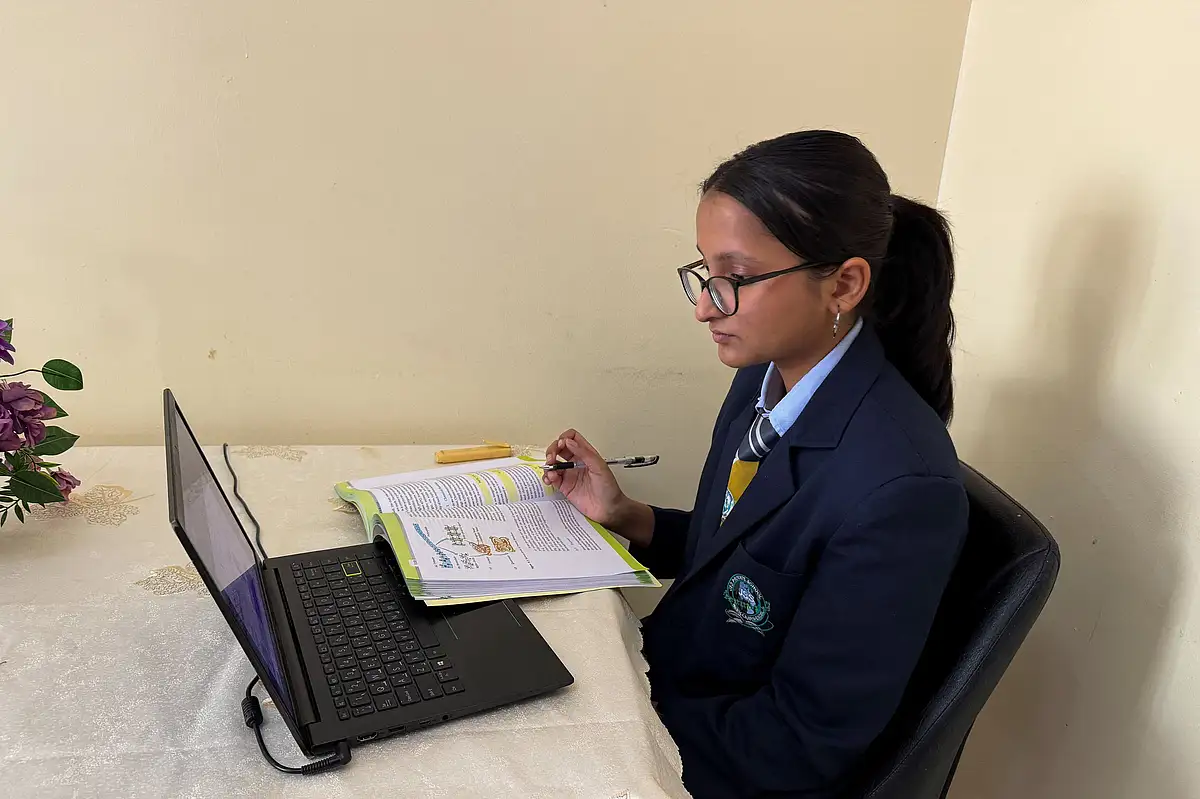
UAE schools, nurseries, and universities abruptly transitioned to distance learning on Tuesday, a measure enacted to ensure the safety and well-being of the educational community. The decision came swiftly following renewed Iranian attacks, which prompted emergency alerts across the Emirates. This marks a significant disruption for students, teachers, and administrative staff, forcing an immediate halt to in-person instruction for the remainder of the week. The Ministry of Education stated that the situation would be reassessed, underscoring the dynamic nature of the security concerns driving this educational pivot. While the majority of academic activities moved online, priority programmes requiring clinical training, laboratory use, or direct practical application were granted exemptions, continuing with face-to-face instruction as determined by the ministry. This latest shift follows a pattern of educational continuity challenges. Earlier in March, the government had mandated a similar move to remote learning at the onset of regional conflict. Schools had only recently reopened their doors on April 20, implementing stringent safety protocols after a period of suspended on-campus learning.
Maintaining Exam Integrity Under Digital Scrutiny
Thousands of senior students found themselves facing high-stakes examinations from their homes, under the watchful eye of digital supervision. With external examinations such as IGCSEs, A-Levels, and IB final assessments previously cancelled due to regional disruptions, schools are now stepping in to conduct internal assessments. These are crucial for building student portfolios for external boards and providing opportunities to improve grades. Schools are prioritizing exam credibility in this remote setting, employing robust digital tools and policies. Platforms like Exam.net have become instrumental, with both staff and students already familiar with their functionalities. This familiarity has allowed for a smoother transition, minimizing the risk of malpractice and maintaining confidence in the validity of outcomes submitted to external exam boards. Strict protocols are in place for these online assessments. Students are required to keep their cameras on at all times, clearly showing their faces, hands, and the writing surface. Sessions are recorded, and teachers can randomly ask students to scan their surroundings with their laptops. Crucially, headphones and mobile phones are prohibited during these examinations to uphold the integrity of the testing process.
The Evolving Landscape of Online Pedagogy
The challenges of distance learning extend beyond logistical shifts; educators are grappling with maintaining student engagement when faced with screens for extended periods. Attention spans wane, distractions proliferate, and parents often find themselves in the difficult position of trying to keep children focused on lessons. Recognizing these hurdles, the next phase of digital education is focusing on fostering genuine online participation rather than passive consumption of content. The consensus among educators and online learning platforms is that students learn more effectively through active discussion and questioning, a significant departure from simply watching lectures. This pedagogical evolution emphasizes real-time interaction and active involvement. Tools such as live polls, embedded quizzes, breakout discussions, and collaborative whiteboards are being integrated into lessons. These methods encourage students to apply concepts immediately, transforming learning into a more dynamic and engaging experience, akin to receiving positive reinforcement in a physical classroom.
Geopolitical Tensions and Educational Impact
The decision to revert to distance learning was directly triggered by security incidents. On Monday, UAE air defences intercepted four cruise missiles launched by Iran, with three neutralized over territorial waters and the fourth falling into the sea. This escalation followed a period of relative calm but reignited concerns for public safety. Adding to the security concerns, a drone attack originating from Iran struck the Fujairah Oil Industry Zone, causing a fire and injuring three Indian citizens who required hospitalization. The UAE's Ministry of Foreign Affairs condemned these actions as an "unacceptable transgression" and a violation of international law and the UN Charter. These events have had a profound impact on the academic calendar. The conflict has already led to significant disruptions, including the cancellation of key summer examinations like GCSEs and A-Levels. Schools have been compelled to adapt by relying on portfolios, coursework, and teacher-predicted grades to ensure students receive fair assessments that reflect their academic efforts over the years.
Ensuring Active Engagement in Virtual Classrooms
Sofiane Benna, Chief Operations Officer at Ankabut, UAE’s national research and education network, highlights a critical lesson learned: simply replicating traditional classroom lectures on screen leads to fatigue and diminished learning. The pandemic exposed the limitations of such approaches, prompting a reevaluation of how educational content is delivered remotely. Instead of relying heavily on recorded lessons, many online educators are now prioritizing live interaction. Lobna Essam, Lead Facilitator at Peekapak Wellbeing Education, an edtech platform, explains that effective interactivity goes beyond mere clicks or responses. It involves meaningful engagement that directly reinforces learning outcomes, making the virtual experience more impactful. This distinction between mere activity and genuine engagement is becoming central to the redesign of online learning. Tools that encourage immediate application of concepts, provide real-time feedback, and foster a sense of competition or achievement are proving most effective. The goal is to create an environment where students are not just present, but actively participating and invested in their learning journey.
Looking Ahead: Navigating Uncertainty
The UAE's educational sector continues to demonstrate resilience and adaptability in the face of unforeseen circumstances. The swift implementation of distance learning protocols, coupled with advanced digital assessment tools, reflects a commitment to maintaining academic continuity and student safety. However, the recurring nature of these disruptions raises questions about long-term educational planning and the psychological impact on students. The constant shifts between in-person and remote learning, often with little warning, present a unique set of challenges for both learners and educators. As the Ministry of Education reassesses the situation, the focus will likely remain on balancing security imperatives with the fundamental need for consistent and effective education. The experiences of recent months are undeniably shaping the future of learning in the region, pushing the boundaries of pedagogical innovation and technological integration.
The bottom line
- Distance learning has been extended in UAE schools as a safety measure due to renewed regional security threats.
- Schools are employing digital tools and strict protocols to ensure the integrity of remote examinations.
- The educational approach is shifting towards active student participation over passive content consumption.
- Recent geopolitical events have led to significant disruptions, including the cancellation of major international exams.
- Edtech platforms are crucial in facilitating engaging online learning experiences through interactive tools.
- The UAE education sector is adapting to a dynamic environment, prioritizing student safety while striving for academic continuity.






Iranian Drone Strike Sets UAE Oil Refinery Ablaze, Injures Three

UAE Intercepts Iranian Missiles for Second Day as Iran Denies Involvement

US KC-135 Stratotanker Declares Emergency Over Persian Gulf, Vanishes From Radar
