Moscow Scales Back Victory Day Parade Amid Drone Fears
For the first time in nearly two decades, Russia's annual military display will feature no tanks or missiles, highlighting concerns over Ukrainian attacks.
UNITED KINGDOM —
Key facts
- Moscow's Victory Day parade on May 9 will omit military hardware for the first time in almost 20 years.
- The parade is being scaled back due to fears of long-range Ukrainian drone strikes.
- Russia declared a unilateral ceasefire for May 8-9, warning of retaliation if Moscow is attacked.
- Ukraine dismissed the ceasefire as a ploy and announced its own truce from May 6.
- Security has been visibly tightened in Moscow, with checkpoints and snipers deployed.
- Mobile internet access was temporarily cut for many users in Moscow on Tuesday.
- A drone struck a Moscow apartment building four miles from the Kremlin on Monday night.
A Stripped-Down Spectacle on Red Square
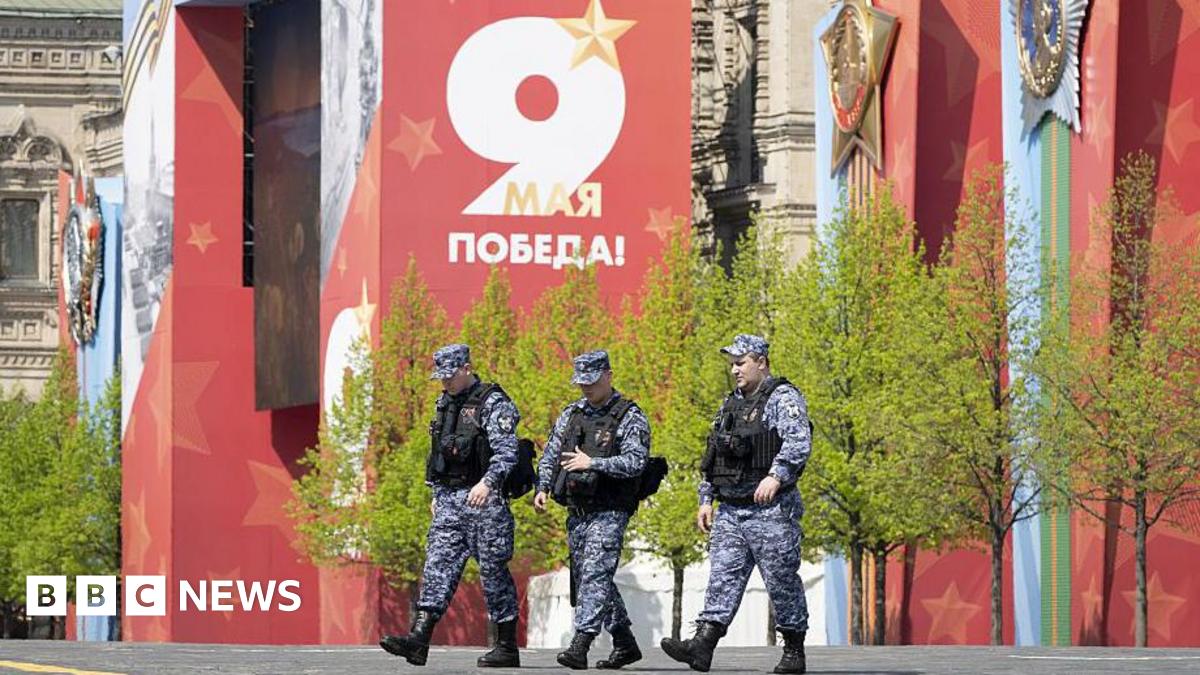
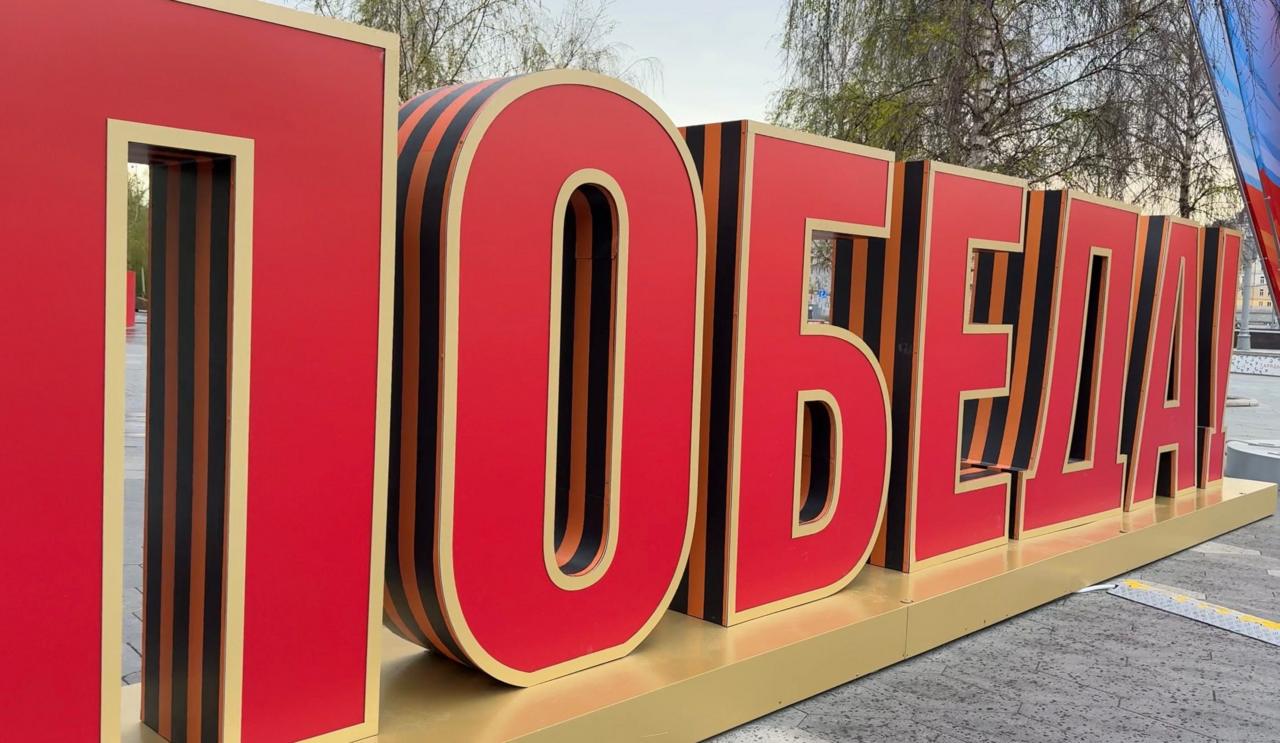
The word "Victory" emblazoned across Red Square, a potent symbol of Russia's national narrative, belies a significant alteration to its most cherished annual celebration. This Saturday's Victory Day parade, commemorating the defeat of Nazi Germany, will for the first time in nearly two decades proceed without its usual thunderous display of military hardware. Tanks and ballistic missiles, typically the centrepieces of the event, will be absent, replaced solely by marching soldiers. This reduction in scale is a stark acknowledgment of the present realities, a tacit admission that Russia's war in Ukraine is not progressing as planned. The Kremlin's decision to pare back the parade speaks volumes about the ongoing conflict. It signals a strategic shift, where the very instruments of war are deemed more critical on the battlefield than for ceremonial display. The absence of heavy weaponry underscores the strain on Russia's military resources, a consequence of a protracted campaign that has now entered its fifth year. This year's scaled-back event is a direct reflection of the Kremlin's current predicament. Public sentiment regarding the omission of military hardware is being gauged in side-streets off Red Square, as the nation grapples with this altered commemoration. The significance of the parade, deeply intertwined with Vladimir Putin's vision of Russian identity, is being tested by the demands of an ongoing war.
Security Tightens Amidst Drone Threat
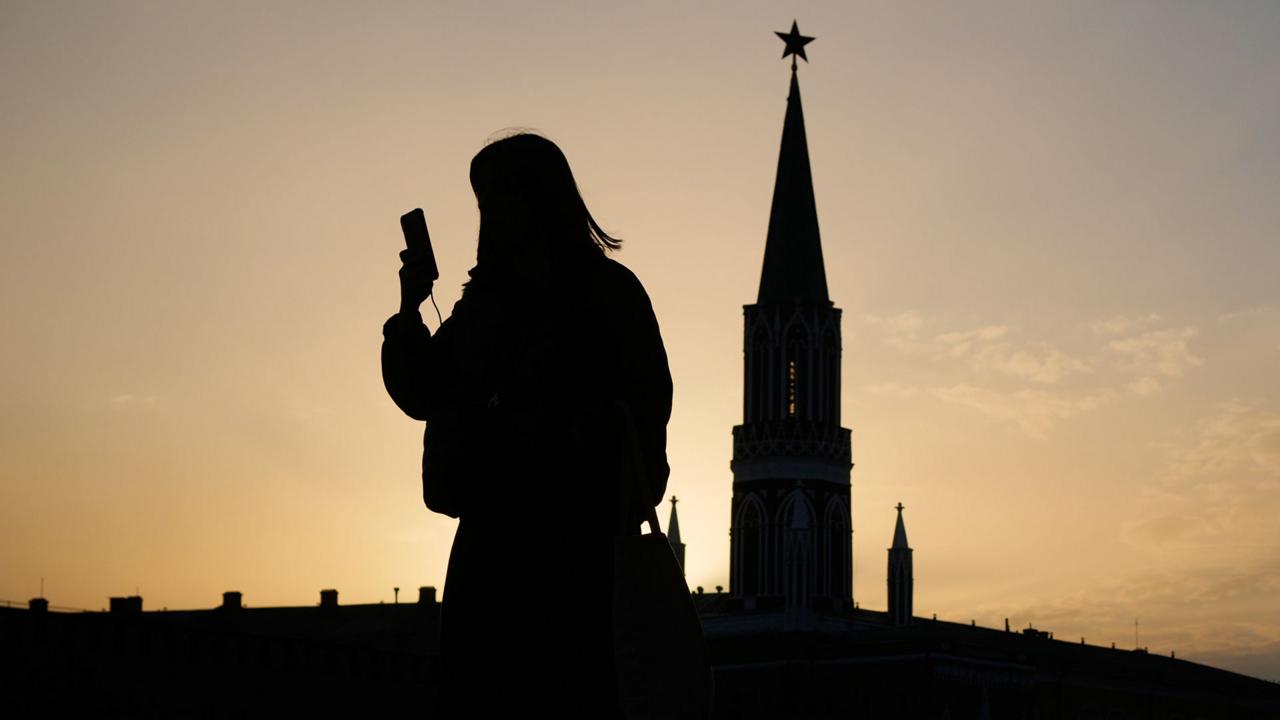
Ahead of the May 9th parade, Moscow has implemented stringent security measures, including the temporary shutdown of airports and disruption of mobile internet services. These actions are a direct response to mounting fears of long-range Ukrainian drone strikes, which have recently demonstrated their capacity to breach Russia's air defence systems. The city awoke on Tuesday to widespread mobile signal outages, impacting essential services and frustrating residents. These disruptions, officials claim, are necessary to safeguard the capital from potential drone attacks and acts of sabotage. However, months of such rolling outages have already fueled public anger and contributed to a decline in President Putin's approval ratings. Some Muscovites have resorted to walkie-talkies and pagers, a testament to the growing reliance on and vulnerability of modern communication infrastructure. Security personnel, including snipers and machine-gun crews, have been visibly deployed on Kremlin towers, with checkpoints established across the city. This heightened state of alert is intended to ensure the safety of the parade and its attendees, while simultaneously projecting an image of control amidst escalating tensions.
A Unilateral Ceasefire and a Dismissive Response
In an apparent effort to insulate the Victory Day celebrations from potential Ukrainian aggression, Moscow declared a unilateral ceasefire for May 8th and 9th. The Kremlin also issued a stern warning of a "massive missile strike" on central Kyiv should the truce be violated. This move was presented as a measure to protect the sanctity of Russia's most important national holiday. However, Ukraine swiftly dismissed the proposal as a "cynical ploy" designed to shield the parade from drone attacks. President Volodymyr Zelenskyy announced a separate truce, commencing on May 6th, and stated that it was "not serious" to expect Kyiv to observe a ceasefire tied to a Russian military occasion. This response underscored Ukraine's distrust of Moscow's intentions. Kyrylo Budanov, Zelenskyy's chief of staff, elaborated that Ukraine's ceasefire demonstrated a genuine desire for peace, independent of ideological dogmas and focused on preserving human life and restoring security. He indicated that if the Ukrainian truce were reciprocated, it could be extended, offering a glimmer of hope for lasting peace. Moscow has yet to formally respond to Ukraine's counter-proposal.
The War in Ukraine and its Shadow
The full-scale invasion of Ukraine, initiated in February 2022, remains the central focus of the Kremlin's foreign policy and domestic narrative. President Putin has consistently framed the ongoing conflict as a necessary response to perceived threats from NATO countries, Ukraine, and Western allies, including Great Britain and its leadership. This framing has intensified since the commencement of hostilities, with Russia accusing the West of actively fueling the conflict. Recent events have underscored the persistent threat posed by Ukrainian strikes. On Tuesday, a long-range Ukrainian missile and drone attack on the city of Cheboksary resulted in two fatalities and over thirty injuries. The previous night, a drone successfully penetrated Moscow's air defences, striking a luxury high-rise apartment building a mere six kilometers from the Kremlin, causing significant damage but no casualties. These incidents have been cited by Kremlin spokesmen, such as Dmitry Peskov, as justification for the paring back of this year's Victory Day parade, referencing a "terrorist threat" emanating from Ukraine. The Russian defence ministry has further threatened retaliatory action, vowing a "massive missile strike" on Kyiv if Moscow itself comes under attack on May 9th.
Victory Day: A Cornerstone of Putin's Russia
Victory Day, May 9th, has evolved into the paramount national holiday in Russia, a date that underpins Vladimir Putin's construction of the nation's identity. The memory of the Soviet Union's triumph over Nazi Germany in World War Two forms a core tenet of this national idea, amplified and leveraged by the Kremlin, particularly since the full-scale invasion of Ukraine in February 2022. Putin has consistently utilized the occasion to legitimize and contextualize the current war, drawing parallels between the fight against Nazism and the ongoing military operations in Ukraine. The annual parade, therefore, transcends mere commemoration; it serves as a powerful tool for domestic mobilization and international signaling, reinforcing a narrative of historical continuity and national purpose. The current scaling back of the parade, however, introduces a discordant note into this carefully curated narrative. It highlights the tangible pressures of the war and raises questions about the resilience of the national idea when confronted with the harsh realities of military conflict and external threats.
Public Reaction and the Fragility of Technology
Amidst the heightened security and altered parade plans, the Russian Orthodox Church has offered a unique perspective on the widespread internet outages. A senior church official urged citizens not to be concerned by the disruptions, suggesting instead that the downtime be used for "saving the soul" and engaging in acts of charity. This spiritual framing encourages reflection on the "fragility of technological civilization." While the church seeks solace in introspection, the practical impact of these outages on daily life, particularly for workers like taxi drivers and delivery couriers, has been significant. Their inability to receive fares or update order statuses without resorting to customer assistance highlights the dependence on consistent connectivity. The anger and frustration sparked by these rolling blackouts have, in turn, begun to chip away at President Putin's approval ratings. The juxtaposition of spiritual counsel and technological disruption reveals a society grappling with both external conflict and internal pressures. The question remains how these varied reactions will shape public perception as Russia navigates this complex period.
The bottom line
- Moscow's Victory Day parade will be significantly scaled back, featuring only soldiers and no military hardware for the first time in nearly two decades.
- The reduction in the parade's scale is attributed to fears of Ukrainian drone strikes and the need for military assets on the front lines in Ukraine.
- Russia's unilateral ceasefire offer for May 8-9 was dismissed by Ukraine, which proposed its own truce, highlighting deep-seated mistrust.
- Heightened security measures, including internet disruptions and visible troop deployments, are in place across Moscow.
- The war in Ukraine continues to influence Russia's domestic agenda, with Victory Day being used to justify ongoing military actions.
- The disruption of essential services due to security measures has sparked public frustration and impacted President Putin's approval ratings.


13,000 Flights Cut in May as Jet Fuel Crisis Threatens Summer Travel

Zelenskyy Offers Open-Ended Truce as Putin Demands Two-Day Ceasefire for Victory Day

US and Iran Near War-Ending Deal, Trump Says