US and Iran Near War-Ending Deal, Trump Says
President signals progress in mediated talks, but Tehran remains cautious as a critical deadline looms.

UNITED KINGDOM —
Key facts
- President Trump indicated a deal to end the Iran war could be reached soon.
- Operation Epic Fury may end if Iran agrees to terms.
- Pakistan is mediating talks between the U.S. and Iran.
- A memorandum of understanding is reportedly nearing completion.
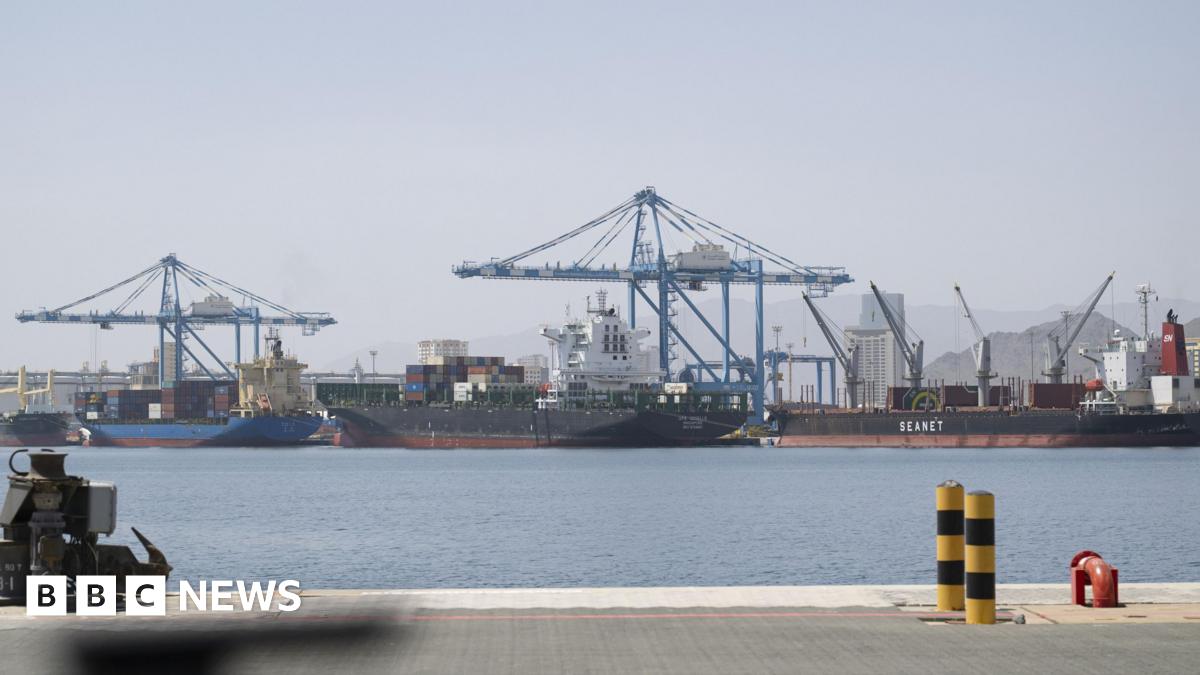
- The Strait of Hormuz could reopen under a potential agreement.
- Iran's nuclear program and uranium enrichment are key points of negotiation.
- The war began on February 28 and has lasted over two months.
Hope for Peace Amidst Escalating Threats
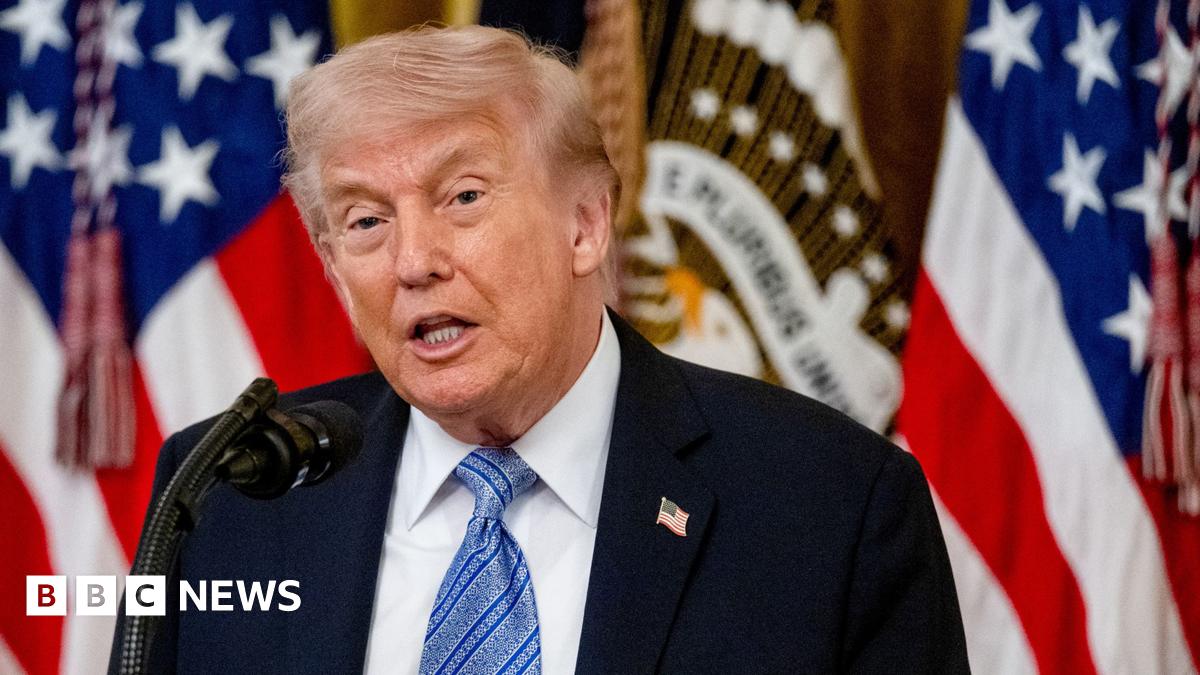
President Donald Trump has signaled a significant potential breakthrough in the more-than-two-month war with Iran, suggesting an agreement to end hostilities could be imminent. Speaking on Wednesday, Trump stated that talks had been "very good" over the preceding 24 hours and expressed optimism that a deal could be struck. This hopeful outlook, however, was juxtaposed with stark warnings of intensified military action should negotiations falter. The U.S. military offensive, dubbed Operation Epic Fury, would be brought to a halt if Iran concedes to agreed-upon terms, but would resume at a "much higher level and intensity" if no accord is reached. The news prompted a surge in stock markets and a sharp decline in oil prices, reflecting investor confidence in a potential de-escalation. Yet, Trump cautioned that it was still "too soon" to contemplate a new round of in-person peace talks. The delicate diplomatic dance involves Pakistan as a key mediator, with officials there suggesting proposals to end the war are "very likely in the coming days." Trump's public statements, made at various events including a Mother's Day celebration with military families and a White House gathering, underscored the high stakes. He noted that Iran "wants to make a deal very much," but emphasized that any agreement must be "satisfactory to us." The potential for a deal, he suggested, could also bring an end to Iran's pursuit of nuclear weapons.
A Memorandum of Understanding Takes Shape
Reports from various news outlets and sources briefed on the mediation suggest that Washington and Tehran are nearing agreement on a one-page, 14-point memorandum of understanding. This document is intended to formally conclude the conflict and lay the groundwork for subsequent negotiations on critical issues. According to these reports, the memorandum would obligate Iran to refrain from developing nuclear weapons and halt uranium enrichment for a minimum of 12 years. In return, the United States would lift sanctions and release billions of dollars in frozen Iranian assets. A crucial element of the proposed deal involves the reopening of the Strait of Hormuz, a vital global oil and gas chokepoint, within 30 days of the agreement's signing. Both nations had imposed competing blockades in the strait prior to the war's commencement. While U.S. officials anticipate responses on "several key points" within the next 48 hours, the exact nature of the memorandum and its divergence from a 14-point plan previously proposed by Iran remain unclear. An Iranian foreign ministry spokesperson indicated that Tehran would convey its response, but an Iranian lawmaker described the U.S. proposal as "more of an American wish-list than a reality."
Israel's Stance and Coordination with Washington
Israeli Prime Minister Benjamin Netanyahu has publicly dismissed suggestions that his government was blindsided by Washington's diplomatic engagement with Iran. He asserted that he remains in near-daily contact with President Trump, ensuring full coordination between the two allied nations. "We are in continuous contact with our friends in the United States," Netanyahu stated, adding that his people and Trump's staff engage in daily discussions. A further phone call with Trump was scheduled for later that evening. Netanyahu affirmed that Israel was "ready for all scenarios" concerning Iran, emphasizing a shared objective with the U.S. to remove enriched material from Iran. Despite this stated alignment, some Israeli officials have publicly advocated for renewed attacks on Iran, citing ongoing concerns over Tehran's nuclear capabilities and ballistic missile stockpiles. This suggests a potential divergence in tactics, even as strategic goals appear to be aligned.
The War's Origins and Economic Impact
The conflict, which began on February 28, has lasted more than two months, significantly disrupting global energy markets. Before the war, the Strait of Hormuz, through which approximately one-fifth of the world's oil and gas supply passes, was a critical artery of international trade. The imposition of competing blockades by both the U.S. and Iran in this narrow waterway has severely impacted shipping and contributed to volatile energy prices. The prospect of an agreement has led to immediate positive reactions in financial markets. Stock indices saw a notable rise, while oil prices experienced a significant plunge, indicating the market's anticipation of a return to stability in energy supply routes. The economic ramifications of a prolonged conflict, or conversely, a swift resolution, remain a central consideration for global economic stability.
Divergent Views on Deal Proximity
While President Trump has expressed considerable optimism about the pace and quality of recent talks, Iran's official stance has been more reserved. Tehran has indicated that it is still reviewing Washington's proposal and has yet to formally present its response to the Pakistani mediators. This cautious approach from Iran, contrasted with Trump's confident pronouncements, highlights the complexities and potential sticking points that still need to be resolved. The timeline for a definitive response remains fluid, with Trump indicating no strict deadline but also expressing a desire for resolution before his scheduled trip to China next week. The differing interpretations underscore the inherent challenges in negotiating with nations holding divergent strategic interests and domestic political considerations. The coming days will be critical in determining whether the current momentum can be sustained towards a lasting peace or if the conflict will escalate further.
Looking Ahead: A Fragile Peace or Renewed Conflict?
The coming days are pivotal in determining the trajectory of the Iran war. President Trump has set a potential timeline, hoping for a resolution before his trip to China, while simultaneously issuing a stark ultimatum of renewed and intensified bombing should talks fail. Iran's response to the latest U.S. proposal will be closely watched, with its lawmakers expressing skepticism about the feasibility of the American demands. Key to any lasting agreement will be the resolution of deeply entrenched issues, including Iran's nuclear program, its regional influence, and the future of critical shipping lanes like the Strait of Hormuz. The U.S. demand for the removal of enriched material from Iran, echoed by Israeli officials, remains a central point of contention. Ultimately, the success of these mediated efforts hinges on the willingness of both sides to compromise and find common ground. The current situation represents a critical juncture, where a fragile peace may be within reach, or the conflict could plunge into a more destructive phase.
The bottom line
- President Trump believes a deal to end the Iran war is possible within days.
- A proposed memorandum of understanding aims to halt the conflict and address nuclear concerns.
- Reopening the Strait of Hormuz is a key component of the potential agreement.
- Israel maintains close coordination with the U.S. but has expressed concerns about Iran's nuclear program.
- Iran's official response to the U.S. proposal is still pending, indicating a cautious approach.
- The potential for renewed, intensified bombing looms if diplomatic efforts fail.




13,000 Flights Cut in May as Jet Fuel Crisis Threatens Summer Travel

Zelenskyy Offers Open-Ended Truce as Putin Demands Two-Day Ceasefire for Victory Day
Trump Pauses ‘Project Freedom’ in Strait of Hormuz as Peace Talks Loom