Oil Prices Dip as US and Iran Signal De-escalation Efforts
of a potential framework deal, easing fears over Strait of Hormuz disruptions.
UNITED KINGDOM —
Key facts
- Brent crude futures fell to $97 a barrel before rebounding to over $101.
- US Navy paused escorting commercial vessels through the Strait of Hormuz on Tuesday.
- President Trump cited Pakistan's request and progress toward an "complete and final agreement" with Iran.
- US Secretary of State Marco Rubio declared Operation Epic Fury concluded on Tuesday.
- Iran has sought multistage negotiations, with a preliminary deal to end the war.
- About a fifth of global oil and gas shipments typically cross the Strait of Hormuz.
- The US and Iran agreed a ceasefire on April 8, causing oil prices to slump.
Markets Surge on Hopes of Iran Deal
Global stock markets and oil prices have seen significant shifts following reports that the United States and Iran are nearing an agreement to end their protracted conflict. Brent crude futures, the international benchmark for oil, experienced a notable drop to $97 per barrel before recovering to trade above $101. This volatility underscores the delicate balance of geopolitical tensions and their immediate impact on energy markets. The positive market reaction was widespread. London's FTSE 100, Germany's Dax, and France's Cac 40 indices all closed more than 2%, 2%, and 3% higher respectively. Asian markets also ended Wednesday on an upward trajectory, with South Korea's Kospi up 6.45%, Hong Kong's Hang Seng up 1.22%, and Japan's Nikkei up 0.38%. The US S&P 500 index also registered gains of over 1% for the day, reflecting a broad-based investor optimism. from Axios suggesting that the US believed itself to be on the cusp of a one-page document intended to conclude the war and pave the way for detailed nuclear negotiations. The market's interpretation, at least initially, was that a significant de-escalation was imminent.
US Pauses Strait of Hormuz Operations Amid Diplomatic Push
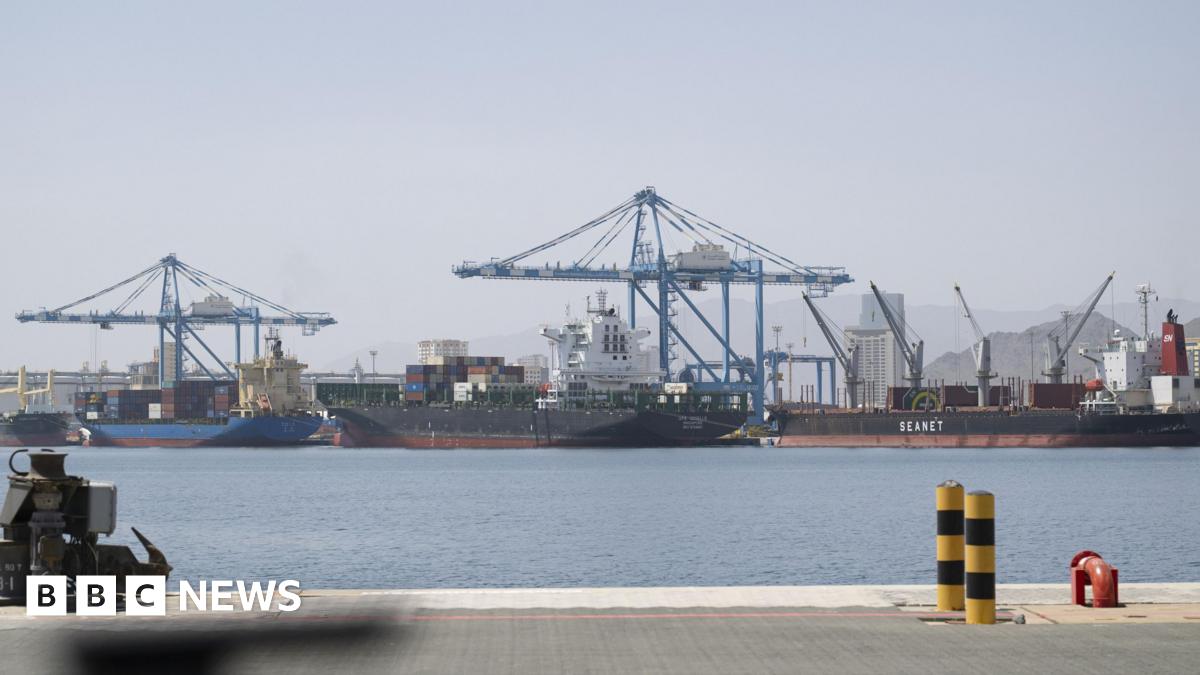
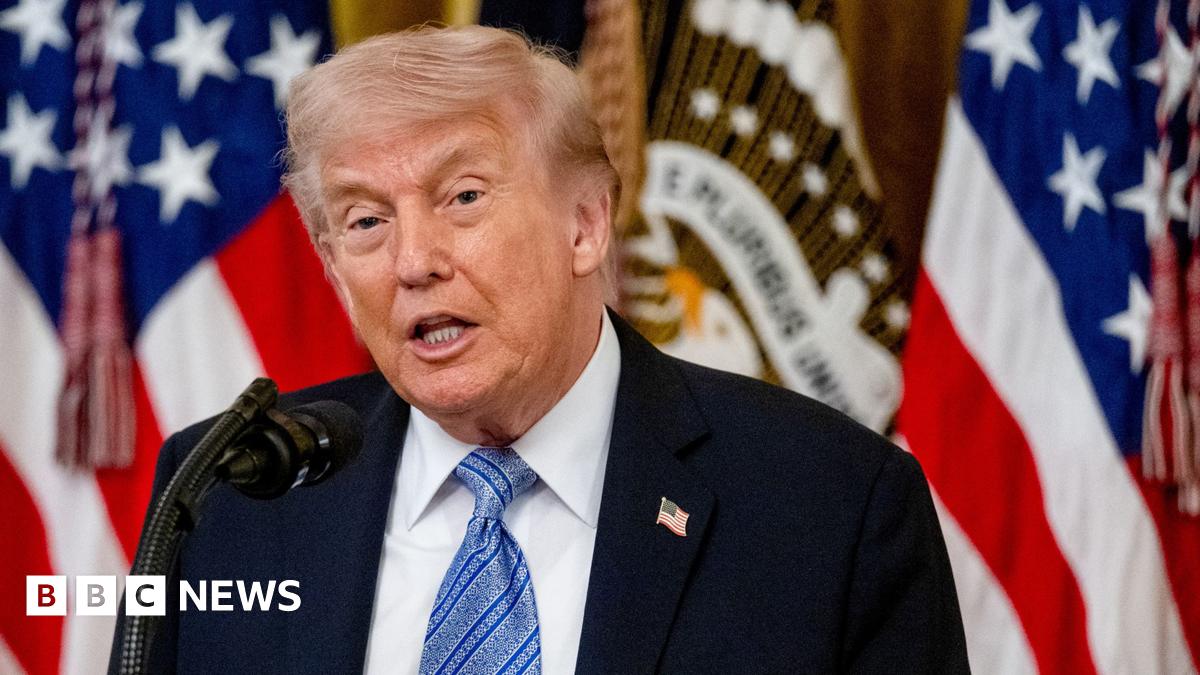
The United States Navy commenced escorting commercial vessels through the critical Strait of Hormuz on Monday morning, a move aimed at safeguarding vital shipping lanes. However, this operation was abruptly paused by Tuesday afternoon. President Donald Trump announced the reversal, attributing it to a request from Pakistan and other nations, and citing "great progress" toward a "complete and final agreement" with Iran. This pause in military operations through the Strait, a chokepoint through which approximately one-fifth of global oil and gas shipments typically pass, signals a potential shift in US strategy. The waterway has been effectively closed for weeks due to Iran's threats to attack oil ships in response to US-Israeli strikes. The conflict has already led to a slump in regional oil production and transportation, contributing to prices remaining significantly higher than the $70 a barrel seen before the hostilities began. On Tuesday, US Secretary of State Marco Rubio declared that Operation Epic Fury, the air and naval campaign initiated on February 28, had been concluded. The administration's stated objective now is to pursue a "memorandum of understanding for future negotiations," a stance that appears to align with Iran's long-standing demands for a phased approach to diplomacy.
Iran's Negotiating Stance and US Reassessment
For weeks, Iran has been advocating for multistage negotiations, proposing a preliminary deal to end the current conflict before engaging in discussions about the US administration's demands concerning Tehran's nuclear programme. Initially, President Trump and his administration resisted this approach, with the US president emphasizing that Iran's nuclear ambitions were central to any potential agreement. However, recent developments suggest a potential shift in Washington's position. Experts observe that the US may now be accepting Iran's demand for a phased negotiation process. This evolution in diplomatic signalling is seen by some analysts as a pragmatic response to the complexities of the situation. Seyed Mojtaba Jalalzadeh, an international relations analyst based in Tehran, commented that the week's diplomatic overtures reflect a "sober reassessment in Washington of what was achievable." He characterized the move towards a memorandum of understanding as a "good, viable and important first step to solve the immediate problem."
Pakistan's Mediation Role and Regional Dynamics
Pakistan has played a significant role as an intermediary in facilitating communication between the US and Iran. Pakistani officials close to the mediation efforts confirmed that Islamabad's role as a go-between has intensified in recent days, with senior officials maintaining direct contact with both parties. This diplomatic engagement culminated in President Trump's announcement regarding the pause in Strait of Hormuz escorts. Pakistani Prime Minister Shehbaz Sharif publicly acknowledged the efforts, naming Saudi Arabia's Crown Prince Mohammed bin Salman as a partner who encouraged the US president to suspend the military mission. Sharif expressed strong hope that the current momentum would lead to a lasting agreement that ensures "durable peace and stability for the region and beyond." emerged on Wednesday suggesting the US and Iran were close to agreeing to a one-page MoU to end the war, even without detailed negotiations on Tehran's nuclear programme, the situation remains fluid. An Iranian foreign ministry spokesperson indicated that the US proposal was still under consideration. President Trump himself later cast doubt on the immediacy of any deal, suggesting that an agreement by the Iranians was "a big assumption" and warning of intensified bombardments should talks fail.
Market Performance Contrasts Pre-Conflict Levels
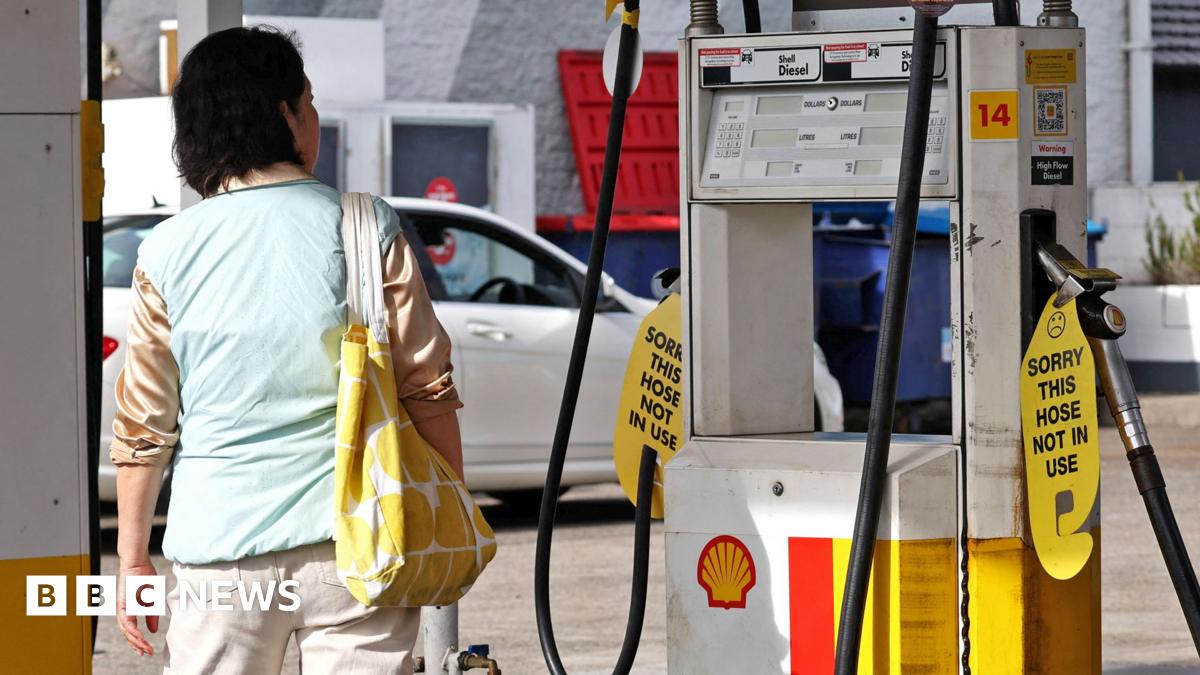
While stock markets have seen a recent uplift, their performance still lags behind pre-conflict levels observed at the end of February. The major European bourses, for instance, remain lower than they were prior to the escalation of hostilities. The US S&P 500, however, has shown resilience, climbing by more than 1% since the start of the war. Similarly, while the Hong Kong Hang Seng index is down compared to its pre-war standing, the South Korean Kospi and Japanese Nikkei have both seen gains. The conflict, which began with Iran's threat to attack oil ships crossing the Strait of Hormuz in response to US-Israeli strikes since February 28, has had a tangible impact on global energy flows and prices. The closure of the strait has disrupted supply chains, leading to soaring gas prices alongside the elevated oil prices.
Uncertainty Lingers Despite Ceasefire Hopes
A ceasefire agreement was reached between the US and Iran on April 8, a development that initially caused oil prices to slump and stock markets to jump. This event marked a significant moment of potential de-escalation, offering a brief respite from the escalating tensions. However, the subsequent statements from both sides have introduced a degree of uncertainty regarding the path forward. The Iranian foreign ministry's confirmation that a US proposal was still under consideration, coupled with President Trump's cautionary remarks about the likelihood of an agreement and the potential for increased military action, highlight the fragility of the current diplomatic moment. The ongoing deliberations and the differing interpretations of progress underscore the complex nature of the negotiations. The market's sensitivity to these developments suggests that any definitive resolution, or indeed a breakdown in talks, will continue to have profound implications for global energy markets and broader geopolitical stability.
The bottom line
- Oil prices and stock markets reacted positively to reports of a potential US-Iran deal.
- The US Navy has paused escorts through the Strait of Hormuz, a key oil transit route.
- Pakistan has been actively mediating between the US and Iran.
- Iran has pushed for a phased negotiation approach, which the US appears to be considering.
- Despite positive signals, uncertainty remains regarding the finalization of any agreement.
- The conflict has significantly impacted global oil and gas prices and transportation.




13,000 Flights Cut in May as Jet Fuel Crisis Threatens Summer Travel

Zelenskyy Offers Open-Ended Truce as Putin Demands Two-Day Ceasefire for Victory Day
Trump Pauses ‘Project Freedom’ in Strait of Hormuz as Peace Talks Loom