EU's Entry-Exit System Sparks Summer Travel Chaos Fears
Long queues and missed flights plague new biometric border checks, leaving travellers facing uncertainty and significant costs.
UNITED KINGDOM —
Key facts
- Portugal and Italy will not exempt UK nationals from new EU biometric border checks.
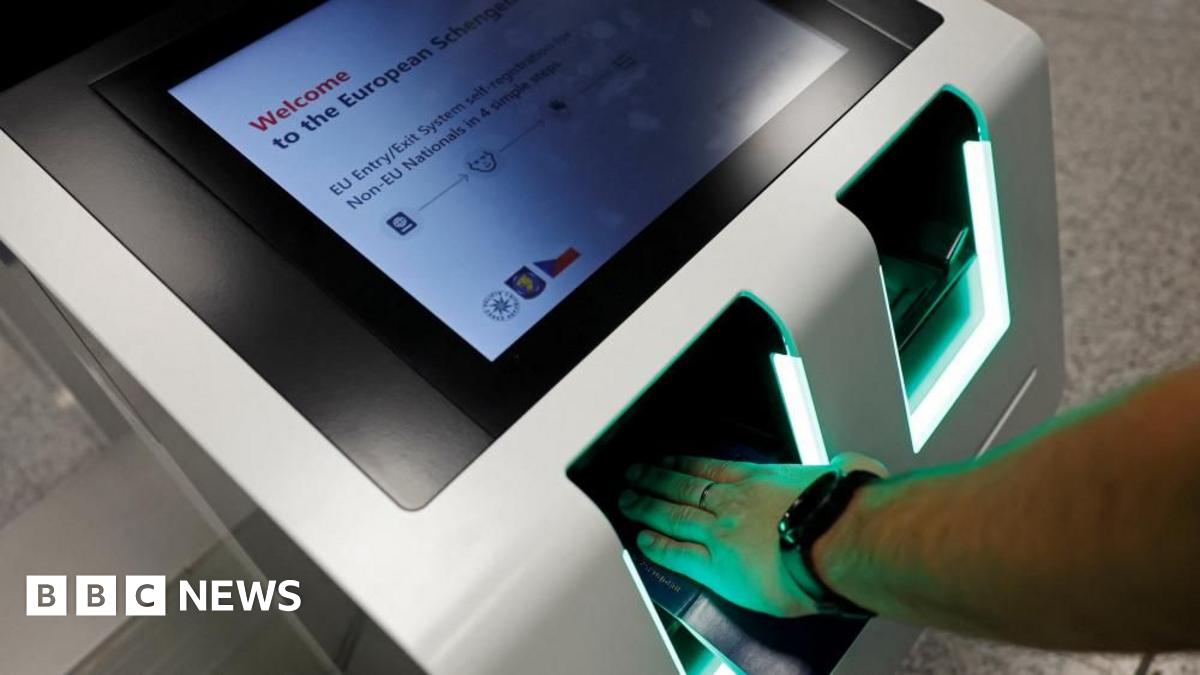
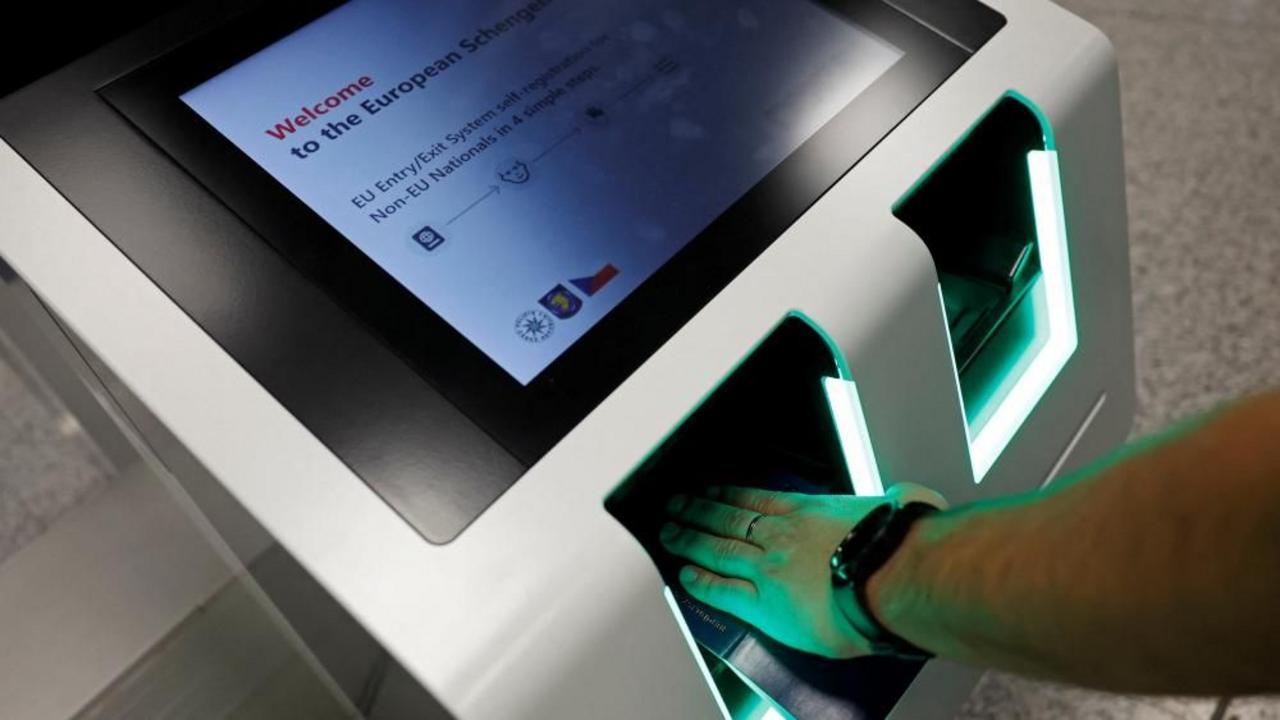
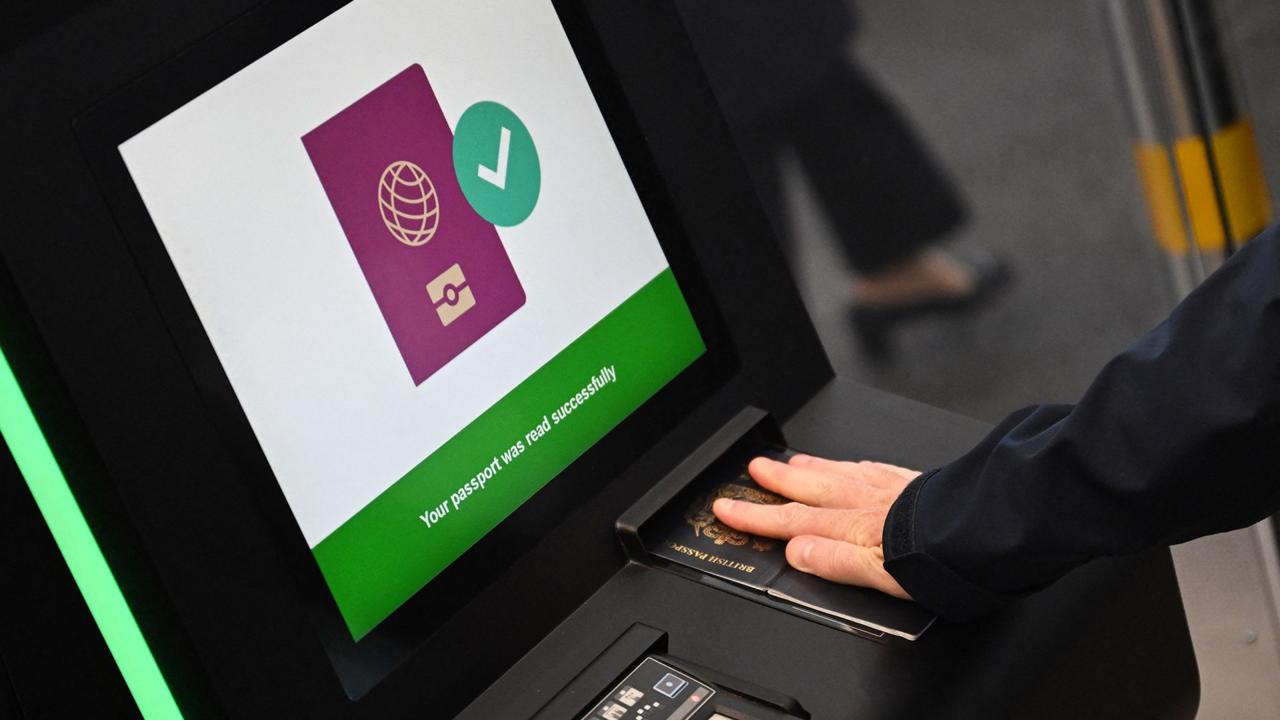
- The EU's Entry-Exit System (EES) requires fingerprint and facial scans for non-EU visitors.
- Over 100 easyJet passengers missed flights from Milan in April due to passport queues.
- Travellers are generally responsible for costs incurred from delays, with limited insurance coverage.
- waiting up to three hours at border control.
- Dave Giles incurred over £2,000 in expenses after missing his flight from Copenhagen.
- The EES was intended to become fully operational on April 10.
- Greece has reportedly suspended biometric checks for UK citizens in practice.
Border Scrutiny Intensifies as Summer Nears
Portugal and Italy have confirmed they will not exempt British nationals from the European Union's new fingerprint and facial scanning border checks, the European Commission has stated. of significant delays and disruptions caused by the Entry-Exit System (EES), which has already led to travellers missing flights and facing arduous waits at airports. Recent speculation had suggested that both countries might follow Greece's lead in effectively suspending these biometric checks for UK citizens. Athens had reportedly suspended such measures to prevent summer travel chaos. However, these reports were not officially confirmed by the authorities in Lisbon or Rome. The EES, a digital system requiring most short-term visitors from outside the EU and European Economic Area to register biometric data upon entry and exit, was initially slated for full operation in October last year and then April 10. Despite the European Commission's assertion that the system is largely functioning well, numerous travellers, particularly from the UK, have encountered prolonged delays at borders.
From Milan to Manchester: Flights Lost to Queues
The practical implications of the EES have been starkly illustrated by a series of incidents. In April, more than 100 passengers on an easyJet flight from Milan's Linate airport to Manchester missed their departure due to what the airline termed "unacceptable" passport queues. Similarly, Ryanair confirmed that passengers bound for Manchester from Milan Bergamo airport also lost their flights because of passport control issues. These disruptions have led to a situation where, in practice, Greece has reportedly abandoned biometric checks on British citizens, despite claims from Athens of successfully implementing the EES. The European Commission has stated it is in contact with Greece to clarify the situation and reiterate the existing rules. These rules permit short-term suspensions at specific border crossings under exceptional circumstances, but do not allow for broad, extended exemptions for nationals of particular countries. The Commission has also confirmed ongoing communication with Portugal and Italy, as well as all other member states, regarding the implementation of the EES.
Travellers Bear the Brunt of System Glitches
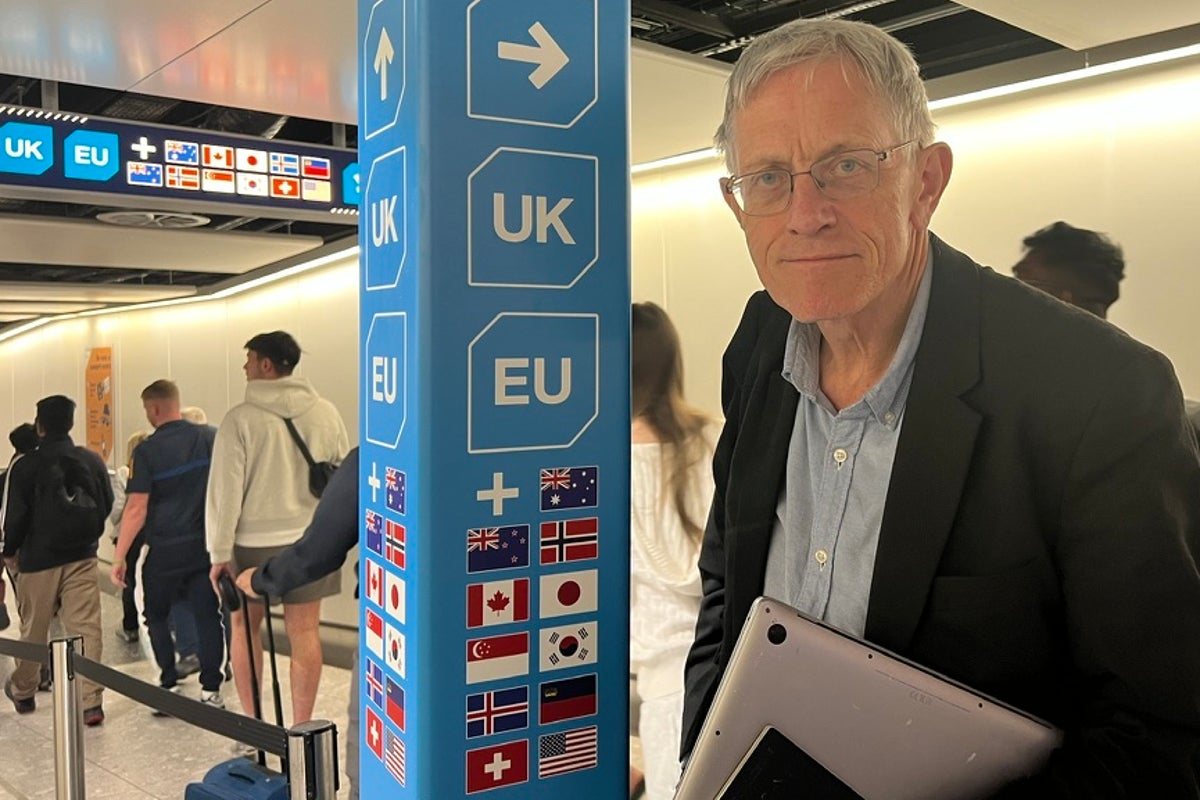
Travel expert Simon Calder has highlighted that passengers are typically responsible for the costs arising from delays at border control, with airlines and insurers offering little recourse unless trips are booked as package holidays. Even then, tour operators might argue their obligation ends upon delivery to the departure airport. Passengers who miss flights or other connections due to EES queues are unlikely to find their travel insurance covering these losses. The Association of British Insurers advises customers to plan ahead for potential delays, acknowledging that longer wait times are expected. The responsibility, they suggest, falls on passengers to liaise with airlines, accommodation providers, or tour operators. Legal action against airports is also deemed unlikely to succeed, as responsibility would likely be shifted to border police, who operate under their own timelines. Looking ahead, a six-month warning will be given before the European Travel Information and Authorisation System (ETIAS) comes into effect, which will involve a €20 charge for a 'Euro visa'.
Hours in Line, Kiosks Fail, Flights Missed
Travellers sharing their experiences since the EES rules came into effect on April 10 have described lengthy waits, with some queues extending up to three hours. issues such as fingerprint scanners failing to accept prints, additional delays when travelling with children, and a lack of clear guidance on using the self-service kiosks. having to repeat the registration process multiple times, even after completing it, with limited or no staff available to provide explanations. Dave Giles, a 47-year-old IT manager, missed his flight home from Copenhagen on April 12 after encountering a queue of 80 to 100 people at passport control, with only three kiosks operational, one of which subsequently closed. Despite efforts by a supervisor to hold the gate open, the flight departed just moments before his arrival at the gate. This incident resulted in Mr. Giles incurring expenses exceeding £2,000 for new flights, accommodation, and transport, costs he does not expect to recover. Georgia, a pregnant traveller from London, experienced a four-hour delay upon arrival at Pisa airport on April 10. She described a lack of staff assistance, no special provisions for vulnerable travellers, and insufficient seating. The arduous wait in a windowless corridor left her feeling unwell, prompting her to cancel a subsequent trip to Paris due to apprehension about facing similar delays again.
Summer Travel Outlook Fraught with Uncertainty
The rollout of the EES has injected a significant degree of uncertainty into the upcoming summer travel season for British tourists heading to Europe. The system's teething problems, including inconsistent implementation and limited passenger protections, have led to widespread calls for travellers to allow considerably more time for their journeys and to prepare for potential delays. seamless journeys, the experiences of those caught in long queues, missing flights, and facing unexpected costs paint a concerning picture. The cumulative effect of these issues raises questions about the preparedness of airports and border agencies to handle peak season volumes under the new biometric regime. As the summer holidays approach, the focus remains on how effectively these issues will be resolved and whether travellers will face continued disruption. The potential for further complications, coupled with the financial and emotional toll on those affected, underscores the critical need for improved efficiency and clearer communication at Europe's borders.
The bottom line
- The EU's new Entry-Exit System (EES) is causing significant delays and disruptions at border crossings for non-EU travellers.
- Travellers are advised to allocate extra time for journeys, as airlines and insurers are unlikely to cover costs incurred from EES-related delays.
- Portugal and Italy will enforce the EES for UK nationals, despite reports suggesting potential exemptions.
- Instances of missed flights and substantial financial losses for travellers have already occurred.
- The system's implementation has been inconsistent, with reports of malfunctioning equipment and insufficient staffing.
- Future travel may also be impacted by the upcoming ETIAS visa waiver system, set to be introduced after the EES is fully operational.


Trump Claims Ceasefire Holds Amid Hormuz Exchange

13,000 Flights Cut in May as Jet Fuel Crisis Threatens Summer Travel

US and Iran Near War-Ending Deal, Trump Says