Spirit Airlines ceases operations, begins asset sale after failed rescue
The budget carrier grounded its fleet early Saturday, leaving thousands stranded and raising fears of higher fares across the industry.
IRELAND —
Key facts
- Spirit Airlines ceased all passenger flights at 3 a.m. Saturday, May 4.
- The airline filed a motion Monday to begin an orderly wind-down and asset sale.
- Spirit incurred nearly $100 million in incremental fuel costs between March and April 30 due to the Iran war.
- A Trump administration rescue package collapsed after pushback from creditors and some Republicans.
- Spirit filed for bankruptcy twice in recent years and failed to merge with Frontier or JetBlue.
- The airline's routes saw average fare increases of 14% after it left markets between 2024 and 2025.
- Spirit's 'passenger usage' fee was up to $28 each way; a carry-on bag cost $33.
The end of an era for America's most hated airline
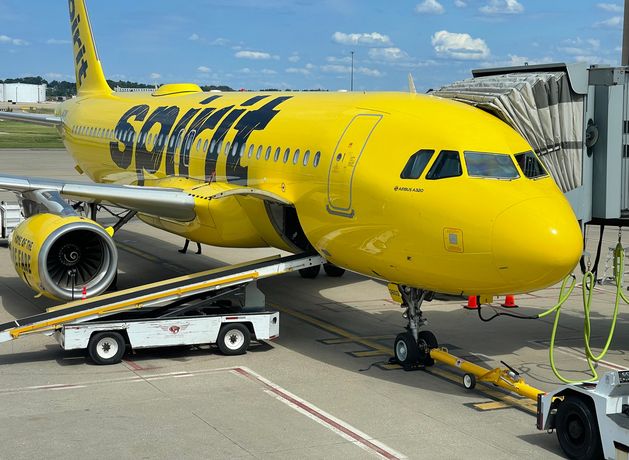
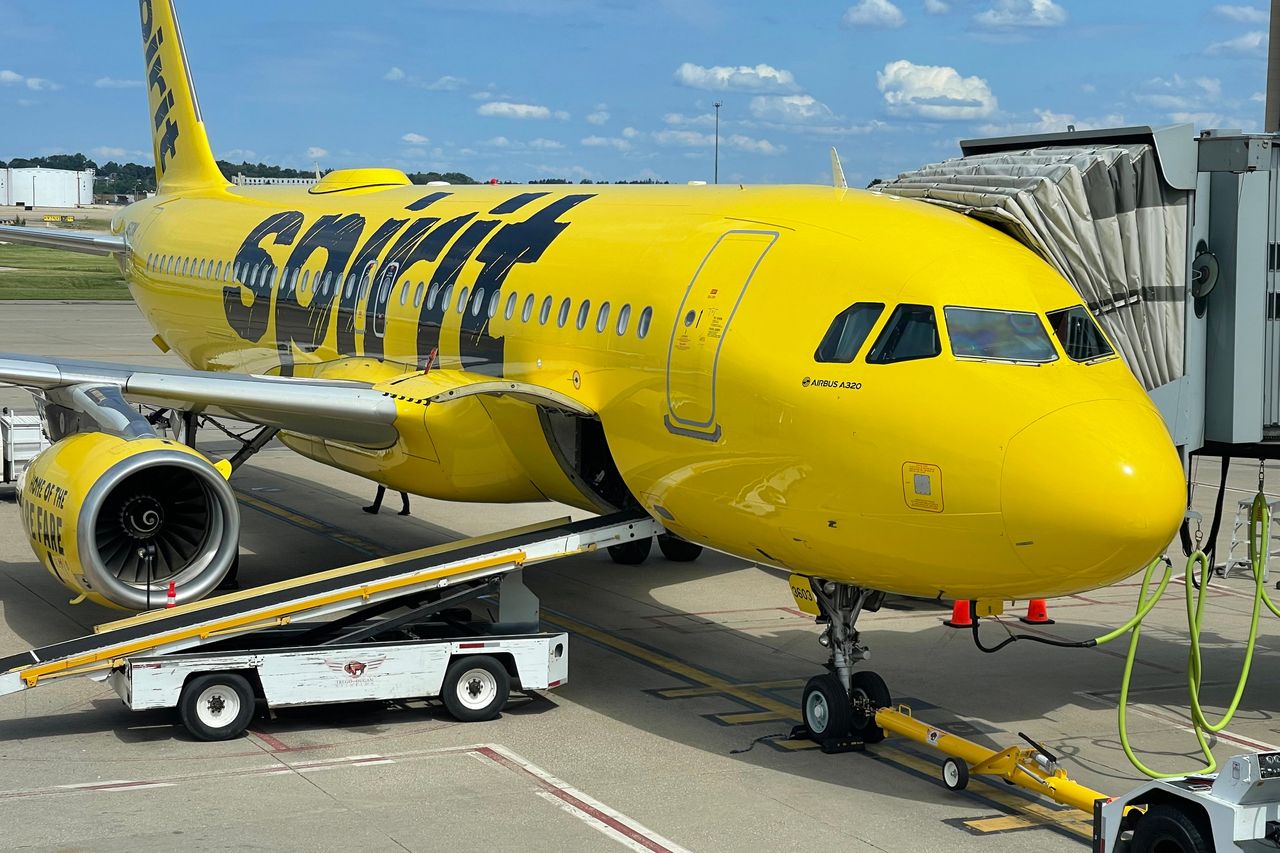
Spirit Airlines, long derided as the 'school bus of the sky,' shut down operations early Saturday, grounding its banana-yellow fleet and leaving tens of thousands of passengers stranded at airports across the United States. The low-cost carrier, which had filed for bankruptcy twice in the past year, ceased all flights around 3 a.m. after exhausting its cash reserves and failing to secure a last-minute government rescue. The airline's check-in kiosks were plastered with a terse goodbye message: 'All Spirit flights have been cancelled, and customer service is no longer available.' A company spokesperson declined to comment. The collapse marks the end of a 40-year-old Florida-based carrier that pioneered ultra-low-cost travel but ultimately fell victim to rising fuel costs, fierce competition, and a string of failed mergers.
A sudden wind-down after failed rescue talks
Spirit filed a motion in bankruptcy court on Monday requesting approval to begin an orderly wind-down and sell its assets, including aircraft, spare engines, and parts. The airline also sought to modify its bankruptcy loan to secure the funding needed for the sale process. Just weeks ago, Spirit had planned to exit bankruptcy by the summer after striking a deal with creditors to shed billions in debt and lease obligations. But its financial position deteriorated sharply as fuel costs surged following the outbreak of the US-Iran war and disruption in the Strait of Hormuz, a critical passage for oil shipments. Chief Financial Officer Fred Cromer revealed in a court declaration that the airline incurred nearly $100 million in incremental fuel costs between March and April 30 alone.
The rescue that never materialized
As Spirit veered toward liquidation last month, the Trump administration floated a rescue package. However, the effort fizzled after pushback from a group of creditors and even some Republican lawmakers. Late last week, the company was informed that the potential new financing 'was no longer an available option,' Cromer said in his declaration. The decision to wind down was made Friday as the airline ran critically short on cash. Cromer noted that operations ceased at 3 a.m. Saturday to ensure no planes were in the air and that all crew members away from bases had sufficient time to arrange hotel accommodations. The abrupt shutdown echoed the airline's long history of customer frustration: passengers arriving for flights found deserted counters and no customer service.
The 'Spirit Effect' and what its loss means for fares
Spirit's business model was built on a cynical but effective insight: travelers would tolerate cramped seats, hidden fees, and poor service in exchange for rock-bottom fares. The airline charged up to $28 each way for online booking, $33 for a carry-on bag, $10 for a printed boarding pass, and $4.50 for water. Yet even with add-ons, Spirit reliably offered the cheapest option 'nine times out of 10,' a travel expert at the flight-discount site Going. Spirit's presence forced down prices across the industry—a phenomenon known as the 'Spirit Effect.' When Spirit launched a route from Houston to Kansas City in 2014 at $150, half United's average fare, United slashed its price to $180 within months, and Spirit dipped to $90. Studies show that in markets with ultra-cheap carriers like Spirit and Frontier, average air fares are 21% lower than in markets without them. Now, with Spirit gone, analysts warn that fares will rise. One analysis found that air fares increased by an average of 14% on routes Spirit left between 2024 and 2025, and 2026 is already shaping up to be the most expensive summer travel season in years.
Failed mergers and mounting competition
Spirit's downfall was hastened by a series of failed merger attempts. In its latest bankruptcy, the airline revived talks with Frontier Airlines after rejecting a takeover offer from the low-cost rival early last year, but the effort went nowhere. Earlier, JetBlue Airways had been blocked from acquiring Spirit on antitrust grounds by the Justice Department under the Biden administration. Meanwhile, competition from both low-cost rivals and major airlines' 'Basic Economy' fares eroded Spirit's advantage. Most major carriers now offer stripped-down tickets that charge extra for baggage and seat selection—a model Spirit pioneered. 'In large part, Spirit was a victim of its own success,' Nastro said. The airline's financial woes were compounded by the Iran war, which sent fuel costs soaring and turned a bad situation into a dire one.
A hollow victory for Spirit's haters
For years, Spirit was the butt of jokes—a 2014 poll found respondents would rather sit near snakes on a plane than fly Spirit. But the airline's demise is likely to hurt the very travelers who mocked it. 'The Spirit haters are going to eat their words,' Nastro said. Spirit served smaller cities with few other options and was the only carrier offering nonstop flights on certain routes. Its ultra-low fares made air travel accessible to millions who otherwise could not afford it. The paradox of Spirit is that it was a horrible airline to fly but allowed more people to fly than ever before. Since 1995, average airfare in the U.S. has decreased by 41%, thanks in large part to carriers like Spirit. Now, with Spirit gone and other budget airlines like JetBlue and Frontier struggling, the era of cheap flights may be ending. 'This is the worst time for the worst possible outcome,' Nastro said. The $4.50 water bottle, once a symbol of Spirit's nickel-and-diming, may come to be seen as the golden age of travel.
The bottom line
- Spirit Airlines ceased operations on May 4, 2026, after failing to secure a government rescue and running out of cash.
- The airline's collapse was driven by $100 million in extra fuel costs from the Iran war and failed mergers with Frontier and JetBlue.
- Spirit's 'Spirit Effect' had lowered airfares by 21% in markets it served; its exit is expected to raise fares significantly.
- The Trump administration's rescue effort collapsed due to opposition from creditors and some Republicans.
- Spirit's business model of ultra-low base fares with high fees made it America's most hated airline but also the most affordable option for budget travelers.
- The airline's liquidation will sell off its aircraft and parts, and its disappearance leaves a void in many smaller cities and on certain routes.
U.S. Launches Project Freedom to Guide Stranded Ships Through Strait of Hormuz as Iran Strikes UAE

Sierra Nevada Braces for 4 Feet of Snow as Late-Season Storm Threatens Travel

NATO Chief Rutte Says Europeans Have 'Gotten the Message' as Trump Threatens Punishment Over Iran War Support