Ryanair boss Michael O'Leary calls for ban on early morning airport alcohol sales as flight diversions surge
The airline is forced to divert nearly one flight a day due to disruptive passengers, up from one a week a decade ago, O'Leary says.

IRELAND —
Key facts
- Ryanair diverts an average of nearly one flight daily due to disruptive passengers, up from one a week a decade ago.
- Michael O'Leary calls for a ban on alcohol sales at airport bars before standard licensing hours, typically before 5 or 6 a.m.
- O'Leary proposes a two-drink per person limit at airports, accusing airports of profiteering by serving alcohol early.
- Being drunk on a plane is a criminal offence in the UK, punishable by a fine of up to £5,000 and two years' imprisonment.
- Ryanair filed legal proceedings in January last year seeking €15,000 in damages from a passenger for a diversion from Dublin to Lanzarote.
- Under Irish law, disruptive passengers face arrest, fines up to €5,000, and up to two years in prison.
- Ryanair rarely serves more than two drinks onboard and considers itself 'reasonably responsible'.
- Flights to Ibiza, Alicante, and Tenerife are among the worst affected by disruptive behaviour.
A daily crisis at 30,000 feet
Michael O'Leary, the chief executive of Ryanair, has renewed his call for a ban on early morning alcohol sales at airports, warning that disruptive passengers are forcing the airline to divert nearly one flight every day. A decade ago, the airline dealt with such diversions only once a week. The surge reflects a broader challenge across the aviation industry, as intoxicated travellers increasingly compromise safety and operations. O'Leary's remarks come amid a summer travel season already strained by high fuel costs and supply uncertainties. The airline boss has been a vocal critic of airport bars that serve alcohol from early morning, arguing that they export the problem to airlines.
O'Leary's proposed remedies
In an interview with the Times, O'Leary said: 'I fail to understand why anybody in airport bars is serving people at five or six o'clock in the morning. Who needs to be drinking beer at that time?' He urged that alcohol sales at airports be restricted to the same licensing hours that apply to other venues, effectively banning early morning pints. He also called for a two-drink per person limit at airports, a policy he has advocated 'for many years'. O'Leary accused airports of 'profiteering' from the sale of alcohol, particularly during delays, when passengers are served 'as much alcohol as they want'. He stated: 'We are reasonably responsible, but the ones who are not responsible, the ones who are profiteering off it, are the airports who have these bars open at five or six o'clock in the morning.'
Legal consequences and airline actions
Being drunk on an aircraft is a criminal offence in the UK, carrying a maximum fine of £5,000 and up to two years in prison. Under Irish law, passengers face potential arrest upon landing, fines of up to €5,000, and up to two years in prison. Airlines, including Ryanair, may impose a minimum €500 fine and pursue passengers for diversion costs. Threatening or abusive behaviour can lead to further prosecution and large compensation fees in the country where the aircraft is forced to land. In January last year, Ryanair announced it had initiated legal proceedings against a passenger in Ireland, seeking €15,000 in damages related to a diversion from Dublin to Lanzarote. The airline has also been taking legal action to recover losses from disruptive passengers. In the UK, carriers like Jet2 are lobbying for a national database to help ban disruptive passengers from flying.
The scale of the problem
O'Leary noted that the problem has escalated dramatically over the past decade. 'It's becoming a real challenge for all airlines,' he said. Ryanair now diverts nearly one flight per day due to bad behaviour onboard, compared to one per week ten years ago. The worst affected routes include flights to Ibiza, Alicante, and Tenerife, popular destinations for partygoers. The issue is compounded by drug use, which O'Leary said exacerbates aggression among passengers, leading to fights. While Ryanair rarely serves more than two drinks to a passenger, airport bars have no such restraint, particularly during delays.
Broader industry and regulatory context
Airside bars in the UK are not subject to the same opening hour restrictions as other alcohol-selling venues, a loophole O'Leary wants closed. His call aligns with a wider industry push for stricter measures to curb disruptive behaviour. The International a rise in unruly passenger incidents globally, with alcohol and drugs often cited as contributing factors. O'Leary's campaign also comes as Ryanair navigates other challenges, including volatile jet fuel prices. The airline has warned that European carriers could go bust if fuel costs remain high, though O'Leary recently said the risk of a jet fuel shortage in Europe is receding.
Outlook and unresolved questions
O'Leary's proposal faces resistance from airports, which profit from early morning bar sales. The UK government has not indicated whether it will consider changing licensing laws for airport bars. Meanwhile, the airline continues to pursue legal avenues to recover costs from disruptive passengers, but the effectiveness of such measures remains to be seen. As summer travel peaks, the frequency of alcohol-related incidents is likely to increase, putting pressure on regulators to act. O'Leary's call may gain traction as more airlines and passenger groups demand consistent enforcement of alcohol restrictions at airports.
The bottom line
- Ryanair diverts nearly one flight daily due to disruptive passengers, a tenfold increase from a decade ago.
- Michael O'Leary wants airport bars to stop serving alcohol before standard licensing hours and proposes a two-drink limit.
- Airports are accused of profiteering by serving alcohol early and during delays, exporting the problem to airlines.
- Legal penalties for being drunk on a plane include fines up to £5,000 in the UK and up to €5,000 in Ireland, plus imprisonment.
- Ryanair has filed legal proceedings seeking €15,000 from a passenger for a diversion, and supports a national database to ban disruptive flyers.
- The worst affected routes include flights to Ibiza, Alicante, and Tenerife, with drug use also contributing to incidents.





Putin Declares Two-Day Ceasefire for Victory Day, Threatens Massive Strike on Kyiv if Violated
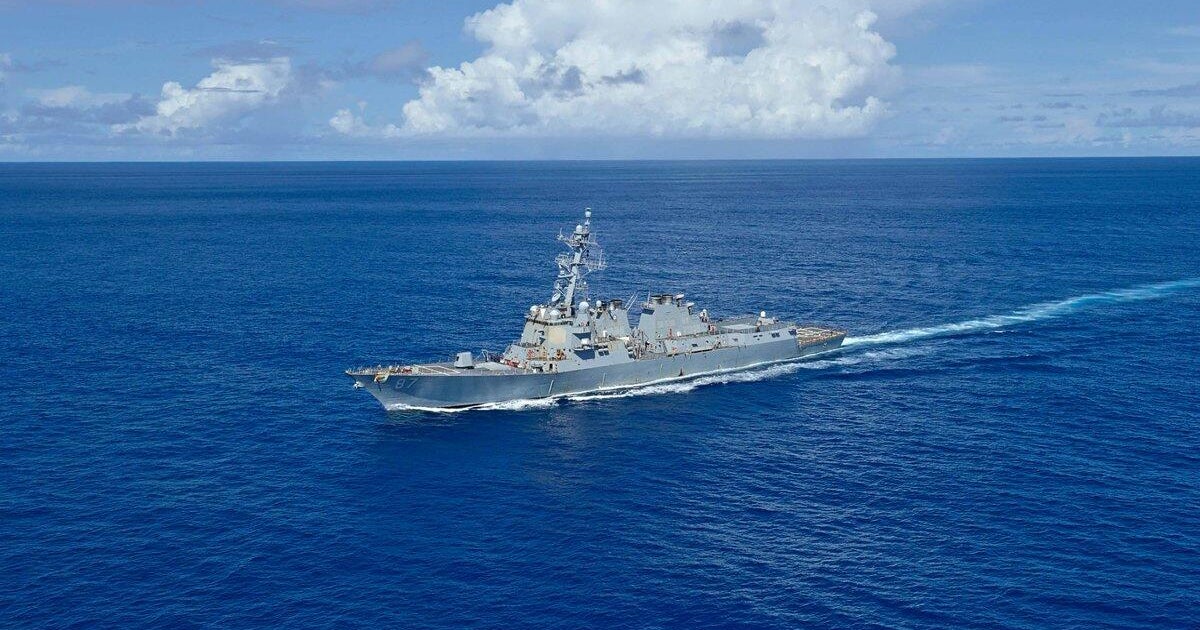
U.S. Launches Project Freedom to Guide Stranded Ships Through Strait of Hormuz as Iran Strikes UAE

Sierra Nevada Braces for 4 Feet of Snow as Late-Season Storm Threatens Travel