Hantavirus Outbreak on Cruise Ship Leads to Evacuations and International Concern
A deadly hantavirus outbreak aboard the MV Hondius has stranded passengers and sparked a global health response, with evacuations and quarantine measures underway.

NEW ZEALAND —
Key facts
- Three passengers have died from hantavirus on the MV Hondius cruise ship.
- Eight cases of hantavirus have been recorded, with five confirmed by laboratory testing.
- Three patients, including the ship's doctor, were evacuated from the vessel for medical care.
- The MV Hondius departed South America on April 1, with stops planned in Antarctica and Atlantic islands.
- The ship was carrying approximately 150 people from 23 countries.
- Hantavirus, a rare but severe disease, is typically spread by rodents but can rarely spread person-to-person.
- Spanish authorities initially agreed to allow the ship to dock in the Canary Islands for treatment and repatriation.
Cruise Ship Becomes Epicenter of Deadly Hantavirus Outbreak
A luxury cruise liner, the MV Hondius, has become the focal point of a deadly hantavirus outbreak, stranding nearly 150 passengers and crew members from 23 countries. The vessel, which departed South America on April 1 with planned stops in Antarctica and remote Atlantic islands, is now anchored near Cape Verde, off the west coast of Africa. The situation escalated as health authorities confirmed multiple cases of the rare but severe disease, prompting international concern and a complex logistical and medical response. The World Health Organization (WHO) has been closely monitoring the unfolding crisis, which has already claimed three lives among those on board. The ship's journey, initially conceived as a voyage of discovery, has transformed into a tense standoff as officials grapple with containment and treatment protocols. The presence of a body remaining on the ship underscores the gravity of the situation, as the virus, typically spread by rodents, has demonstrated a concerning capacity to affect humans. The outbreak has cast a shadow over the passengers, who represent a diverse group of nationalities. While some describe a calm atmosphere, others express profound anxiety and uncertainty about their health and eventual return home. The incident highlights the potential for infectious diseases to spread rapidly in confined environments, even in the age of advanced global travel.
Evacuations Underway as Virus Confirmed
In a critical development, three individuals, including the ship's British doctor, have been evacuated from the MV Hondius. These passengers, identified as a 41-year-old Dutch national, a 56-year-old British national, and a 65-year-old German national, were transferred to specialized medical facilities in Europe. Footage showed health workers in full protective gear carrying out the delicate operation, a stark visual of the containment measures being implemented. Testing in Senegal confirmed that two of the evacuated individuals were indeed infected with hantavirus. The ship's operator, Oceanwide Expeditions, reported that two of the evacuees remained in serious condition, while the third had no symptoms but had been in close contact with a German passenger who died on May 2. This evacuation marks a significant step in managing the immediate health crisis for those most severely affected, while also raising questions about the potential for further spread. Two of the evacuated patients arrived at Amsterdam's airport on Wednesday evening, local time, and were transported via ambulances to hospitals. The WHO has stated that the risk to the general public from this outbreak is low, given the typical transmission routes of hantavirus, which primarily involve inhaling contaminated rodent droppings and only rarely person-to-person contact through close proximity.
Investigating the Origins: From Ushuaia to the Atlantic
The investigation into the origins of the hantavirus outbreak points to a potential exposure event in Ushuaia, Argentina, a city in the Tierra del Fuego province. Two Argentine officials, speaking anonymously, have put forth a leading hypothesis: a Dutch couple may have contracted the virus while bird-watching in the region before boarding the MV Hondius. Their itinerary included a visit to a landfill, a location where exposure to rodents is plausible. This theory is particularly noteworthy as authorities had previously indicated that Ushuaia and its surrounding province had no recorded history of hantavirus cases. The virus identified among the passengers is the Andes virus, a species of hantavirus endemic to South America, primarily found in Argentina and Chile. This specific strain is known to be capable of human-to-human transmission, although such instances are rare and require close personal contact. The ship’s departure from South America on April 1, followed by stops in Antarctica and various islands, suggests a complex timeline for potential exposure and incubation. Health officials across Europe and Africa are now working to identify and monitor any individuals who may have had contact with those who disembarked the ship prior to the current situation, a challenging task given the extensive itinerary and the number of nationalities on board.
Divergent Views Emerge Among Passengers
Amidst the unfolding health crisis, passengers on the MV Hondius have expressed a range of perspectives on the situation. American travel vlogger Jake Rosmarin shared an emotional account, describing the uncertainty and anxiety felt by many, stating, "We're not just headlines, we're people with families, with lives, with people waiting for us at home." His experience, shared on platforms like TikTok, highlights the human toll of the outbreak and the desire for clarity and safety. However, not all passengers share the same level of alarm. Kasem Hato, another travel influencer on board, suggested that the situation has been "blown out of proportion." He attributed some of the heightened concern to a single passenger's reaction, implying that it may have amplified the perceived severity of the outbreak. Hato asserted that the majority of the 149 individuals on board have remained calm, with the situation under control. Despite these differing viewpoints, the reality of the situation remains a serious concern for health authorities. Passengers and crew members still on the ship are reportedly isolating in their cabins and are without symptoms. Their journey to the Canary Islands, estimated to take three to four days, is being carefully managed to minimize any perceived risk to the public upon arrival.
Navigating International Waters: Spain's Dilemma
The prospect of the MV Hondius docking in Spain's Canary Islands has ignited controversy and highlighted the complexities of international health protocols. Initially, Spain's health ministry indicated that the ship could sail to the islands, where those on board would receive medical treatment and be repatriated. This decision followed an earlier refusal by Cape Verdean officials to grant clearance for the vessel to dock. However, the regional president of the Canary Islands, Fernando Clavijo, voiced strong opposition to the Spanish government's decision. Clavijo expressed concerns about the potential risk to the local population and demanded a meeting with Prime Minister Pedro Sánchez to discuss the matter further. The Canary Islands have a significant tourism industry, and the arrival of a ship with a confirmed hantavirus outbreak poses a delicate public health and economic challenge. The WHO has assured that the arrival of the ship in the Canary Islands "won't represent any risk for the public," emphasizing that passengers and crew are isolated and asymptomatic. Nevertheless, the differing stances between national and regional authorities underscore the tension between facilitating humanitarian aid and safeguarding public health in the face of an emerging infectious disease.
The Road Ahead: Containment and Public Health
As the MV Hondius continues its journey towards the Canary Islands, the focus remains on containment and monitoring. Health officials are working diligently to trace potential contacts and ensure that all necessary protocols are followed to prevent further transmission. The WHO's assessment of low public risk hinges on the understanding that hantavirus transmission is not easily sustained between humans. The ongoing investigation into the precise origins of the outbreak in Ushuaia is crucial for understanding how such a cluster could emerge in a region previously considered low-risk. This information will be vital for refining surveillance and prevention strategies in similar environments. The fact that the Andes virus, a strain capable of human-to-human spread, is involved adds another layer of complexity to the public health response. The incident serves as a stark reminder of the interconnectedness of global health security. While the immediate crisis aboard the MV Hondius is being managed, the long-term implications for public health awareness and preparedness in remote travel destinations will undoubtedly be a subject of continued scrutiny and analysis.
The bottom line
- Three deaths have been confirmed among eight recorded cases of hantavirus on the MV Hondius cruise ship.
- Three patients, including the ship's doctor, were evacuated and are receiving specialized medical care in Europe.
- The outbreak is believed to have originated in Ushuaia, Argentina, potentially from exposure to rodents.
- While hantavirus is rare, the Andes virus strain involved can spread between people through close contact.
- International health organizations and national governments are collaborating on containment and public health measures.
- The incident highlights the challenges of managing infectious disease outbreaks on international voyages.
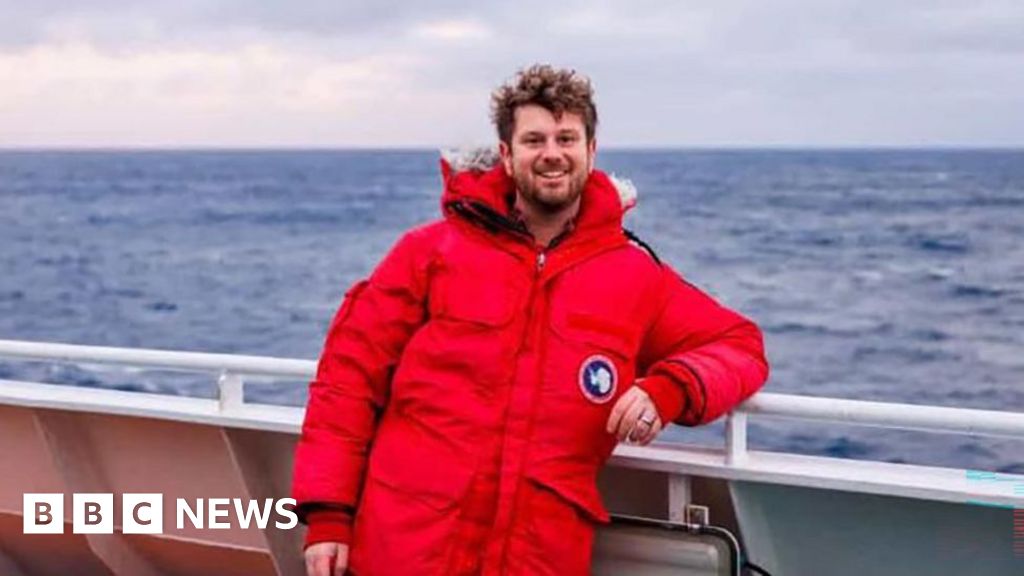


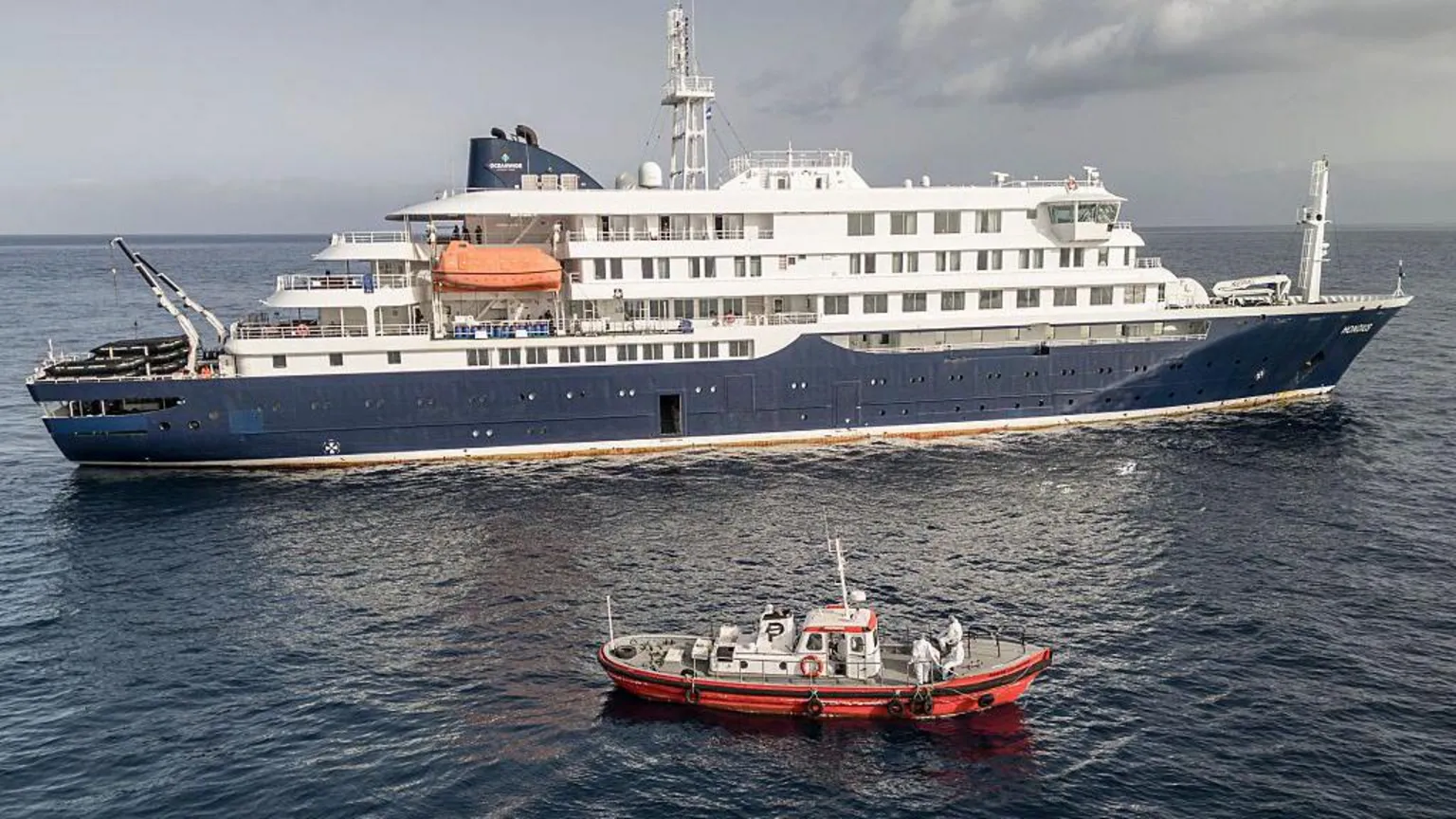

Three Dead in Hantavirus Outbreak on Polar Expedition Ship MV Hondius
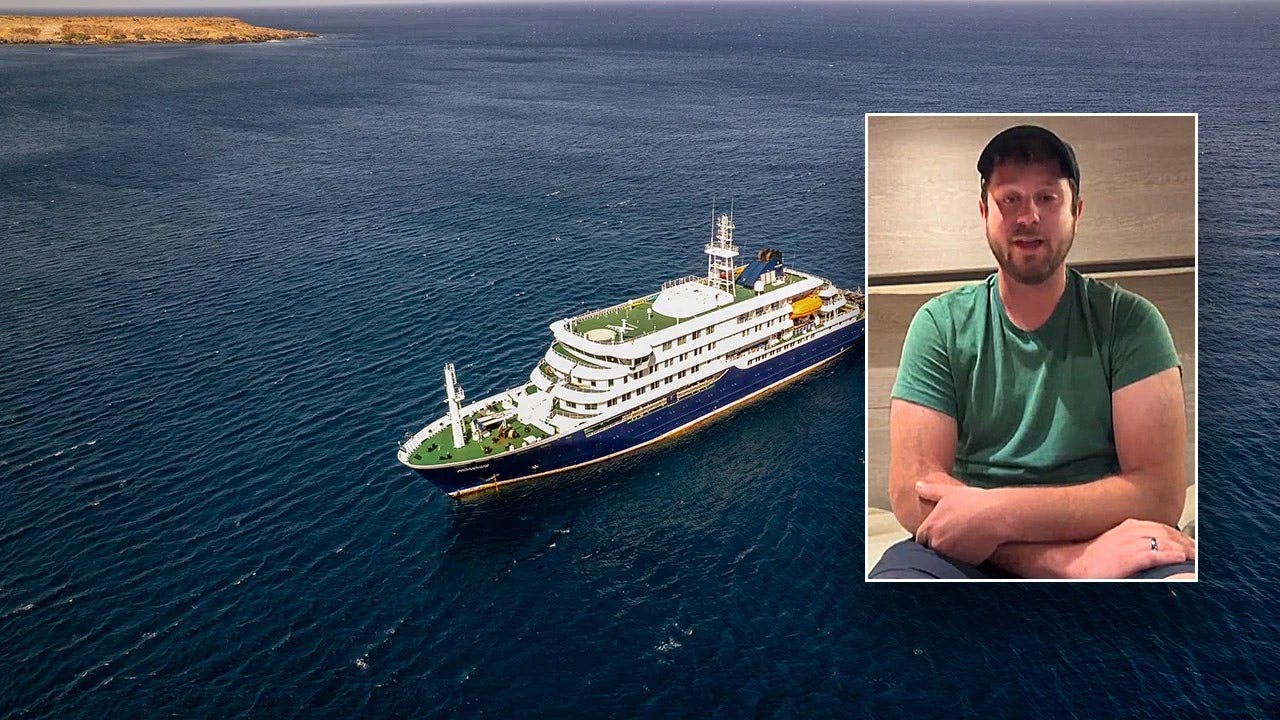
Three dead, human-to-human transmission suspected in hantavirus outbreak on cruise ship off Cape Verde

Cruise Ship Hantavirus Deaths Spark Global Health Alert
