Cruise Ship Hantavirus Deaths Spark Global Health Alert
Passengers face lengthy isolation as virus spreads on MV Hondius, prompting international medical intervention.

NEW ZEALAND —
Key facts
- Three passengers have died from suspected hantavirus on the MV Hondius.
- A Dutch couple and a German national are among the deceased.
- A British national is in intensive care in South Africa.
- The ship is currently anchored off Cape Verde, with 149 passengers and crew aboard.
- Spain has agreed to receive the MV Hondius in the Canary Islands for medical treatment and repatriation.
- The World Health Organisation is coordinating contact tracing efforts.
- There is no vaccine or cure for hantavirus.
Virus Outbreak on Luxury Liner Prompts International Response
A deadly virus outbreak aboard the luxury cruise ship MV Hondius has triggered a significant international health response, with passengers facing prolonged isolation and potential medical intervention. Three individuals have succumbed to suspected hantavirus infections, raising alarms about the potential for human-to-human transmission on the vessel. The ship, carrying 149 passengers and crew from 23 countries, has been stationary off the coast of Cape Verde since early May, denied permission to dock. The unfolding crisis began with the death of a Dutch woman in Johannesburg on April 26, after she fell ill with gastrointestinal symptoms during a flight from the remote island of Saint Helena. Her husband, who had boarded the ship in Argentina, also died from the virus. A German national has since passed away, while a British passenger was evacuated and remains in intensive care in South Africa. Three further suspected cases, including one with mild fever, have been reported among those still on board. The World Health Organisation (WHO) is spearheading efforts to manage the situation, initiating contact tracing for passengers who disembarked prior to the extent of the outbreak becoming clear. The ship’s operator, Oceanwide Expeditions, confirmed that two crew members require urgent medical attention, alongside the other suspected cases.
Passengers Face Extended Isolation Amidst Transmission Concerns
Experts warn that passengers on the MV Hondius may need to remain isolated for up to two months due to the long incubation period of hantavirus. Professor David Hayman, an infectious diseases expert from Massey University, stated that the possibility of human-to-human transmission, though rare for hantaviruses, necessitates stringent measures. "The World Health Organisation (WHO) recommends people should isolate for 45 days because there is a long incubation period," Professor Hayman explained. He expressed sympathy for the passengers, facing an uncertain period aboard the vessel. Given the absence of a vaccine or cure, physical distancing and rigorous hygiene protocols, similar to those employed early in the COVID-19 pandemic, are the primary means of prevention. The WHO's working assumption is that the initial cases may have been contracted off the ship, possibly during shore excursions like bird watching, before transmission occurred among passengers on board. This scenario complicates management, as human-to-human spread is not the typical mode of hantavirus infection, which is usually contracted through contact with rodent droppings or urine.
Spain Steps In to Provide Medical Aid and Repatriation
In a significant humanitarian intervention, Spain has agreed to receive the MV Hondius in the Canary Islands, a move requested by the WHO and the European Union. The Spanish Health Ministry stated its obligation under international law and humanitarian principles to assist the stranded passengers and crew. The decision comes after Cape Verde, the ship's intended final destination, was unable to manage the situation. The WHO indicated that Cape Verde lacked the necessary capabilities to handle the complex medical and logistical requirements. The Canary Islands, being the closest location with adequate resources, will serve as a port where passengers and crew will undergo medical examinations, receive treatment, and be repatriated to their home countries. Spain will also receive a medical flight carrying the ship's doctor, a to be gravely ill, following a request from the Dutch government. All necessary safety measures will be implemented, including the use of specialized facilities and vehicles to prevent contact with the local population and protect healthcare workers. The ship is expected to moor in Gran Canaria or Tenerife, a journey of three to four days from Cape Verde.
Understanding Hantavirus: A Global Threat
Hantaviruses are a group of viruses that are globally distributed and primarily spread by rodents. While human-to-human transmission is rare, it can occur, as suspected in the MV Hondius outbreak. The specific strain involved is believed to be from South America, capable of causing severe pulmonary and cardiovascular disease, in addition to typical viral symptoms like fever and gastrointestinal illness. Professor Hayman highlighted that there is currently no vaccine or cure for hantavirus. Treatment focuses on managing symptoms, including administering generic antivirals, ensuring adequate fluid intake, and controlling fevers. The long incubation period, potentially up to 45 days, makes containment and management particularly challenging. The outbreak has also led to precautionary measures on Saint Helena, a remote South Atlantic island where some passengers disembarked. While no cases have been identified on the island, a small number of individuals who had close contact with symptomatic passengers are being advised to self-isolate as a precaution.
Contact Tracing and Public Health Measures
The WHO's contact tracing efforts extend to passengers on a flight from Saint Helena to Johannesburg, where the Dutch woman died. Airlink, the carrier operating the flight, has been asked by South African authorities to notify passengers to contact the Health Department. This measure aims to identify and monitor individuals who may have been exposed during transit. On Saint Helena, a British overseas territory with a population of approximately 4,400, public health officials are advising a period of self-isolation for those who had close contact with passengers from the MV Hondius. The island's government has assured its residents that there is no significant cause for concern at this time, as no cases have been identified locally. The complex logistical and medical coordination involving multiple nations, international health bodies, and private operators underscores the global nature of modern public health challenges. The situation on the MV Hondius serves as a stark reminder of the potential for infectious diseases to rapidly escalate in interconnected environments.
The bottom line
- The MV Hondius outbreak highlights the rare but serious risk of human-to-human hantavirus transmission.
- Spain's intervention in the Canary Islands demonstrates international cooperation in managing public health crises at sea.
- The absence of a vaccine or cure for hantavirus necessitates strict isolation and hygiene protocols.
- Contact tracing is a critical component in managing the spread of the virus among passengers and crew.
- The incident underscores the vulnerability of cruise ship environments to rapid infectious disease outbreaks.
- Hantavirus, typically spread by rodents, can cause severe respiratory and cardiovascular illness.





Three Dead in Hantavirus Outbreak on Polar Expedition Ship MV Hondius
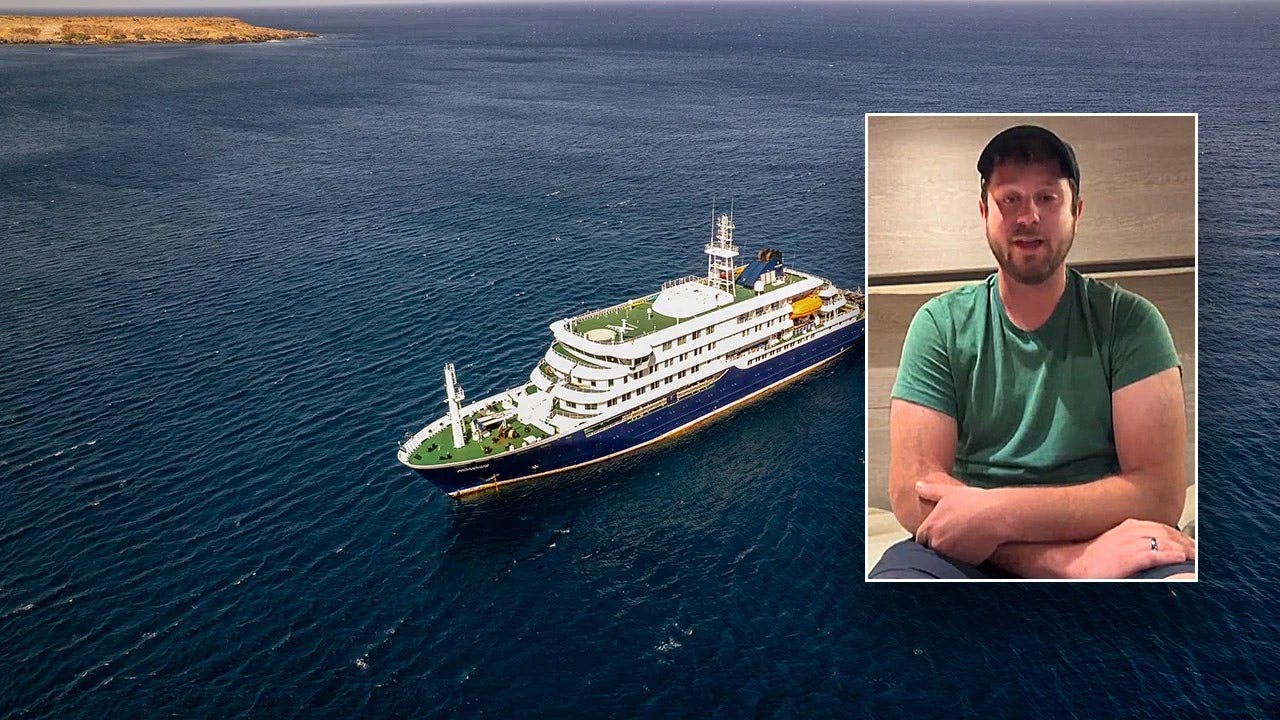
Three dead, human-to-human transmission suspected in hantavirus outbreak on cruise ship off Cape Verde

Hantavirus Outbreak on Cruise Ship Leads to Evacuations and International Concern
