Hantavirus Outbreak Grips Cruise Ship MV Hondius
Passengers evacuated for treatment as health authorities scramble to trace those who disembarked.
NEW ZEALAND —
Key facts
- Three passengers evacuated from MV Hondius for hantavirus treatment in the Netherlands.
- A 65-year-old German passenger, closely linked to a deceased victim, was among those evacuated.
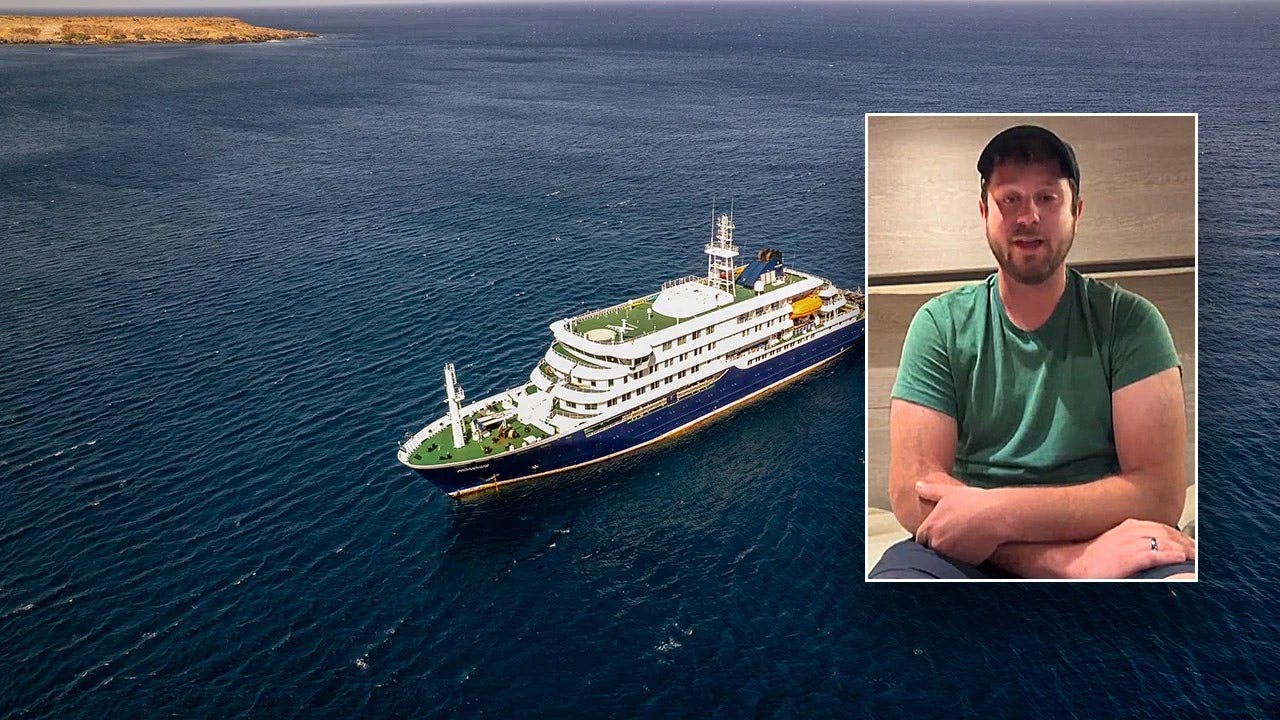
- Martin Anstee, a 56-year-old British ex-police officer, is reportedly in stable condition in the Netherlands.
- Three individuals who were aboard the MV Hondius have died since its departure from Argentina.
- Eight hantavirus cases, three confirmed and five suspected, have been identified among those on the ship.
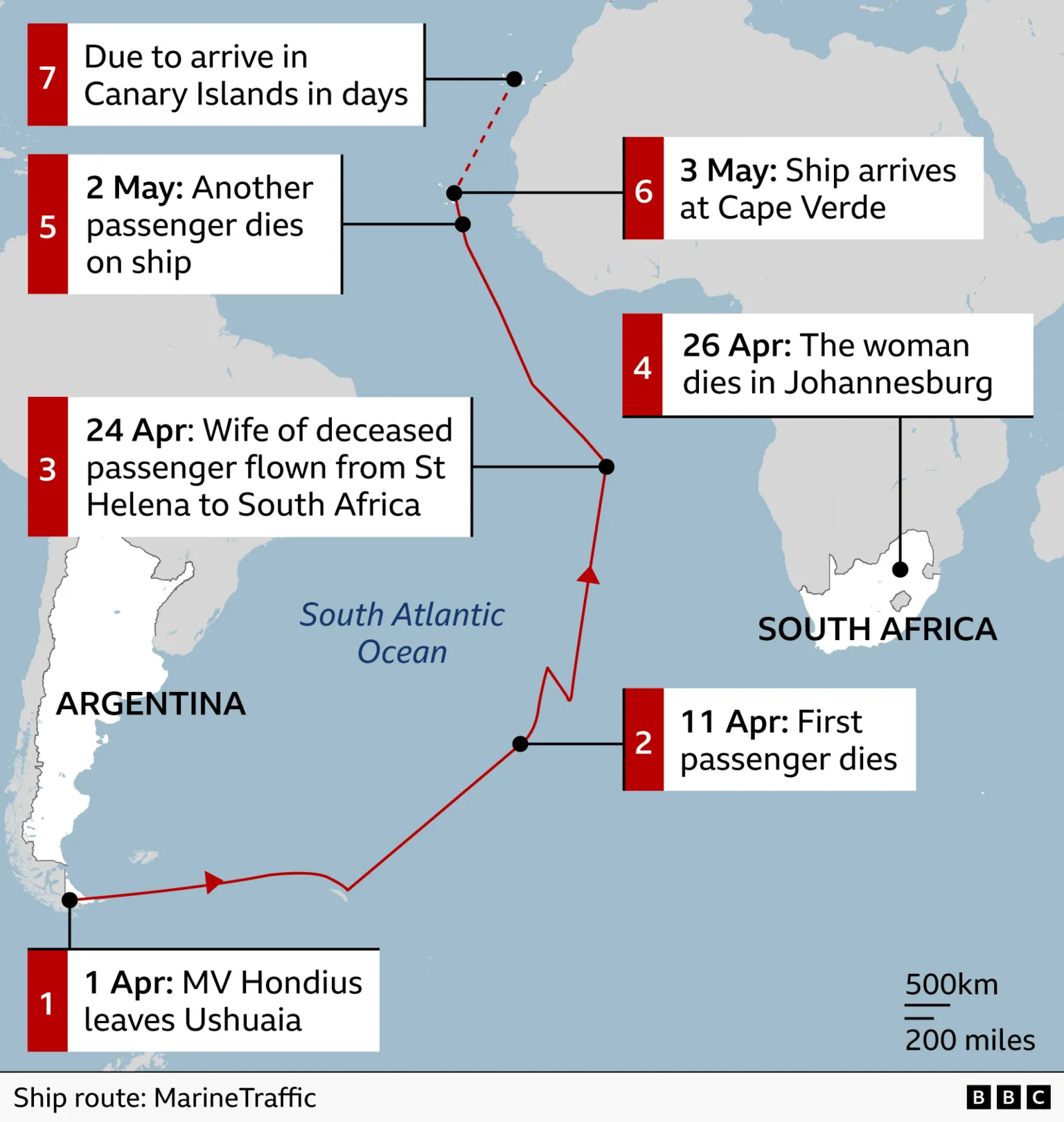
- Twenty-three passengers disembarked on April 21 in Saint Helena and are now being monitored in various countries.
- The World Health Organization confirmed the outbreak is caused by the Andes virus (ANDV), which can spread person-to-person.
Evacuations Underway Amid Deadly Outbreak
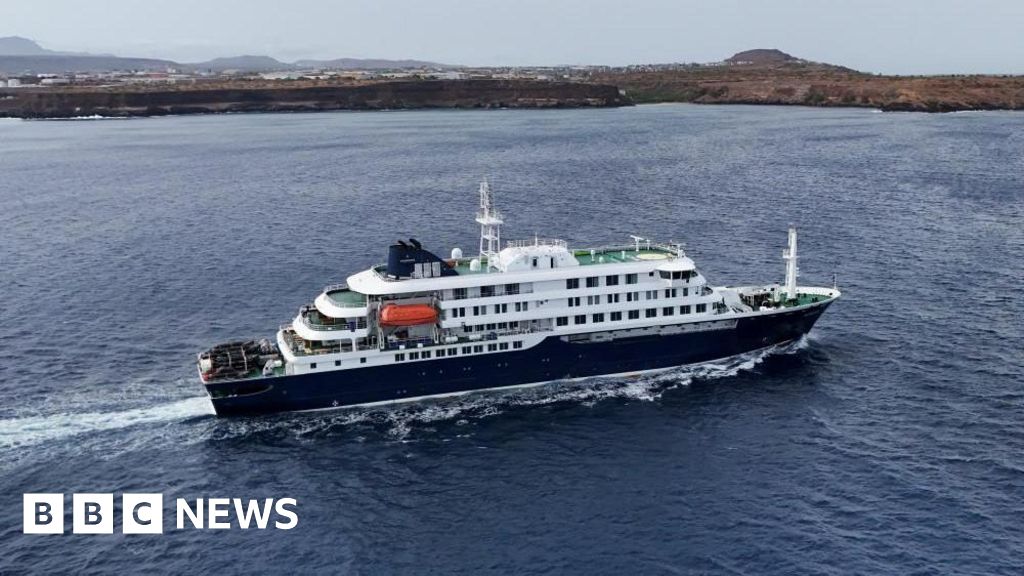
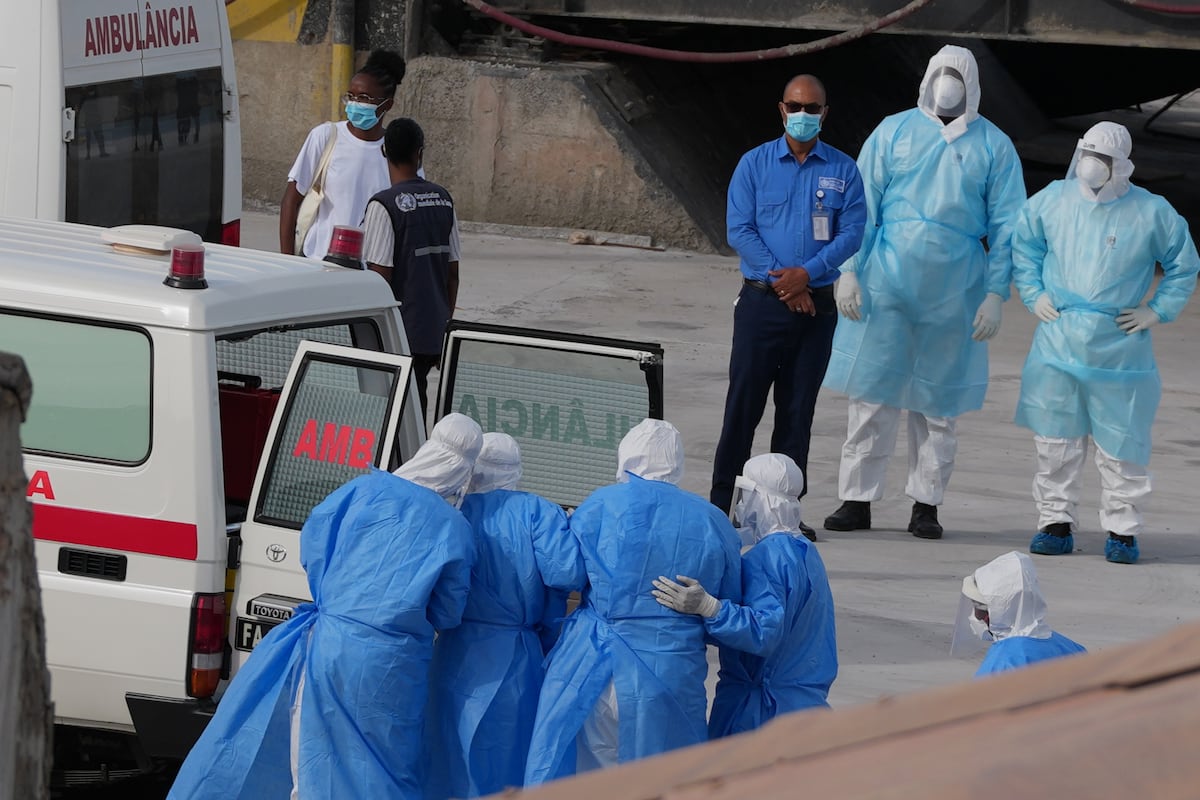
Two passengers displaying symptoms of a deadly hantavirus outbreak aboard the MV Hondius have been evacuated to the Netherlands for urgent medical treatment. Operator Oceanwide Expeditions confirmed the arrivals, stating one individual was in serious condition. A third passenger, in stable condition, was expected to depart on a delayed evacuation flight. The cruise ship, which has been anchored for three days off the coast of Cape Verde, is now en route to Spain's Canary Islands. The situation underscores the severe nature of the hantavirus outbreak, which has already claimed three lives among those who have sailed on the vessel since it departed Argentina a month ago. The three evacuated individuals represent British, Dutch, and German nationalities. The 65-year-old German evacuee had close ties to a German woman who died on board the ship on May 2. The British evacuee has been identified by media reports as Martin Anstee, a 56-year-old former police officer, who is understood to be in a stable condition in the Netherlands. A 41-year-old Dutch crew member is also among those receiving care abroad.
Global Monitoring as Passengers Disembark
Beyond those still aboard or evacuated, health authorities in the United States are monitoring three passengers who had already returned home after disembarking the ship. two residents are under observation but showing no signs of infection, while Arizona's health department confirmed one resident is being monitored but remains asymptomatic. In Switzerland, a man who had travelled back after leaving the MV Hondius has tested positive for hantavirus and is hospitalized in Zurich. The World Health Organization (WHO) chief, Tedros Adhanom Ghebreyesus, confirmed the patient had been informed of the health event on the ship by the operator. These developments highlight a critical challenge: tracing and monitoring passengers who had already completed their journeys before the full extent of the outbreak became apparent. The delay in contacting some of these individuals raises concerns about potential further spread.
The Andes Virus: A Person-to-Person Threat
The World Health Organization has confirmed that the hantavirus outbreak on the MV Hondius is caused by the Andes virus (ANDV). This particular strain is significant because it is the only known hantavirus variant capable of spreading directly from person to person. Transmission is believed to occur through close, prolonged contact involving bodily fluids. This characteristic distinguishes ANDV from other hantaviruses, which are typically spread through rodents. The implications for containment and public health response are therefore more complex, requiring careful management of close contacts among passengers and crew. In total, eight cases of hantavirus have been identified in connection with the ship: three confirmed and five suspected. Of the three confirmed deaths, one individual remains in intensive care in Johannesburg, South Africa, while another is hospitalized in Switzerland. The confirmed presence of ANDV necessitates stringent precautionary measures for everyone who was on board.
A Delayed Response to Disembarked Passengers
A significant concern has emerged regarding the timeline of communication with passengers who disembarked the MV Hondius prior to the full scale of the outbreak being recognized. Twenty-three passengers had already left the ship on April 21 in Saint Helena, ten days after the first reported death on board, and begun their journeys home. According to a Spanish passenger still on the ship, who spoke anonymously, these individuals were not contacted by health authorities until three days before the report, with some only receiving notification the day prior. This delay means that for over two weeks, passengers who had returned to their home countries—including Australia, Taiwan, the United States, and England—resumed normal life without being informed of the potential risk. The World Health Organization began contacting these passengers only a few days ago, a fact that has drawn criticism. The passenger mentioned that the Swiss patient who tested positive had only gone to the hospital because he was feeling unwell, not as a result of direct health authority intervention.
Onboard Measures and International Concern
The MV Hondius is currently sailing towards Spain's Canary Islands, having been anchored for three days near Cape Verde. A total of 146 people from 23 different countries remain aboard the vessel. Oceanwide Expeditions has implemented strict precautionary measures, including hygiene and isolation protocols, for the remaining passengers and crew. The international nature of the passenger manifest means that the implications of the outbreak are far-reaching. The WHO is actively involved in monitoring the situation, confirming the virus strain, and coordinating responses with national health agencies. The incident highlights the vulnerabilities of long-distance travel and the critical importance of rapid communication and contact tracing in managing infectious disease outbreaks, particularly when a pathogen with human-to-human transmission capabilities is involved.
Future Steps and Lingering Questions
The immediate focus remains on the health of those evacuated and the remaining passengers and crew aboard the MV Hondius. Continued monitoring of passengers who have already returned to their home countries is paramount to prevent any further spread of the Andes virus. Questions linger about the exact timeline of the outbreak's progression and the initial response protocols. The delay in notifying disembarked passengers is a key point of concern that will likely be subject to review. As the ship continues its journey, the global health community will be watching closely, ready to support national efforts to contain the virus and manage the consequences of this complex and concerning outbreak.
The bottom line
- The hantavirus outbreak on the MV Hondius has led to three confirmed deaths and multiple evacuations for treatment.
- The specific strain, Andes virus (ANDV), is capable of human-to-human transmission, increasing public health concerns.
- A significant number of passengers disembarked before the outbreak was fully communicated, necessitating widespread monitoring.
- Health authorities are now actively tracing and monitoring individuals who left the ship in Saint Helena on April 21.
- The World Health Organization is coordinating international efforts to manage the outbreak and its potential spread.
Three dead, human-to-human transmission suspected in hantavirus outbreak on cruise ship off Cape Verde

Cruise Ship Hantavirus Deaths Spark Global Health Alert

Hantavirus Outbreak on Cruise Ship Leads to Evacuations and International Concern
