US and Iran Exchange Fire Amid Ceasefire Claims
Tensions flare in the Strait of Hormuz as Tehran accuses Washington of violating a truce, while President Trump warns of harsher retaliation.

PAKISTAN —
Key facts
- US and Iran exchanged fire late Thursday night.
- Iran's top military command alleged US targeted Iranian oil tankers and vessels.
- US Central Command stated it responded to Iranian attacks on US Navy destroyers.
- Iran's military command accused the US of violating a ceasefire.
- US President Donald Trump asserted a ceasefire remains in place.
- Trump threatened more violent retaliation if Iran does not sign a deal quickly.
- An Israeli source denied any Israeli involvement in the incidents.
Escalation in the Strait of Hormuz
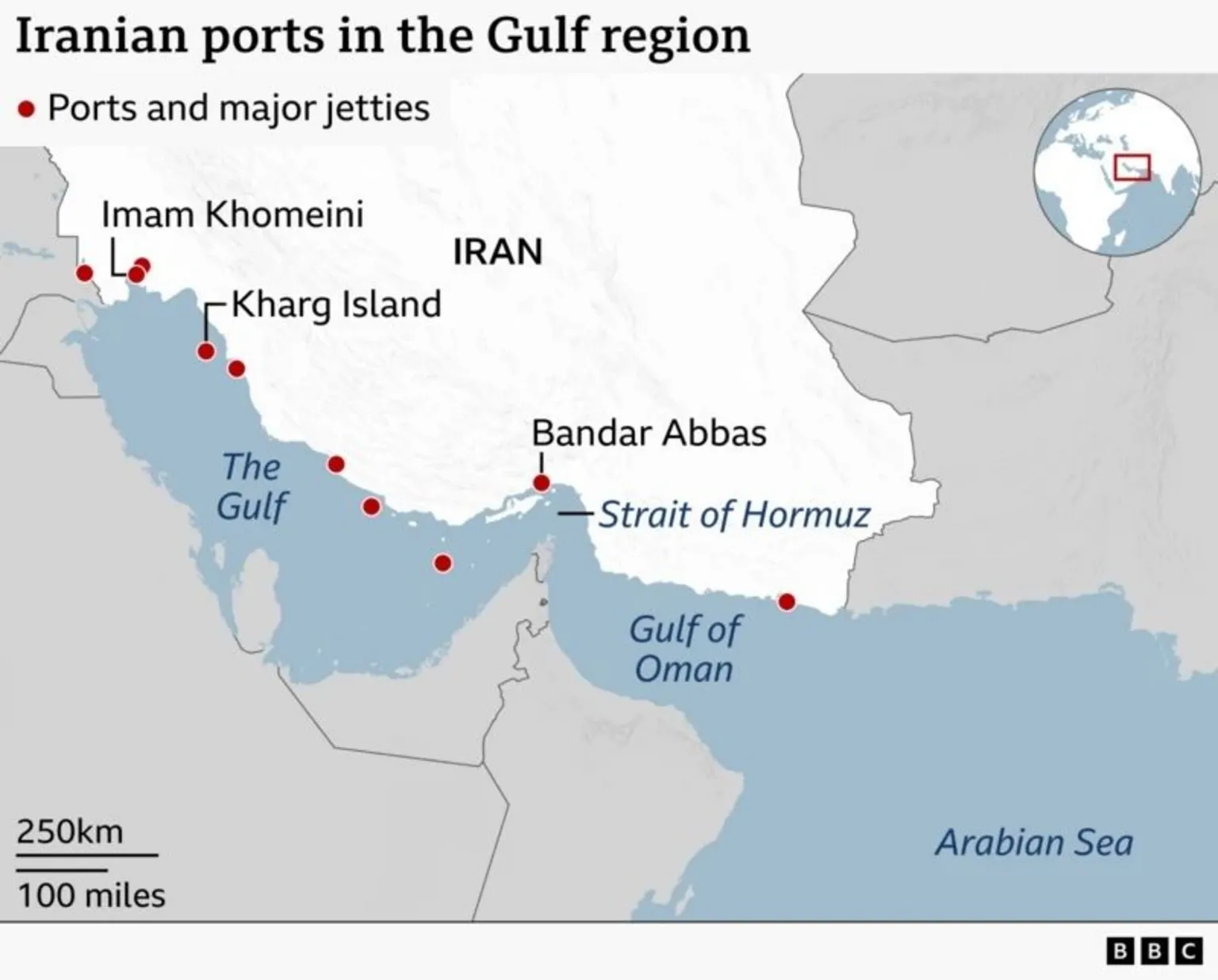
Late Thursday night, the United States and Iran engaged in a direct exchange of fire, primarily in the crucial Strait of Hormuz waterway. The incident, which saw both sides claim defensive actions and accuse the other of aggression, has cast a shadow over recent diplomatic overtures aimed at de-escalating tensions. The immediate aftermath saw conflicting narratives emerge. Iran's top military command alleged that American forces had targeted an Iranian oil tanker and another vessel approaching the strait. Furthermore, Tehran claimed the U.S. carried out "aerial attacks" on several coastal areas, which it deemed a clear "violation of the ceasefire." This flare-up occurs just one day after Iran's foreign ministry had indicated it was considering a U.S. proposal to end the ongoing conflict. The exchange marks a significant escalation, threatening to unravel fragile diplomatic progress.
Conflicting Accounts of the Engagement
The U.S. Central Command (Centcom) presented a different account of the events. Centcom stated that American forces responded to what it described as "unprovoked attacks" by Iranian forces. According to the command, Iranian forces launched "multiple missiles, drones and small boats" as U.S. Navy guided-missile destroyers transited the strait. In response, Centcom said it had "eliminated inbound threats and targeted Iranian military facilities responsible for attacking U.S. forces." These targeted facilities included missile and drone launch sites, command and control locations, and intelligence, surveillance, and reconnaissance nodes. Centcom emphasized its position, stating, "We do not seek escalation but remain positioned and ready to protect American forces."
President Trump's Warning and Diplomatic Pressure
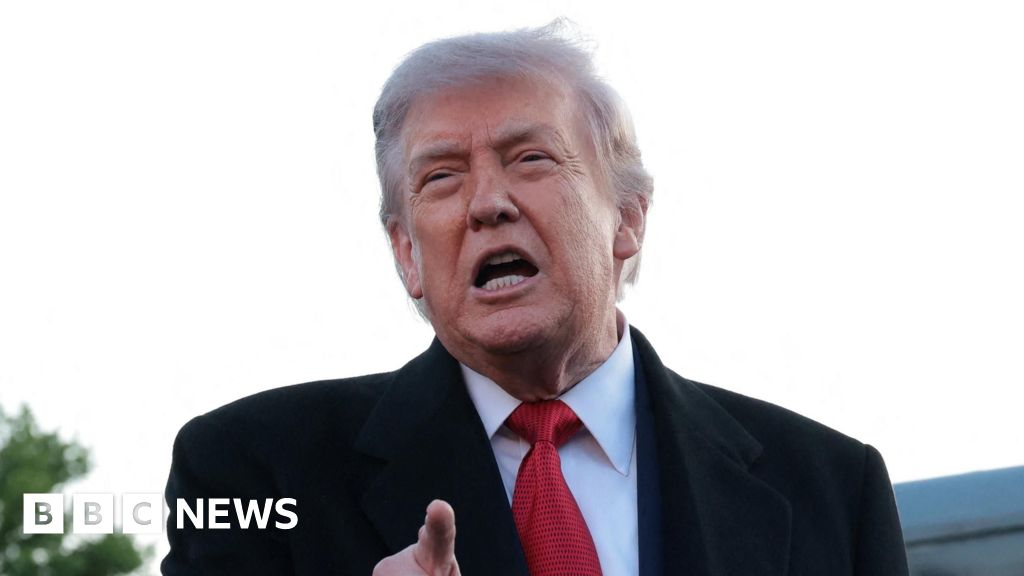
President Donald Trump, speaking from his Truth Social platform, asserted that a ceasefire between the U.S. and Iran remained in effect despite the late-night exchange. He described the U.S. response, which involved destroying several small Iranian boats, with vivid imagery, stating they "dropped ever so beautifully down to the Ocean, very much like a butterfly dropping to its grave!" Trump also issued a stark warning to Tehran regarding a potential peace deal. He reiterated his demand for a swift agreement, stating, "Just like we knocked them out again today, we'll knock them out a lot harder, and a lot more violently, in the future, if they don't get their Deal signed, FAST!" The president's remarks underscore the dual approach of military deterrence and diplomatic pressure that the U.S. is employing in its dealings with Iran.
Iranian Claims of Coastal Strikes
"explosions" in the Strait of Hormuz, characterizing them as an "exchange of fire" with the "enemy." indicated that explosions were also heard in Tehran. A statement from Iran's top military command detailed specific locations targeted by U.S. "aerial attacks," naming the coasts of Bandar Khamir, Sirik, and Qeshm Island. The command asserted that Iran responded immediately by attacking U.S. military vessels, inflicting "significant damage." These claims of coastal strikes and damage to U.S. vessels, if substantiated, would represent a significant escalation beyond naval engagements in the strait itself.
Absence of Israeli Involvement
Amidst the heightened tensions and the exchange of fire, an Israeli source has explicitly denied any Israeli participation in the latest incidents. The source, speaking to the BBC, stated unequivocally that there was "no Israeli involvement" in the events. This clarification comes as regional dynamics often intertwine with U.S.-Iran confrontations. The denial serves to isolate the current U.S.-Iran confrontation, at least from the perspective of direct Israeli military action. However, the broader regional context remains volatile, with countries like the UAE on alert and India allocating significant financial support for businesses impacted by such conflicts.
The bottom line
- The U.S. and Iran exchanged fire in the Strait of Hormuz, with both sides issuing conflicting statements.
- Iran accused the U.S. of violating a ceasefire by targeting oil tankers and conducting coastal strikes.
- The U.S. stated its actions were in self-defense against unprovoked Iranian attacks on its Navy destroyers.
- President Trump warned of significantly harsher retaliation if Iran does not quickly sign a deal.
- An Israeli source denied any Israeli involvement in the latest military exchange.
- The incident occurred shortly after Iran had indicated it was considering a U.S. proposal to end the war.

Jet Fuel Surge Forces Airlines to Ground Flights, Disrupting Summer Travel

US Summer Electricity Bills to Rise 8.5% as Grid Upgrades and Data Center Demand Drive Costs
U.S. Begins Guiding Ships Out of Strait of Hormuz as Iran Threatens Attack