Hantavirus Outbreak Linked to Cruise Ship Claims Three Lives
World Health Organization confirms five cases of rare Andes virus, urging vigilance as passengers disembark.

NEW ZEALAND —
Key facts
- Three passengers have died from hantavirus after travelling on the MV Hondius.
- The World Health Organization has confirmed five cases of the Andes virus strain.
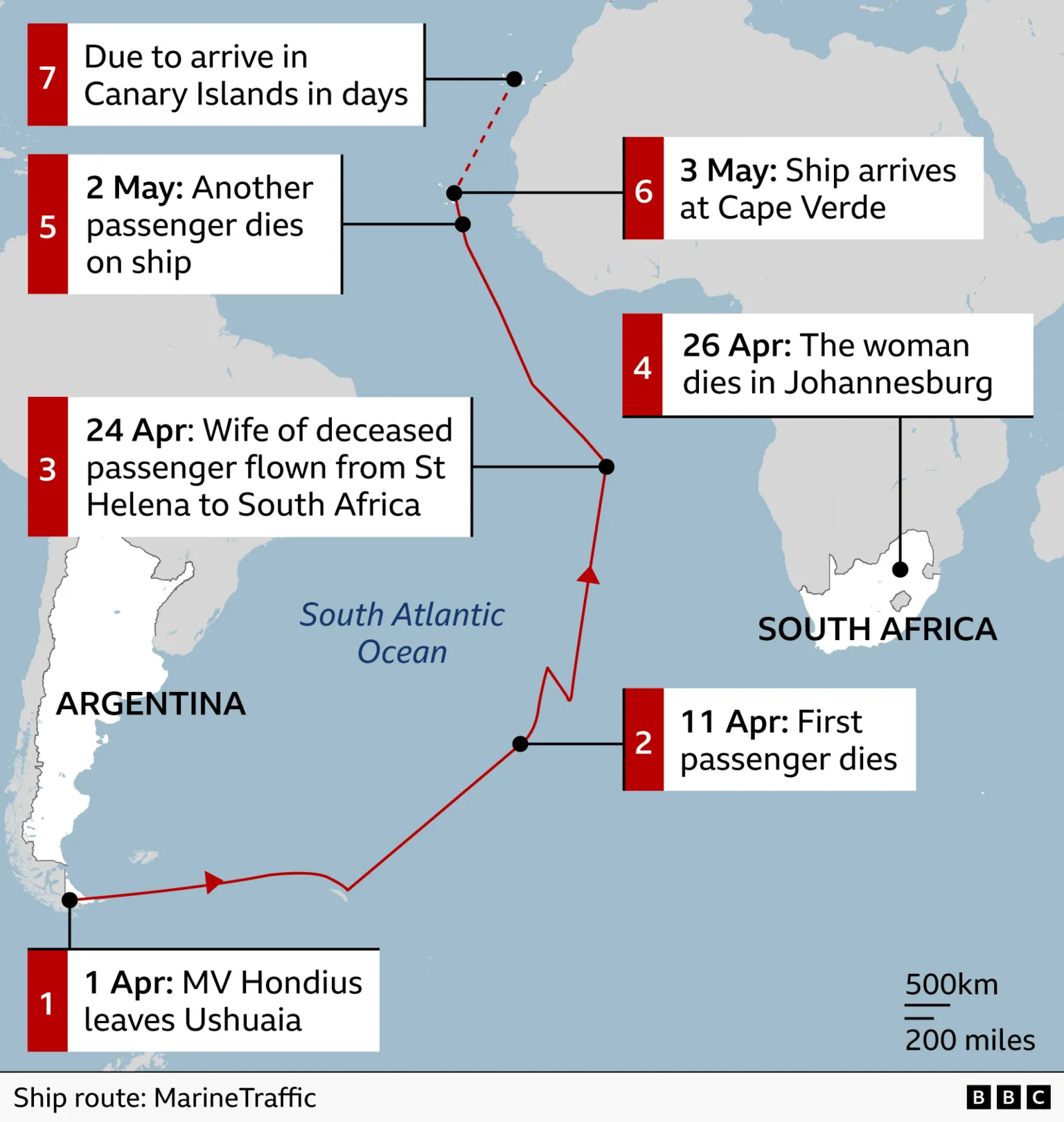
- The outbreak is linked to a cruise that departed Ushuaia, Argentina, on April 1.
- The virus can be transmitted between humans, a rare characteristic for hantavirus.
- Passengers from 28 countries were aboard the vessel.
- The MV Hondius is scheduled to arrive in Spain's Canary Islands on May 10.
Cruise Ship Becomes Epicenter of Rare Hantavirus Outbreak
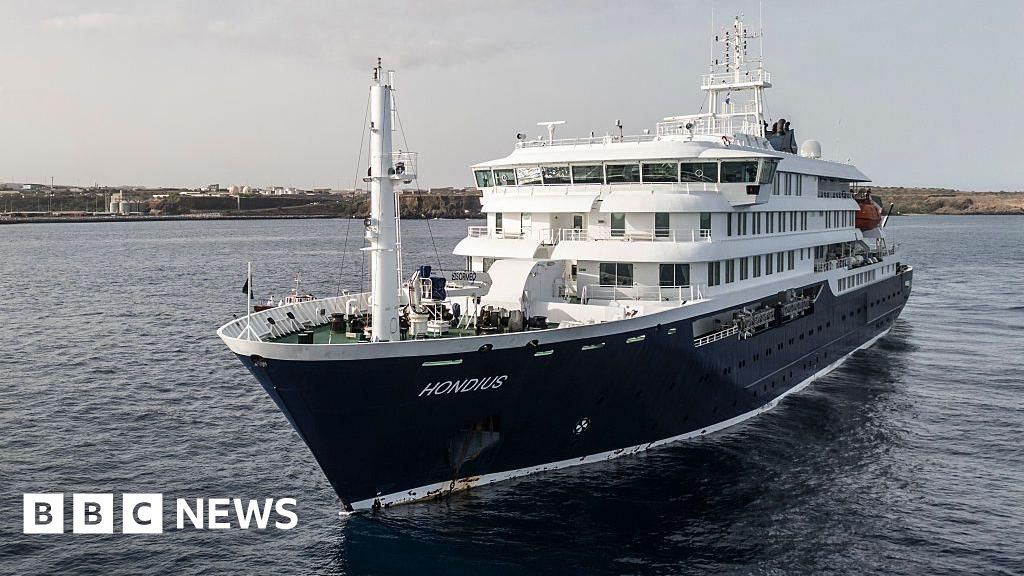
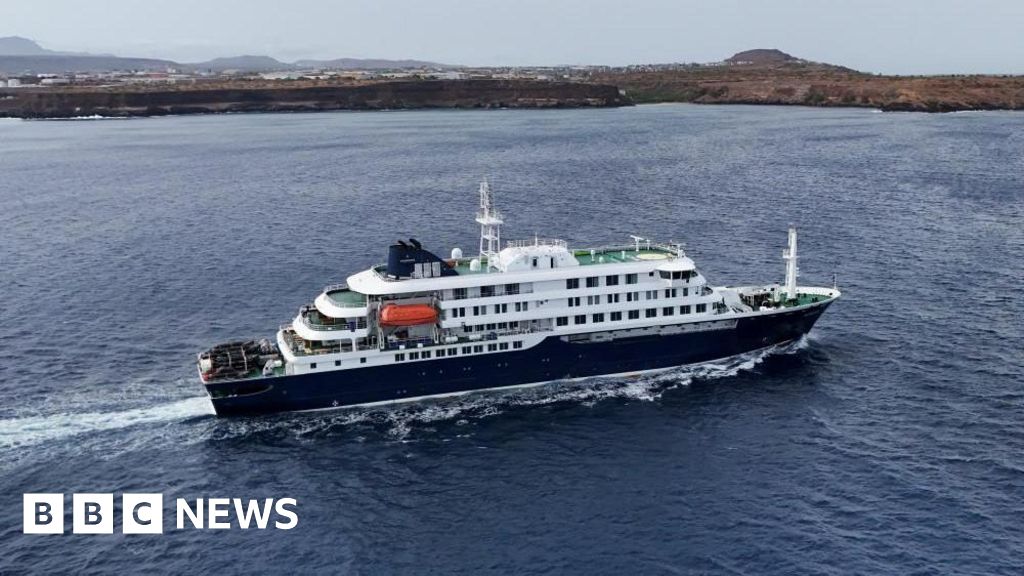
A deadly hantavirus outbreak has emerged aboard the MV Hondius, a luxury cruise ship, claiming the lives of three passengers and raising international alarm. The World Health Organization (WHO) confirmed five cases of the Andes virus, a rare strain known for its potential human-to-human transmission, as health officials race to trace individuals who have recently disembarked. The vessel, operated by Netherlands-based Oceanwide Expeditions, embarked on its journey from Ushuaia, Argentina, on April 1, carrying approximately 150 passengers and crew from 28 countries. The emergence of the disease on the ship underscores the unpredictable nature of infectious outbreaks and the global interconnectedness that can facilitate their spread. While health authorities have sought to temper fears of a widespread pandemic, the confirmed deaths and potential for further cases necessitate a swift and coordinated public health response. The WHO has classified the public health risk as low, provided that appropriate measures are implemented. However, the incubation period for the Andes virus can extend up to six weeks, meaning more cases could still surface among those who have travelled or come into contact with infected individuals.
Tracing the Spread of the Rat-Borne Virus
The outbreak's origins are believed to stem from a passenger who contracted the virus before boarding the MV Hondius, potentially through contact with infected rodents in Argentina, Chile, or Uruguay. This individual is then thought to have infected others aboard the ship as it sailed across the Atlantic. The Andes virus, unlike many other hantaviruses typically spread through rodent droppings, carries the concerning capacity for human-to-human transmission. Health authorities are meticulously mapping the movements of passengers and crew who have disembarked at various points. Individuals thought to have contracted the virus are currently receiving treatment or isolating in facilities across Britain, Germany, the Netherlands, Switzerland, and South Africa. The ship itself, with no symptomatic individuals currently on board according to its operator, is en route to the Spanish island of Tenerife, where it is scheduled to dock on Sunday, May 10, for the remaining passengers to be evacuated.
WHO Assesses Risk, Urges Protective Measures
The World Health Organization has been actively involved in monitoring the situation, with Director General Tedros Adhanom Ghebreyesus stating that the organization assesses the public health risk as low, contingent on the implementation of public health measures and international cooperation. He emphasized that this outbreak is distinct from the early stages of the COVID-19 pandemic. Maria van Kerkhove, an infectious disease epidemiologist at the WHO, clarified that hantavirus spreads differently from viruses like COVID-19 or influenza, primarily through close, intimate contact. She noted that on board the MV Hondius, authorities had advised everyone to wear masks, and those caring for or in contact with suspected cases were instructed to use a higher level of personal protective equipment. Despite the reassurances, the potential for further cases remains a concern due to the virus's incubation period. The WHO's emergency alert and response director, Abdi Rahman Mahamud, expressed confidence that the outbreak would remain limited if public health measures were rigorously applied and countries demonstrated solidarity.
The Andes Virus: A Rare and Potentially Lethal Threat
Hantaviruses are a group of viruses that can cause severe respiratory illness and, in some cases, hemorrhagic fever with renal syndrome. The Andes virus, identified in this outbreak, is particularly noteworthy for its ability to spread between humans. Symptoms typically include fever, headache, and muscle aches, progressing to respiratory distress and cardiac complications in severe cases. The first two individuals confirmed to have the virus had undertaken a bird-watching trip that included visits to areas known to harbor the species of rat that carries the Andes virus. The subsequent transmission on the cruise ship highlights a critical aspect of the disease's epidemiology that requires careful management. Leiden University Medical Centre in the Netherlands later announced an additional patient had tested positive, further underscoring the need for vigilance and thorough contact tracing efforts across multiple jurisdictions.
Navigating a Limited Outbreak
The situation aboard the MV Hondius presents a complex public health challenge, requiring rapid identification and isolation of cases, alongside diligent tracing of contacts. The international nature of the cruise, with passengers from numerous countries, necessitates close collaboration between national health authorities. While the WHO has downplayed fears of a global pandemic, the confirmed deaths serve as a stark reminder of the potential severity of hantavirus infections. The focus remains on containing the current outbreak through stringent public health protocols and ensuring that individuals who may have been exposed receive appropriate medical attention and monitoring. As the MV Hondius makes its final approach to the Canary Islands, the full extent of the outbreak will become clearer. The successful containment of this cluster will depend on the continued cooperation of passengers, crew, and the health authorities of the nations involved.
The bottom line
- A hantavirus outbreak on the MV Hondius has resulted in three confirmed deaths.
- The World Health Organization has identified five cases of the Andes virus, which can spread between humans.
- The virus is believed to have originated from a passenger who contracted it in Argentina.
- Health authorities are tracing dozens of passengers and crew who have disembarked from the ship.
- The WHO has assessed the public health risk as low, provided containment measures are followed.
- The MV Hondius is expected to reach Spain's Canary Islands on May 10 for passenger evacuation.


Hantavirus Outbreak Grips Cruise Ship MV Hondius

Cruise Ship Hantavirus Deaths Spark Global Health Alert
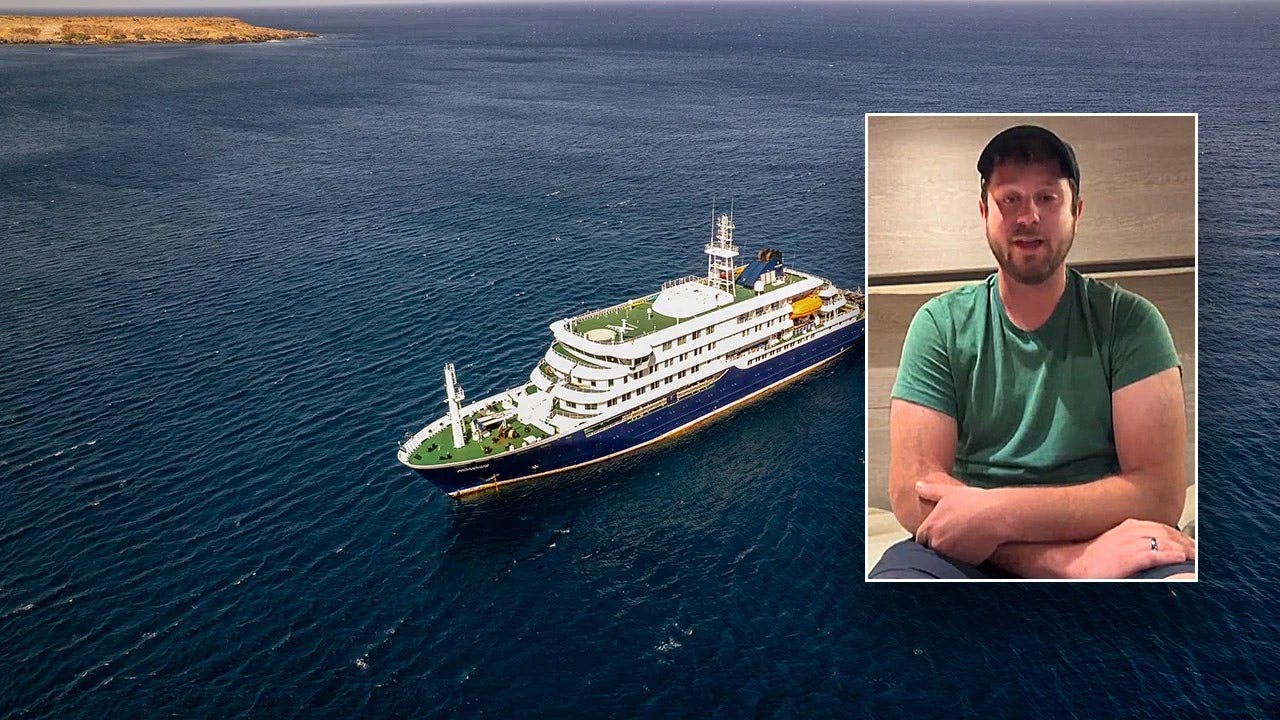
Three dead, human-to-human transmission suspected in hantavirus outbreak on cruise ship off Cape Verde