Saudi Arabia Halts U.S. Military Access After Hormuz Operation Announcement
Riyadh's decision to suspend base and airspace use forced a pause on "Project Freedom," revealing diplomatic friction.
UNITED STATES —
Key facts
- Saudi Arabia suspended U.S. military use of its bases and airspace.
- The suspension followed President Trump's announcement of "Project Freedom" on social media.
- Prince Sultan Airbase southeast of Riyadh was affected by the Saudi decision.
- A call between Trump and Crown Prince Mohammed bin Salman did not resolve the issue.
- Central Command had stated two U.S.-flagged ships transited the Strait of Hormuz.
- Project Freedom was paused to allow for potential finalization of a war resolution agreement.
- The U.S. military requires "access, basing and overflight" (ABO) permissions from regional partners.
Operation Halted Amid Diplomatic Rift
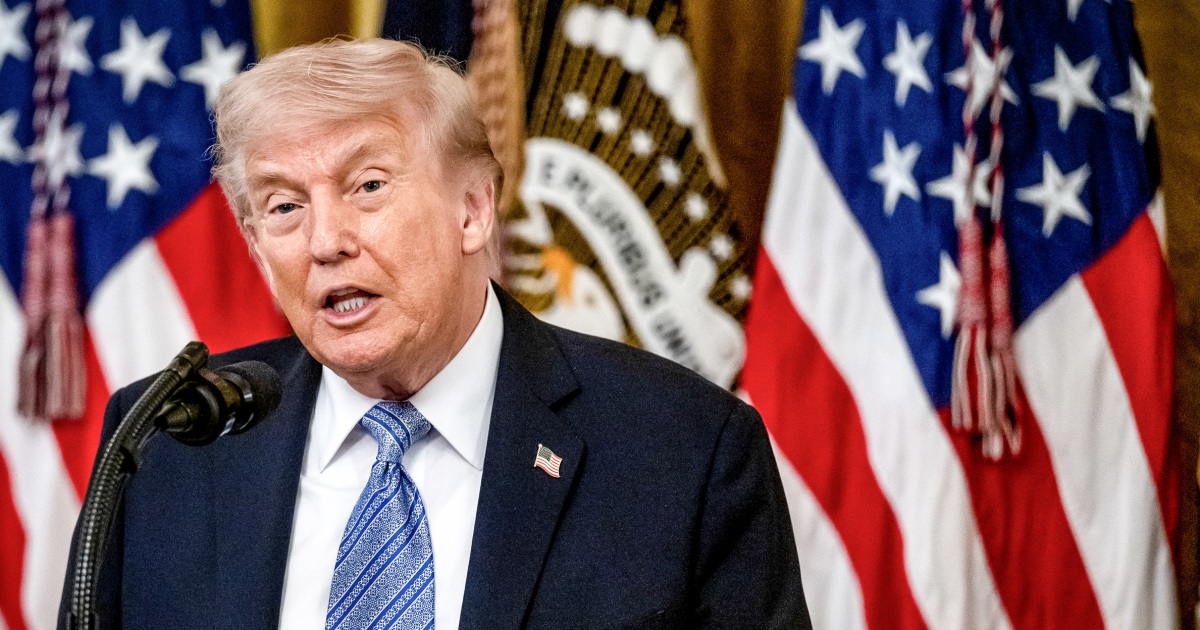
Saudi Arabia, a pivotal Gulf ally, has abruptly suspended the U.S. military's ability to utilize its bases and airspace for operations, a move that directly impacted a recently announced American initiative. This significant development forced President Donald Trump to pause "Project Freedom," an effort aimed at facilitating ship passage through the Strait of Hormuz. The decision underscores the delicate diplomatic ties between Washington and Riyadh, revealing a surprising lack of coordination on a critical regional security matter. The operation's suspension came after President Trump's announcement of "Project Freedom" via social media on a Sunday afternoon. This unilateral announcement reportedly angered leadership in Saudi Arabia, prompting the Kingdom to inform the U.S. that it would no longer permit American military aircraft to operate from Prince Sultan Airbase, located southeast of Riyadh, or to fly through Saudi airspace in support of the initiative. The U.S. military had been preparing additional ships in the Gulf for transit through the strait when the operation was halted.
Diplomatic Fallout and Miscommunication
A direct telephone conversation between President Trump and Saudi Crown Prince Mohammed bin Salman failed to de-escalate the situation.ompelled the president to pause "Project Freedom" in an effort to reinstate access to critical Saudi airspace. The abruptness of the announcement also caught other close Gulf allies off guard, with President Trump reportedly speaking with leaders in Qatar only after the operation had commenced. Despite a White House official's statement asserting that regional allies were notified in advance, a Middle Eastern diplomat indicated that coordination with Oman, another key partner, did not occur until after Trump's public announcement. "The U.S. made an announcement and then coordinated with us," the diplomat stated, adding that Oman was not displeased by the sequence of events. A Saudi source, however, noted that Trump and the Crown Prince have maintained regular contact, and that Saudi officials were also communicating with Trump, Vice President JD Vance, U.S. Central Command, and Secretary of State Marco Rubio.
The Strategic Importance of Saudi Access
The U.S. military relies heavily on agreements for "access, basing and overflight" (ABO) with regional partners to conduct operations effectively. Saudi Arabia and Jordan are particularly critical for allowing aircraft to be based within their territories, while Kuwait is essential for overflight permissions. Oman plays a dual role, providing both overflight and naval logistics support. Prince Sultan Airbase, in particular, hosts U.S. military assets including fighter aircraft, refueling tankers, and air defense systems. This base has been instrumental in supporting past operations, including flights to counter threats in Iran and allowing aircraft from neighboring countries to transit Saudi airspace. The ability to utilize this base and the surrounding airspace was crucial for providing a defensive umbrella for ships transiting the Strait of Hormuz during "Project Freedom."
Project Freedom's Objectives and Pause
The U.S. Central Command had previously announced that two U.S.-flagged ships had successfully navigated the Strait of Hormuz as part of "Project Freedom." The operation was designed to ensure the safe passage of maritime traffic through this vital, yet often volatile, waterway. President Trump's decision to pause the initiative was framed as a temporary measure, intended "for a short period of time to see whether or not" an agreement to resolve an ongoing conflict "can be finalized and signed." The pause highlights the complex geopolitical landscape of the region, where military operations are intrinsically linked to diplomatic maneuvering and the cooperation of regional powers. The need for Saudi cooperation for air operations underscores the limitations of unilateral action in a region where geographic realities necessitate allied support.
Broader Implications for Regional Security
The incident reveals the potential for friction even among close allies when strategic announcements are made without thorough consultation. The reliance of U.S. military operations on access granted by partners like Saudi Arabia means that diplomatic relationships are a critical component of national security strategy. Any disruption to these agreements can have immediate and significant operational consequences, as demonstrated by the pause in "Project Freedom." The situation also raises questions about the effectiveness of communication channels between the U.S. administration and its key Middle Eastern partners. While some officials maintain that allies were informed, the Saudi reaction suggests a divergence in perspectives or a misunderstanding of the operational implications of the announcement. The future of "Project Freedom" and similar initiatives will likely depend on the successful restoration of trust and clear communication protocols.
The bottom line
- Saudi Arabia has revoked U.S. military access to its bases and airspace.
- The decision was a direct response to President Trump's uncoordinated announcement of "Project Freedom."
- A phone call between Trump and Crown Prince Mohammed bin Salman did not resolve the dispute.
- The U.S. military requires "access, basing and overflight" permissions from allies for regional operations.
- The pause in "Project Freedom" aims to allow for potential diplomatic resolution of a conflict.
- The incident highlights the critical need for allied coordination in U.S. military initiatives in the Gulf.
Tornado Watch vs. Warning: Understanding Alerts When Every Minute Counts

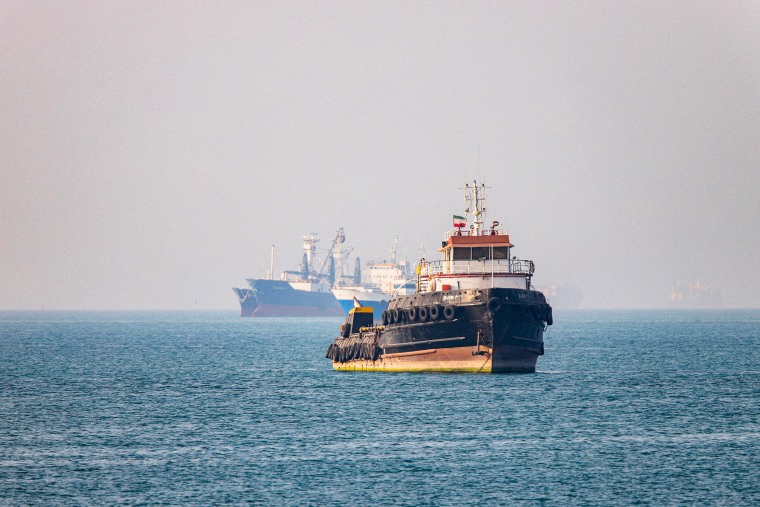
U.S. Navy Shepherds Maersk Ship Through Strait of Hormuz as Iran Strikes UAE
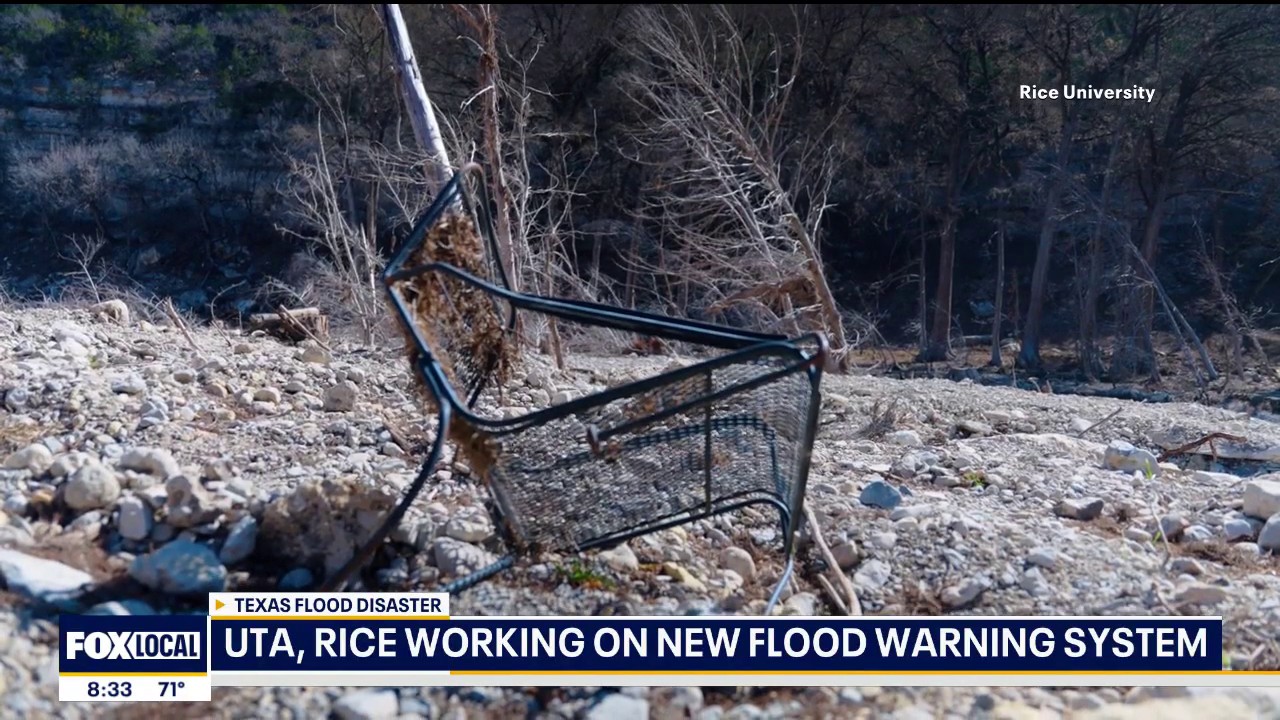
Texas invests $4 million in flood warning system after 2025 Hill Country disaster killed over 130
